
When a manufacturer contacts us about a carton erector, one of the first questions we ask is: what box type are you using? Not because we want to push a particular machine—but because the answer determines everything. A tuck end box and a snap lock bottom box look similar in a product catalog, but they’re structurally different, assembled differently, and suited to very different products and production environments. Choosing the wrong one doesn’t just affect packaging aesthetics—it affects line speed, labor requirements, damage rates, and total packaging cost.
This article breaks down the structural and practical differences between tuck end and snap lock bottom cartons, drawing on industry data to help you make the right choice before you invest in equipment.
The Two Box Structures Explained
What Is a Tuck End Box?
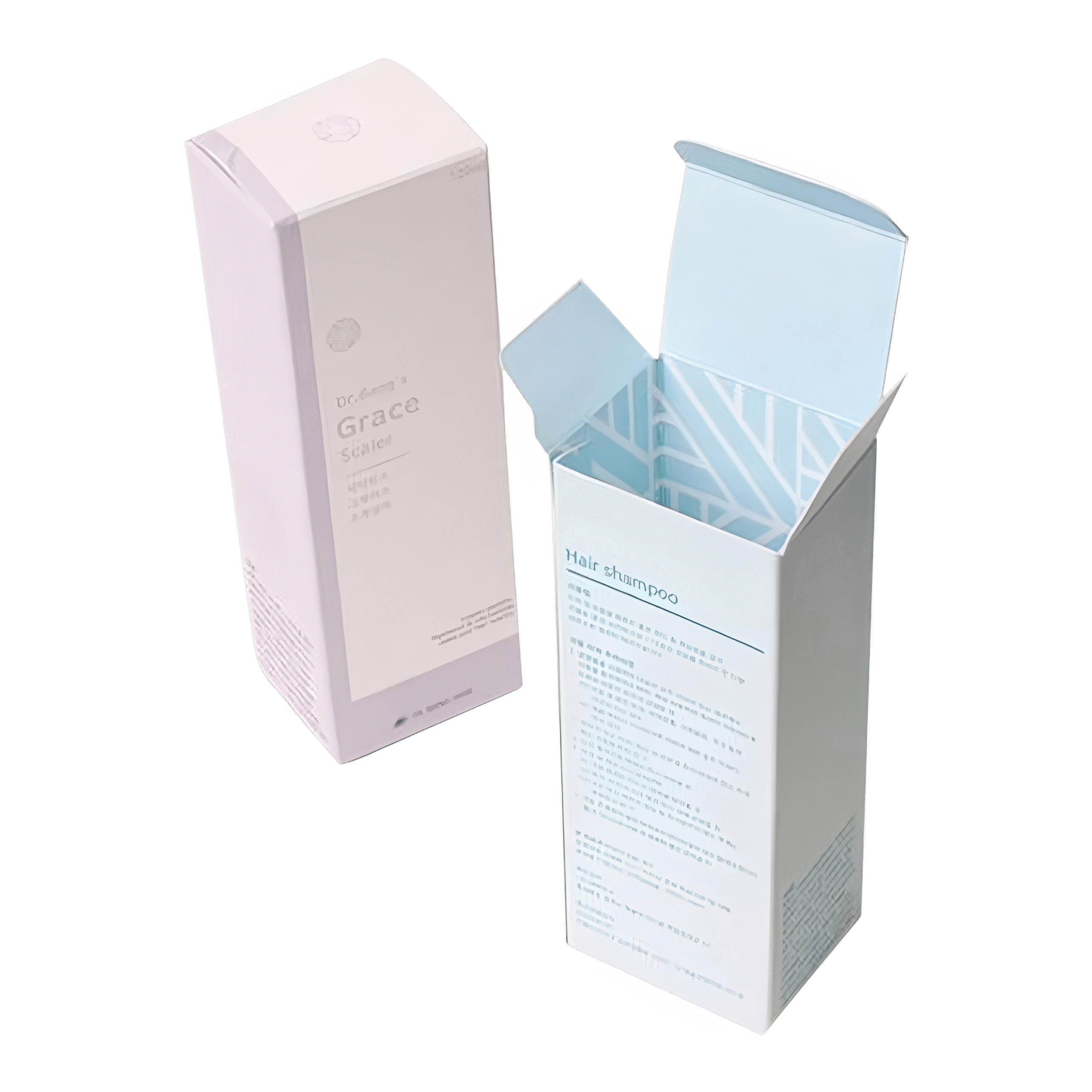
A tuck end box closes using friction and geometry. The top and bottom flaps—called “tuck tabs”—fold inward and slide into a slot formed by the adjacent panels. No glue is applied at assembly. The box stays closed because the tab fits snugly into its slot.
There are two variants:
- Straight Tuck End (STE) — Both the top and bottom tuck tabs fold in the same direction. The result is a clean, symmetrical appearance when the box is displayed face-forward. Preferred for cosmetics, retail electronics, and any product where presentation is a priority.
- Reverse Tuck End (RTE) — Top and bottom tabs fold in opposite directions. This makes the box slightly easier to open and close, and slightly faster to assemble by machine. The RTE is the default style for pharmaceutical packaging, FMCG products, and high-volume commodity items where speed and cost take precedence over appearance.
What Is a Snap Lock Bottom Box?
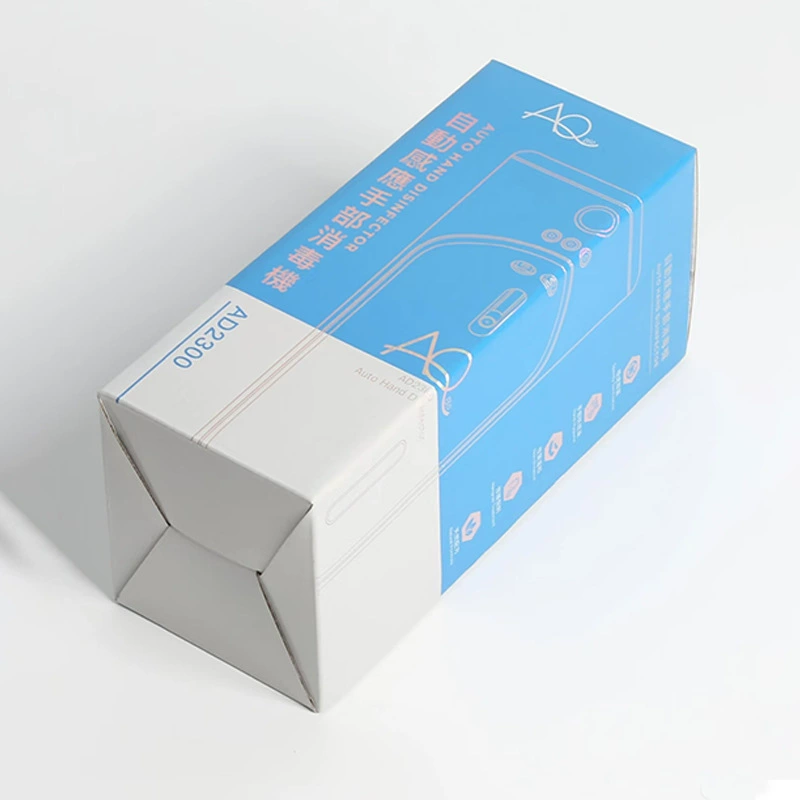
A snap lock bottom—also called auto-lock bottom or 1-2-3 bottom—is a box where the base panels are pre-scored and designed to interlock in sequence. When the flat blank is opened, the four bottom flaps fold into each other and lock without glue. The top can be a tuck end, a glue-seal lid, or a separate lid depending on the design.
The defining feature is structural: the interlocking base distributes load across four panels instead of relying on a single tab’s friction fit. This makes it inherently stronger at the bottom than a standard tuck end box of the same board weight.
Side-by-Side Comparison
| Factor | Tuck End (STE/RTE) | Snap Lock Bottom |
|---|---|---|
| Closure mechanism | Friction fit — tab slides into slot | Interlocking flap panels — locks under product weight |
| Base strength | Medium — relies on tab tension | High — four interlocked panels share load |
| Glue required at assembly? | No | No (pre-glued at manufacture; locks mechanically at assembly) |
| Typical failure mode | Tab tears or pops open under load or rough handling | Misaligned assembly if folded incorrectly under time pressure |
| Assembly speed (manual) | Fast (RTE) / Moderate (STE) | Slower — requires 4-step interlocking sequence |
| Assembly speed (automatic) | Very fast — up to 80 cartons/min | Fast — 1,500–2,400 pcs/hour (25–40/min) |
| Best for product weight | Light to medium (< 500g typical) | Medium to heavy (500g–3kg+ common) |
| Retail appearance | Clean face — STE especially suited for display | Solid base — base not visible in retail |
| Carton material cost | Lower (RTE is among cheapest folding cartons) | Slightly higher (more complex blank structure) |
| Machine type required | Tuck end carton erector | Snap lock bottom carton erector |
The Weight and Load Factor
The most practical way to choose between these two structures is to start with your product’s weight and how it’s distributed inside the box.
Tuck End: Built for Light, Presentable Products
The tuck end box holds its shape through the friction of the tab sitting in the slot. Under light loads—say, a 100g tube of cosmetic cream or a small blister pack of tablets—this works perfectly. The tab stays engaged because there’s no significant downward force pulling the base open.
As product weight increases, the risk profile changes. A tuck end box packed with a 600g item will gradually stress the tab joint, especially during shipping and stacking. In high-temperature environments (warehouses, container shipping), where the board softens slightly, the friction fit can relax. The result: bottom blowout during transit, damaged product, and customer returns.
Snap Lock Bottom: Built for Weight-Bearing Applications
The snap lock base doesn’t rely on friction. The interlocking panels are held in place by the weight of the product above them—the heavier the product, the tighter the lock. Industry benchmarks typically position snap lock bottom boxes as appropriate for products over 400–500g, and the structure is regularly used for items up to 3kg and beyond in industrial and food applications.
This is why you see snap lock bottoms on:
- Bottled supplements and jarred goods with secondary carton packaging
- Heavier consumer electronics (power tools, kitchen appliances)
- Glass-bottled cosmetics and fragrances
- Hardware and fastener multipacks
- Food items sold in bulk or multiple units per carton
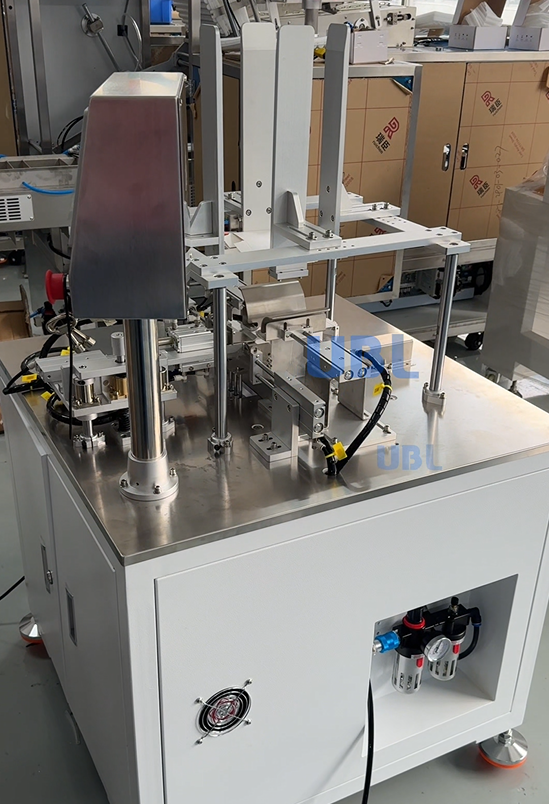
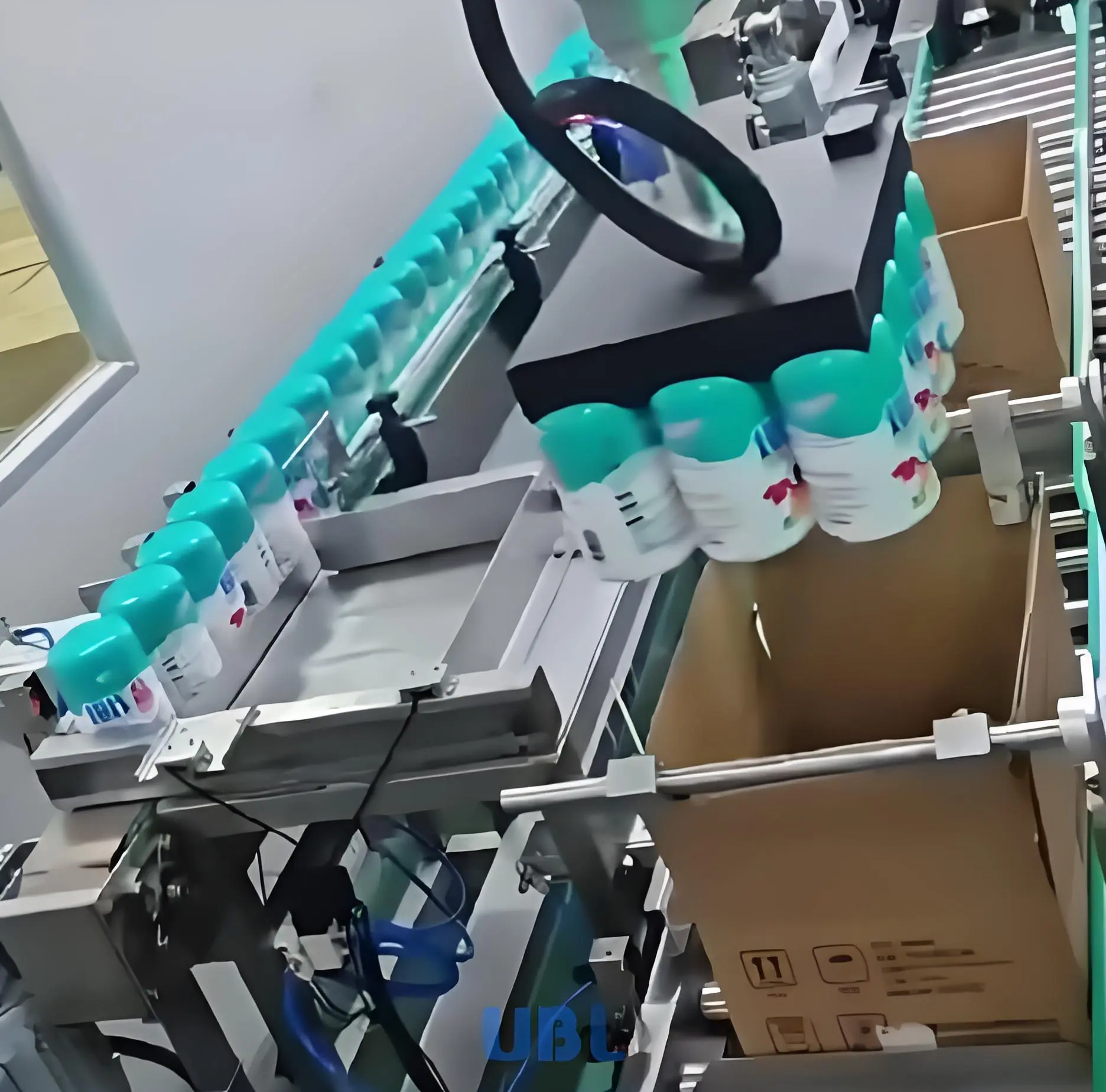
Click to watch UBL tuck end box folding machine in action
Automation Compatibility: Key Differences on the Line
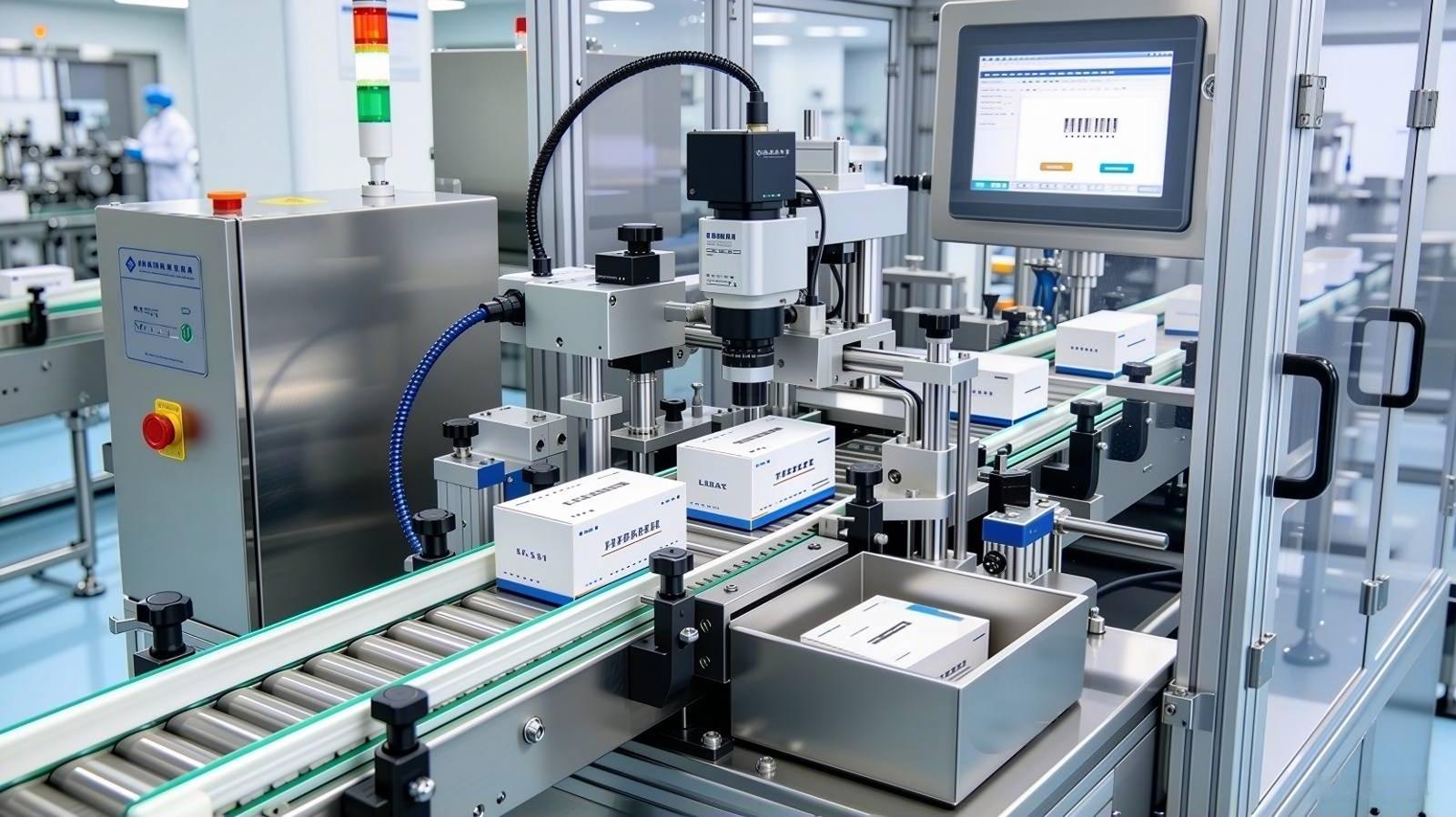
Both box types run on automated carton erectors—but not the same machine. A tuck end erector and a snap lock bottom erector use fundamentally different folding mechanisms.
Tuck End Erector
The machine needs to fold and insert two tabs (top and bottom) into their respective slots without tearing the tab or misaligning the insertion. UBL’s tuck end erectors support both STE and RTE configurations—switchable without tools, since the tab direction is the only mechanical difference. Throughput: up to 80 cartons/minute for standard sizes.
Snap Lock Bottom Erector
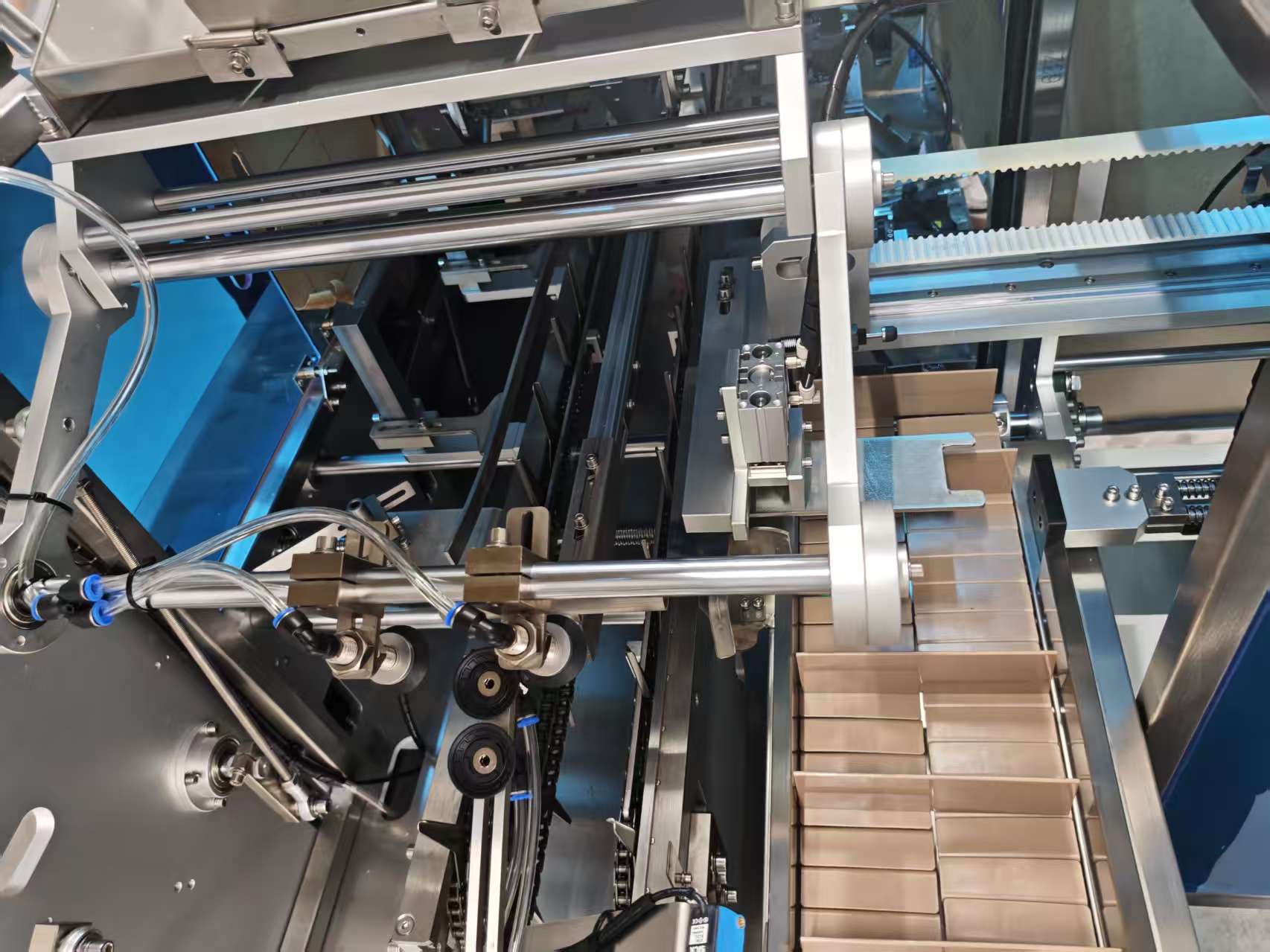
The machine must execute the four-step interlock sequence precisely—each of the four base flaps in correct order, with ±0.1mm alignment tolerance. The benefit is that once locked, the box is mechanically stable and requires no verification of “is the tab seated?” Throughput: 1,500–2,400 pcs/hour (25–40/min) for standard sizes. For a closer look at how the folding sequence works and what it means for your production line, see our full guide on snap lock bottom box automation.
Can One Machine Do Both?
No. Tuck end erectors and snap lock bottom erectors are different machines for different folding patterns. If you produce both box types, you need two machines—or a production schedule that separates runs by box type.
Within each type, however, size flexibility is high. UBL’s erectors accommodate a range of dimensions and switch between sizes of the same box type in approximately 10 minutes, using stored parameters rather than manual recalibration.
Cost Considerations: Total Cost, Not Just Carton Price
A common mistake is evaluating box type purely on carton unit cost. Snap lock bottom blanks cost slightly more than tuck end blanks due to their more complex die-cut structure. But the total cost comparison needs to include:
| Cost Factor | Tuck End | Snap Lock Bottom |
|---|---|---|
| Blank material cost | Lower | Slightly higher |
| Manual assembly labor | Lower per box (simpler fold) | Higher per box (4-step lock) |
| Damage rate in transit (heavy products) | Higher risk of base failure | Lower — base locked under product weight |
| Return rate from base blowout | Real risk for products > 400g | Near zero with correct board spec |
| Automation ROI | High — machine handles fast, simple fold | Very high — manual snap lock is slow; machine ROI is faster |
The ROI case for automating snap lock bottom folding is actually stronger than for tuck end, precisely because manual snap lock assembly is slower and more error-prone. A worker can hand-fold a tuck end box in a few seconds. A snap lock bottom by hand takes longer, and under peak-season pressure with temporary workers, error rates rise sharply. That’s where the cost of product damage and rework makes the machine payback calculation very clear.
Which Type Do You Have? A Quick Decision Guide
If you’re still deciding on box structure, here are the questions that matter:
| Your Situation | Recommended Box Type |
|---|---|
| Product weight under 300–400g, retail shelf display is key | Tuck End (STE for aesthetics, RTE for speed) |
| Product weight over 500g, or multiple units per carton | Snap Lock Bottom |
| Product in glass or rigid container with point load | Snap Lock Bottom |
| High-volume, low-cost commodity packaging | Reverse Tuck End (RTE) |
| Premium cosmetics or gift packaging with full display face | Straight Tuck End (STE) |
| Mix of heavy and light products across SKUs | Two separate machines, one per box type |
If you already know your box type, the machine selection follows directly from it. UBL manufactures dedicated erectors for both tuck end and snap lock bottom configurations. The right machine for your line depends on your current box structure—not the other way around.
How UBL Handles Both Box Types
We don’t advise customers on which box style to use—that decision belongs to your packaging designer, structural engineer, and brand team. What we do is match the machine to the box you’ve already chosen.
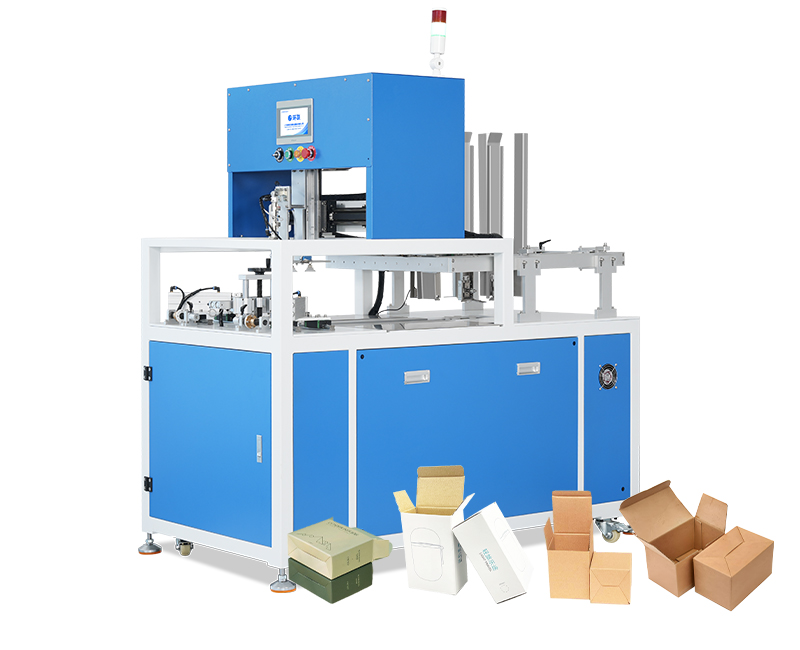
- Tuck end carton erector — Handles STE and RTE, up to 80 cartons/minute. Compatible with standard retail carton sizes used in cosmetics, pharma, electronics, and food.
- Snap lock bottom carton erector — Handles auto-lock and 1-2-3 bottom styles, 1,500–2,400 pcs/hour. Suited to heavier products, FMCG, hardware, and multi-unit packs.
Both machine types support size changeover within the same box style in approximately 10 minutes, and both connect to downstream cartoning machines for loading and top-seal operations. See the full carton folding machine lineup for detailed specifications on each model.
If you have a sample blank you’d like us to test, send it to us and we’ll run it on the appropriate machine and send you the video. That’s the fastest way to confirm fit before making any equipment decision.
If you’re still deciding which machine type fits your production setup, our carton folding machine selection guide covers volume matching, semi-auto vs. full automation, and technical spec checklists.
Email: helen@huanlianauto.com
Summary
Tuck end boxes and snap lock bottom boxes are both widely used folding carton styles, but they serve different purposes. Tuck end boxes are faster to fold, lower in material cost, and better suited for lighter products where retail presentation matters. Snap lock bottom boxes carry heavier loads, have a stronger base structure, and deliver a significantly better ROI from automation because manual assembly is inherently slower and more error-prone.
The practical rule: if your product is under 400g and display is important, tuck end. If it’s heavier, glass-bottled, or shipped in bulk, snap lock bottom. Either way, UBL has the erector for it—and you can confirm the fit by sending us your blank before committing to equipment.

5 responses