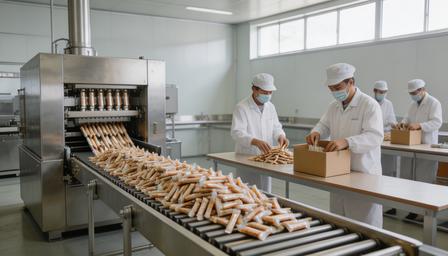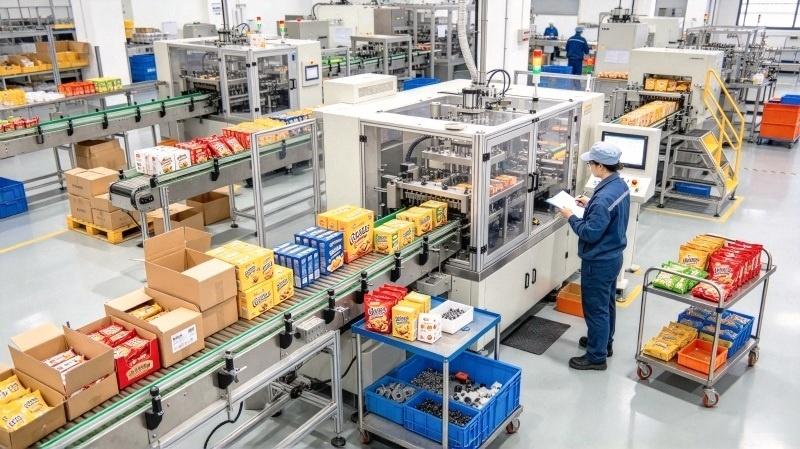
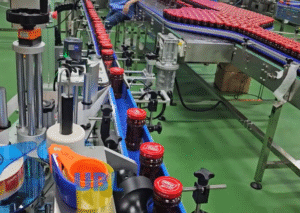
If you run a beverage plant, you probably already know the feeling. The filling line hums along fine, the bottles stack up on the conveyor, and then everything slows to a crawl at the packing station. A beverage cartoning machine fixes exactly that. It takes sealed bottles, cans, or pouches and loads them into retail cartons automatically, so you stop relying on a crew of people to do the same job by hand. And in a market where North America alone accounts for nearly 40 percent of the global packaging machinery demand, staying manual is not really a strategy anymore.
This guide walks you through what a beverage cartoning machine does, how to pick the right one for glass bottles versus cans versus pouches, what it costs to run one, and what to watch out for before you buy. If you are sizing up your options, this is the article to read first.
What a Beverage Cartoning Machine Actually Does
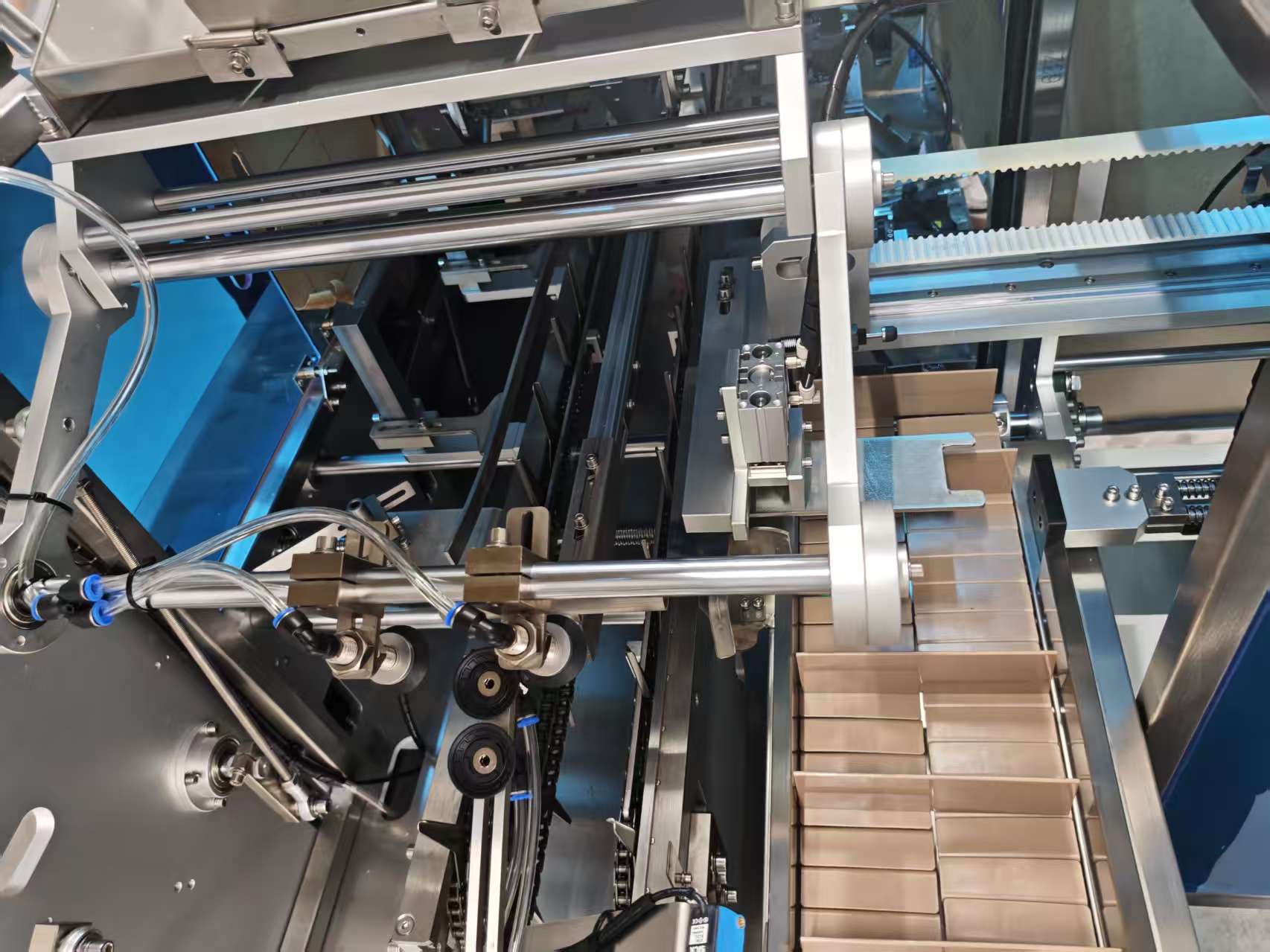
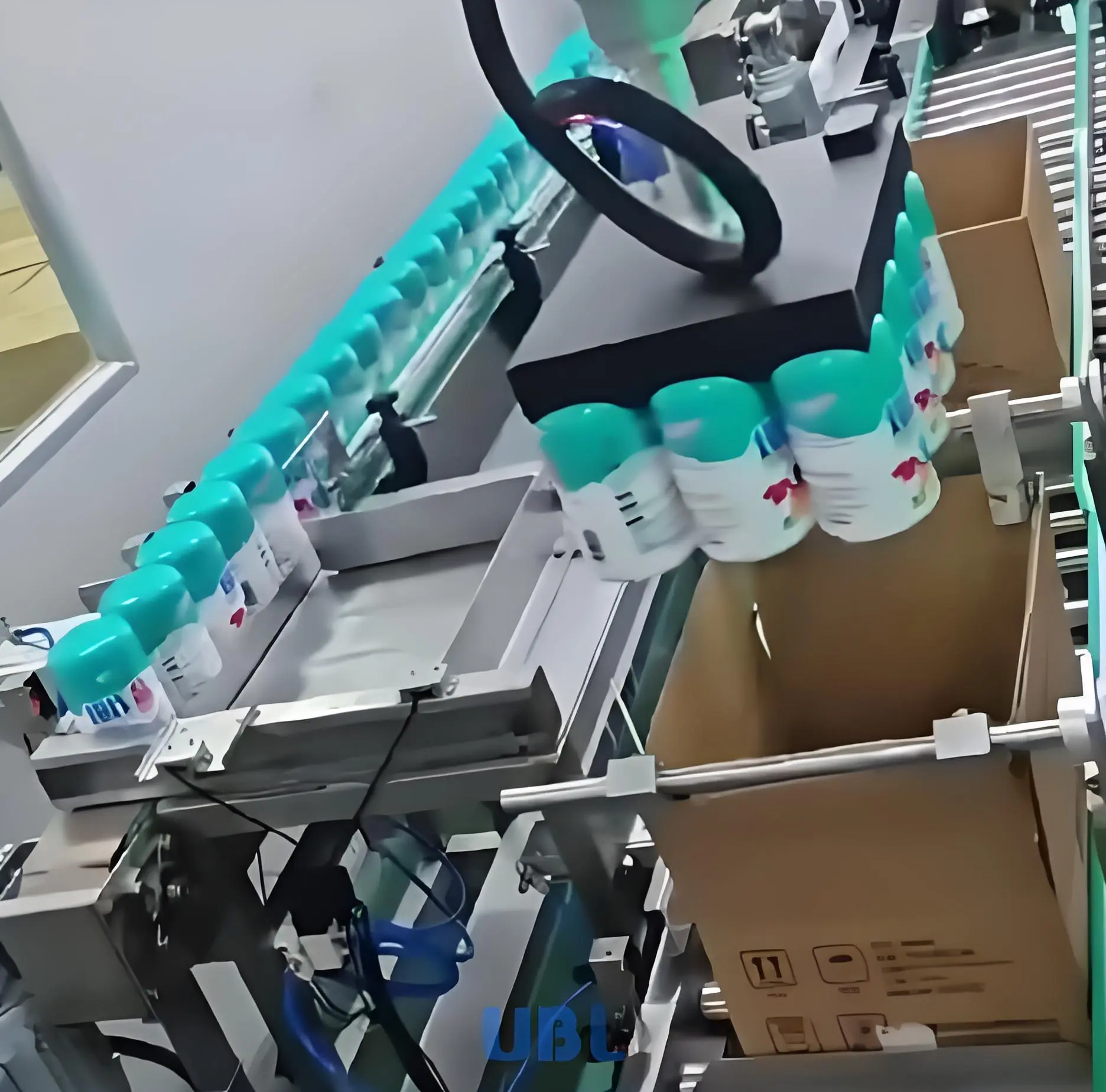
A beverage cartoning machine performs three steps in one smooth cycle. It erects a flat carton blank into a box, loads the bottles or cans into that box, then closes and seals the carton. That is the whole job, and it replaces the work of four to six people at a typical packing station.
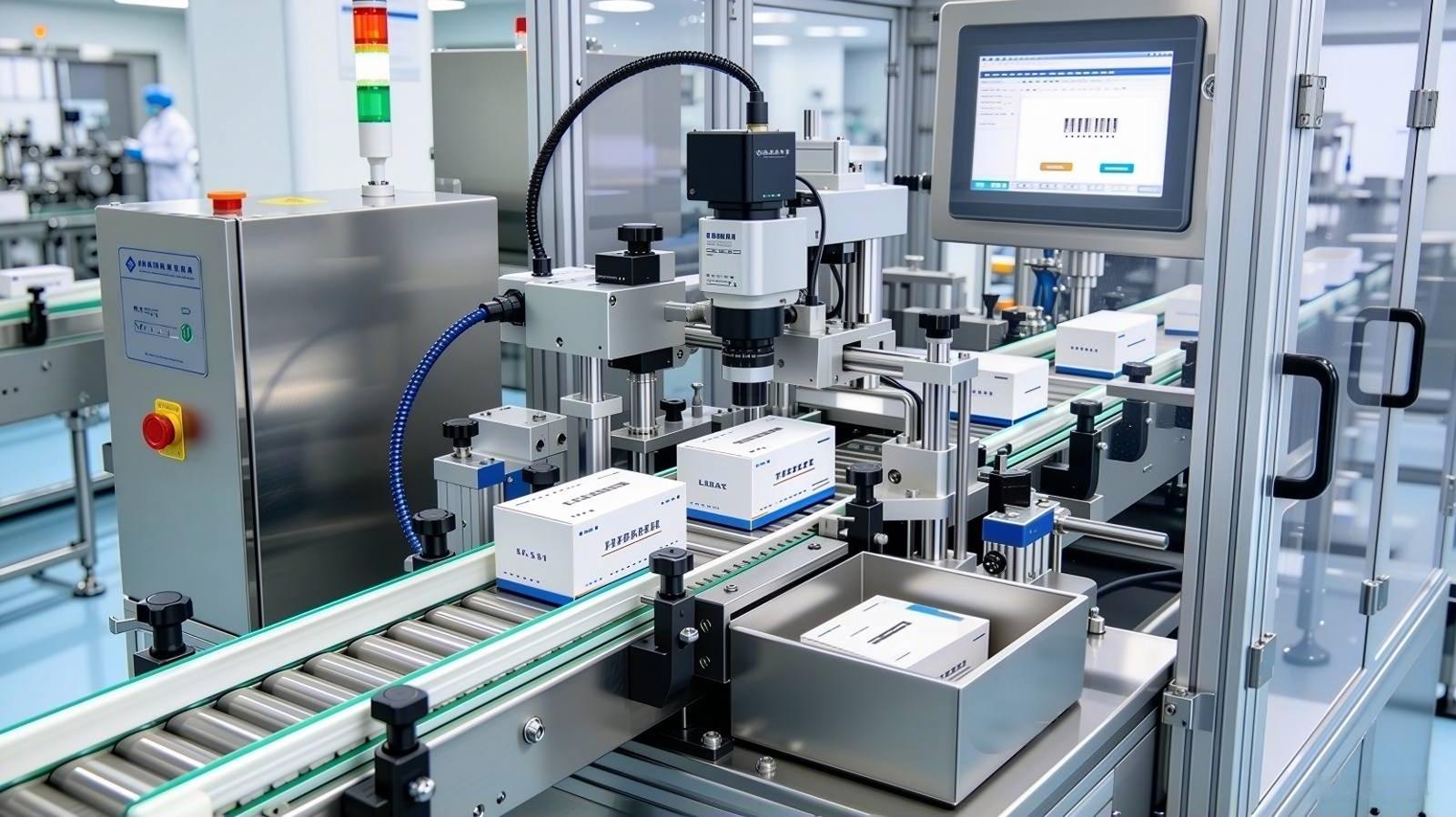
The machine pulls a blank from the magazine, folds it into shape, and holds it open while a pusher moves the product in. Once the carton is full, the machine tucks the end flaps or applies hot-melt glue, depending on the carton style you use. The finished box drops onto the outfeed conveyor and heads toward case packing and palletizing. The operator just keeps the infeed full and watches the HMI.
That flow sounds simple, but the details matter a lot. Glass bottles need gentle handling. Cans need precise lane spacing. Pouched drinks need a completely different infeed. A beverage cartoning machine is not one generic box; it is a family of configurations, and the one that fits your line depends on what you actually pack. The UBL cartoning machine product series covers the main configurations, and the right starting point is always your bottle geometry and carton format.
Why Beverage Bottles and Cans Need Specialized Cartoning
Beverages are not like snack bars or hardware parts. They are heavy, slippery, and often fragile. A carton full of glass beer bottles handles completely differently from a carton full of cereal boxes, and the machine that packs them needs to reflect that.
Glass bottles are the trickiest case. They have a low center of gravity when empty, but filled bottles are top-heavy and prone to tipping during fast conveyor movement. The infeed lanes need to keep them upright, and the pusher needs to accelerate smoothly so the bottles do not topple into each other. UBL configures the pusher speed and acceleration profile for each bottle type during the sample trial, so the machine does not just throw the product into the box and hope for the best.
Cans are easier in some ways and harder in others. They are lighter and more stable, but they dent easily, and the graphic on the can is part of the brand. A beverage cartoning machine that handles cans usually uses a lane-based infeed with soft-touch stops, and it positions the cans so the printed face lands the right way in the carton. That matters more than most people expect, because a carton with a window panel or a cutout shows the can face directly to the shopper.
Pouched drinks add another wrinkle. Flexible pouches change shape as they settle, so the infeed has to accept a range of thicknesses. UBL offers a pouch infeed configuration with adjustable guides for exactly this situation.
If you are also planning the full line, the beverage cartoning machine does not work alone. It needs to connect to your filler upstream and to your case packer downstream. Getting those interfaces right is where most projects succeed or fail.
Carton Formats for Beverage Packaging
The carton you use shapes the machine you need. Most beverage brands run one of three formats.
Tuck-end cartons are the most common for retail beverages. They close by folding flaps into the box, no glue needed. A beverage cartoning machine configured for tuck-end runs fast and changes over quickly between SKUs, which is handy when you pack multiple sizes on one line. The tradeoff is that tuck-end boxes are not tamper-evident, so they suit dry shelf-stable products more than premium or high-security lines.
Glue-sealed cartons are the standard when tamper evidence matters. The machine applies a hot-melt adhesive bead and presses the flap down, so the box cannot be opened and re-closed without visible damage. Premium spirits, high-end juice, and export products often use this format. The tradeoff is a slightly slower cycle because the glue needs a moment to set.
Snap-lock bottom cartons are a good middle ground. The bottom locks mechanically, which means the machine does not need glue on the base, and the top can be either tuck-end or glue-sealed. This is popular for heavier multi-pack beverages where the bottom needs to carry real weight. For a deeper comparison of box styles, check the tuck-end vs snap-lock bottom format guide.
Matching the Machine to Your Beverage Product
Not every beverage packs the same way, and the right beverage cartoning machine for one plant can be the wrong one for another. Here is how the main product types line up.
Glass Bottles and Jars
Glass bottles need the gentlest handling. Look for a cartoning machine with adjustable pusher speed, soft-start acceleration, and lane guides that match the bottle footprint exactly. If you pack multiple bottle sizes, make sure the changeover does not require tools and that the HMI stores the settings for each SKU. A 330-milliliter beer bottle and a 750-milliliter wine bottle need different lane widths, different pusher depths, and different carton dimensions. UBL machines store up to 50 SKU recipes, so switching between them takes minutes instead of hours. The same bottle and jar handling carries into adjacent categories, and our guide to gummy and supplement cartoning covers bottles, jars and stick packs.
Cans and Cans in Multi-Packs
Cans pack fast, but they need count accuracy and gentle stops. A lane-based infeed counts the cans as they enter, groups the right number per carton, and loads them without banging them together. If your cans already sit in a plastic ring or shrink-wrapped tray, the machine just pushes the whole unit in, which is simpler and even faster.
PET Bottles and Lightweight Plastic
PET bottles are light but flexible, and they can squeeze out of shape if the pusher is too aggressive. The beverage cartoning machine handles this with a wider pusher face that spreads the force across the bottle body instead of jamming into a single point. This is a small detail that saves a lot of damaged product.
Pouches and Sachets
Pouches need an adjustable infeed because the fill level changes their thickness. A pouch infeed with guide rails that close in on the product works well, and the machine should tolerate the natural variation between pouches without jamming.
Whatever your product, the fastest way to confirm the fit is a sample trial. Send UBL your bottles, cartons, and line speed target, and the team runs a test cycle with video documentation. That is the same process the food packaging cartoning machine guide recommends, and it is free.
Speed, Throughput, and Line Balance
Speed is the number everyone asks about first, but it is rarely the number that decides whether a beverage cartoning machine works for you. The machine needs to match your upstream filling speed, not exceed it. A cartoner that runs 60 boxes a minute does you no good if your filler only delivers 30.
Here is a simple way to think about it. Take your target daily output, divide by your productive hours per shift, and divide again by your number of shifts. That gives you the sustained boxes-per-minute you actually need. Most beverage plants find that 30 to 50 cartons per minute covers their current demand with room to grow. UBL machines run from 30 up to 120 cartons per minute depending on configuration, so there is usually a sweet spot that matches the line without overspending.
Line balance matters just as much as raw speed. The cartoning machine sits between your filler and your case packer, and all three need to run at the same pace. If the cartoner is faster than the case packer, boxes pile up at the transfer point. If it is slower, the filler has to pause. UBL maps the whole line during the pre-sale review and configures the buffer conveyors so the flow stays even. For the complete picture of what happens after cartoning, the end-of-line packaging guide walks through case packing and palletizing in detail.
What a Beverage Cartoning Machine Costs and How Fast It Pays Back
Pricing for a beverage cartoning machine depends on speed, carton format, and how much integration you need. A standard tuck-end machine for one or two bottle sizes sits at the lower end. A glue-seal machine with multi-size changeover and infeed automation sits higher. Instead of chasing a price list, it makes more sense to start with the ROI, because the numbers usually decide the project anyway.
Picture a beverage plant running a manual packing station with five people per shift across two shifts. That is ten people whose only job is folding boxes, loading bottles, and closing flaps. At a conservative ,000 per worker including benefits, that is ,000 a year just for the packing station. A beverage cartoning machine replaces most of that with one or two operators, which means the annual saving lands somewhere between ,000 and ,000. The payback typically lands between 10 and 16 months, and on a three-shift line it can be faster.
There are also savings that do not show up on the payroll line. Manual packing damages bottles. Every broken bottle in the carton is lost product, cleanup time, and a possible retail complaint. The machine applies the same handling force every cycle, so bottle damage drops sharply. Consistent carton quality also reduces returns, because retail buyers reject shipments with crooked flaps or damaged boxes. When you add those up, the machine usually pays for itself even faster than the labor math suggests. The cartoning machine cost guide breaks down these numbers in more detail.
Why Beverage Packaging Demand Is Growing
The packaging machinery market is not standing still. According to Precedence Research, the global packaging machinery market was worth about .4 billion in 2025 and is projected to reach roughly billion by 2035, growing at around 4.6 percent a year. North America holds the biggest share at about 39 percent, and beverage is consistently one of the largest end-user segments behind food.
That growth is not just macro numbers. Craft beverage producers keep launching new SKUs, and each one needs its own carton size. Big brands keep moving toward smaller, more frequent production runs to serve different retail channels. Both trends push the same outcome: beverage plants need cartoning equipment that changes over fast and runs different formats without long pauses. A beverage cartoning machine with recipe-based changeover is built for exactly that.
Common Questions About Beverage Cartoning Machines
Can one machine handle glass bottles and cans?
Yes, with the right infeed. The lanes, pusher, and guides change for each product, and the HMI stores the settings. Changeover between formats typically takes 10 to 20 minutes.
Does the machine damage glass bottles?
No, when it is set up correctly. The pusher speed and acceleration are tuned to the bottle weight and shape during the sample trial. UBL also uses wider pusher faces on glass lines to spread the contact force.
Can it run multiple carton sizes on the same line?
Yes. The forming and closing modules adjust to different dimensions, and the HMI recalls the settings for each SKU. Changeover is usually under 10 minutes for sizes within the same box style.
Do I need a case packer too?
Not necessarily, but most beverage plants add one once they automate cartoning, because the manual case-packing step becomes the next bottleneck. UBL can quote both machines together as a complete line.
How long does installation take?
Installation and commissioning for a beverage cartoning machine typically take one to two days. Operator training is included and takes about two hours.
How to Start Your Beverage Cartoning Project
Start with a sample trial. Send UBL your bottles or cans, your carton blanks, and your line speed target. The team runs a test on the relevant beverage cartoning machine configuration and sends you video of the cycle, including carton closing quality and any format adjustments needed. There is no cost, and you do not commit to anything by testing.
Standard configurations ship within one business day of contract signing. Custom configurations for unusual bottle shapes or special carton formats usually ship within three months. Installation, commissioning, on-site operator training, and a one-year warranty are all included in the purchase price.
To talk through your bottle size, carton format, and output target, email the UBL team at helen@huanlianauto.com or visit ublpackaging.com.
Hygiene, Cleaning, and Food-Safe Design
Beverage plants sit under food-safety scrutiny, and the equipment needs to keep up. A beverage cartoning machine handles sealed bottles, cans, or pouches, so it does not touch the drink itself. That removes the hardest food-contact requirements. But the machine still lives in a production environment where sticky spills, condensation, and cleaning chemicals are part of daily life, so build quality matters.
UBL builds its cartoning machines with stainless-steel frames as standard. That choice is not cosmetic. Stainless resists corrosion from beverage residue, survives regular washdowns, and keeps the machine looking and running like new for years. Painted mild-steel frames rust when they sit in a humid filling hall, and rust eventually works its way into moving parts. For a beverage cartoning machine that runs two shifts a day, the material difference shows up fast.
There is also a design detail that most buyers miss until it becomes a problem: access for cleaning. The blank magazine, infeed lanes, and closing modules should open up easily so your crew can wipe down the machine between runs. UBL keeps the surfaces smooth and the access points practical, so a quick clean does not turn into a half-day teardown.
Changeover and Multi-SKU Beverage Lines
If you pack several brands, sizes, or flavors on one line, changeover time is your real bottleneck. Every minute the machine sits still changing over is a minute you are not producing. The old-school approach was to stop, swap mechanical parts, measure clearances by hand, and slowly creep up to speed. That is a full shift of lost production when you do it several times a week.
A modern beverage cartoning machine changes over through the HMI. The operator selects the next SKU, and the machine recalls the infeed width, pusher depth, carton dimensions, and glue settings. The operator confirms the position with handwheels, and the machine is ready to run. For dimension changes within the same box style, that takes under 10 minutes. For a completely different carton format, it takes longer, but still nowhere near the manual approach.
If you run a high-mix operation, pay attention to how many recipes the machine stores. UBL machines hold up to 50 SKU settings, which covers most beverage lines comfortably. The recipe system also helps new operators, because they do not need to remember every dimension for every product. They just pick the name from the screen.
Beverage Types That Benefit Most
Some beverage segments get more out of a beverage cartoning machine than others, but the list is long. Beer and hard seltzer plants use it for glass bottles and cans, often with glue-seal cartons for export. Wine and spirits use it for heavier bottles, where the snap-lock bottom format handles the weight. Juice and soft drinks use it for PET and cans, with tuck-end cartons for retail shelves. Energy drinks run high volume, so they lean on the faster cartoning configurations. Ready-to-drink coffee and tea, flavored waters, and even shelf-stable dairy alternatives all follow the same pattern: sealed primary packaging in, retail carton out.
The common thread is that the drink is already sealed before it reaches the cartoner. That means the machine performs secondary packaging, which keeps food-safety validation simple. If your product arrives at the cartoning station in a sealed bottle, can, or pouch, a beverage cartoning machine can almost certainly handle it. The sample trial is the fastest way to confirm.
Maintenance and Support After Installation
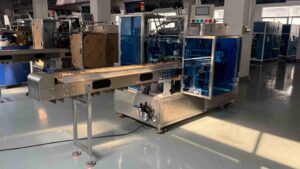
A beverage cartoning machine is built to run, but it still needs routine care. The basics are lubrication of moving parts, belt tension checks, blank magazine cleaning, and glue system maintenance on glue-seal models. None of that is complicated, and the two-hour operator training that comes with installation covers all of it.
UBL also offers remote support with a four-hour response time for issues that on-site troubleshooting cannot solve. That matters when your line is down and every hour costs money. The one-year warranty covers parts and service, and for plants that want extra protection, UBL can arrange preventive maintenance visits on a schedule that fits your production calendar.
How to Know You Are Ready for a Beverage Cartoning Machine
There is a practical test for whether you should invest now. Count the people on your packing line and what they do all day. If you have four or more people folding boxes and loading bottles by hand, and if your plant runs more than one shift, the math almost always points to automation. The same is true if you are turning down orders because you cannot pack fast enough, or if your retail buyers are complaining about inconsistent carton quality.
The other telltale sign is seasonal pressure. Beverage demand spikes in summer, around holidays, and during new product launches. If you hire temporary workers every peak season just to keep the packing line moving, you are paying the manual tax over and over. A beverage cartoning machine flattens that spike, because the machine does not need recruiting, training, or overtime.
Once you decide to move, the process is straightforward. Review your bottle and carton specs with UBL, run a free sample trial, get the line layout and ROI numbers, and place the order. The machine shows up, gets installed, your operators get trained, and within a couple of shifts the line is running on its own. Most beverage plants wish they had done it a season earlier, and the ROI calculation usually proves them right.
To sum it up: a beverage cartoning machine cuts labor, protects your product, speeds up changeover, and makes your line ready for growth. It pays for itself in a little over a year in most plants, and it removes the packing station as the thing that holds your business back. If that sounds like the problem you are living with, the next step is a sample trial. Email helen@huanlianauto.com or head to ublpackaging.com and get the conversation started.