Snap lock bottom load and dieline clauses are where a packaging purchase is won or lost after the money is spent. The machine arrives, the boxes come out, and everything looks right on the supplier’s floor. Then the plant runs its own board, its own product and its own packing pattern, and the bottom of the box starts to give. Not obviously. The box still forms. It just does not hold the load it was supposed to hold.
Nobody can say who owns the failure. The equipment supplier says the board is outside the specification. The board supplier says the machine is beyond its rating. The plant bought a machine and a supply of blanks, and now has a dispute with two counterparties and no clause that settles it.
Here is what that looks like in practice. A plant makes snap lock bottom boxes for small accessories. The boxes come from a converter, the equipment from a machine builder. The machine was quoted for a board range. What that range meant was not written down in measurable terms, so when the converter moved to a heavier board with a different flute, nobody could tell whether the machine was run outside its rating or the board was outside its specification. The bottom lock then pulled open in transit.
The snap lock bottom load and dieline clauses below are the ones that stop that conversation happening three months after the line is running.
What the Forming Section Has to Carry
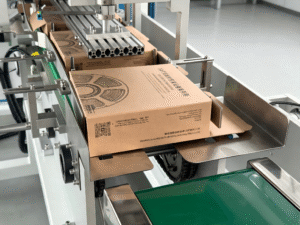
There are two loads, and they fail in two different ways. The first is the forming load, and it is the snap lock bottom forming load the whole order has to settle. The machine takes a flat blank and drives the panels past the fold rails. A score rule is a deliberate weakness in the board, and the machine relies on it: the panel is bent along the rule while the rest of the sheet resists. The board’s ability to take that bend without cracking is what the forming section asks of it.
The second is the fill load, the one people forget to put in a clause because it happens after the machine has finished its job. The closed snap lock bottom has to carry the product, through the panels, into the base, while the box is handled, stacked and shipped. If the bottom was formed on the edge of what the board can do, every kilo of product that goes in afterwards asks the same crease to do more than it was designed for.
A snap lock bottom load and dieline clause has to say both. A rating that covers forming only leaves the fill load unowned, and that is where the failure appears.
| What the clause must fix | What it has to say | How it gets checked | Who it binds |
|---|---|---|---|
| The board the machine is rated for | Board construction and flute the machine forms | Forming samples on the plant’s own board | The equipment supplier |
| The board the machine is not rated for | What happens when material outside the range arrives | A written procedure, and a person named to own it | The plant, by accepting the range |
| The load the formed bottom carries | What the closed bottom holds, and how that is demonstrated | Filled boxes held and handled, not empty ones | Equipment and blank suppliers, jointly |
| The product the box is rated for | Product type, weight distribution and how it sits | The plant’s actual product in the actual box | The plant |
| What happens outside the range | Whether running outside the range voids the warranty | The clause itself, in the order | Both suppliers |
Look at the last column. That is where the forming machine load rating has to be written down. A machine rated for a board range is not a warranty that it will form any board the plant happens to buy. Saying so is uncomfortable, but it is cheaper than discovering it later. The board specification and humidity article on this site covers the material side in detail, and it is worth reading before the order is signed rather than after the first complaint.
The blank before it becomes anything. Board construction and flute decide what the forming section can be asked to do, and they are set before a single box is made.
What the Blank Supplier Actually Promises

The blank supplier is selling a piece of board with a shape cut into it, and the promises around that shape are where the wording gets soft. The material promise is straightforward to write and easy to argue about. The supplier commits to a board construction and a flute, and the plant commits to that specification. What neither side should leave vague is what happens when the board arrives slightly outside it. A converter that changes a paper mill will get a different sheet with the same order code, and that sheet may sit at the edge of the stated range.
The scoring promise is sharper. A score rule is a narrow cut in the board, and the dieline says where it goes and how wide it is. The corrugated score rule tolerance belongs in the dieline supplier commitment, with the method and the measurement, not just the width. If the rule is too wide, the fold does not happen cleanly. If it is too narrow, the board splits along the fold instead of bending. The clause needs to say who measured the rule against which board, and what tolerance was used. That is the part of a snap lock bottom load and dieline clause that gets skipped most often.
And a third thing belongs in the same clause, because it most often causes a bottom to give: the blank arrives flat and stays flat. That is the blank material specification clause, and the tolerance is the converter’s own. A blank that has absorbed moisture in a warehouse does not fold the way a dry one does, and a snap lock bottom is a tight fold that shows that difference first.
| The clause heading | What has to be written | What it settles later | What to ask for as evidence |
|---|---|---|---|
| Board construction and flute | The construction, the flute, and the tolerance around them | Whether a changed sheet is a fault or a variation | The converter’s product sheet, updated when the mill changes |
| Score rule width and position | The rule width, the measurement method, and the tolerance | Whether a cracked fold is a scoring or a material fault | A rule sample on the actual board |
| Moisture at delivery | How the board was stored and its condition on arrival | Whether a folding fault at the plant belongs to the supplier | The storage and transport conditions it was held in |
| Flatness of the blank | That the blank arrives flat, in a stated condition | Whether a warped blank that will not fold is a rejection | A sample from the delivered lot |
| Sample blank with every delivery | That a blank travels with the delivery for checking | Whether the plant can check anything at all | The blank, held back not discarded |
The last row is the practical one, and it is where the snap lock bottom load and dieline clauses stop being useful. A plant cannot test a board it does not have a sample of. The carton folding machine selection guide covers the equipment questions; this is the paperwork that makes those questions answerable, and it is where the snap lock bottom load and dieline clauses earn their keep.
The five things to ask for before a purchase is signed: the blank, the dieline, the measurements, the board specification and the product at the ends of the range. None of them cost anything to request and all of them decide who owns a failure later.
When the Box Fails After Packing, Not During Forming
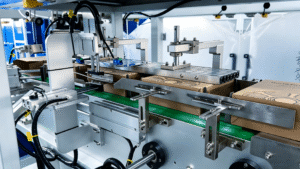
This is the case the clauses usually miss. The machine formed the box. The box passed every check on the forming line. The product went in, the box was closed, and the bottom opened on the truck.
Three things have to be true for that to happen, and each belongs to a different party. The board did not have the strength for the load it was asked to carry. The score was not cut for the board, so the fold was a weak line. Or the product went in in a way that concentrated the load at one point.
The useful clause is not about who pays. It is about where the failure is established. It says what evidence settles it: the box is taken from the failed shipment, the board construction is checked against the specification, the score is measured, and the finding is written down. Without that, every failure is settled by whoever argues hardest.
And the clause should say who holds the failed box and for how long. A box thrown out with the rest of the pallet is a box nobody can examine, and an unexamined failure has no owner.
| Where the failure showed up | What it usually turns out to be | What evidence settles it | Where the clause has to point |
|---|---|---|---|
| Bottom opens in transit or in the warehouse | Board or score at the limit, fill load on top | The failed box, board spec, measured score | The blank spec and forming rating, together |
| Bottom opens when the product is put in | Concentrated load at one point, or a fill load beyond the ask | How the product sits, what it weighs | The plant’s product and fill pattern |
| Side panel creases or splits at the fold | Score rule against board, or a forming load it could not take | The score sample on the delivered board | The score clause and the forming rating |
| Only the boxes from one delivery lot | A material change at the converter, or storage at the plant | The sample blank from that lot, and the storage record | The delivery-sample row and the moisture row |
| Only the boxes at the end of a run | Tool wear, or material that varies through the lot | Boxes pulled at intervals, not just the start | The acceptance test, and who rechecks it |
Read that last row carefully. A fault that only appears after an hour of running is a different fault from one that appears in the first ten minutes. The snap lock bottom against tuck end article covers why the closure style changes what the fold has to do.
Damaged and crushed cardboard boxes after transit. This is what a bottom failure looks like by the time anybody sees it, which is why the failed box has to be kept rather than thrown out with the pallet.
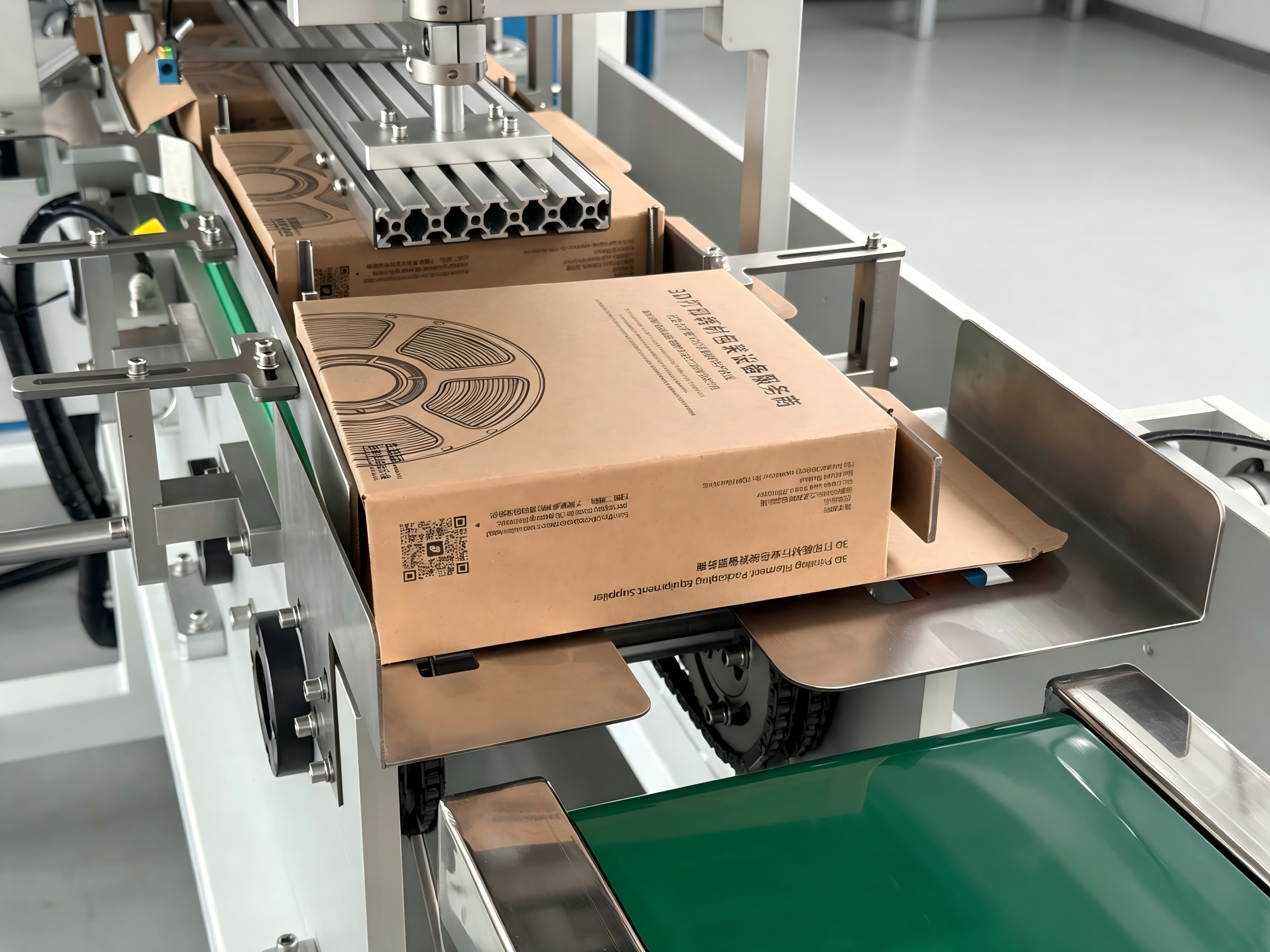
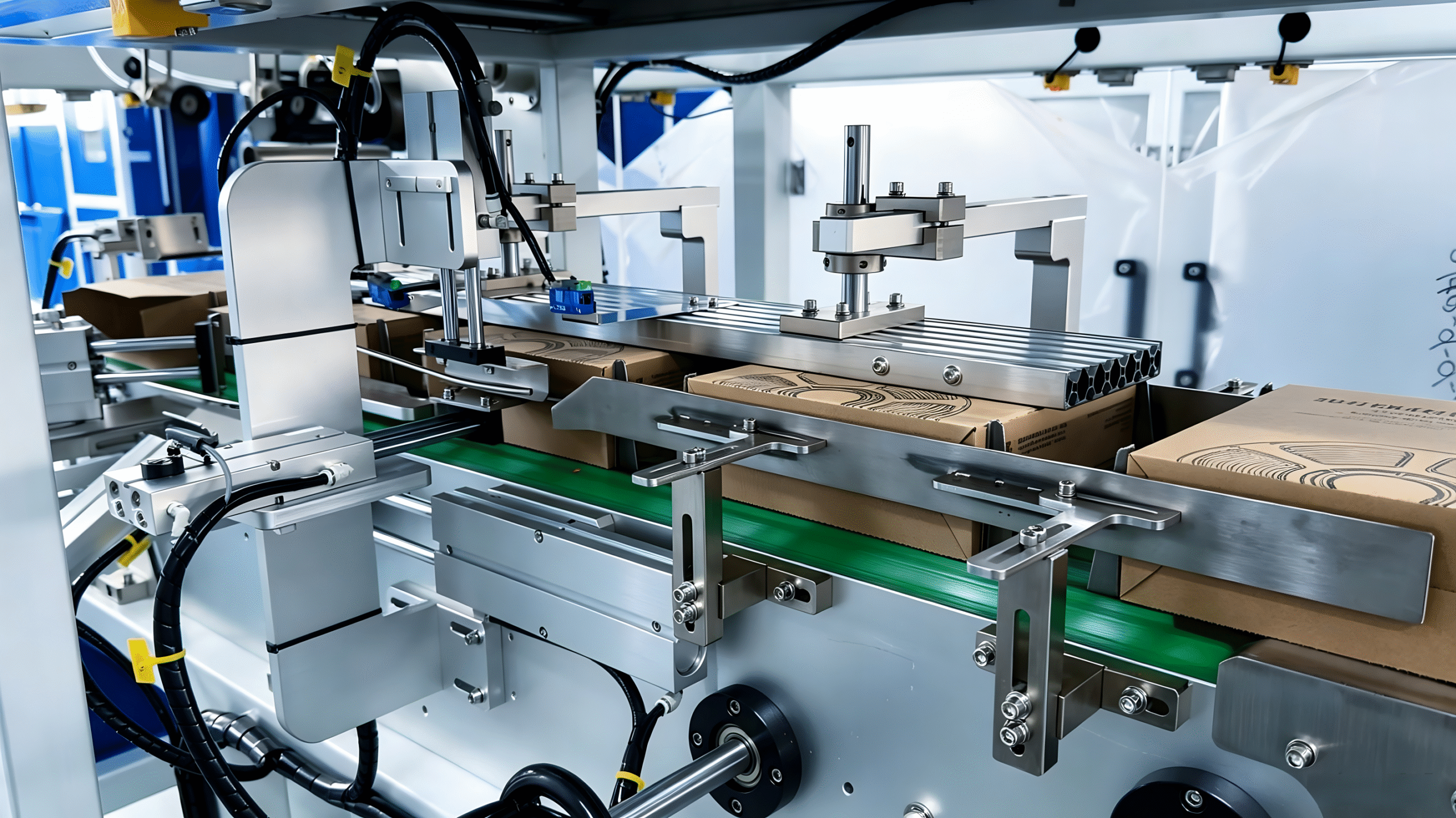
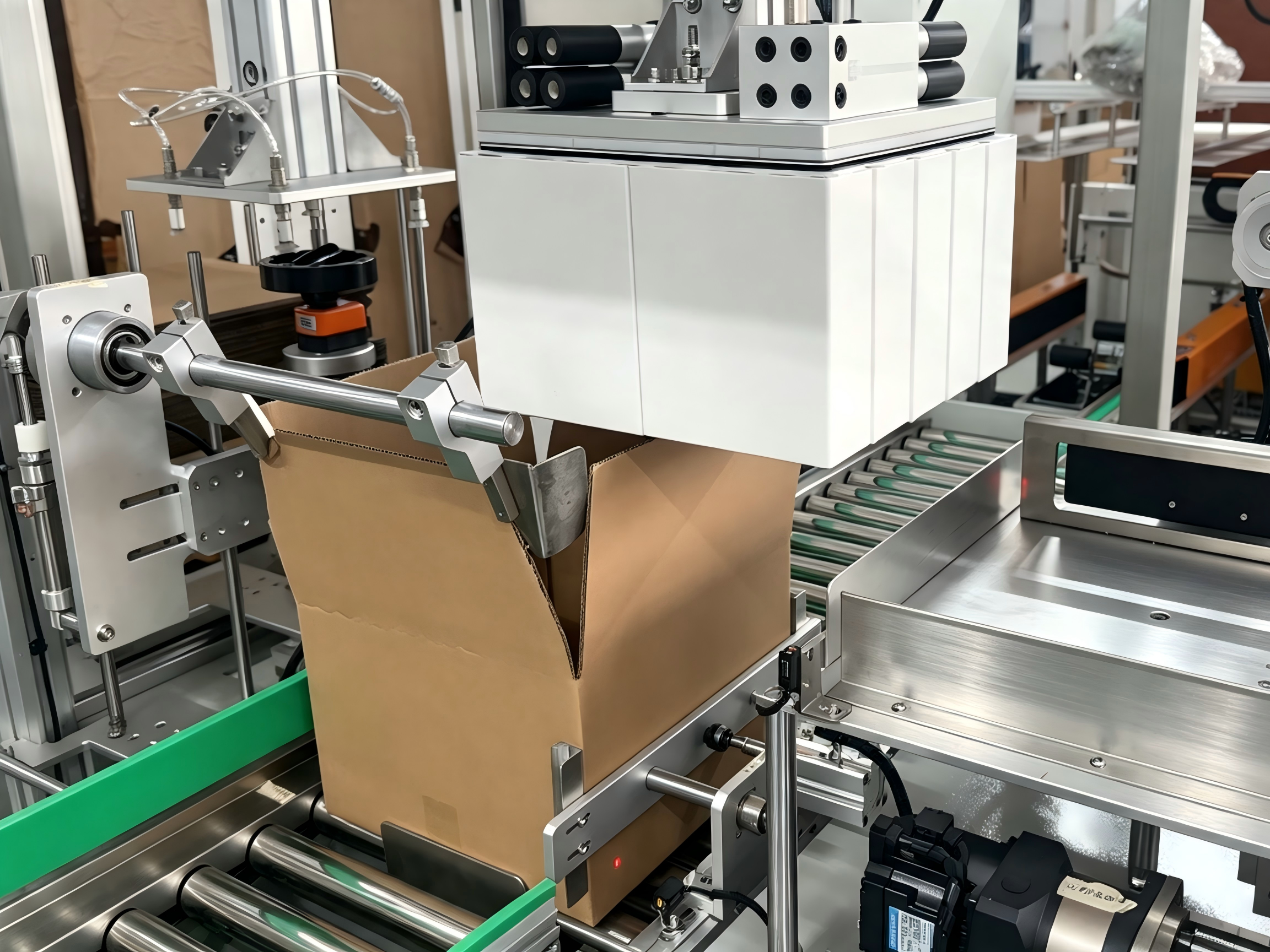
The machine that does the forming. Its rating is what the snap lock bottom load and dieline clauses are written against, and it is a rating that has to name the board it covers.
Splitting the Contract So the Argument Does Not Happen
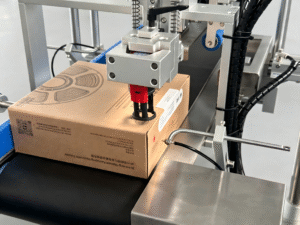
None of this needs to become a legal document. It needs to become three short written attachments to the purchase order, and the order needs to say that they exist.
The first attachment is the rating: the board the machine forms, the load the closed bottom carries, and what happens when material or product falls outside. It is signed by the equipment supplier.
The second attachment is the blank specification: the board construction, flute, score rule, the condition the blank arrives in, and a sample travelling with the delivery. It is signed by the blank supplier.
The third attachment is the joint acceptance. It says the plant runs its own board and its own product, not the supplier’s samples. It is where the box failure after packing responsibility is settled, because it describes the evidence rather than the blame. It says how a box that fails after packing is examined and where it is held. It is the one both suppliers read.
That third attachment is what removes the argument. When the bottom opens on the truck, there is a procedure that was agreed before any of it happened: hold the box, check the board against the specification, measure the score, and write the finding down. The supplier who is right is determined by the clause.
The equipment for this sits in the carton folding machine range, and a supplier quoting that range should be asked which of these three attachments they expect to sign, what their board rating covers, and how they intend a post-packing failure to be examined. A supplier who cannot answer the third question has not thought about it, and the plant will think about it on its own, later, at a cost.
[Send us your board construction, your flute, your score rule and your product weight, and we will tell you what the machine should be rated for, which clauses to write into the order, and how to structure a post-packing failure so it does not become an argument.]
Email: helen@huanlianauto.com
FAQ
What should a snap lock bottom load and dieline clause cover?
Four things. The board construction and flute the machine is rated to form, what happens when material outside that range arrives, the load the closed bottom is expected to carry, and the product the box is rated for. A rating that covers forming alone leaves the fill load unowned.
Who is responsible for the dieline and the material?
The blank supplier is committed to the board construction, flute, score rule and the condition the blank arrives in. The equipment supplier is committed to forming the range it was rated for. Neither commitment covers the other party’s scope, which is why the two need writing separately.
Who is responsible when a box fails after packing?
It depends on which of the three causes it turns out to be, and the point of a clause is to decide that before the failure rather than after. A box that opens in transit is usually board or score at the limit with the fill load on top of it.
Why does the fill load matter more than the forming load?
Because the forming load only bends the board once, while the fill load sits on the same crease for the whole time the box is handled, stacked and shipped. A bottom formed at the limit of what the board can do has nothing left for the product.
What should the plant insist on receiving with every delivery of blanks?
A blank from the lot, held back rather than discarded, and the converter’s own product sheet for the board construction and flute. Without a sample from the lot there is no way to check anything, and every claim about material becomes a matter of memory.