Snap lock bottom types are a family of box bottoms that different people call the same thing and different people mean by different structures.
The order came in with the drawing. The drawing said snap lock bottom. The tooling supplier read it as one structure. The plant had been buying a different structure for years under the same name, calling it a bottom lock box structure. The two had nothing in common.
Nobody was being difficult. The name is what failed, and the snap lock bottom types under it are more different from each other than the name suggests.
The snap lock bottom box article on this site explains how a carton erector folds a snap lock bottom. This one is about the naming itself, because that is where the wrong structure gets cut, and where the snap lock bottom types list has to come from.
What the Name Covers
Four structures get called a snap lock bottom. They share an idea: the bottom closes by the panels folding into each other rather than by a flap being tucked in or a glue line made. They differ in how the panels meet, and that is what the snap lock bottom types list is really about.
| Structure | How the bottom closes | What holds it | What it is usually called |
|---|---|---|---|
| Auto-lock bottom | Two opposite panels fold in, and their flaps lock across each other | The interlock of the two flaps | Snap lock bottom, auto lock bottom, bottom locking box |
| Reverse tuck end bottom | One panel folds in with a tuck flap, the other carries a slot | A tuck tab pushed into a slot | Snap lock bottom, lock bottom, crash lock bottom |
| Auto-bottom carton | The bottom panels fold in and are taped or glued from outside | An adhesive line applied by the closing machine | Snap lock bottom, glued lock bottom, self-locking bottom |
| Crash lock bottom | The same panels as a tuck end, with the tuck going in from the other face | A slot cut in the opposite panel | Crash lock bottom, snap lock bottom |
Why the names overlap
The overlap is not sloppiness. These bottoms do the same job, which is closing a box without a separate closure operation, and in a catalogue photograph they can look alike. What separates them is which panel goes where, and that is invisible from outside a closed box.
This is what makes the box bottom terminology in the trade more confusing than it needs to be. The names are not wrong, they are local. A name that means one structure in one region and another elsewhere is usable within that region. It stops being usable the moment a drawing crosses a border, which is what happens when a plant orders tooling from a supplier who uses a different word.
Which is exactly the problem. A customer sends a photograph of a closed box and a note saying snap lock bottom. The photograph shows a closed box. The note names a family. Neither says which structure is inside.
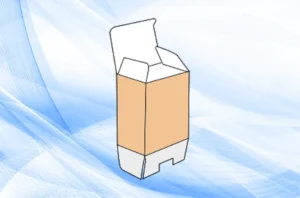
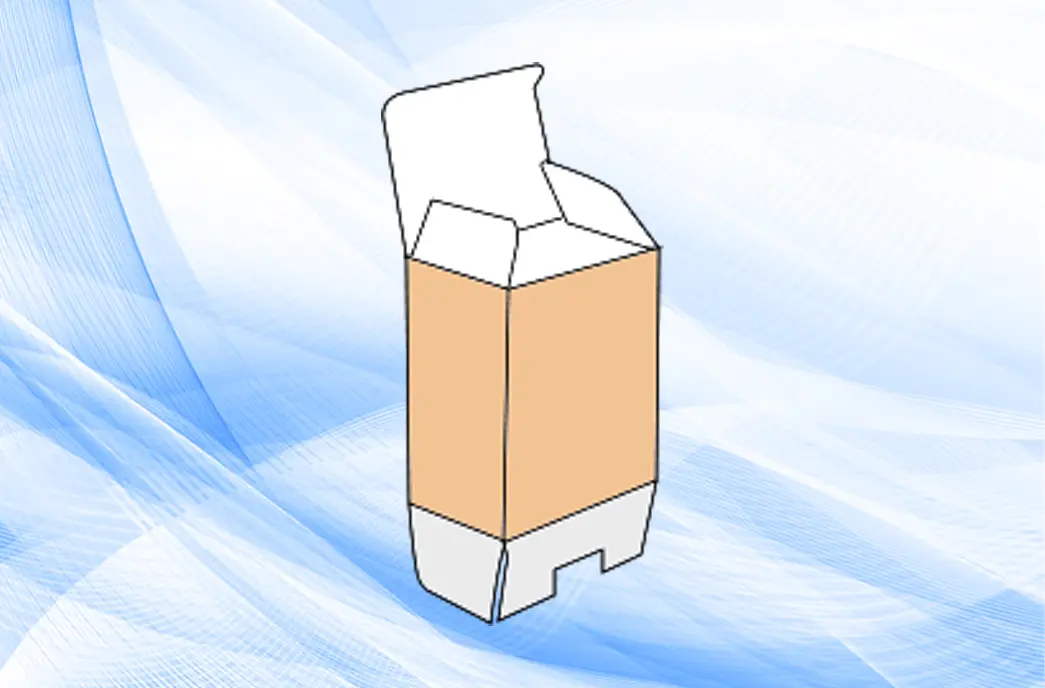
An auto-lock bottom shown on its own. The locking tab at the base of the front panel is the thing that distinguishes this structure from a tuck, and it is only visible when the box is open or the blank is flat.
Telling Them Apart
Three sources of evidence, in the order of how quickly they settle the question. Knowing which one you hold tells you how much more to ask for.
The first is the blank, flat and unfolded. This settles it every time. An auto-lock bottom has two panels that fold in past each other, each carrying a locking flap cut into the free edge. A reverse tuck end box has one panel with a tuck flap and one with a slot. An auto-bottom carton has no locking flap and depends on the closing machine for an adhesive line. A crash lock bottom has a slot and a tuck, but the tuck pushes in from the opposite face.
The second is the dieline, and it says the same thing in a measurable way. How many slots are cut, how many flaps, and whether any interlock.
The third is a photograph, and it is the weakest of the three. A photograph of an open box can separate a tuck from a lock, because a tuck end has a flap that goes into a slot and a lock has two flaps that cross. A photograph of a closed box cannot separate anything, which is why a photograph is where the argument starts.
The lock bottom identification that works from any source is the count of what is cut into the panels. Two flaps that cross and lock is one structure. A tuck and a slot is another. A slot alone is a third. Nothing cut, and an adhesive line instead, is a fourth. If a supplier and a plant disagree, they are looking at different counts.
| What you have in front of you | What it can tell you | What it cannot tell you | What to ask for instead |
|---|---|---|---|
| A flat blank | The structure, definitively | Nothing about the print or the finish | The dieline file |
| The dieline | The structure, the slot count and the flap count | Which die the blank came from | A sample of the actual blank |
| An open box | Whether a flap goes into a slot or two flaps cross | Which face a crash lock folds from | The blank, or the dieline |
| A closed box | Almost nothing about the structure | Everything about the structure | The blank, or the dieline |
| A written description | What the customer believes they are buying | Whether that matches the tooling | A sample and a dieline, both |
The photo test that works
There is one thing you can do with a photograph of an open box that separates most of these from each other. Turn the box over and look at the outside of the bottom panels.
An auto-lock bottom shows a locking tab standing proud on the outside of one panel, crossing over the edge of the other. A reverse tuck end shows a plain slit, because the tuck went inside. A crash lock shows a slit on the opposite face from the one the tuck pushes through. An auto-bottom shows nothing at all on either face, because the closure is a strip of adhesive applied later.
That test separates four structures from a photograph of an open box. It does not separate a lock from a crash lock, because both show something on the outside, and for that one you need the blank. It is as far as a photograph can go, and it is enough to end most of the arguments.
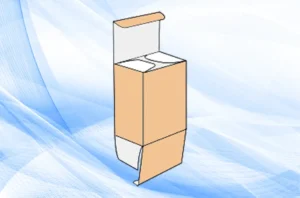
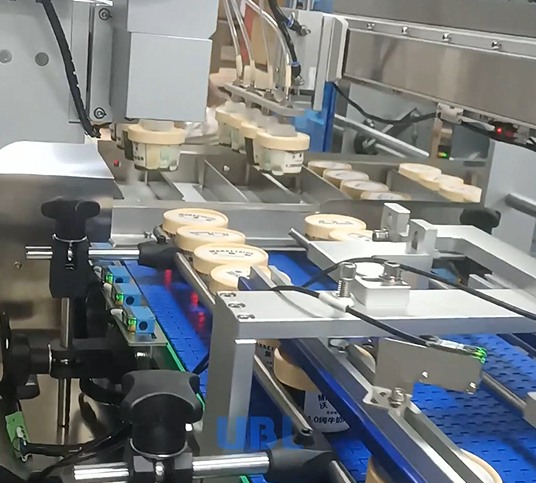
A reverse tuck end. One flap folds down from the back panel into a slot on the front, which is the structure the snap lock bottom name gets confused with most. There is no locking tab and nothing crosses the edge.
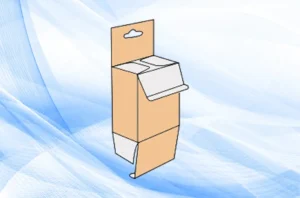
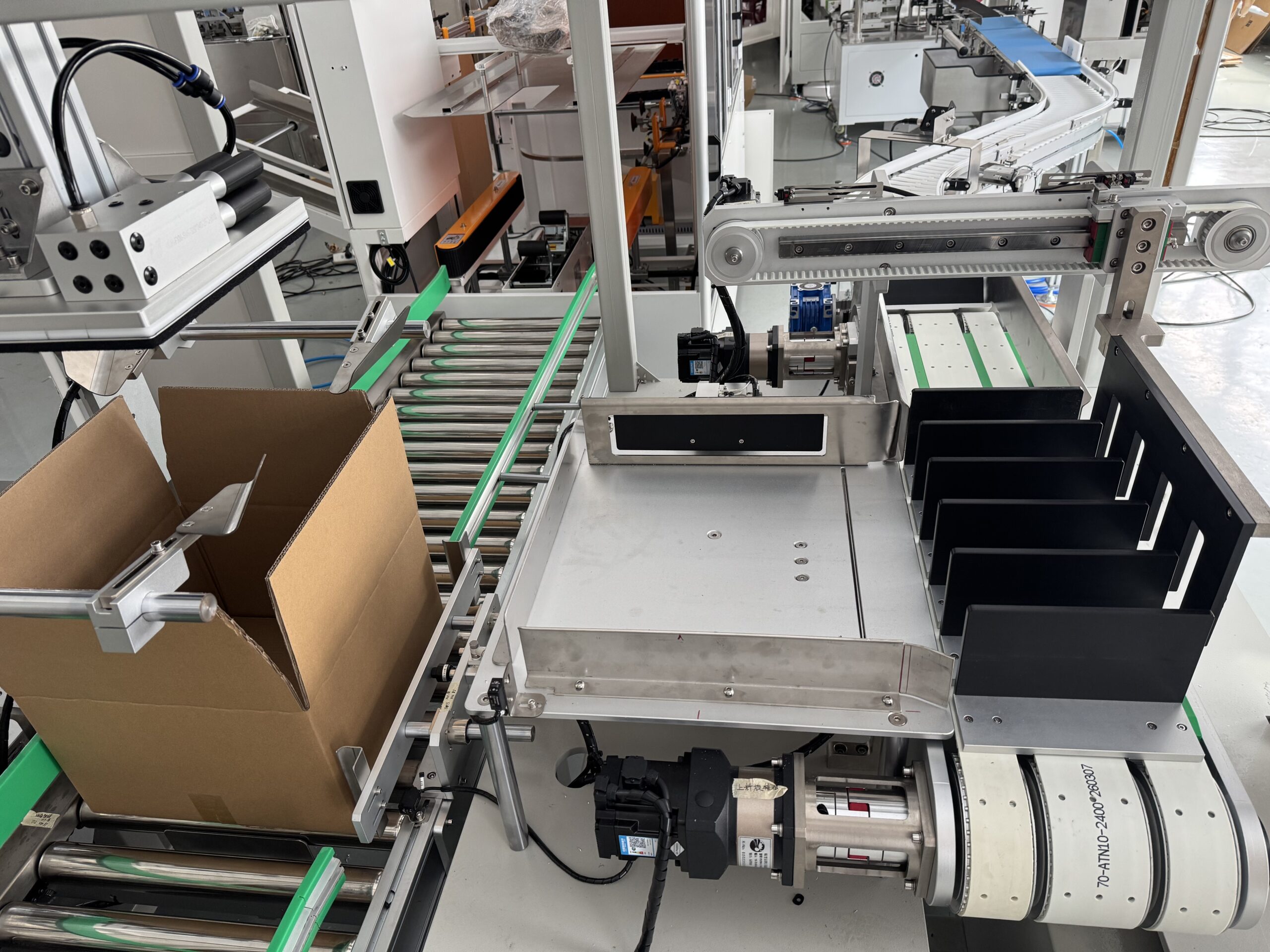
A tuck and tongue structure, where the closure is a tongue rather than a plain flap. It belongs in the family because it is another style that gets a locking name in an order while being something else on the machine.
Why the Name in the Order Is Not a Specification
Because the tooling is cut for one specific bottom. The die is a set of cutting rules arranged in the geometry of one structure. Feed that die a blank for a different structure and the die cuts the wrong shapes, in the wrong places, and the machine has nothing to fold.
This is the practical cost of the vague name. It is a die, a set of tooling, a machine set-up, a trial run and a production batch. The tooling cut for one bottom cannot be argued with afterwards, because the die is cut in metal and does not adapt to the structure it was ordered against.
The tuck end box against snap lock bottom article on this site compares the two styles for product fit and for the line they suit. The bottom-lock type folding machine article covers the machine side. Neither assumes the name in the order is unambiguous, and both would rather have a blank than a name.
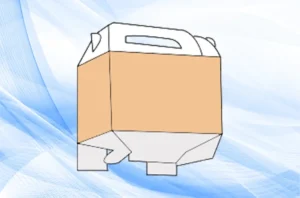
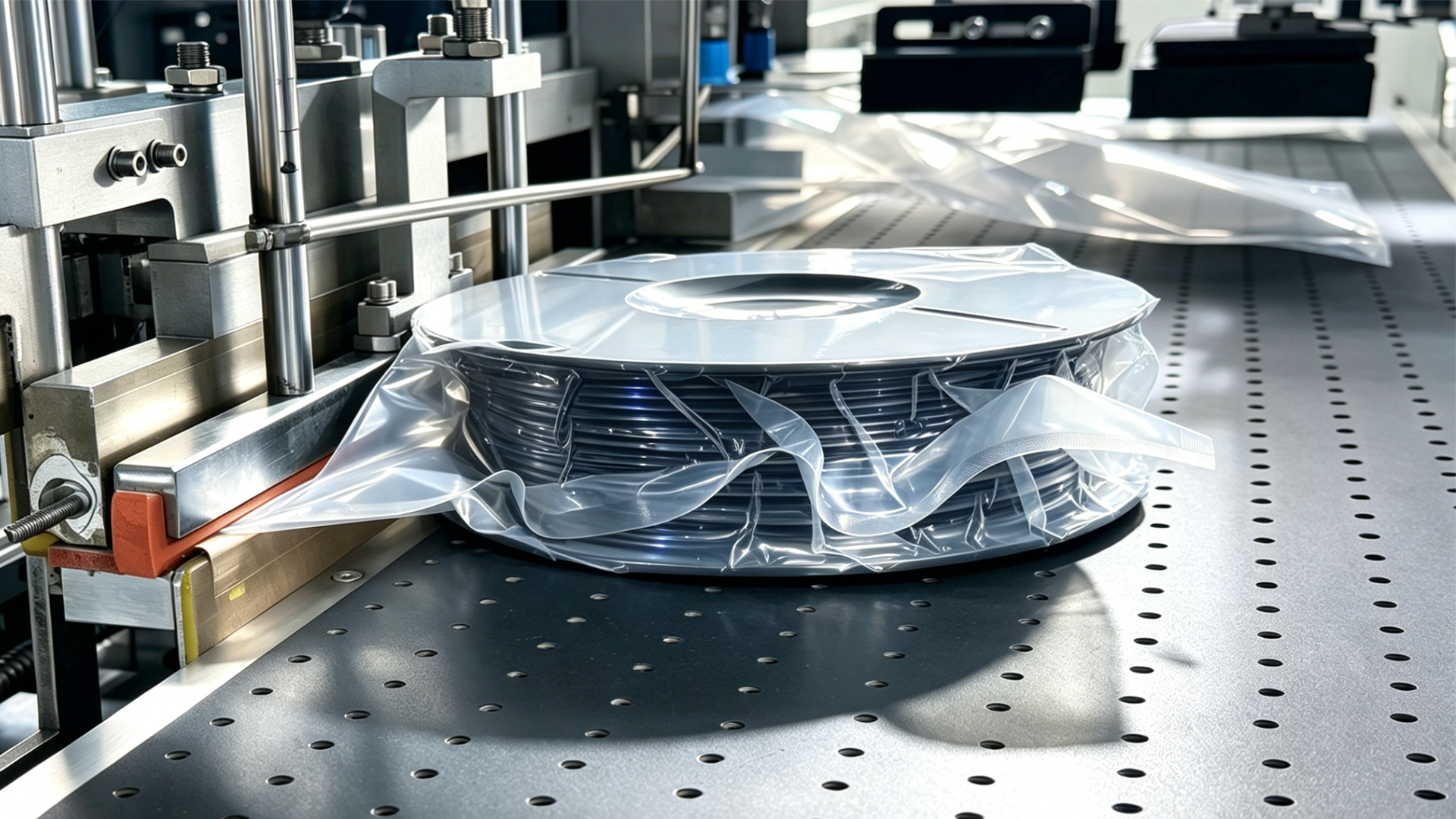
An auto-bottom carton, the member of the family that gets called a snap lock bottom and is closed with an adhesive line rather than with an interlock. The name is used for it in the trade, and it is a different closure with a different machine requirement.
What to Put on the Order Instead
Three lines replace the name. None is long, and together they remove the argument. A reverse tuck end box and an auto-lock bottom box differ in the die alone, which is why the box bottom terminology on the order is worth replacing with something a die cutter can act on.
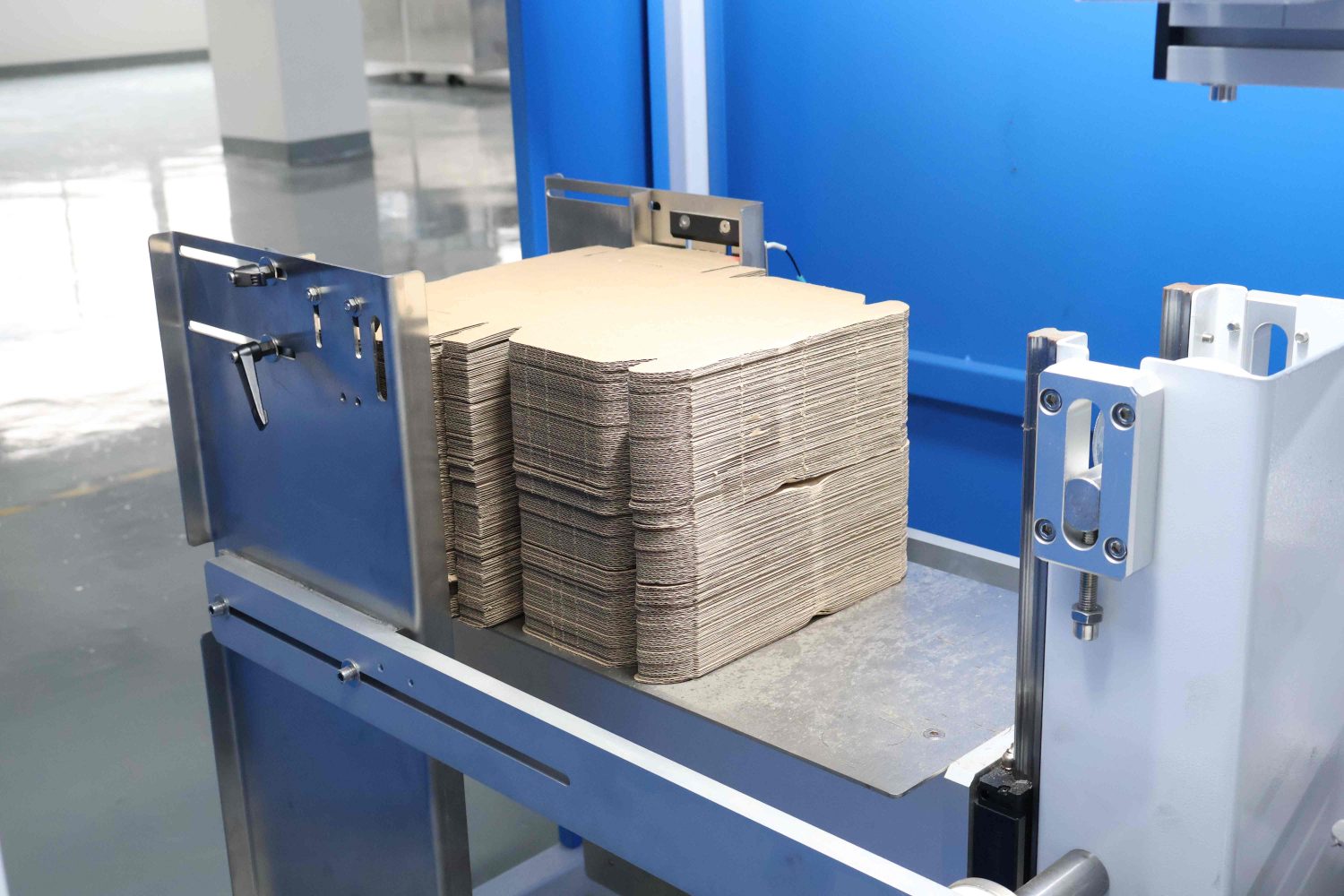
Send the blank. Not a photograph of a blank and not a drawing. The actual flat blank for the size, because the blank carries the geometry and the geometry is the specification.
Send the dieline file, from the die that cut the blank, with slot lines and flap lines separated. If the plant does not have it, ask the blank supplier, because they do.
Write the structure down in a way that does not depend on a trade name. Say that two panels fold in past each other and lock, with a locking tab on each. Say that one panel carries a tuck and the other a slot. Say that the bottom is closed with an adhesive line applied by the closing machine. That description survives being read by somebody who has not heard these names.
Then add one line that costs nothing. Say that if the drawing and the blank disagree, the blank wins. It settles the disagreement in the plant’s favour without anyone losing an argument, and it makes the snap lock bottom types usable by the die cutter.
One more thing goes on the order, and it is the one people leave off: which structure is not wanted. Writing “not a tuck end bottom” alongside the description saves a conversation at the tooling supplier.
Where the Names Sit in the Family
A table is not much use for a naming problem unless it puts the names next to each other. This one does, with the structure each name most often points at, and the machine behaviour each one produces on a carton erecting station.
| Name in use | Structure it most often means | What the machine has to do | Where it gets confused with |
|---|---|---|---|
| Snap lock bottom | Auto-lock bottom, two panels folding past each other | Fold both panels in and push the locking flaps across each other | Everything else in this family |
| Auto lock bottom, auto-bottom | Auto-lock bottom | The same as above | Auto-bottom carton, which is a different closure entirely |
| Bottom lock box | Auto-lock bottom, usually | The same as above | Crash lock bottom |
| Crash lock bottom | Crash lock bottom, tuck pushing in from the opposite face | Fold one panel in and push the tuck through from the other side | Reverse tuck end bottom |
| Lock bottom | Any of the four, depending on the region | Unknown until the blank arrives | Everything else in this family |
| Glue lock bottom, self-locking bottom | Auto-bottom carton | Fold the panels in and apply an adhesive line as the box closes | Auto-lock bottom |
Read down the last column and the pattern is clear. The confusion is nearly all between the auto-lock bottom and one of the others, because all four close without a separate closure operation and all four are sold under overlapping names. That is what these snap lock bottom types cost when the order names only the family.
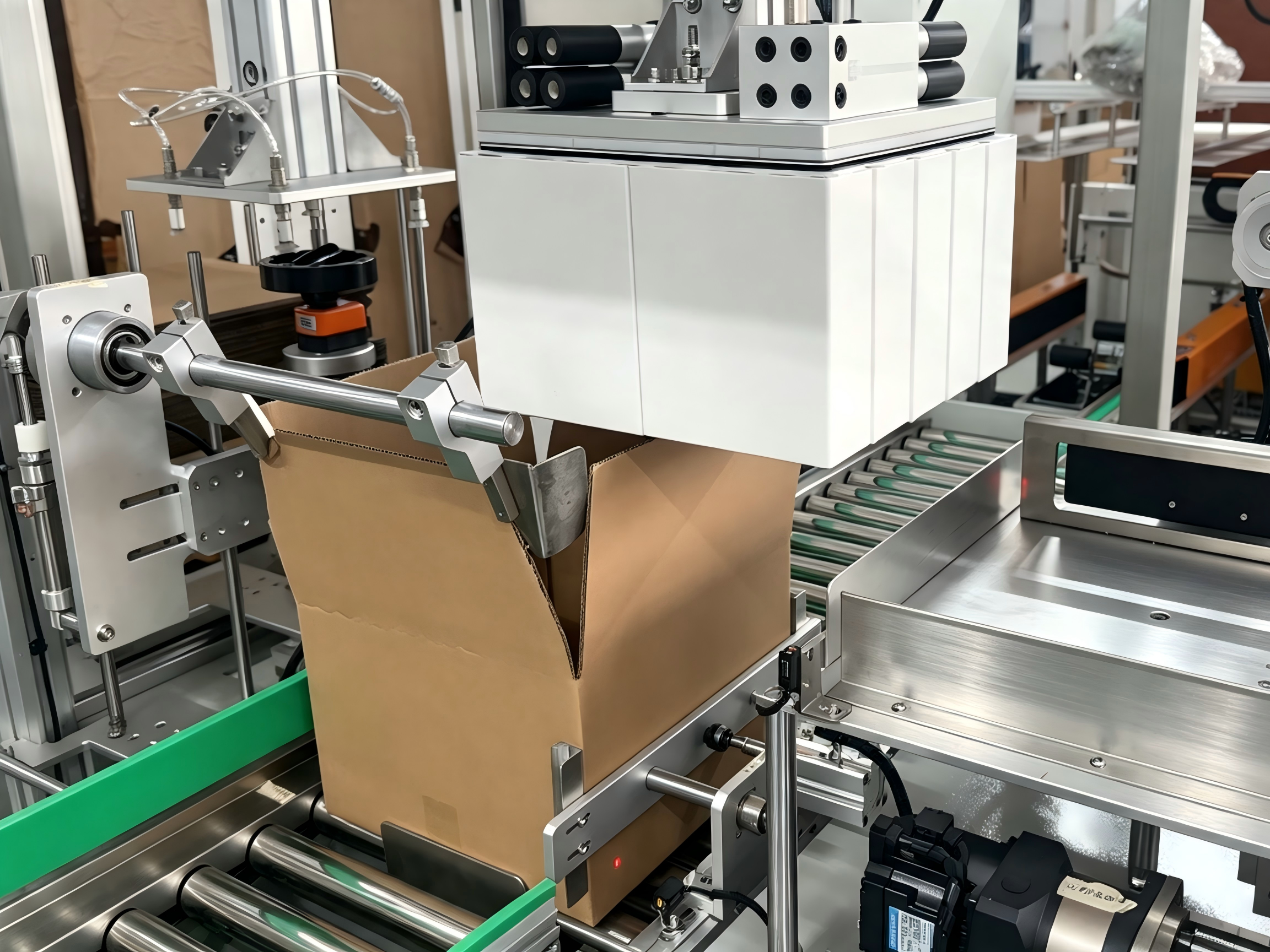
The carton folding machine selection guide on this site covers the rest of the buying questions. The equipment that forms these bottoms is in the carton folding machine range, and a supplier quoting from it should be given the blank.
[Send us a blank and a photograph of the closed box, and we will tell you which of these structures you have, what the tooling needs, and whether the name in your order matches the box on your shelf.]
Email: helen@huanlianauto.com
FAQ
Is every locking bottom the same structure?
No. Under the name snap lock bottom sit at least four structures: an auto-lock bottom where two panels fold in past each other and their flaps interlock, a reverse tuck end bottom with a tuck and a slot, a crash lock bottom whose tuck pushes in from the opposite face, and an auto-bottom carton closed with an adhesive line. They look the same in a catalogue and behave differently on a machine.
How can we tell which locking bottom we have from a photo?
From a photo of an open box, turn it over and look at the outside of the bottom panels. A locking tab standing proud on one panel means an auto-lock bottom. A plain slit means a tuck into a slot. A slit on the opposite face from the tuck means a crash lock. Nothing on either face means the bottom is closed with adhesive. A photo of a closed box cannot separate any of them.
Why does the exact bottom style matter to the machine?
Because the die is cut for one structure. The cutting rules are arranged in the geometry of one bottom, so a blank for a different bottom gets cut in the wrong places and the machine has nothing to fold. Getting the structure right is what makes the tooling, the set-up and the trial worth doing at all.
What is the difference between an auto lock bottom box and a bottom lock box?
Often nothing, because the two names are used interchangeably for the same structure. That is the wider problem: the terms in the trade do not map one to one onto the structures. The reliable way to specify an auto lock bottom box is to send the blank and describe the panels rather than to use either name.
Can we write the order using the customer’s own terminology?
You can keep the name in the description, but do not make it the specification. Add the blank, the dieline and a plain description of how the panels close, and state that the blank wins if the drawing and the blank disagree. The name then carries the customer’s vocabulary without carrying the risk.