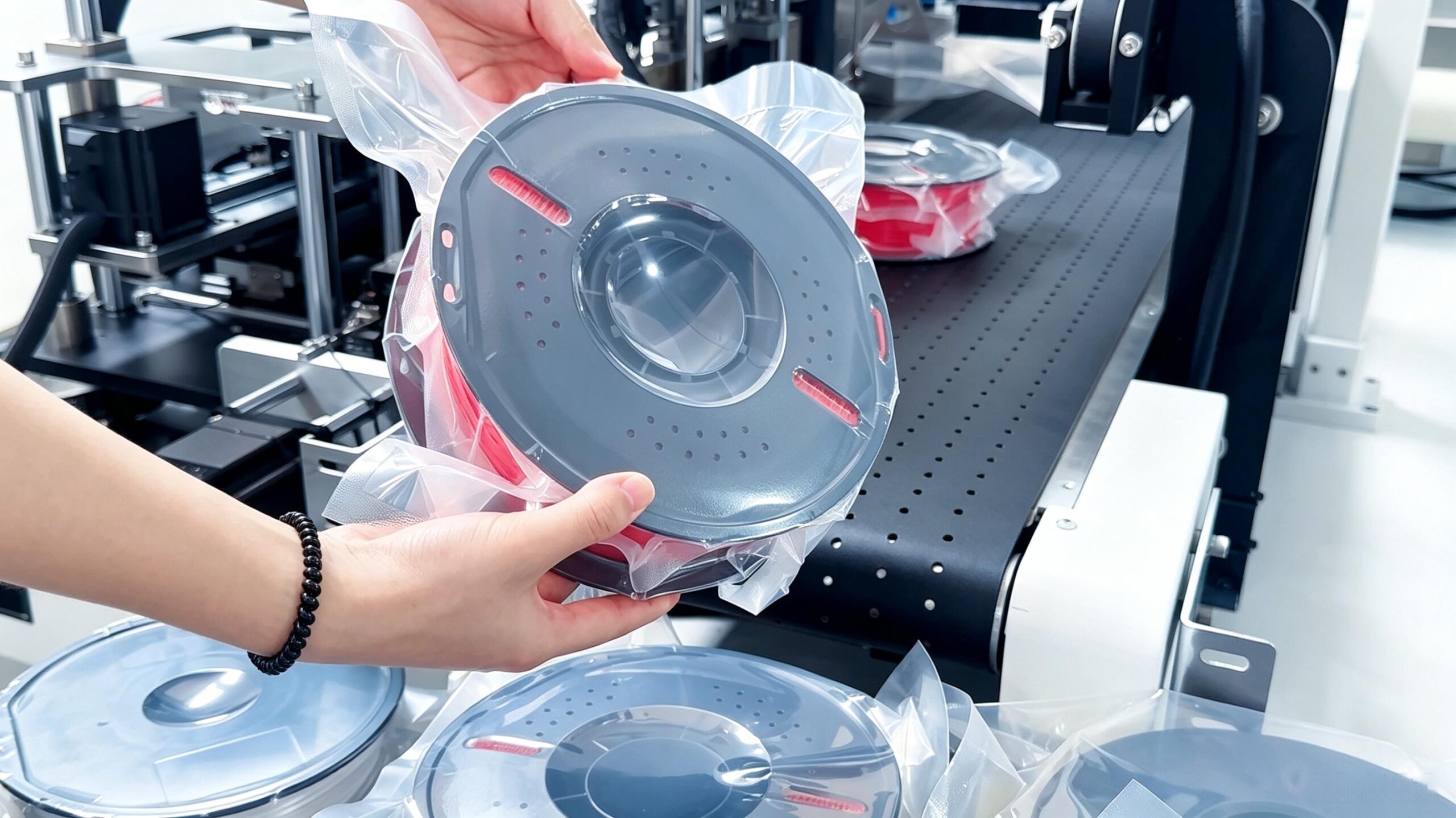
A bagged spool insertion test is the only way to find out whether the insertion station and the packing station actually agree on what a closed box is.
One plant ran its insertion station for a year. Every spool went in, every lid closed, the line ran. Then the packaging changed to a heavier board, the same machine, the same film, and the line started stopping daily with a box that would not close.
Nothing in the machine had changed. Nobody had tested the joint, because the joint was two machines and each was tested alone.
That is what this test is for. It is not a demonstration and not a commissioning run. It is a deliberate attempt to break the interface between two stations, and a written record of what happened. It is the only place that joint gets examined.
The cartoning line integration article on this site covers the handoffs generally. This one is the test protocol for one handoff: putting a bagged spool into a mailer box and closing it.
What the Test Is For
Four things. All four have to be answered on the plant’s own product, on the plant’s own material, on a normal shift. A bagged spool insertion test run on the supplier’s own samples answers none of them.
| Question | Why it is not obvious before the test | What the test produces | What it decides |
|---|---|---|---|
| Does the pack go in every time? | On a good day it goes in every time | A count of jams over a stated number of cycles | Whether the station is right for the pack |
| Does the box close every time? | The lid usually closes on a good day | A count of failed closures, and what each one was | Whether the two stations agree on a closed box |
| What happens when it jams? | Nobody sees a jam on a machine that does not jam | The time to clear it and whether the line restarts itself | Whether the fault response is workable |
| What does the operator have to do differently? | The work-around is learned and goes unwritten | The list of actions the operator takes that a machine cannot | Whether the work-around belongs in the training |
The joint, not the machines
Each station on a line passes its own acceptance test. That is the right way to do it, and also why the joint goes untested. The erector produces a box meeting its own definition of formed. The closer produces a closure meeting its own definition of closed. Neither has an opinion about the other, and the bagged spool insertion test settles it.
The bagged spool insertion test puts the two definitions side by side. The box the erector produced and the lid the closer is shutting are the same object, and the test asks whether one station’s output is the other’s input.
Setting Up the Test
Four setup decisions, made before the machine runs. Each is a deliberate choice, and each has to be recorded. The closure test procedure is written down before the machine is switched on.
First, which pack goes in. Start with the pack the plant runs most of, on the board it buys most of, because the most common condition is the one worth getting right first, and whether the basic case works is the first thing the test has to answer.
Second, which fault is introduced. One condition at a time, built rather than waited for. Waiting for a natural jam gives a sample of one rather than a test, and the point is to find out which faults the station can recover from.
Third, which box size. The size with the most volume, then the extremes of the range, because the extremes are where the clearance runs out and where the machine finds out whether it covers the range it was quoted for.
Fourth, who is at the station. The operator who will run it, not the trainer, because the operator’s own actions are part of what is tested, and a test run by someone else will not show the work-around that keeps the line running.
The deliberate fault condition
This is the part that makes the test a test. You do not wait for the pack that jams. You build the condition that jams, on purpose, and run the machine into it. The deliberate fault condition is the whole method, and without it a bagged spool insertion test is only a run.
A rigid bag tail is the hardest to build deliberately, because it depends on the folding setup at the sealer. A pack turned so the tail presents itself to the lip is easier and produces the same interference. A pack set askew on the bed, so the gripper takes it at an angle, produces the clearance failure without a tail.
Whichever condition you choose, the point is that you chose it and know what it is doing. A jam found by accident tells you a jam exists. A jam you built tells you what the machine does about it, and that is the part that matters.
Run each condition a stated number of times and write the count on the sheet. Not until it jams once. Until it has run the number of times you said it would, and you know how many went wrong inside it. That is what makes the jam cycle count worth quoting later.
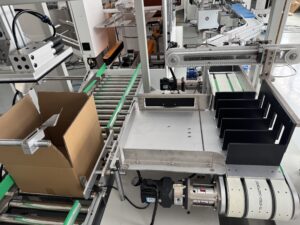
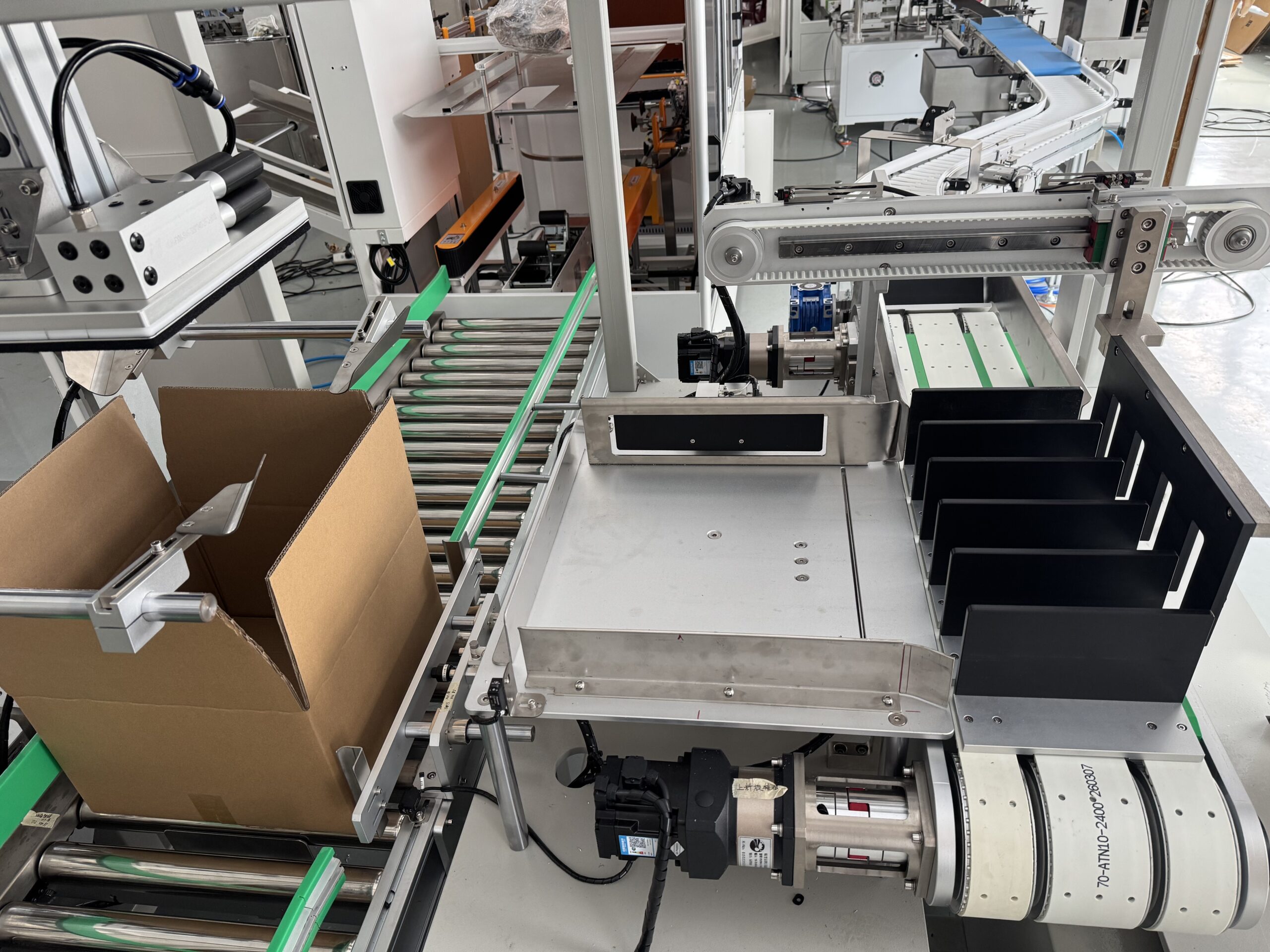
The mechanism that pushes the pack in and holds it while the box closes. This is where a deliberately awkward pack finds out whether the machine can recover, and where a pack that goes in wrong becomes a failed closure rather than a jam.
What Counts as a Jam
A jam is a cycle that does not complete. That definition has to be written down before the test, because the alternative is an argument afterwards about whether a slow cycle was a jam.
Three things have to be separated. A jam is a cycle that stopped and needed an intervention. A failed closure is a cycle that completed and produced a box that is not acceptable. And a near miss is a cycle that completed and produced a box that is barely acceptable, which is the one that gets skipped when nobody has a definition for it. That is the failed closure definition, and it belongs on the sheet before the first cycle runs.
That third category matters more than it sounds. A near miss is a box that closed with the tail folded into the lid seam, or with the lid sitting proud, or that had to be forced. If those boxes are accepted, the test passes with a fault in it, and the fault shows up at the customer rather than on the floor.

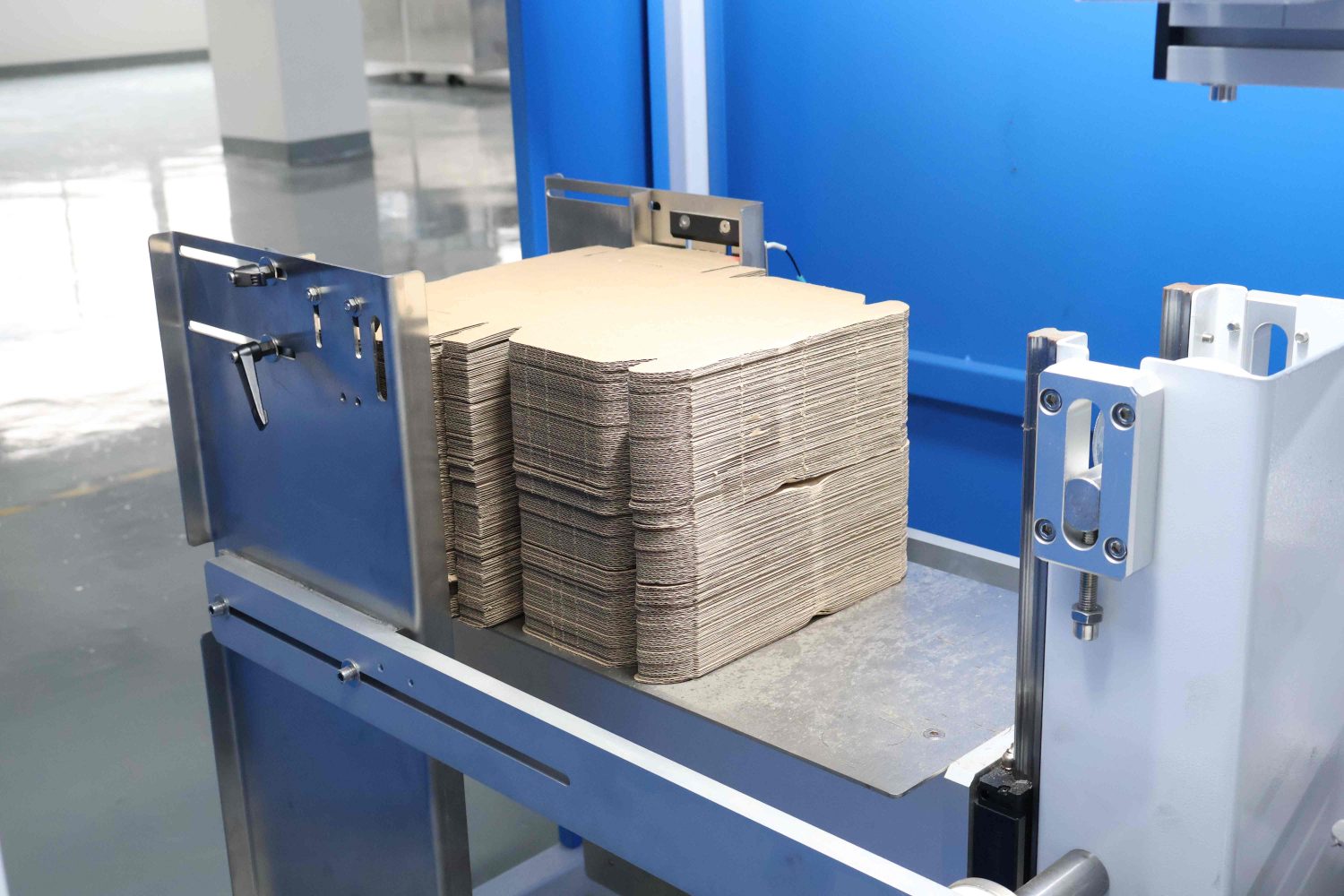
An open mailer box with the lid standing up. This is the shape the pack has to reach and the lid has to close over, and it is the shape every check on the closed box is compared against.
What Counts as a Failed Closure
Also written down beforehand. The closure check is not “did the lid shut”. It is a set of things a closed box either has or does not.
| On the closed box | How it is checked | Who checks it | What a failure points at |
|---|---|---|---|
| The lid is down against the side panels | By eye down the seam, all the way round | The line operator | The pack inside is holding the lid open |
| Nothing is trapped in the seam | The seam is opened and looked at | The line operator | The pack was not seated before closing |
| The corners are square | Against the template, at all four | Quality | The box was distorted before it got here |
| The glue or tape line is continuous | By eye along the closure | The line operator | The closer is not sealing consistently |
| The box is not crushed | By eye, and by handling it | Quality | The pack and the box were compressed together |
| The pack is where it should be | Opened and looked at | Quality | The insertion station put it badly |
The cycle count and the record
Every cycle in the test is one line on the sheet, with the same fields every time. The test record sheet is not a summary written at the end. It is a list filled in as the machine runs, because a summary is a memory and a memory is what the test was meant to replace.
| Field on the record | What goes in it | Why it is there | What it is read for later |
|---|---|---|---|
| Cycle number | A plain sequence number | So a result can be found again and a fault traced back to a pack | Following up a complaint about a particular box |
| Condition under test | Which deliberate fault was running | Without it, the results cannot be compared | Deciding whether the fault is worth fixing |
| Outcome | Jammed, closed, near miss, or good | The raw result, with no interpretation | The count |
| What was done to recover | The action the operator took | Separates a machine fault from an operator action | Training content, and the fault response |
| How long it took | The time from the stop to the next good box | The cost of the fault in line time | Deciding whether the fault response is workable |
| What the pack was like | Which pack it was, and where the tail or the skew was | Connects the fault to the incoming material | Whether the problem belongs to the sealer |
Running the fault and the recovery
The recovery part is usually skipped, and it is the one the plant feels every day afterwards.
When the machine jams, three things have to be answered and they are separate questions. Does it stop safely, with the pack not crushed further and the box not damaged. Can an operator clear it without taking the station apart. And does the machine know where it was, so it can carry on rather than starting again from the beginning.
Those three answers are about the machine, but they are observed by the person clearing it, and belong on the record next to the jam itself.

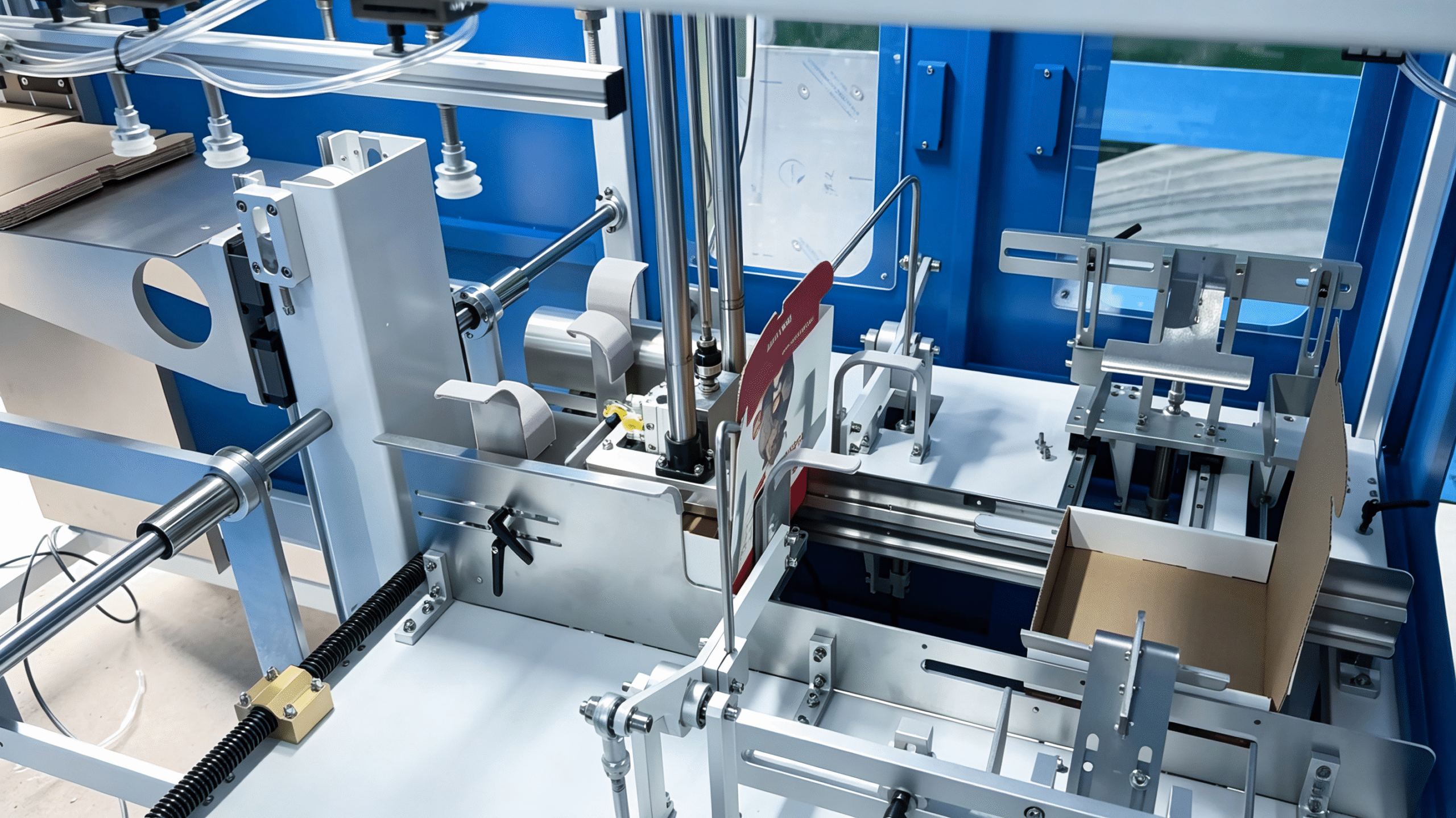
Sensors looking down at the product before it is handled. A station that can see a double pack or a skewed pack before it reaches the mechanism is a station that stops rather than jams, and the difference between those two is most of what the recovery question is about.
What the Test Produces
Three outputs, and all three are worth having.
The first is a number. How many cycles produced a jam, a failed closure or a near miss, out of how many cycles run under each condition. It is the figure the plant can put next to the machine specification, and the one that survives being asked about later.
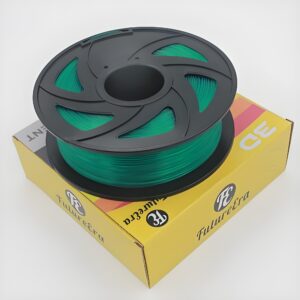
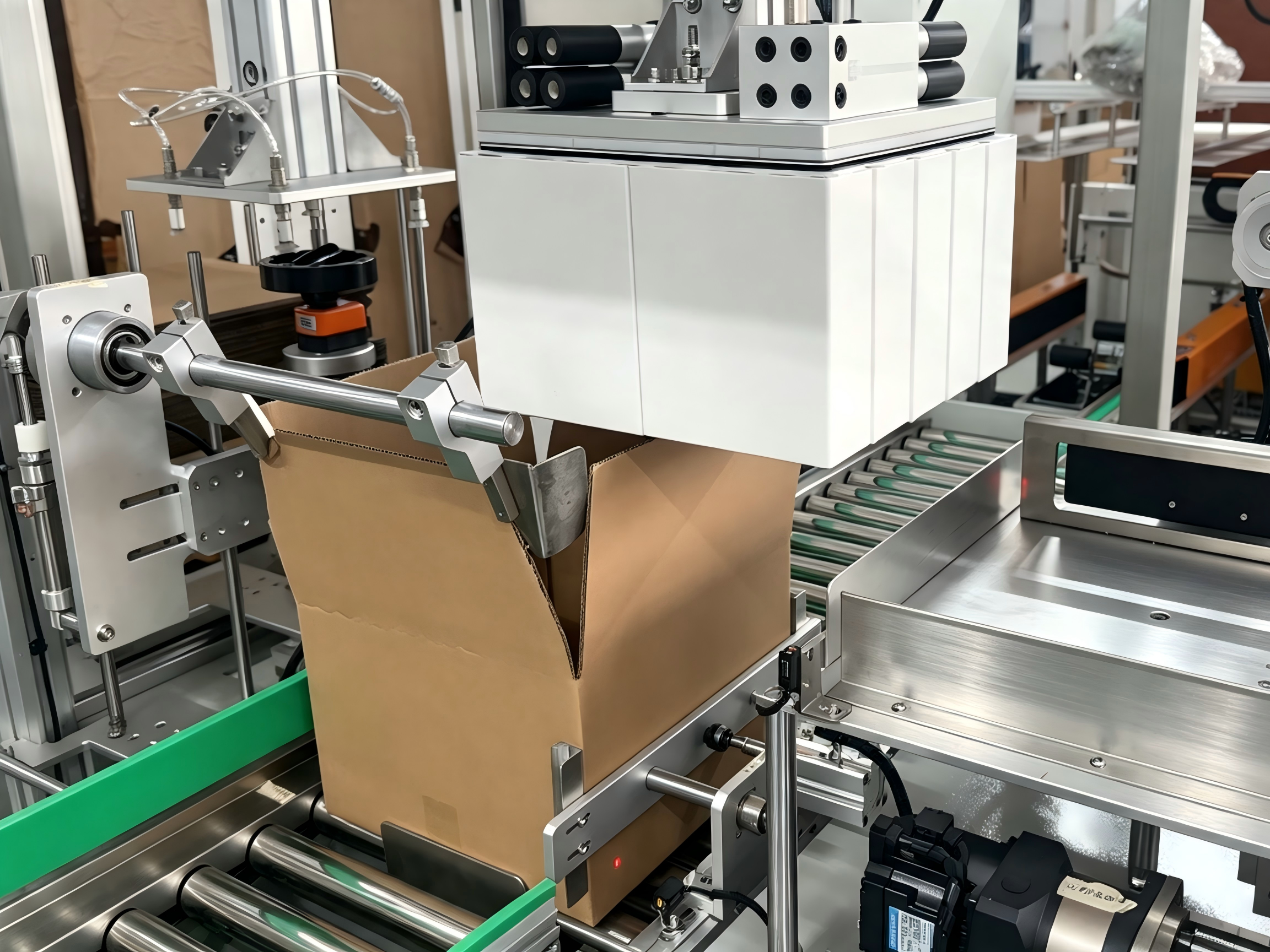
The pack in the box, with the lid folded back. This is what the test is measuring, and the object the plant should be able to look at and agree on before the machine runs.
The second is a list. The faults found, each with the condition that produced it. Usually the most useful output, because it is usually a list of things the plant assumed were fine.
The third is the work-around list. The actions the operator took that the machine could not. Some belong in the training. Some are a sign that the machine is doing something the plant should have told the supplier about.
The cartoning machine jamming article on this site covers the operator checks after a jam. The case packing SKU verification article covers the same principle one step further along, at the packed case rather than the closed box.
The equipment on both sides of the test sits in the cartoning machine range. A supplier quoting that range should be asked which of these checks they expect to run, because one who has run the test before has an opinion about the fault conditions and one who has not does not.
[Send us the pack you run, the box sizes and your closing method, and we will tell you which fault conditions to build and what to record against each before the test is scheduled.]
Email: helen@huanlianauto.com
FAQ
What is a bagged spool insertion test?
A deliberate attempt to break the interface between the station that puts a bagged spool into a mailer box and the station that closes it. Fault conditions are built rather than waited for, each one is run a stated number of cycles, and the results are written down as they happen. It tests the joint, which each station’s own acceptance test does not.
How many cycles should an insertion jam test run?
Enough that the result means something on the condition you are testing, and enough to include the extremes of the box range as well as the size with the most volume. The number is the plant’s to choose and it has to be written on the sheet before the test starts, because a count that was decided afterwards is not a count.
What is the difference between a jam and a failed closure?
A jam is a cycle that stopped and needed someone to intervene. A failed closure is a cycle that completed and produced a box that is not acceptable, such as a lid that did not seat or a seam with something trapped in it. The third category is the near miss, a box that closed but barely, and it needs a definition too or the test passes with a fault in it.
Which fault conditions should we deliberately introduce?
One at a time, and each one should be the condition that plausibly causes that failure in your own production. A pack presented to the gripper with its bag tail toward the lip. A pack set at an angle on the bed. A box at the smallest and largest sizes in the range. The point of building the fault is to find out what the machine does about it, which waiting for a natural jam cannot show you.
Who should be at the station during the test?
The operator who will run the machine every day, not the trainer and not the supplier engineer. The operator’s actions are part of what is being tested, and a test run by someone else will not show the work-around that has been keeping the line running. The record should show that work-around, in the operator’s own words.