
Buying a single machine solves one problem. Building a filament packaging solution solves the whole process. For 3D printing filament manufacturers, the gap between those two outcomes is the difference between a packaging department that still depends on headcount and one that runs on its own.
This article outlines what a complete filament packaging solution looks like—from the equipment stations to the site planning, installation, training, and after-sales support that make the line actually work in your factory.
What a Complete Filament Packaging Solution Covers
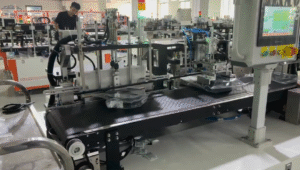
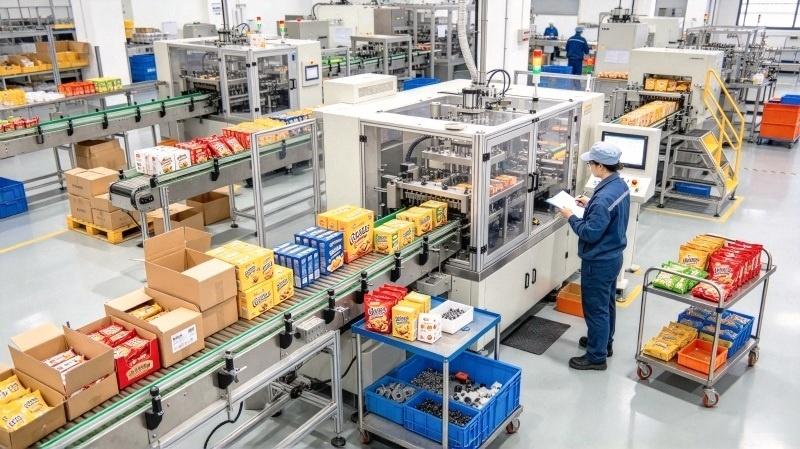
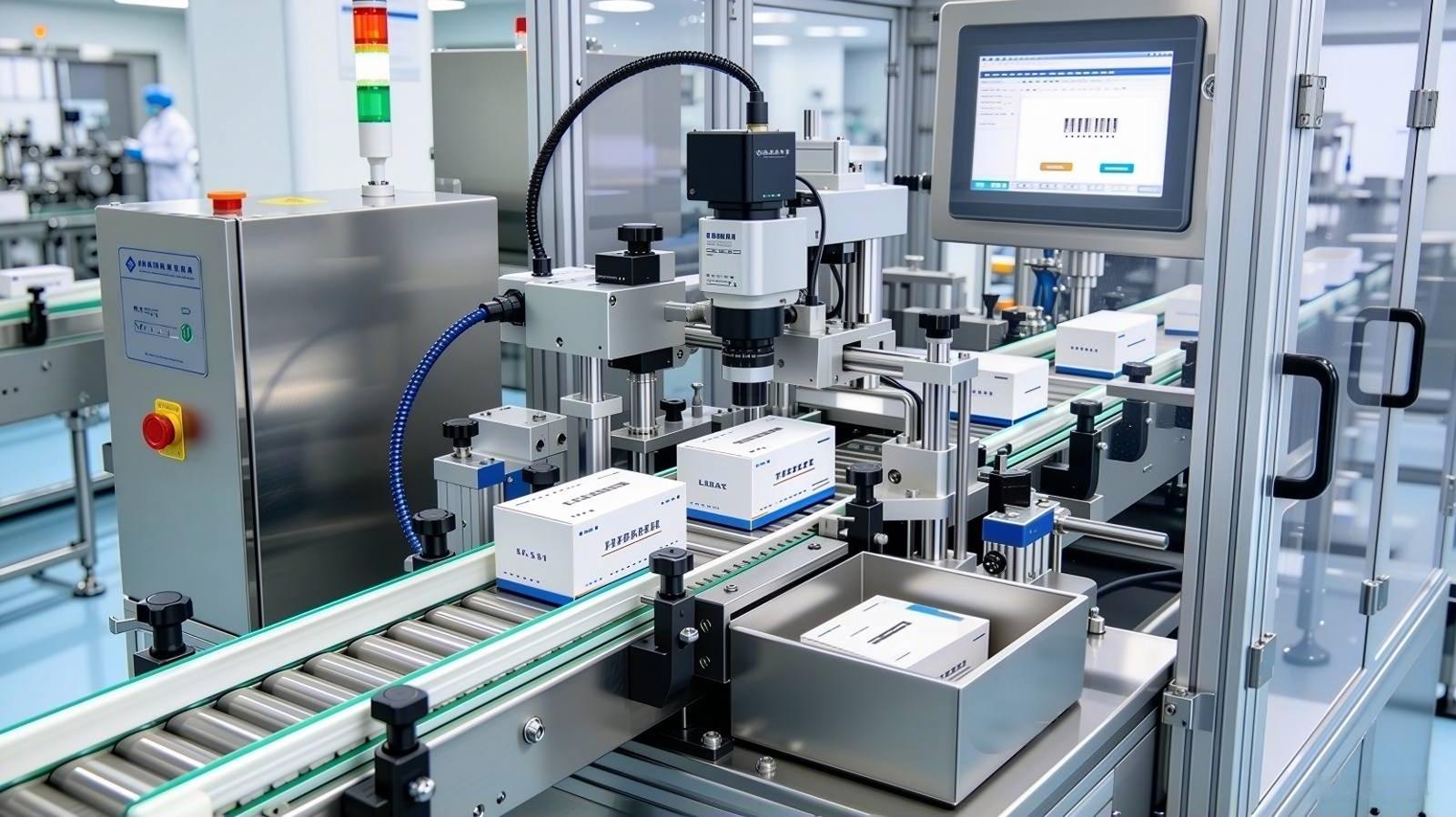
A full solution integrates multiple packaging stations into a single continuous line. Each station hands off to the next automatically, removing manual transfer steps between operations. The standard station sequence for 3D printing filament:
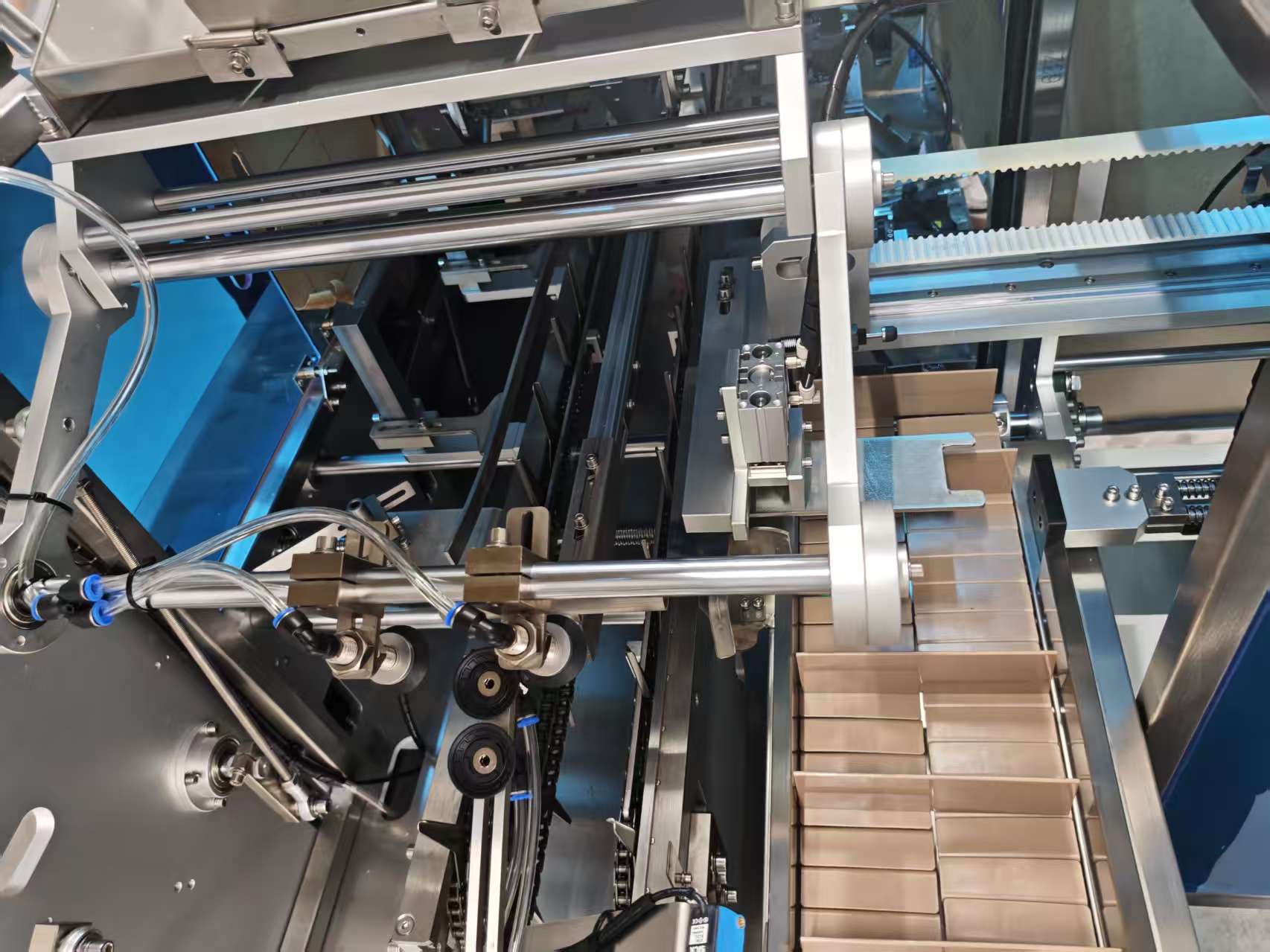
- Carton erecting — Flat carton blanks are automatically formed into open boxes, ready to receive finished spools at the end of the line
- Spool infeed — Spools enter the line from production output or manual loading. Fully integrated lines connect directly to the filament extrusion process
- Bagging — The spool is inserted into a bag (roll film or premade pouch) by the filament bagging machine. The bag is sealed before moving downstream
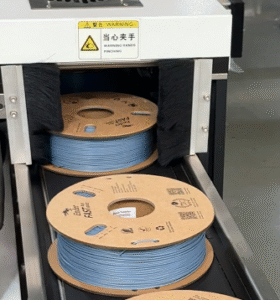
- Vacuum sealing — The sealed bag passes to the vacuum station, where air is evacuated to -0.08 MPa and the bag is heat-sealed. Desiccant can be inserted automatically at this stage. See: filament vacuum packaging machine
- Heat shrink (optional) — For retail-facing SKUs that require a tight outer wrap, a heat shrink tunnel wraps the sealed package in a secondary film layer
- Labeling — A label printer-applicator applies the finished label carrying batch number, material specification, QR code, and any other required data fields
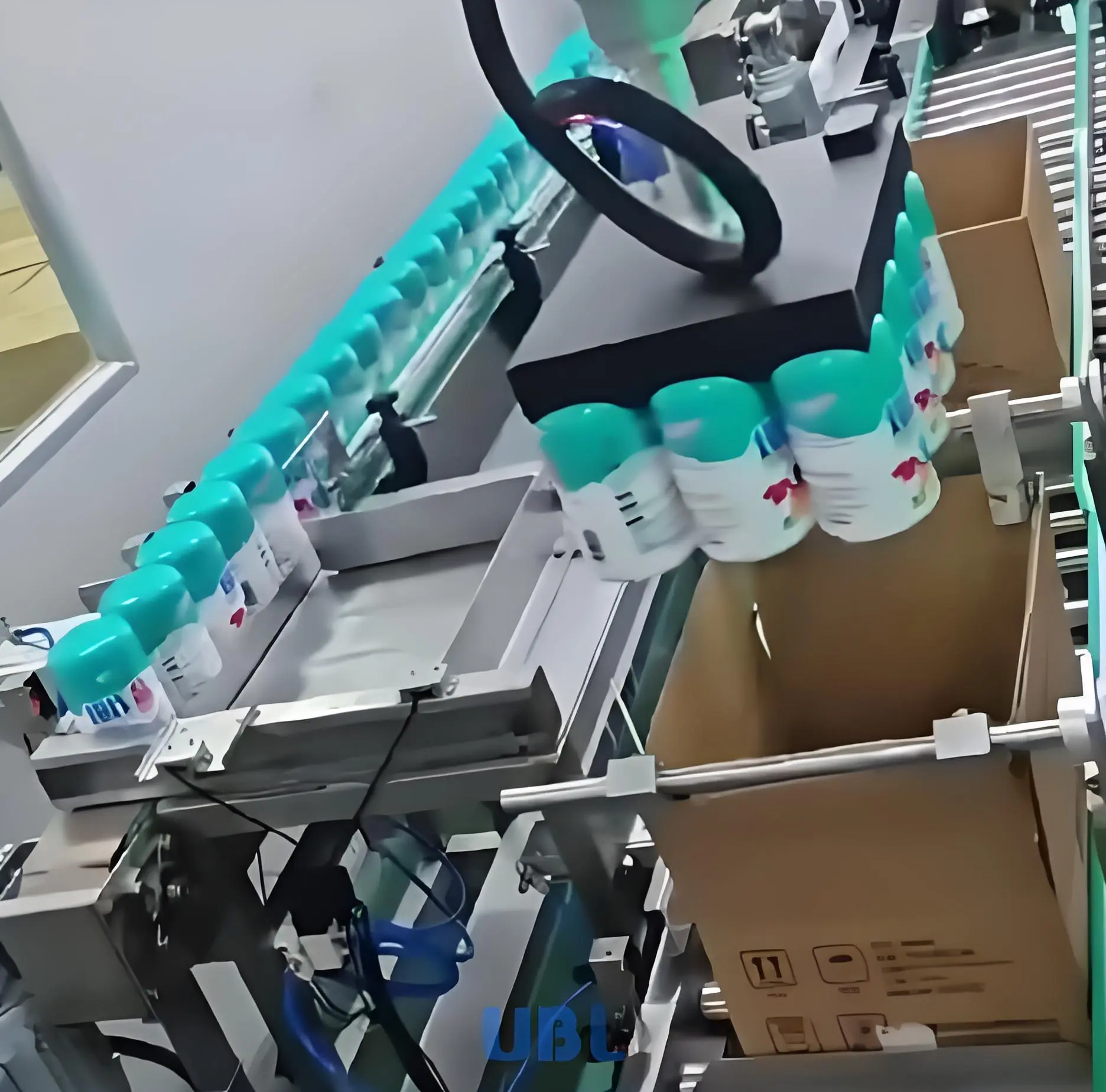
- Box packing and sealing — Finished, labeled spools are loaded into the pre-erected cartons, which are then closed and sealed automatically
Not every operation needs all seven stations from day one. UBL designs the solution around your current requirements, with each station built as a modular unit that connects to the next as your volume and workflow evolve. Full architecture detail: 3D printing filament packaging line overview.
Semi-Automatic vs Fully Automatic: Which Solution Fits?
The choice between semi-automatic and fully automatic isn’t just a machine specification decision—it’s a production planning decision.
| Factor | Semi-Automatic Solution | Fully Automatic Solution |
|---|---|---|
| Daily output target | Under 20,000 spools/day | 50,000+ spools/day |
| Floor space requirement | Flexible — smaller footprint, adaptable layout | Larger — full line requires planned layout |
| Staffing | 2 operators per shift | 0–1 operators (monitoring only) |
| Capital investment | Lower — accessible for growing operations | Higher — justified by labor elimination at scale |
| Upgrade path | Modular — add stations as volume grows | Full configuration from day one |
For operations between 20,000 and 50,000 spools per day, the answer depends on your labor cost, floor plan constraints, and growth timeline. UBL works through this with you during the pre-sale consultation. Detailed decision framework: spool packaging machine selection guide.
From First Contact to Running Line: How the Process Works
Buying packaging equipment is different from buying off-the-shelf products. The line needs to fit your floor, match your spool dimensions, and connect to your existing production workflow. UBL structures the process to handle all of that before delivery.
Step 1: Site Assessment and Layout Planning
Once there’s a clear intent to work together, UBL conducts a site assessment—either via video call or an in-person visit to your facility. The assessment looks at floor dimensions, power supply, entry points, and any layout constraints that affect how the line can be arranged.
Based on the assessment, UBL produces two layout proposals (Plan A and Plan B)—alternative configurations that address the same output target within your space constraints. You choose the arrangement that fits your operation best. Because UBL machines are modular and can turn corners or fold back on the line axis, most floor plans can be accommodated even when a straight-line run isn’t possible.
Step 2: Sample Testing
Before finalizing specifications, UBL supports pre-sale sample testing. Send your spools with your packaging requirements—bag material, desiccant preference, label format—and UBL runs them through the machine and documents the results: throughput rate, seal quality, vacuum level achieved. You see your product packaged before the contract is signed.
Step 3: Delivery and On-Site Installation
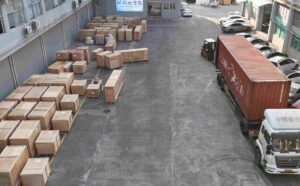
Installation and commissioning are included in the machine purchase—not billed separately. UBL engineers set up the line at your facility, connect the stations, run functional tests, and confirm the line is producing to specification before handover.
Step 4: Operator Training
Training is provided at no additional cost. UBL’s machines are designed for straightforward operation: a touchscreen interface, bilingual (Chinese/English) menus, and an operating logic that most operators learn in under 30 minutes. Additional language interfaces are available on request. Training covers daily operation, format changeover, and the basic fault checks that resolve most common stoppages within 10 minutes.
Step 5: After-Sales Support
Post-installation support runs on three levels:
- Remote video support — For operating questions and minor troubleshooting, UBL’s team responds within 4 hours and walks operators through the resolution by video
- Spare parts supply — Wear parts (belts, suction cups, blades, sealing elements) are sourced directly from UBL as the manufacturer, with no intermediary lead time. UBL recommends purchasing a spare parts kit at the time of machine purchase at preferential pricing; parts can also be ordered and shipped later as needed
- On-site engineer dispatch — For faults that cannot be resolved remotely, an engineer visits the facility to diagnose and repair in person
UBL currently operates a branch in Vietnam to support Southeast Asian customers with shorter logistics lead times. Future warehouse locations in Japan and the United States are planned to extend regional support coverage.

Where the Filament Packaging Solution Fits in Your Business
The packaging line is the last step in your production process—and often the one that limits how fast the business can grow. A filament extrusion line that produces 40,000 spools per day delivers nothing if the packaging department can only clear 15,000.
An aligned automatic filament packaging line removes that constraint. The line runs at the pace your production requires, maintains consistent package quality across every shift, and scales with you as volume grows—one modular station at a time.
The question isn’t whether automation is right for filament packaging. It’s what configuration matches your current stage and what the upgrade path looks like from there.
Click to watch UBL case studies.
Get a Proposal for Your Operation
UBL builds filament packaging solutions for operations at every scale—from a semi-automatic bagging module for a growing manufacturer to a fully integrated line connecting extrusion output to sealed, labeled, cartoned product.
To receive a layout proposal and equipment recommendation based on your specific output target and floor plan, contact the UBL team:
Email: helen@huanlianauto.com
Website: ublpackaging.com
Or explore the individual equipment guides in this series:

2 responses