The Real Question Food Producers Are Asking
Across North America and Europe, food manufacturers are facing the same pressure from every direction.
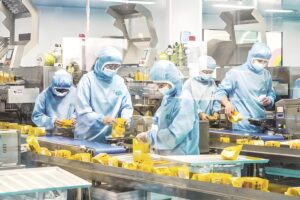
Labor is harder to find. Wages continue to rise. Food safety audits are stricter than ever. Retailers demand consistency. Export markets require compliance with HACCP and GMP standards.
At the same time, consumers expect products that look perfect on the shelf.
This is why food cartoning machines have shifted from being “nice-to-have” upgrades to becoming core production assets.
But hesitation remains.
Will automated cartoning damage delicate food products?
Can machinery truly meet strict hygiene regulations?
Is automation worth the investment compared to manual labor?
At UBL, we see cartoning differently. A modern food cartoning machine isn’t just about speed. It’s about controlled handling, sanitary design, and production stability.
Our experience spans sausages, cakes, baked goods, and even semiconductor applications that demand ultra-clean standards. Automation, when engineered correctly, doesn’t compromise quality—it protects it.
Compliance & Hygiene: Why UBL Cartoning Machines Are Food-Friendly by Design
In food production, equipment design is not just about performance. It’s about safety.
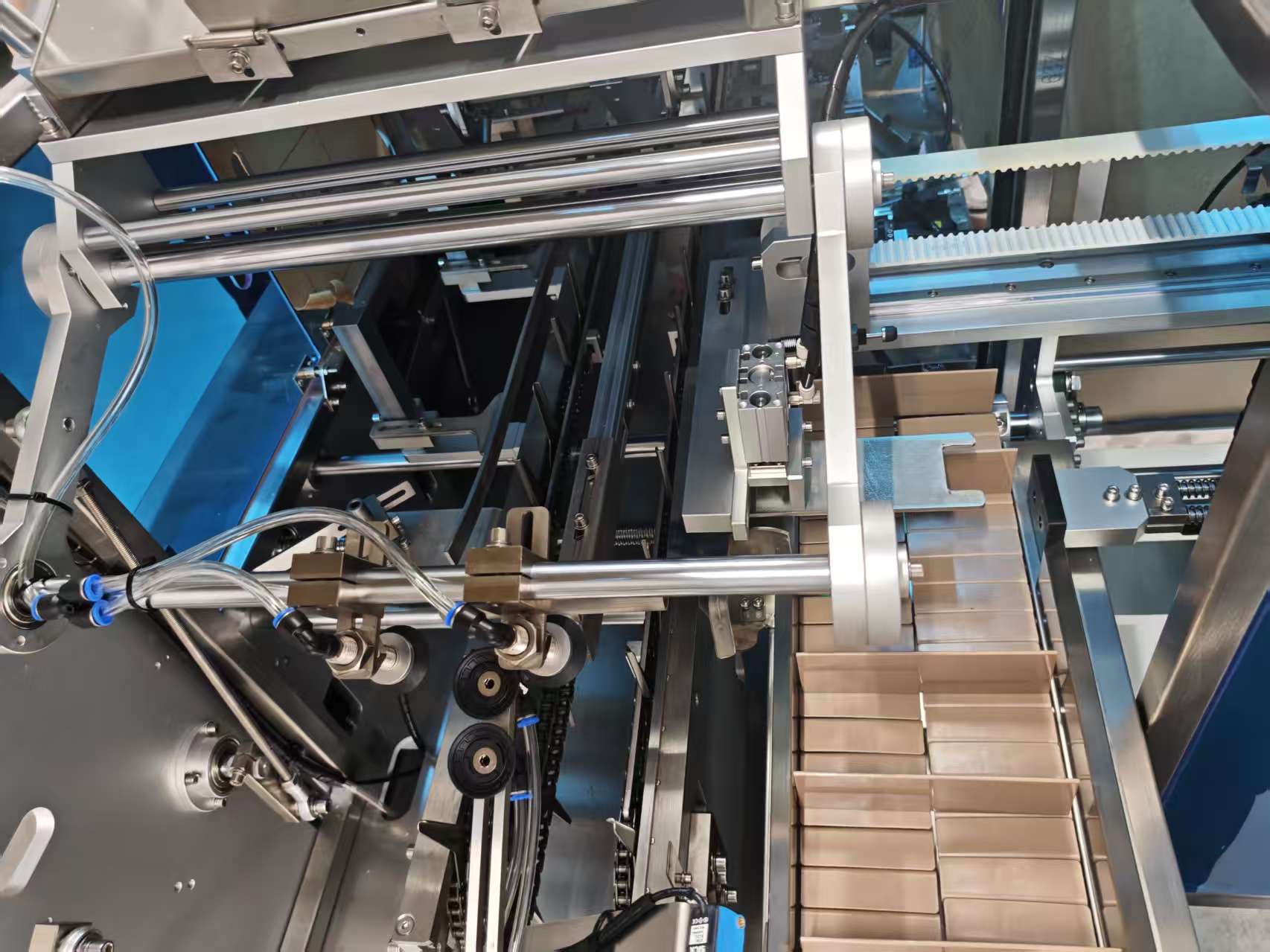
Stainless Steel Construction
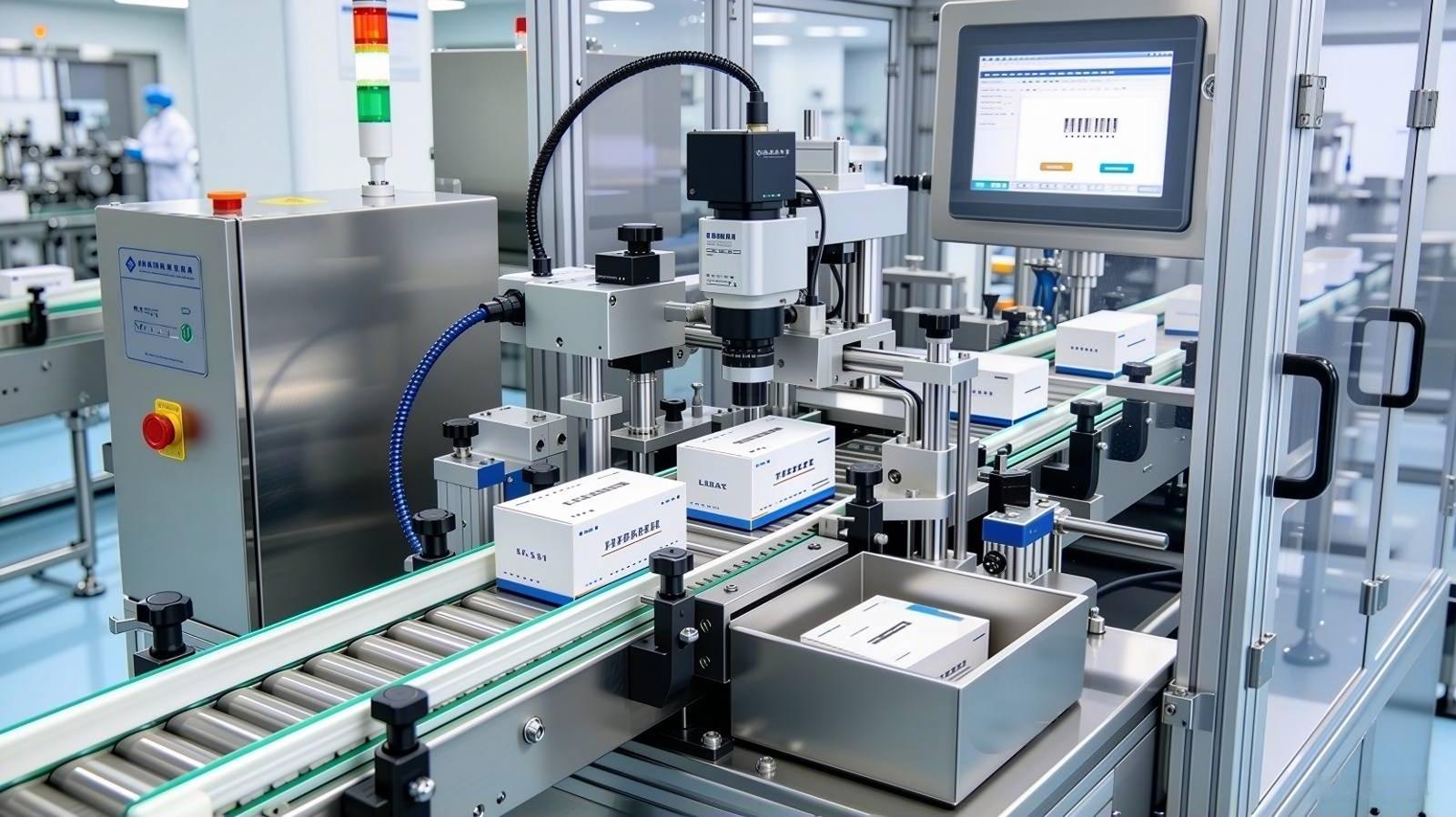
UBL food cartoning machines are built with 304 or 316L stainless steel frames. These materials offer:
-
Corrosion resistance against acidic or high-moisture environments
-
Compatibility with intensive washdown procedures
-
Long-term durability in regulated food facilities
This ensures the machine withstands sanitation cycles without degradation.
Contamination-Free Engineering
One of the biggest risks in food automation is cross-contamination.
UBL machines are engineered with strict separation between:
-
Mechanical drive systems
-
Product handling pathways
Food-contact areas are isolated from lubricated components. Food-grade lubrication systems are used where required, minimizing any secondary contamination risk.
Alignment with International Standards
UBL cartoning systems are designed to align with GMP and FDA industrial design principles. This simplifies compliance for customers seeking export approvals or passing third-party audits.
For food producers operating in highly regulated markets, a properly designed food cartoning machine becomes an asset during inspection—not a liability.
Precision Technology: Mastering Primary & Secondary Packaging
Packaging doesn’t stop at sealing a pouch. Secondary cartoning plays a critical role in protecting, presenting, and adding value to food products.
The Art of Secondary Packaging
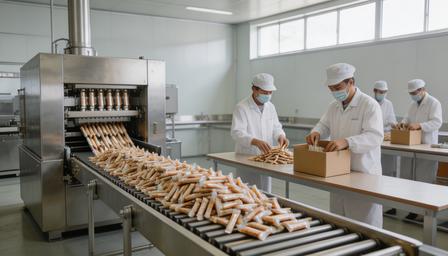
UBL specializes in secondary packaging for products already wrapped or bagged—such as sausages, bread, or snack items.
Our systems:
-
Precisely align packaged products
-
Insert them into printed cartons
-
Ensure clean, consistent box sealing
This improves shelf appeal and strengthens product branding.
A well-sealed carton not only protects the product but elevates perceived value.
Gentle Handling for Delicate Foods
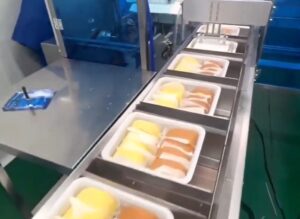
Cakes, pastries, and soft baked goods require extra care.
Manual cartoning often results in:
-
Cream smearing
-
Shape distortion
-
Inconsistent placement
UBL food cartoning machines use sensor-based detection combined with servo-driven motion control. The pushing force is precisely regulated in real time, ensuring zero product compression.
The result? Consistent appearance, reduced waste, and stronger brand presentation.
Flexible Speed for Real Production Needs
UBL systems operate at speeds up to 120 pieces per minute, fully adjustable to match upstream and downstream equipment.
Rather than forcing maximum speed, our philosophy emphasizes synchronized integration—maintaining balance across the entire production line.
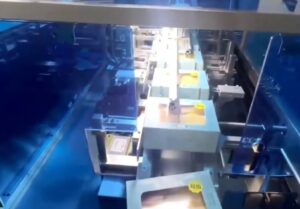
Case Study: Automated Cake Cartoning Project
A commercial bakery approached UBL with a recurring issue.
Manual cartoning was causing:
-
Cream deformation
-
Inconsistent box sealing
-
High product rejection rates
The solution was a fully integrated UBL food cartoning machine system that automated:
-
Product infeed
-
Automatic carton forming
-
Precise insertion
-
Controlled sealing
The transformation was measurable:
-
Product waste reduced by over 90%
-
Production speed increased threefold
-
Packaging consistency dramatically improved
Automation did not compromise product quality—it standardized it.
For more video cases, please click here to view.
Decision Matrix for Food Producers
| Evaluation Dimension | Manual / Low-End Equipment | UBL Food Cartoning System |
|---|---|---|
| Hygiene Control | High human contact risk | Full stainless design, FDA/GMP aligned |
| Product Protection | Inconsistent force, potential damage | Servo-controlled, zero-damage insertion |
| Production Stability | Dependent on worker skill | MTBF 500+ hours, stable performance |
| Integration | Difficult to sync with upstream/downstream | Integration-friendly, line automation ready |
| Efficiency | Limited by labor | Up to 120 pcs/min, adjustable |
For food manufacturers evaluating automation, the difference isn’t just speed. It’s predictability.
Why Cartoning Is Becoming a Competitive Advantage
In today’s food industry, production efficiency and food safety are inseparable.
A properly engineered food cartoning machine:
-
Reduces human contact
-
Improves hygiene compliance
-
Stabilizes production output
-
Enhances shelf presentation
-
Lowers long-term labor dependency
And perhaps most importantly, it protects brand reputation.
Primary packaging protects the food.
Secondary packaging protects the brand.
UBL focuses on both.
Let Packaging Become Your Competitive Edge
Whether you’re handling sausages, baked goods, snack foods, or sensitive packaged products, UBL delivers controlled, compliant, and gentle automation.
We don’t just sell machines.
We provide integrated solutions engineered around food safety and operational stability.
If you’re considering upgrading your production line, we invite you to take the next step.
Send us your product samples.
Our engineering team will conduct a free cartoning test and provide a customized integration proposal tailored to your production environment.
In modern food manufacturing, packaging is no longer just the final step.
It’s a strategic advantage.
Let’s build it right.