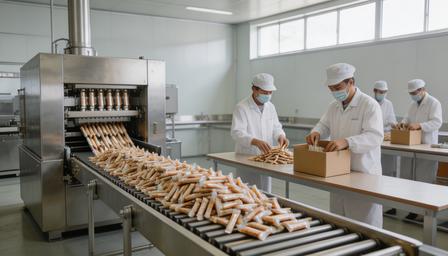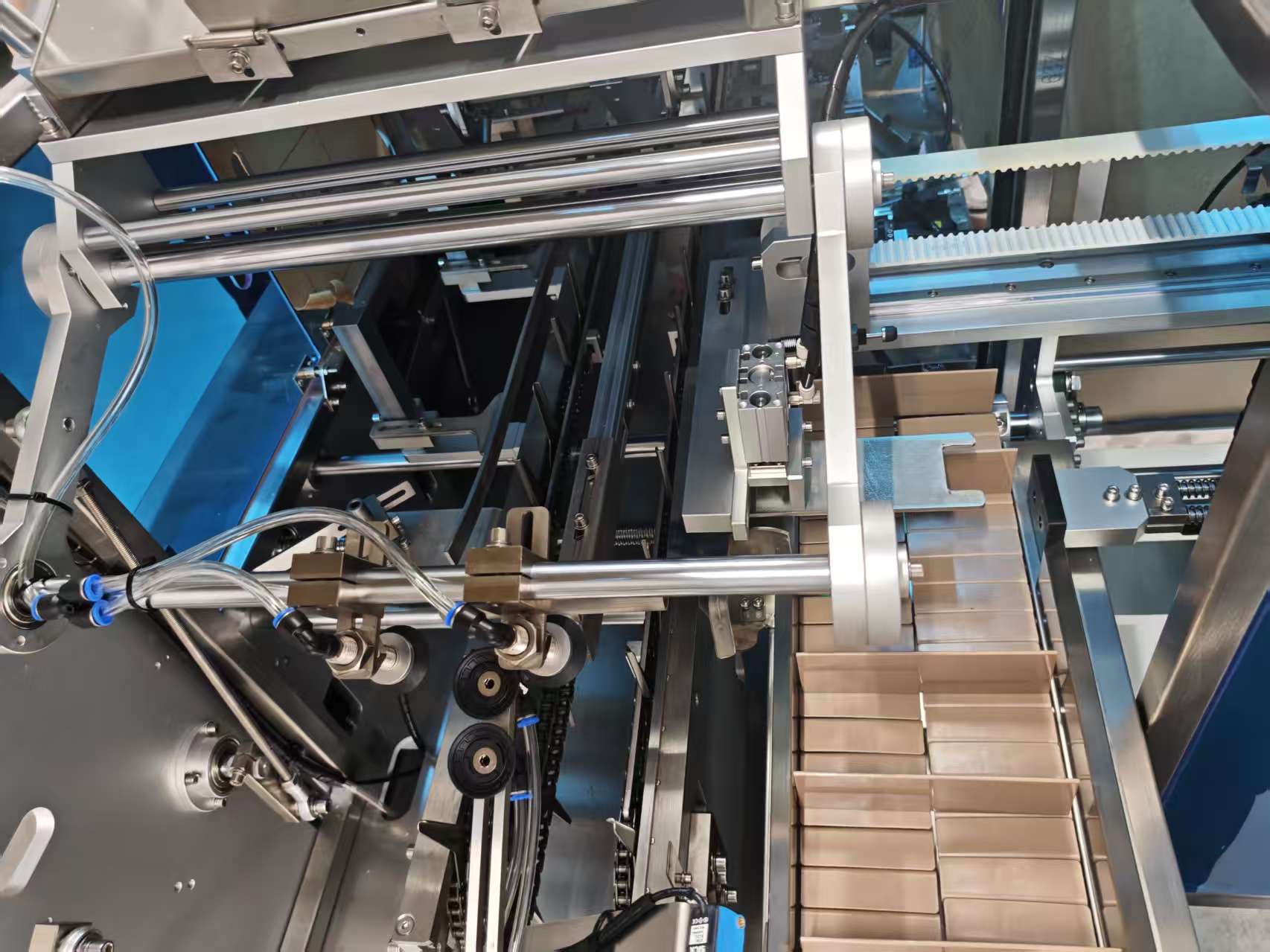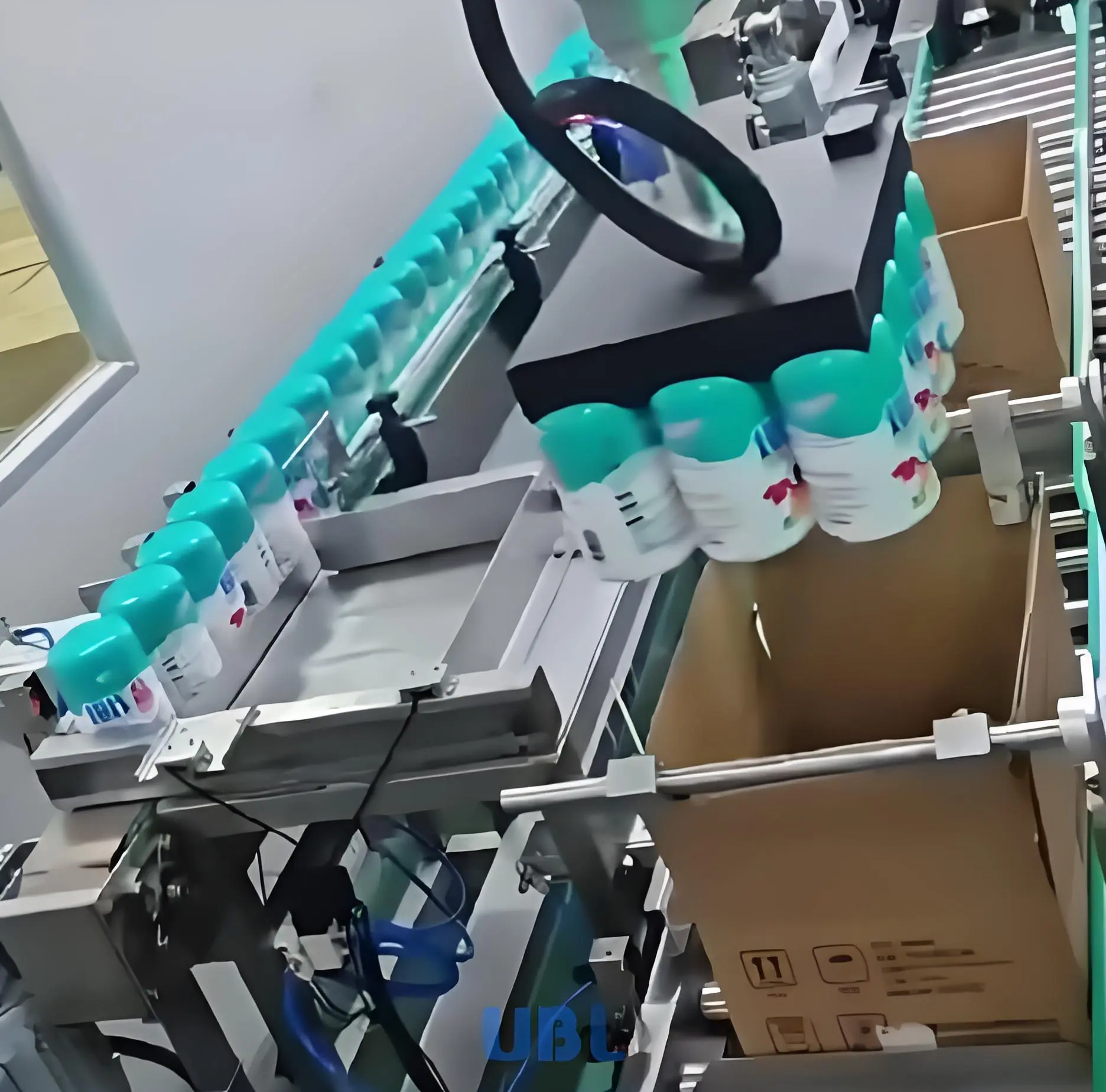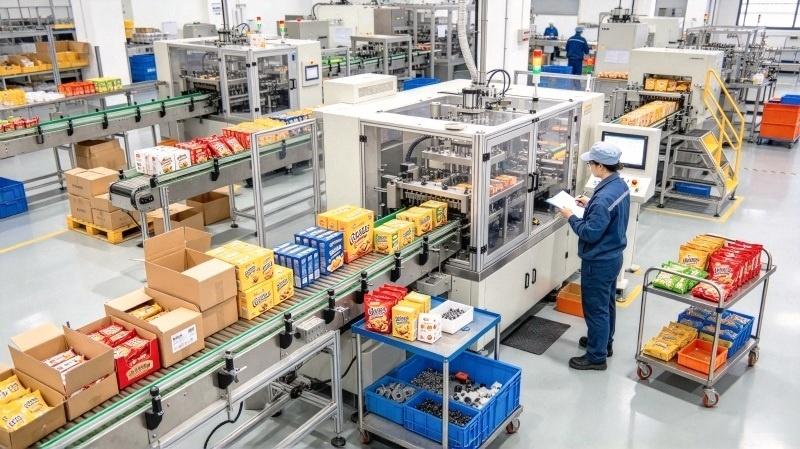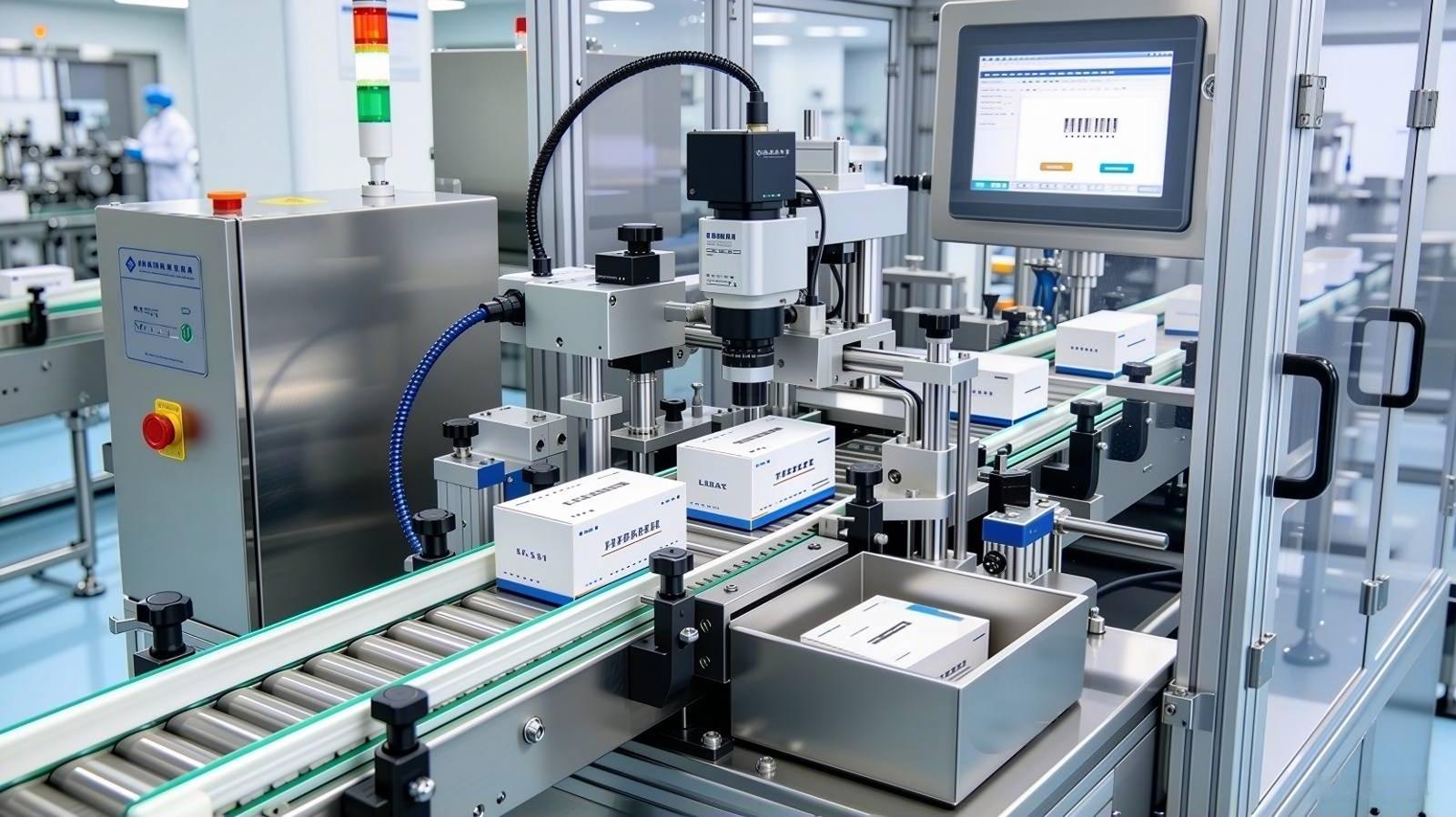
For today’s food producers, a carton folding machine has become a critical part of snack packaging. As brands launch new flavors, limited editions, and multi-pack formats, box sizes are changing more often than ever — sometimes multiple times in a single shift.
What looks like a small adjustment on paper often turns into a daily headache on the production floor.

Why Box Size Changes Disrupt Snack Packaging So Easily
Snack factories rarely run just one carton format anymore. One line may handle small retail boxes in the morning, family-size cartons at noon, and e-commerce bundles in the afternoon.
Every size change affects:
-
Fold depth and crease accuracy
-
Carton rigidity
-
Downstream cartoning stability
-
Sealing and stacking performance
When folding relies on manual work, consistency disappears fast. Even slight variations in fold angle or pressure can create cartons that look acceptable but fail once they enter the packaging line.

Manual Folding Creates Hidden Waste
Manual folding struggles most when variety increases. Different operators fold differently. Fatigue builds up. Adjustments take longer than expected.
Over time, factories begin to notice:
-
Increased carton deformation
-
More rejected boxes before cartoning
-
Extra filler used to compensate loose packaging
-
Slower changeovers between SKUs
According to packaging efficiency studies, inconsistent carton forming is a leading cause of downstream packaging issues and material waste.
How a Carton Folding Machine Restores Control
An automatic carton folding machine removes human variability from the process. Each carton is folded using fixed mechanical parameters, ensuring consistent crease depth and box geometry — regardless of size changes.
For snack manufacturers, this means:
-
Faster and repeatable size changeovers
-
Stable carton dimensions for cartoning
-
Reduced material waste
-
Better overall line efficiency
UBL Packaging provides carton folding solutions designed specifically for food and snack factories facing frequent SKU changes. These systems focus on precision, flexibility, and compatibility with downstream packaging equipment.
Folding Accuracy Is the Foundation of Packaging Automation
Many packaging problems blamed on cartoning or sealing actually start earlier — at the folding stage.
Poorly folded cartons lead to:
-
Misfeeds in cartoning machines
-
Uneven glue application
-
Weak box corners
-
Lower pallet density during shipping
By stabilizing carton folding first, factories create a reliable foundation for the entire packaging line. This is why folding automation is often the first step toward full packaging automation in snack production.
Industry experts consistently highlight carton forming accuracy as a key driver of packaging line efficiency【1】.

Snack Brands Need Flexibility, Not Guesswork
Modern snack packaging must support:
-
Rapid product launches
-
Seasonal box designs
-
Retail and e-commerce formats
-
Tight delivery schedules
A reliable carton folding machine for snack packaging allows factories to switch sizes without sacrificing quality or speed. Instead of constant manual adjustments, operators can focus on throughput and quality control.
Automation doesn’t remove flexibility — it enables it.
Final Thought
Box size changes aren’t going away. Snack brands will continue to diversify products and packaging formats.
The real question is whether your packaging process can keep up.
A well-designed carton folding machine turns size changes from a daily disruption into a routine operation — reducing waste, improving consistency, and protecting margins in a competitive food market.
【1】:McKinsey – Automation and Operational Excellence in Manufacturing