A line output measurement is the only way to find out what an automatic bagging station actually changed on a filament packaging line, because the machine speed, the station output and the line output are three separate numbers, and the plant is only ever shown the first one.
This is written for the production manager who has to say, in a meeting, whether the bagging station was worth installing. The evidence usually offered is the machine’s own count, or the fact that the station used to need two people and now needs one. Both are true and neither answers the question. The question is whether the plant is shipping more sealed spools at the end of the shift than before.
Another article on this site compares the four ways to add output at one bagging station in a bagging capacity comparison of those four options. This one is narrower: how to run the measurement that tells you what a change did to the whole line, and the three ways that measurement usually goes wrong.
Everything here comes from records a plant already keeps: the shift log, the production report, the rework note. If those are not being kept, the measurement is not available yet, and that is worth knowing before the meeting rather than after it.
What a Line Output Measurement Has to Answer
Three claims get tangled together in almost every conversation about a new bagging station, and they fail in different ways. Sorting them out is the whole job.
The three claims
| Claim | What would make it true | What would show it is something else | Where you look |
|---|---|---|---|
| The machine runs faster | The rated rate is reached on the plant’s own product and film | The gap between rated and running is changeover and handling, not the cycle | The machine’s own run log against the shift report |
| The station produces more | Good packs leaving the bagger per shift rise | The station was waiting on the next one, so a faster cycle only fills the queue | A count at the last check, not at the machine display |
| The line produces more | Good packs leaving the last station rise | The station was not the constraint, so the gain shows up as work in process instead | The end-of-line count over the same window |
Why the third claim is the one that matters
The first two claims are about the station and they are useful. The third is about the plant. A station exists to feed the rest of the line, so a bagger that doubles its cycle rate while the line ships the same number of spools has improved itself and left the plant where it was. A measurement that only reports the station has answered a question nobody asked.
Where the Count Has to Come From
The commonest measurement error is choosing a counting point that flatters the machine. A plant can count in three places, and each tells a different story about the same shift.
| Counting point | What it counts | How it flatters the result | What it is still good for |
|---|---|---|---|
| The machine’s own display | Cycles the machine completed | Counts every cycle, including the packs the plant rejects later | Comparing two shifts of the same machine on the same product |
| The bagger’s discharge | Packs leaving the machine | Counts packs that fail the seal check and go to rework | Locating a fault in the sealing station |
| The last check before the case | Packs the plant accepted and moved on | Counts only what the plant ships, and hides rework inside the number | The figure that goes on the order book |
Why the last point is the one that counts
A station’s own report and the plant’s record of what was accepted are two different statements, and the gap between them is the interesting part. The same idea runs through the check cases written for print and apply verification, where the machine says it printed and the plant confirms what left the station. For a bagging station that gap shows up as packs sealed and then rejected, invisible at the display.
A unit that leaves the last check is an event about an identified item, and the plant’s count is a record of them. GS1 publishes the vocabulary for that exchange in the EPCIS standard, and the method for identifying, capturing and sharing unit records in the GS1 traceability standard. A plant that already records events finds this sheet easier to fill in.

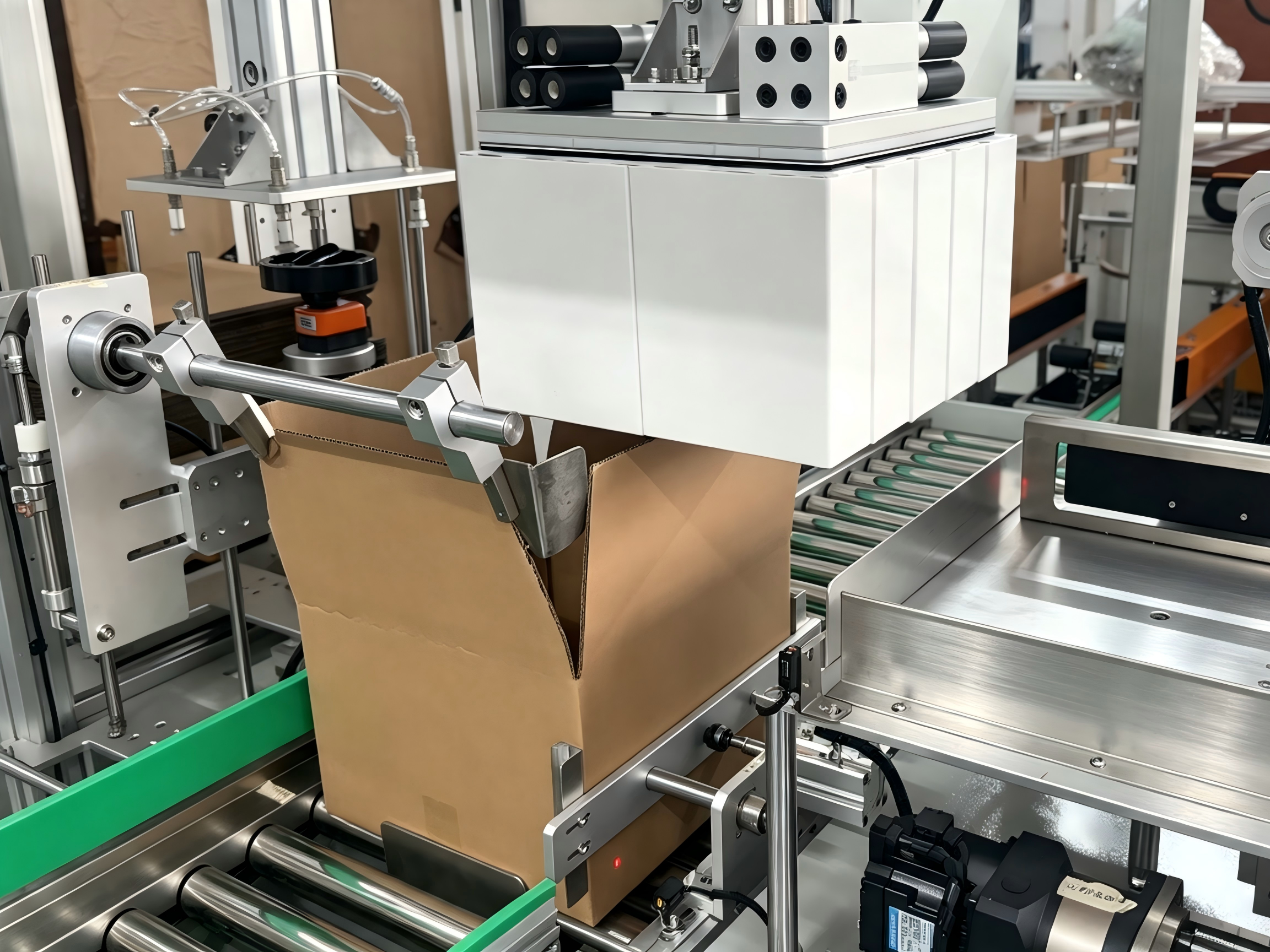
This is the pack at the point where it becomes countable. The bag is formed and the seal is made, and everything after this is a question for the plant’s own check. A count taken here is already one step ahead of what the plant ships.
Fixing the Comparison Window
A before-and-after comparison is only a comparison if the two sides describe the same work. Three things have to be fixed on both sides.
Same product, same shift, same hours
Fix the SKU, fix the shift pattern, fix the scheduled hours. A window that contains a changeover describes a different week from one that does not, and if the changeover falls on one side of the comparison then the changeover is what the measurement will find. Order books move faster than plants can, so a window not fixed against the product will flatter or punish whichever side ran the easier SKU.
Split the elapsed time before anything else
Every window has to be broken into the same parts on both sides: running time, changeover time, waiting for work that is not the station’s own, and planned stops. Without that split a change in the total looks like a change in output, and the plant cannot tell which part moved. The split is also what shows whether the gain is real. A bagger that removes waiting time has changed the line. One that only removes changeover time has moved work between buckets.
Count what the plant accepted, and keep the rejects visible
Rejected packs belong on the sheet, not in the output figure. If they disappear between the bagger and the last check, the measurement reports output the plant did not ship. Keep them on their own line, with the reason, so the difference between sealed and accepted stays readable.

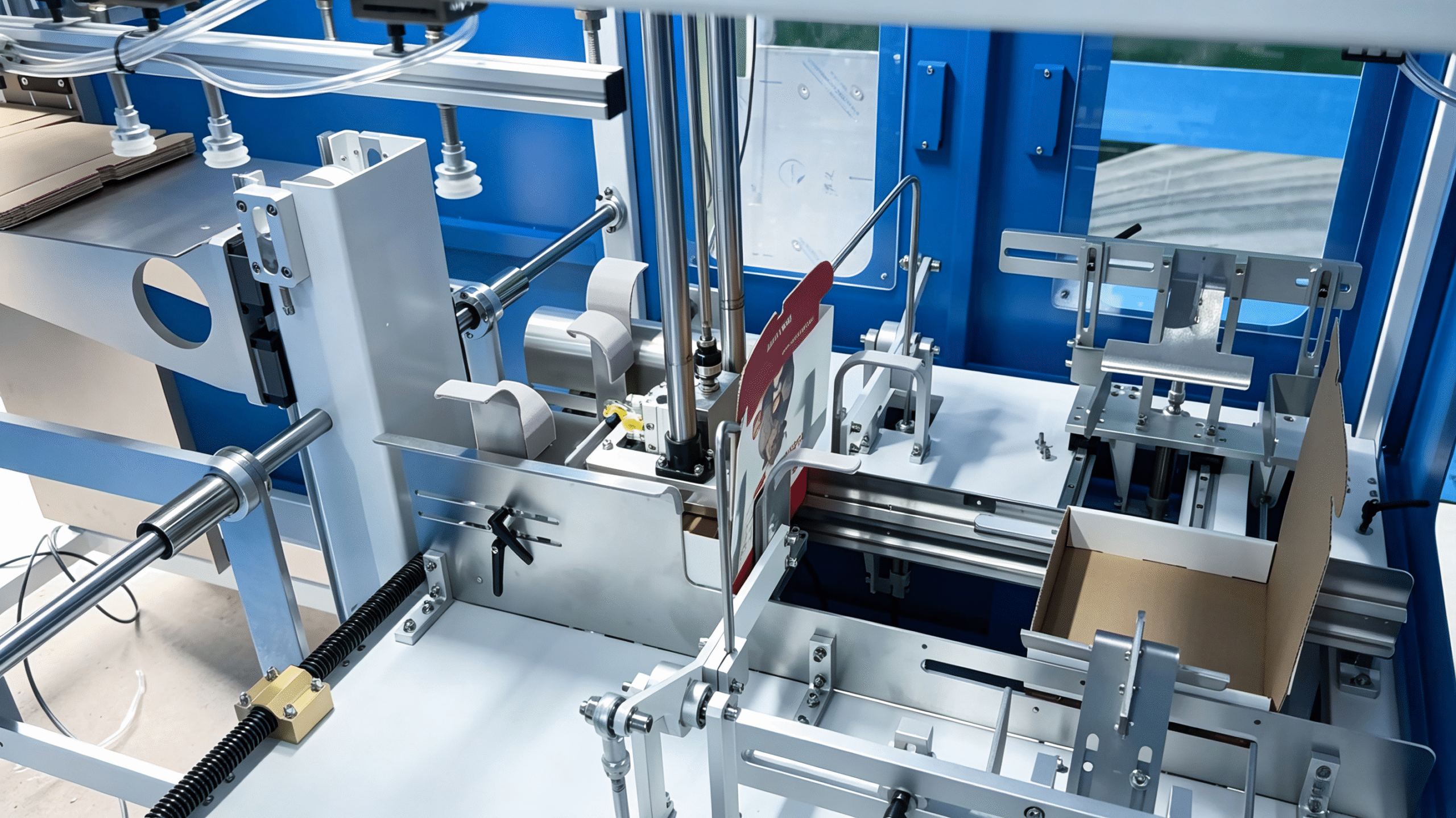
Changeover is where a comparison goes wrong most often, because it is the part of the shift people remember and leave out. This is a format change made by hand. How long it takes, and whether it is the same length every time, belongs in the measurement as a field of its own, not a gap somebody has to explain.
The Three Traps
Trap one: the machine display becomes the number
The display is the easiest figure to obtain, because it is already on the screen. It is also the figure most likely to be quoted in the meeting, because it is the one the supplier and the operator both watched all day. It counts the packs that were made, including the ones rejected afterwards, and it stops when the shift stops, whether or not the plant has accepted anything. A measurement that starts from the display has already decided the answer before anyone opens the shift report.
Trap two: one side of the comparison has a changeover in it
This one is harder to see because it looks like a result. A window on one side contains a format change and the other does not, and the format change is now the largest single item on the sheet. The plant concludes the machine is not delivering. It is delivering, but it was asked to run one product and then asked to change, and the sheet has counted the change as part of the comparison. This is why the window has to be fixed against the product, not only the dates.
Trap three: the whole gain goes to the new machine
When the line does move, there is a temptation to put the whole improvement on the new bagger. Sometimes that is right. Often the gain came from somewhere the bagger merely made visible: a changeover method that was rewritten, or a layout that stopped crossing itself. The measurement answers what changed; the change log answers who changed it. A plant that writes the change log at the time will not have to reconstruct it from memory in the review, and memory is where these numbers usually come out wrong.
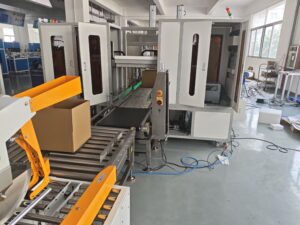
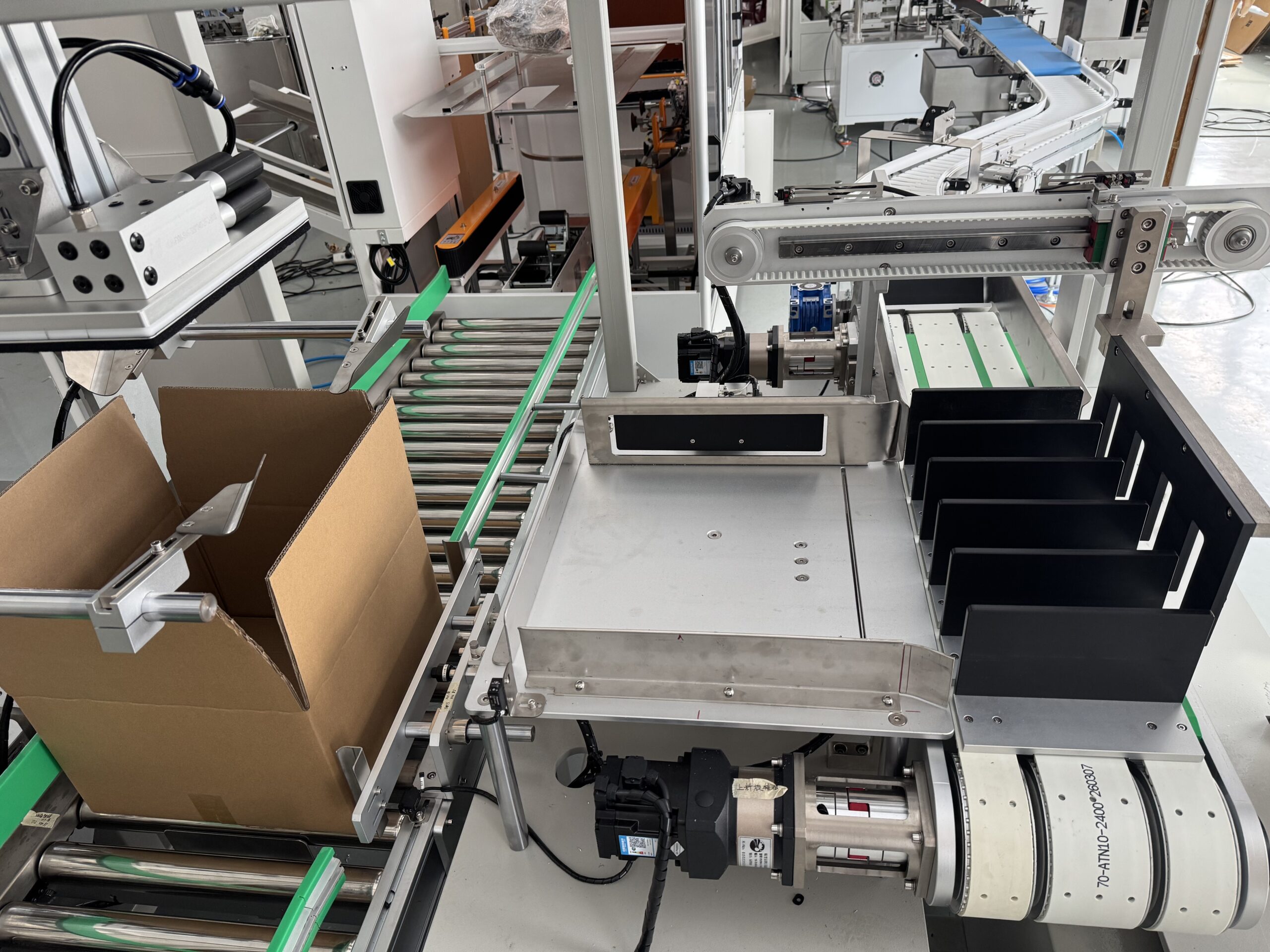
The rest of the line is what the bagger is feeding, and where the answer usually sits. A new station can work exactly as designed and the line still waits here, and the measurement has to be able to say so without anyone guessing which machine to blame.
When the Measurement Says the Line Did Not Move
A flat result is a finding
A measurement that comes back flat is a real result and should be reported as one. The bagger is faster, the station is measurably better, and the line is short somewhere else. That is not a failure of the measurement or the machine. It is the answer to a different question, and the useful one: which station is the line waiting for now. That work is described in how to find which station is actually short, and it is a separate exercise. That one works out which station the line waits for, over comparable windows. This one measures what a change did to the line.
Put the finding in the sheet and keep the sheet. A plant that has measured its own line knows which stations are the constraint, and that knowledge does not expire. It also changes what the next proposal is worth listening to. A second machine at a station the line does not wait for will run well and change nothing, and the measurement is what lets a plant say that before the order rather than after it. The equipment sits in the bagging machine range.
The Sheet You Fill In
Everything above reduces to a short sheet, and the sheet is worth more than the meeting it comes from, because the same fields will be asked for again the next time the line changes.
| Field | What goes in it | Why it is there |
|---|---|---|
| Window | Dates, shift, scheduled hours, product | Stops the comparison being about the order book |
| Elapsed time | Running, changeover, waiting, planned stop | Shows which part of the shift the figure came from |
| Good output | Packs accepted at the last check | The number the plant reports |
| Rejects | Packs sealed and then rejected, with the reason | Keeps rework visible instead of hidden |
| Counting point | Where the count was taken | Makes the number reproducible |
| Change log | What else changed inside the window | Stops the whole gain being given to one machine |
| Station rate | The bagger’s own count for the same window | Lets the station and the line be compared |
| Constraint | Which station the line waits for | Turns a flat result into the next question |
What the sheet has to be able to answer
Three questions, in this order. Did the line ship more good packs over the same window. If it did not, which station is the line waiting for now. If it did, which part of the shift produced the gain, and would it survive the next changeover. A sheet that cannot answer those three is a record rather than a measurement, and it will be argued with instead of acted on.

A check station like this one is where the plant’s count belongs. A camera or a person reads the pack and either passes it on or takes it out, and the plant’s record of what passed is the number for the sheet. The equipment that produces the pack sits upstream of it.
[Send us a week of shift records and we will tell you which station your own line output measurement points at, before anyone opens a quotation.]
Email: helen@huanlianauto.com
FAQ
What is the difference between a line output measurement and counting the machine display?
The display counts cycles. A line output measurement counts the packs the plant accepted and moved on, over a window fixed against the product and the shift pattern. The display counts the packs that were made, including the ones rejected later, and it stops when the shift stops. Both are worth having. Only one is the number the plant ships.
How long does a line output measurement take?
Long enough to be inconvenient, which is the point. It needs two comparable windows on the same product, the shift records for both, and a change log. A plant that keeps those already has the measurement. A plant that does not has to start keeping them, and the first useful comparison will be a few windows out. Rushing it produces a number that gets argued with rather than acted on.
What if the bagger is much faster but the line output does not change?
That is a valid result and it is worth reporting as one. It usually means the bagging station was not the constraint. The station’s improvement is still real, and the work in process in front of the next station is the evidence. The next step is to find which station the line waits for, which is separate work. A plant that treats a flat result as a failed measurement keeps the machine and the problem.
Should the rejects be included in the output count?
They should be visible, and they should not be counted as output. A pack that was sealed and then rejected is not something the plant shipped. Keep rejects on their own line of the sheet with the reason, because a change in the reject count between two windows is often the real story. A faster bagger that seals more marginal packs can raise good output at the station and raise rejects at the same time.
What if the plant has no records from before the machine was installed?
Then there is no before-and-after measurement available, and that is worth saying early. There are still useful things to do: start the sheet now, count from the last check, split the elapsed time, and write the change log. The first comparison will be between two future windows. Any figure offered in place of that, taken from the machine’s rated sheet or an operator’s recollection of the old rate, will not survive being written down.