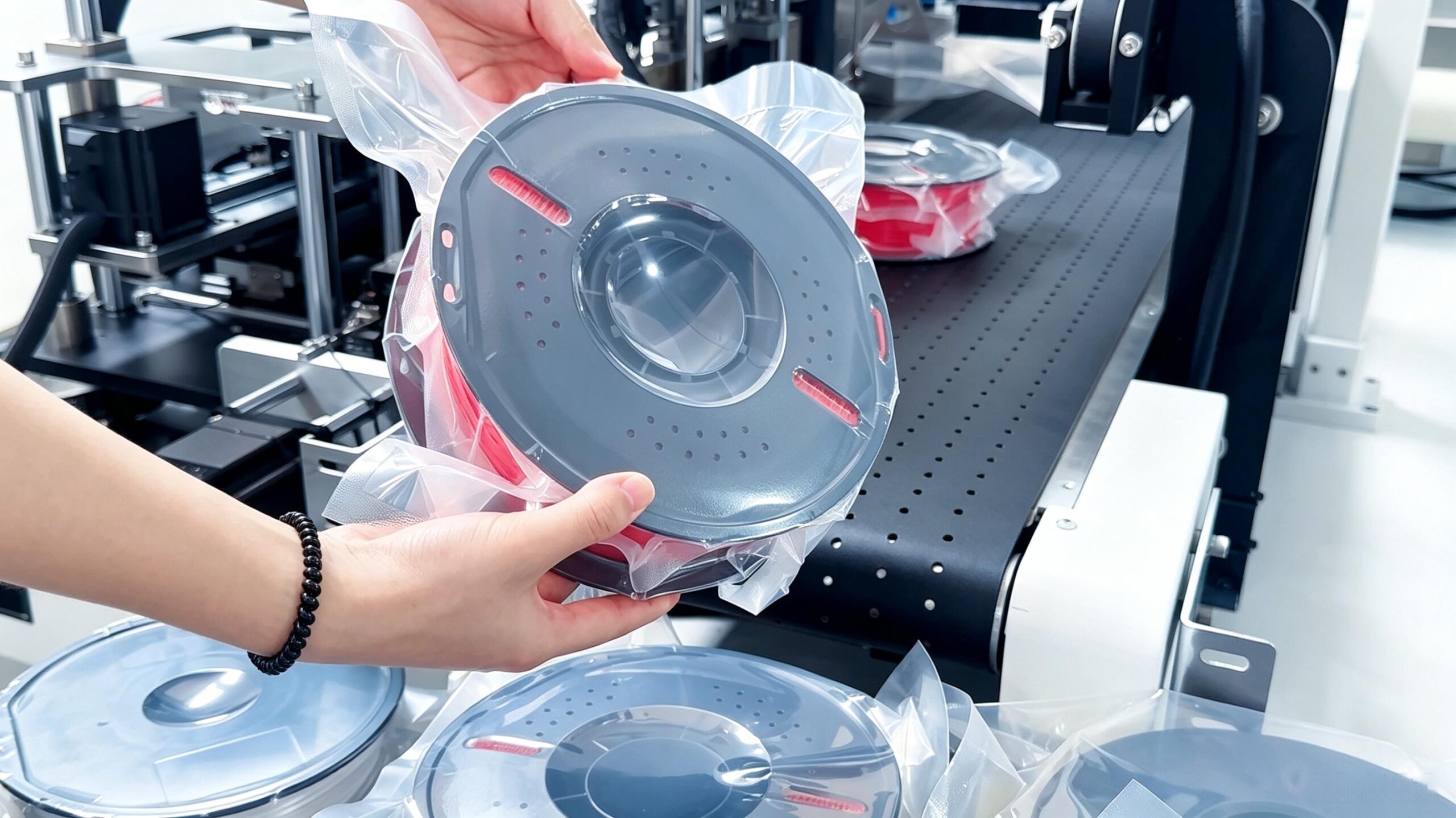
Filament label architecture decides what a code on a spool is allowed to claim. Batch code and per-spool code both print, both scan, and both look correct on the line. They answer different questions, and the difference only shows up when somebody tries to use the code.
A plant orders a labeling machine with a code on the label, and the specification says the code carries the batch. Six months later a customer sends a spool back from a mixed shipment. The desk can say which material lot it came from, but not which spool it was. Nothing was bought wrong, and the question was not asked.
There is a neighbouring failure that gets written about more often, and the two are worth separating. See how filament traceability fails even when the barcode scans clean. That one is about a code that reads correctly and points at the wrong batch, because the record behind it was wrong. This one stays upstream: which identity model to build the label on, what each model asks of the printer and the data behind it, and what a desk can do with the code once the goods have left.
The choice is not a machine decision. The same head prints a batch and prints a serial. What differs is the data behind the label and what it can answer when somebody asks.
What the Label Is Actually Carrying
Material identity and unit identity
Two promises live on one label, and the split between them is what filament label architecture is about. Material identity answers which lot of filament this is. Unit identity answers which spool this is. A quality dispute is usually about the first. A return, a mixed pallet or a short delivery is usually about the second.
Most labels carry one of them. Which one a plant needs depends on what it is asked once the goods have left, and that is a question about the product and the customer, not the packaging line.
Three models and what each one answers
| Model | What the code identifies | What a scan can answer | What it cannot answer | Where the record has to live |
|---|---|---|---|---|
| Batch code | One production batch of filament | Which material lot this spool belongs to, and which run to hold | Which individual spool this is, and which carton it left in | The batch record in the ERP or MES, plus the label file the printer reads |
| Per-spool code | One individual spool | Which spool this is, and through the unit record which run it came from | Which material lot it belongs to, unless the unit record carries that link too | A unit record for every spool, which is a new object in the system |
| Batch code plus serial | One batch and one spool, both on the same label | Both questions, as long as the reader keeps the two apart | Which shipment the carton belonged to | Two fields, two lookups, and a written rule that keeps the two paired |
A plant running on a batch code for years is not behind. A plant that puts several lots into one shipment and later has to pull one spool out of it needs unit identity, and a batch code does not grow into one without new labels, new records and a new file for the printer.
What the Model Does to the Line
Static labels and dynamic labels
The identity model decides how the label reaches the spool, and this is where filament label architecture stops being a data question.
With a static label, the code is printed in advance on a stock roll. Somebody has to know the batch before the roll reaches the machine, so the batch is decided before the run starts. Changeover becomes a stock change, and the label file and the roll have to agree.
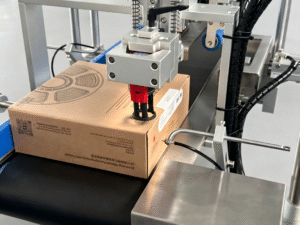
A person applying labels by hand puts the same code on every tube in that session, because the sheet in front of them carries one. That is a batch code without a machine, and it has the same blind spot.
With a print-and-apply station, the code is produced at the moment it goes on, and the printer asks a data source for the value. What used to be a stock problem becomes a data dependency. If that source is slow, stale or down, the line waits, and the plant owns an interruption mid-run.
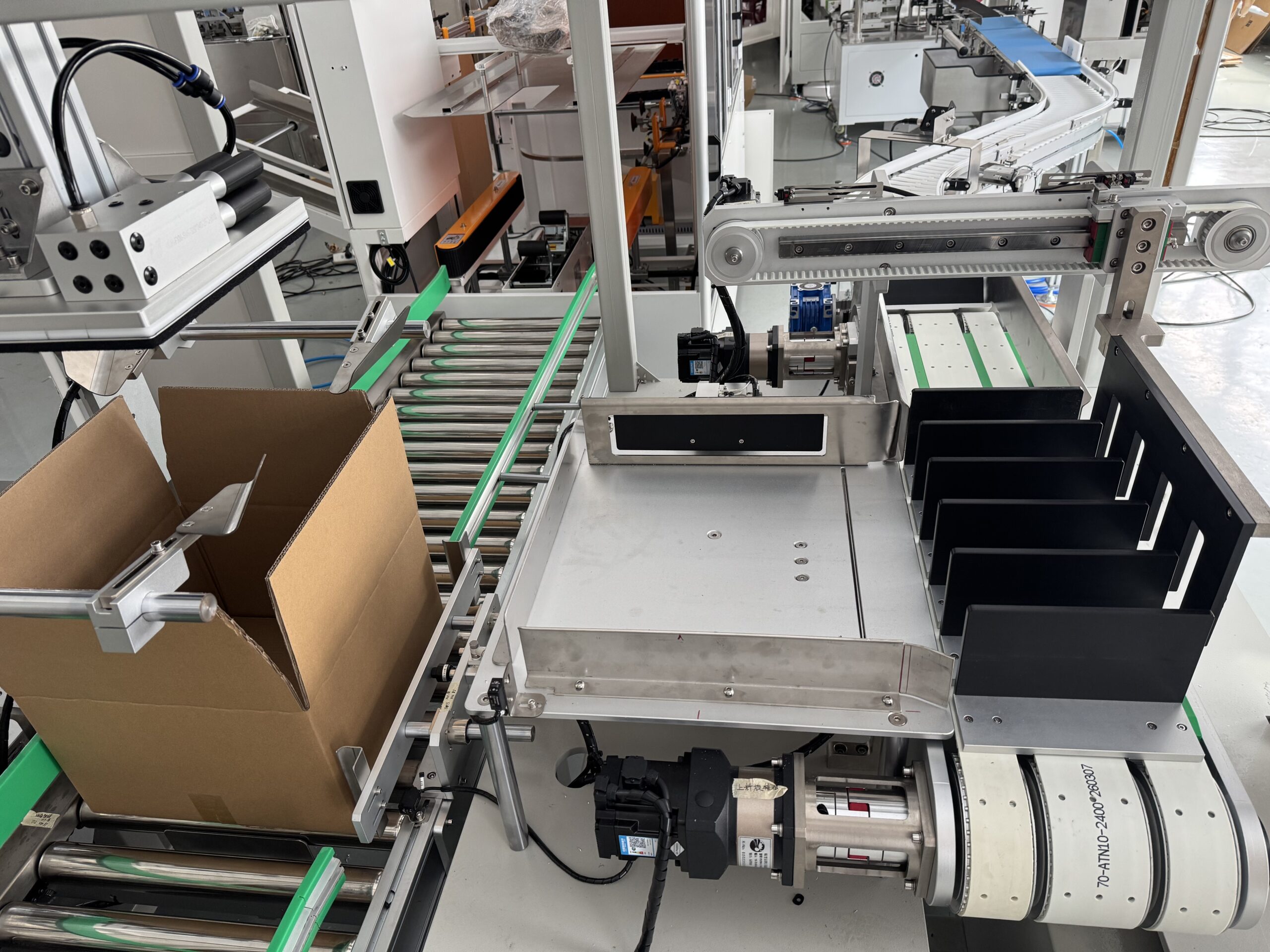
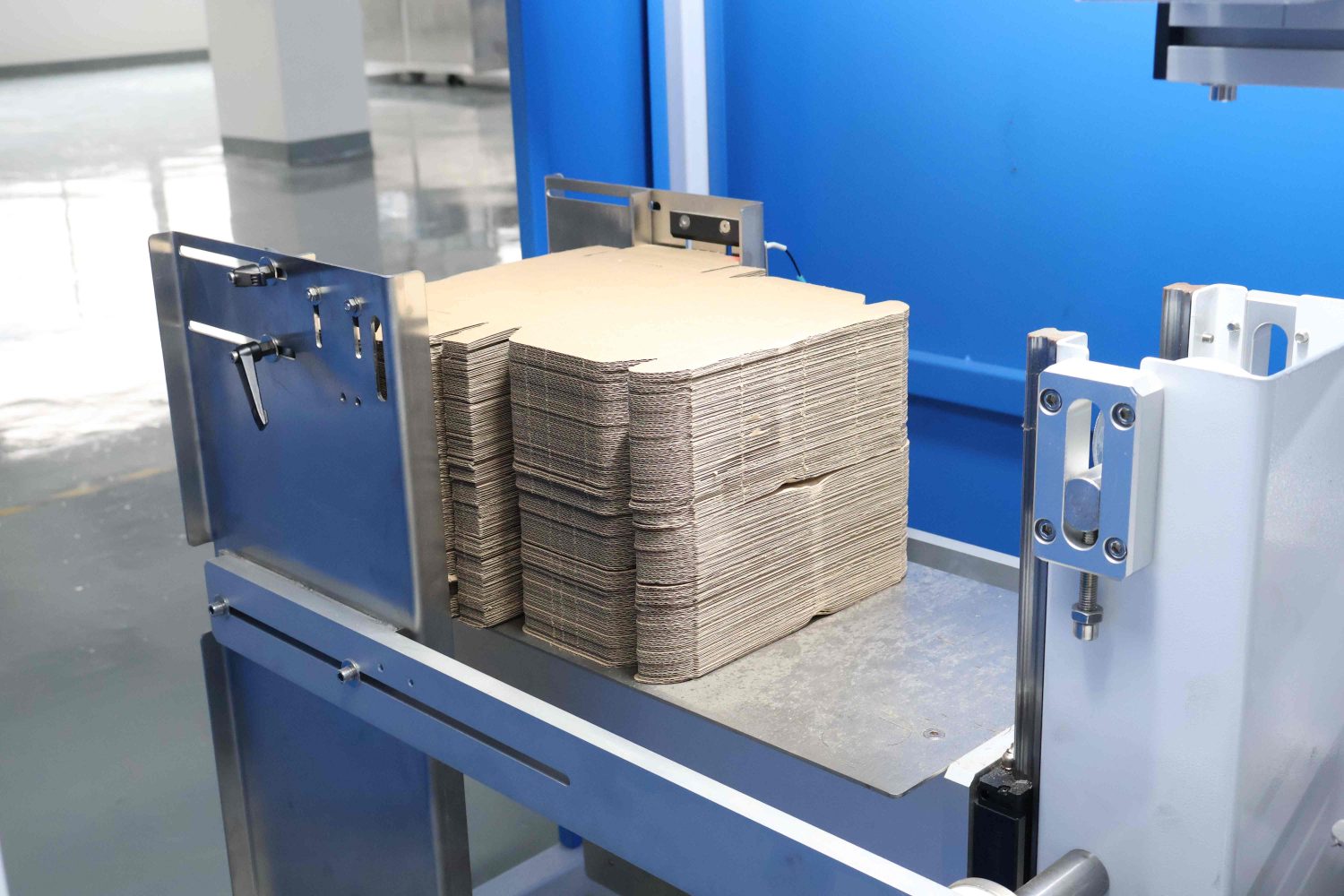
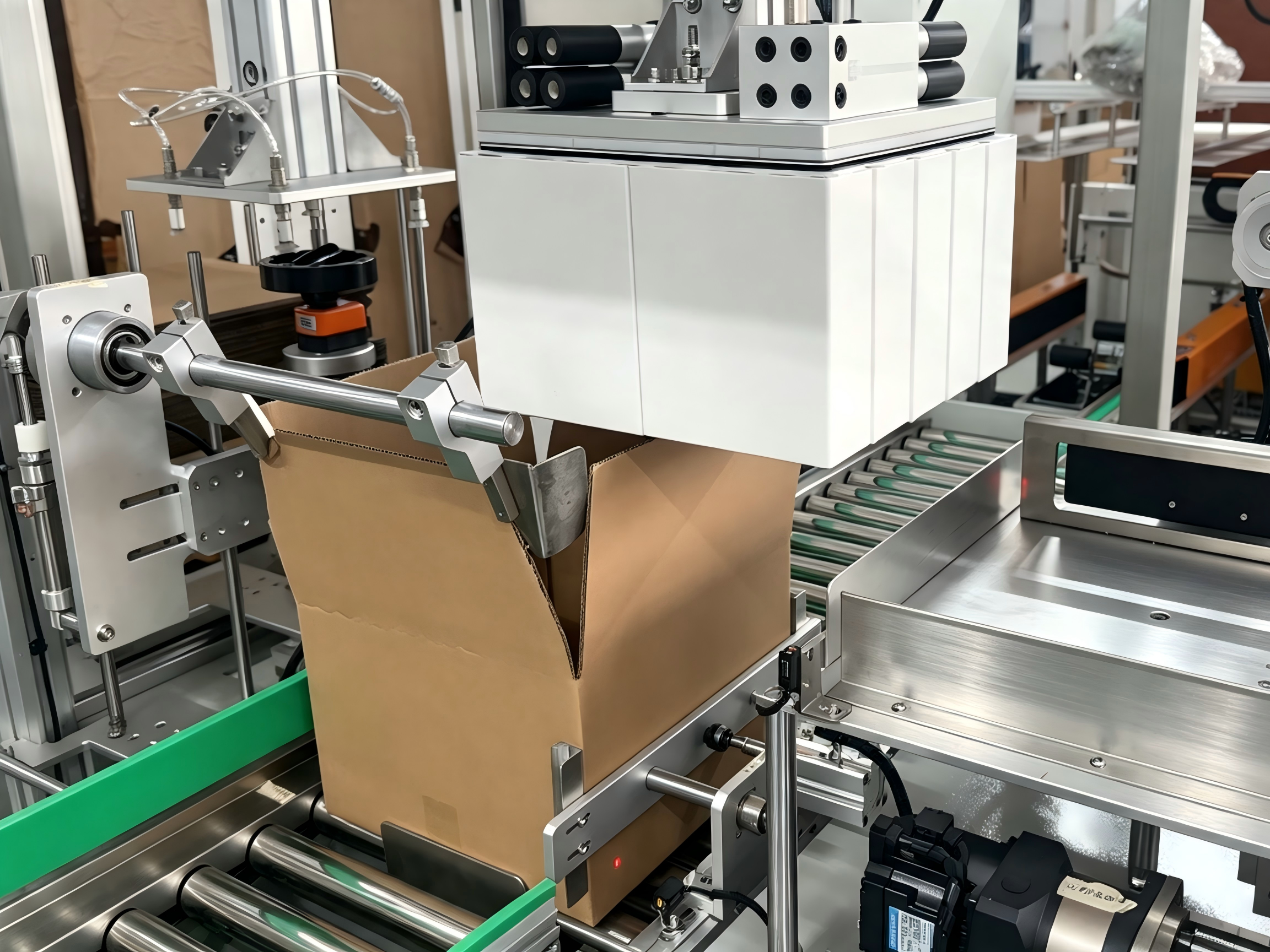
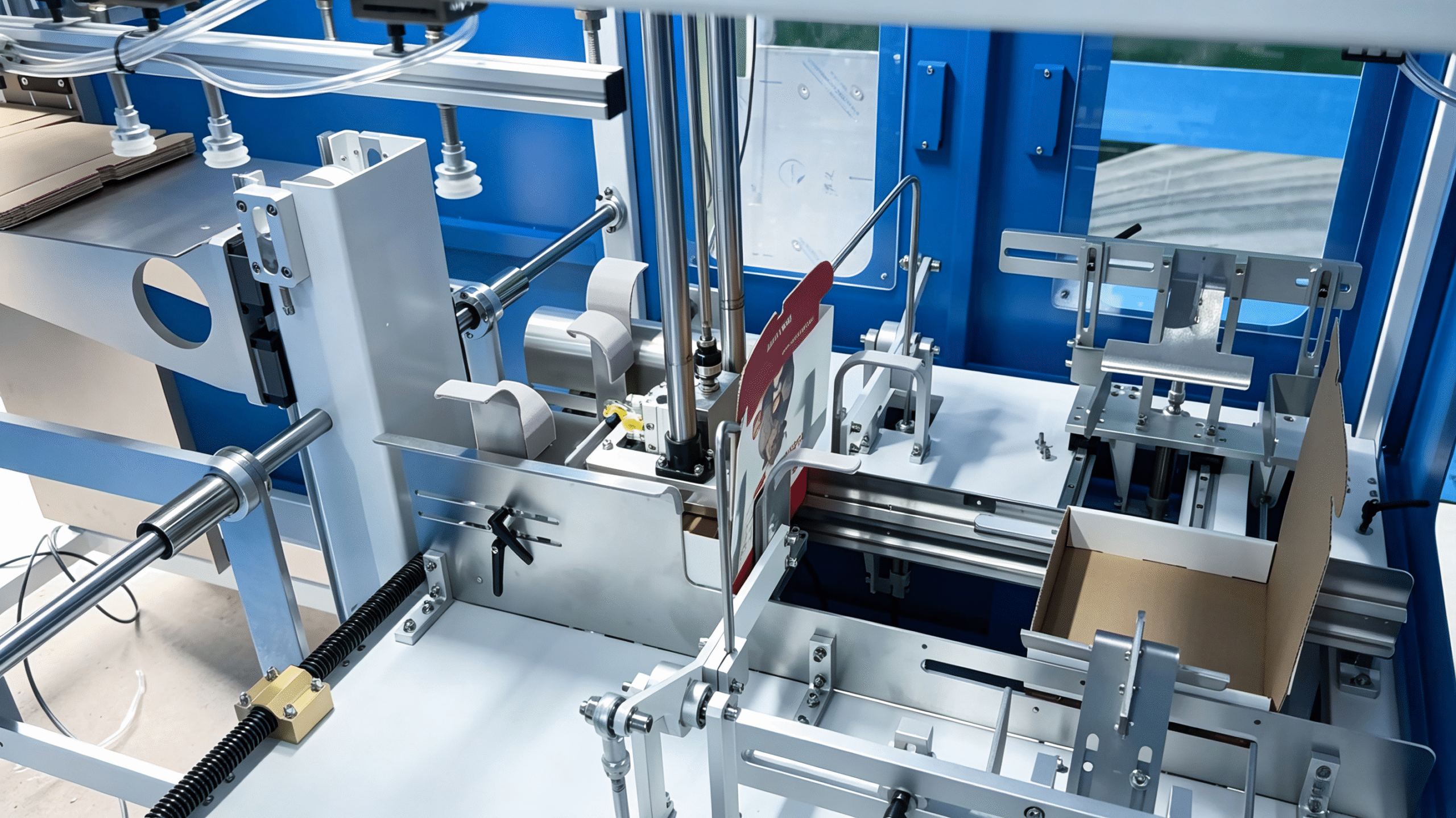
Read what a print and apply labeling machine actually does before writing the specification. The machine decides how a label is printed and applied, not what the code means.
What UBL takes responsibility for
On the machine side, the interface is the printer, the applicator, the trigger that says a spool has arrived, the reader that checks the label afterwards, and the signals between stations and the line controller. What the code points at, which record exists for it, and what a serial is worth in your system are not mechanical questions. They sit with the ERP or MES and whoever integrates it. Settle that alongside the mechanical scope, or it arrives late.
The station itself is described in where labeling sits on a filament packaging line, and the choice of head is a separate conversation from the choice of code.
| Element of the label | With a batch code | With a per-spool code | Where the value comes from |
|---|---|---|---|
| The code on the label | Fixed for the whole run, so it can be printed on stock in advance | Different on every spool, so it has to be produced at the station | Your system holds the value, the machine only moves it |
| The human-readable line | The same for every spool in the batch, which is easy to read off a stock roll | Unique per spool, which is what lets a customer quote it on the phone | Master data, and it is where a stale value usually sits |
| Material and weight data | Constant per batch, so it is settled once | Pulled per spool, so it has to travel with the unit record | Your MES system, not the printer |
| A reprint after a damaged label | The stock roll is consumed, another one has to be ordered | A reprint can reuse the same value, which is what a unit identity needs | A written rule, plus a record of the reprint |
| Changeover between batches | A new stock roll, and the file and the roll have to match | No stock change, the value changes at the printer | The label file and the feed the printer reads |
Label content is where the two models start to cost different money. A batch code fits on a small label and can be pre-printed by whoever holds the paperwork. A per-spool code needs the data source live at the station, and the label must carry enough to read back without a scanner.
The flange is where the identity has to sit if the customer is going to read it back without a scanner. A code on the box is for a warehouse that has a scanner, and a code on the flange is for a person standing in a room with a phone.
What the Model Does Downstream
The service desk and the customer
When a spool comes back, the desk reads the code and asks a system. With a batch code the question is usually which lot, and the answer is usually enough, because material problems travel with the lot. With a per-spool code the desk can also answer which spool, which matters when the customer says this one spool is damaged and the rest are fine.
The cost of that extra answer is a record for every spool, and that record is a new object in the system. It has to be raised when the unit is packed, updated when it is reworked, closed when it is scrapped, and kept long enough to answer a question arriving years later. A plant that has only ever managed batches tends to price this at nothing.
Shipping documents and the warehouse
The label and the paperwork have to agree. If the spool carries a serial and the packing list carries a batch, the customer who scans the label gets a value the shipping side did not write down, and the desk cannot match a return to a shipment. The code on the label is the one a customer can read, so the shipping documents carry it too.
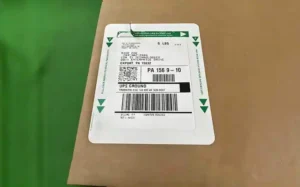
The box label and the spool label are read by different people for different questions. The box label is read at the dock and at customer receiving. The spool label is read by whoever handles one unit afterwards, if anyone does.
Withdrawal and recall
Withdrawal scope follows the code, and that is the part of filament label architecture a plant leaves until a customer asks. A batch code withdraws a lot. A serial withdraws a unit, but only if the units can be found, which means the unit records must be searchable by the attributes the withdrawal is written against, not only by the code. A serial that cannot be searched by material lot narrows nothing.
| Who touches the code | With a batch code | With a per-spool code | What breaks if the label and this row disagree |
|---|---|---|---|
| ERP or MES master data | One batch record, and a label file that reads from it | A unit record per spool, linked back to the batch | Codes that read cleanly and point at a record that does not exist for that unit |
| Shipping documents and the warehouse | Documents list the batch | Documents list the serial, so the packing list changes shape | A customer scanning a serial that no shipment document mentions |
| Customer service desk | Answers which lot | Answers which spool and which lot | Returns that arrive with a code nobody can search |
| Withdrawal | Scope is the lot | Scope is the unit, but only if units are searchable by lot | A withdrawal issued against a lot that no longer resolves to units |
| The customer scanning the pack | Learns the lot, not the spool | Learns the spool, if the code resolves on their side | A customer who photographs the label and reaches a page that answers nothing |
A withdrawal is the test that shows whether the model was chosen on purpose. The customer desk, the warehouse and the customer in front of the pack all read the same code, and each asks a different question of it. If the code can answer only one of those questions, the other two quietly become a phone call.
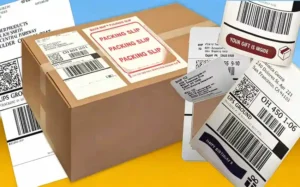
When a withdrawal goes out, somebody prints a list and somebody reads labels off boxes. The model decides whether that list names a lot or a spool, and whether the plant can produce the second kind of list from the records it keeps.
What to Ask Before the Printer Is Ordered
These are data questions, and they belong in the specification rather than in the meeting after the machine arrives. Filament label architecture is decided on paper, months before a printer is switched on. Which record the code points at, and whether it exists today. What the label looks like when the value is missing, because a printer asked for a value it cannot get still has to do something with the spool in front of it. What the customer reads aloud on the phone. Whether the label code and the shipping code match.
And one more that gets forgotten, what happens to the codes already on the shelves. A change of model after goods are packed means old labels are still out there, and the system has to hold both for a while.
The Decision Is Not the Printer’s
Our labeling machine range can print a batch and print a serial with the same head, and which one a plant carries is decided on your risk, your shipment pattern, your records and your customers. Not on the printer.
For the build side of the code, how a code is put together on a filament line is covered separately. The part that is easy to skip is the decision about which identity the label should carry, and that comes first.
[Tell us how the code on your packs is read after the goods leave, a batch, a spool, or both. Engineering will say what the label has to carry and what the printer must do.]
Email: helen@huanlianauto.com
FAQ
Must every filament spool carry its own code?
Not in every case. A batch code answers which material lot a spool belongs to. A per-spool code answers which individual spool it is. Which one a plant needs depends on what it is asked after the goods leave, so the answer comes from the risk assessment rather than from the printer.
Is a batch code enough for customer disputes?
Often yes, because material problems travel with the lot. When a customer sends one spool back from a mixed shipment and the plant has to say which carton it came from, a batch code on its own is not enough. A per-spool code, or a label carrying both, is what carries that detail.
What changes on the packaging line when the model moves from batch to per-spool?
Three places. The label stops being a pre-printed stock item and becomes something printed at the station, the data source becomes a dependency of the packaging run, and a reprint after a damaged label has to keep the same value. Everything downstream, the records, the shipping documents and the desk, changes with it.
Who decides whether the plant needs batch codes, per-spool codes or both?
The plant does, together with the people who own the records and the risk. An engineer can describe what each model asks of the machine and what each one costs to run, but the choice of what the plant must answer after a return or a withdrawal belongs to the plant.
Does a per-spool code mean the label has to be printed on the line?
It depends on where the value comes from. With a static label the code is printed in advance and the value travels on a stock roll, so the batch has to be decided before the run starts. With a print-and-apply station the value is produced as the label goes on, so the printer needs a data source and the line waits for it.