Insertion machine damage criteria are the three acceptance concepts that get left vague on a purchase: how hard the machine is allowed to grip, what counts as damage to the product, and what the machine does when something goes wrong. Each is a document, and each has a name against it.
One plant bought an insertion station to place a bagged spool into a mailer box. The grip was described as firm, and set that way because the pack is heavy and slippery in a bag. The plant accepted the delivery on speed.
Six months later the customer sent back a complaint about a scuff on the print. The machine had not changed, and neither had the grip. The bag had changed, slightly, and a setting right for one bag film was too hard for the next one.
Nobody could argue about it, because no document had ever said how hard the grip was allowed to be. That is what the insertion machine damage criteria are for, and it is why they are written before the machine arrives rather than after the first complaint.
Three Concepts, Three Separate Documents
Gripping, damage and recovery are usually bundled into one line in a specification. They should not be, because they are decided at different moments by different people and they fail in different ways. The insertion machine damage criteria set is three documents, not one, and each of them belongs to the plant rather than to the supplier.
| Concept | When it is decided | Who is in the room | What it needs written down | How it usually fails |
|---|---|---|---|---|
| Gripping | At the machine, on the real pack | The operator and the supplier engineer | A limit and the way to measure against it | The grip is set by feel and goes unwritten, so it drifts |
| Damage | When a box is judged | Quality, with the plant’s own inspection routine | A definition of what counts as damage, and who judges it | Two parties count different marks and argue about the count |
| Abnormal recovery | When the machine faults | The operator alone, usually | What the machine does, and what the operator does | The operator finds a way round it and nobody writes it down |
Why gripping is a number the plant has to set
A machine that picks up a product has to apply force. The force is what holds the product while it is moved and released. The limit on that force is not a property of the machine. It is a property of the product and of the packaging around it, which is why the gripping force limit belongs in the insertion machine damage criteria rather than in the machine specification.
A bagged spool has two surfaces. The film, which is soft and slippery and changes its grip with every batch the plant buys. And the spool itself, smooth plastic or cardboard. The machine grips one or the other, and the limiting case is the film.
The vacuum bag tail seal article on this site covers the other end of the same problem, where the bag is too rigid for the station. This one is the end where the bag is too soft. Both come from the same place: nobody wrote down what the film does.
What a gripping limit actually looks like
A gripping force limit is only useful if it can be checked without a force gauge. On a production machine that is rarely available, so the limit has to be expressed as something the plant can see.
The workable approach is a damage test. Take a pack from the current production run, put it through the gripper at a setting the plant is willing to accept, and look at what the gripper leaves on it. Then take another pack and do it again, and again, until the marking appears consistently. The gripper setting at that point is the limit for that film, and it is expressed in something an operator can reproduce on the machine in the morning. This is what turns the insertion machine damage criteria from a document into a setting.
| What the plant checks on the gripped pack | How it is checked | What it tells you | What it decides |
|---|---|---|---|
| Whether the film is marked where the gripper took it | By eye, under the light the inspection bench uses | Whether the grip is too hard for this film | The gripper setting |
| Whether the mark is on the print or beside it | By eye, against the artwork | Whether the gripper is in the wrong place rather than too hard | Where the gripper sits |
| Whether the pack is deformed | By handling it and looking at the film | Whether the grip is crushing something inside the pack | Whether this gripper suits this pack |
| Whether the grip slips | By watching the transfer at speed | Whether the grip is too light | The gripper setting, in the other direction |
| Whether the mark is on the product or only on the film | By opening the pack and looking | Whether the product itself is being marked | Whether this is a damage issue or a cosmetic one |
The damage definition, and who judges it
Damage needs two definitions, and the second causes the argument. Together they are the product damage definition, and the second half is the half nobody writes down.
The first is what counts as damage. A mark on the print, a scuff on the spool flange, a corner of the box crushed, a scratch on the film. Each of these is a thing a plant knows about and has an opinion on. What usually does not exist is a written list.
The second is who judges it. And this is where the dispute comes from, because the machine supplier and the plant each have a natural position. The supplier’s position is that the product arrived damaged and the machine handled it correctly. The plant’s position is that the product was fine before the machine touched it.
Both positions are reasonable and neither settles it. What settles it is a check method both sides accept, applied to packs taken from the line rather than from a table, and a person on the plant with authority to call it. That person is what the mark and scuff judgement reduces to in practice.
The gripper doing what a gripper does. This is where the force question lives, and it is a question about the product in front of it rather than about the machine in general.
Abnormal Recovery
The third concept is the one that gets skipped, because it only matters when something has already gone wrong and everybody assumes the machine has been thought about.
Three separate behaviours, and they are separate because a machine can do one of them and not the others. Together with the fault log they are the abnormal recovery behaviour the insertion machine damage criteria have to name.
Does it stop safely. Not just stop. Stop in a state where the product is not being crushed further, where the box is not damaged by the machine continuing to act on it, and where the operator can get in without taking it apart. A machine that stops with the gripper still closed is stopping, but not stopping safely.
Can the operator clear it. A jam that needs the machine taken apart is a fault the plant cannot recover from on its own, and on a line with no buffer behind it, that is a line-down event rather than a nuisance.
Does it remember where it was. If the machine carries on from the point of the jam, the cost is the time to clear it. If it starts again, the cost is that plus the waste of everything in the machine behind that point.
| Recovery behaviour | What it looks like on the machine | How the plant checks it | What it costs the plant if it is missing |
|---|---|---|---|
| Stops safely | The gripper releases, the drive holds, the panel shows a fault rather than continuing | Jam the machine on purpose and watch what the pack is doing while it is stopped | Every jam turns into a damaged pack on top of the jam |
| Operator can clear it | The jam point is reachable from the front, and no tools are needed | Time the clear, on the fault the plant’s own operators will see | A maintenance callout for something an operator could have done |
| Remembers position | On reset the machine resumes rather than starting its sequence again | Reset the machine and watch whether the packs behind it are run again | The waste of everything already in the machine |
| Records the fault | The fault is in the log with the reason and the position | Read the log after a real jam, not a test jam | The same fault investigated again from scratch |
| Recovers without help | The machine clears some faults on its own | Build the fault and see whether it retries | The operator’s attention every time |
Testing the recovery is the part that gets skipped
None of the five behaviours above is visible on a delivery. They are visible when something goes wrong, and something going wrong is what a delivery is designed to avoid.
So the recovery behaviour has to be in the acceptance scope, as a list of fault conditions built deliberately and run into on purpose. That is the same discipline as the bagged spool insertion test, and it is worth running the two together: the insertion test builds the fault in the pack, and the recovery check runs the machine into it. The jam recovery procedure is the document that results.
Writing the Criteria
Three short documents, written before the machine arrives, each written by the party that will live with it.
The gripping criteria is the shortest. It names the packs the limit applies to, the check the plant uses to judge the grip, the setting that passed, and who adjusts it when the film changes. The film changes often enough that the last part is the important one. With the other two it makes the insertion acceptance criteria.
The damage criteria is a list with a method and a judge. What counts as damage, how it is checked, whose pack it is checked on, and the name of the person on the plant who can call it. Without a named judge, the argument goes to whoever has the most patience.
The recovery criteria is a list of fault conditions and the expected behaviour for each. It is the one that has to be written by somebody who has seen the machine fault, which means the supplier engineer, not the salesperson.

A camera looking down at the pack as it goes past. A station that can see a mark is a station that can judge one, and the damage definition is easier to hold when the check is the same check every time rather than a person looking at a box in good light.
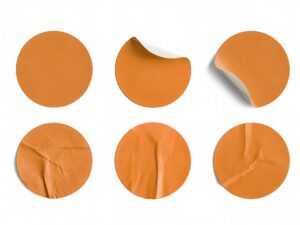
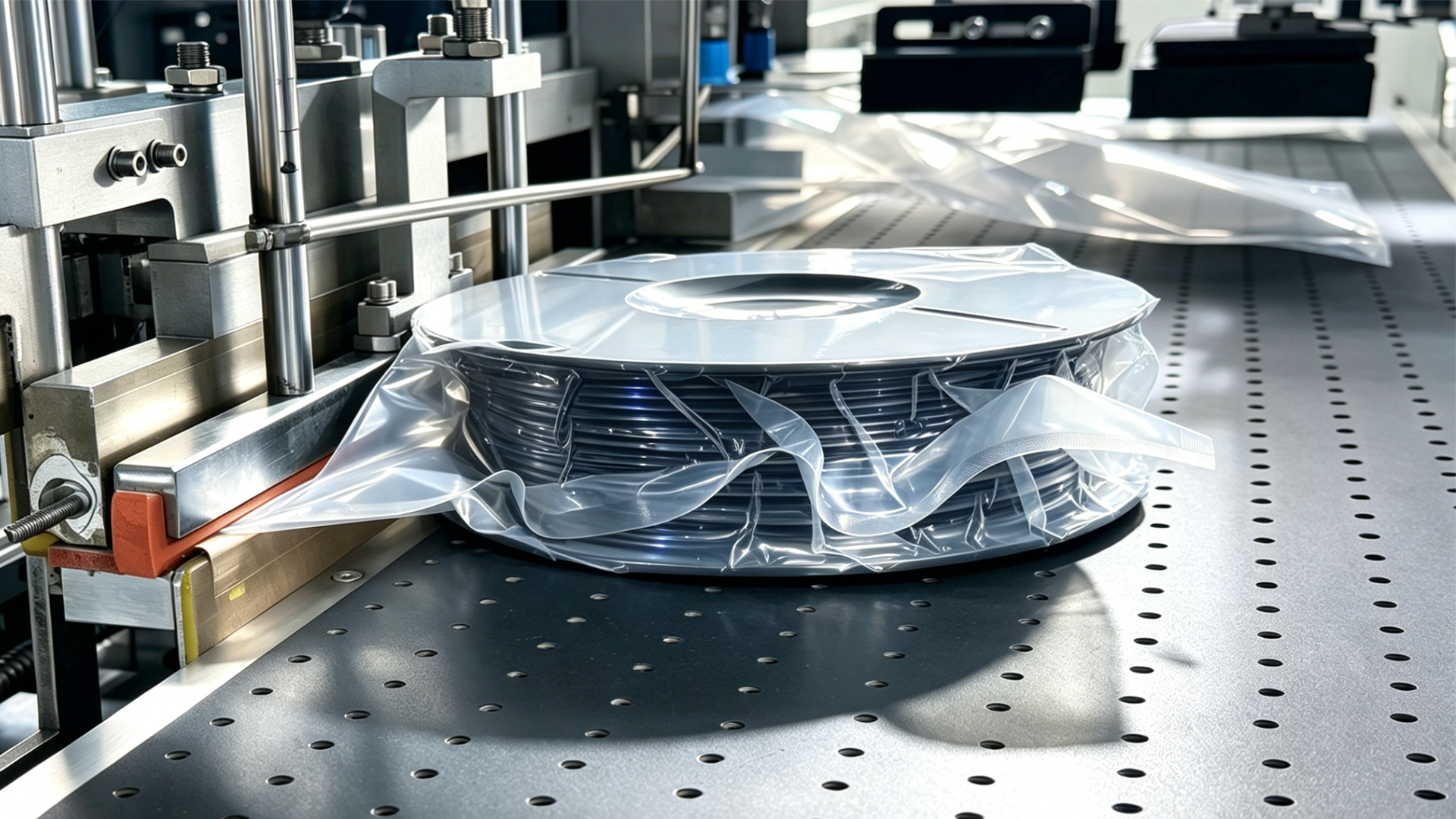
Wrinkles and curl, the marks a gripper leaves when it holds too long or too hard. This is what a damage definition is for: it says which of these get called damage, because they are otherwise a matter of opinion between the plant and whoever supplied the machine.
The cartoning machine acceptance test checklist on this site covers the checks at handover. These three criteria are what those checks are measured against, and writing them first is what makes that checklist worth running.
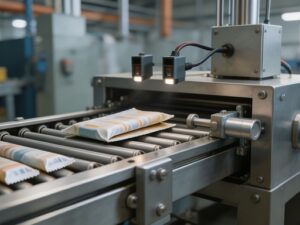
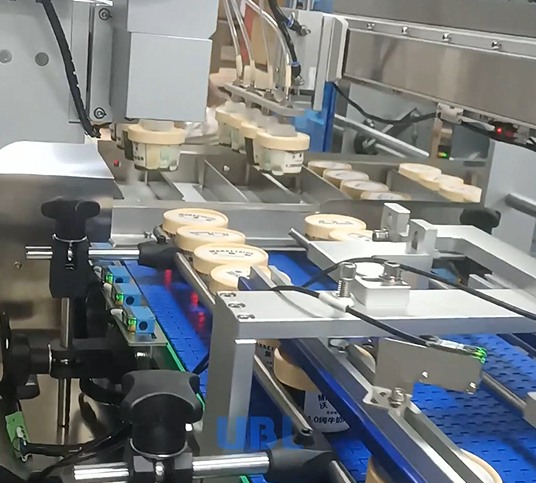
Sensors watching the product before it is handled. A station that can see a double pack or a skewed pack before it reaches the mechanism is a station that stops rather than jams, and the difference between those two is most of what the recovery check is looking for.
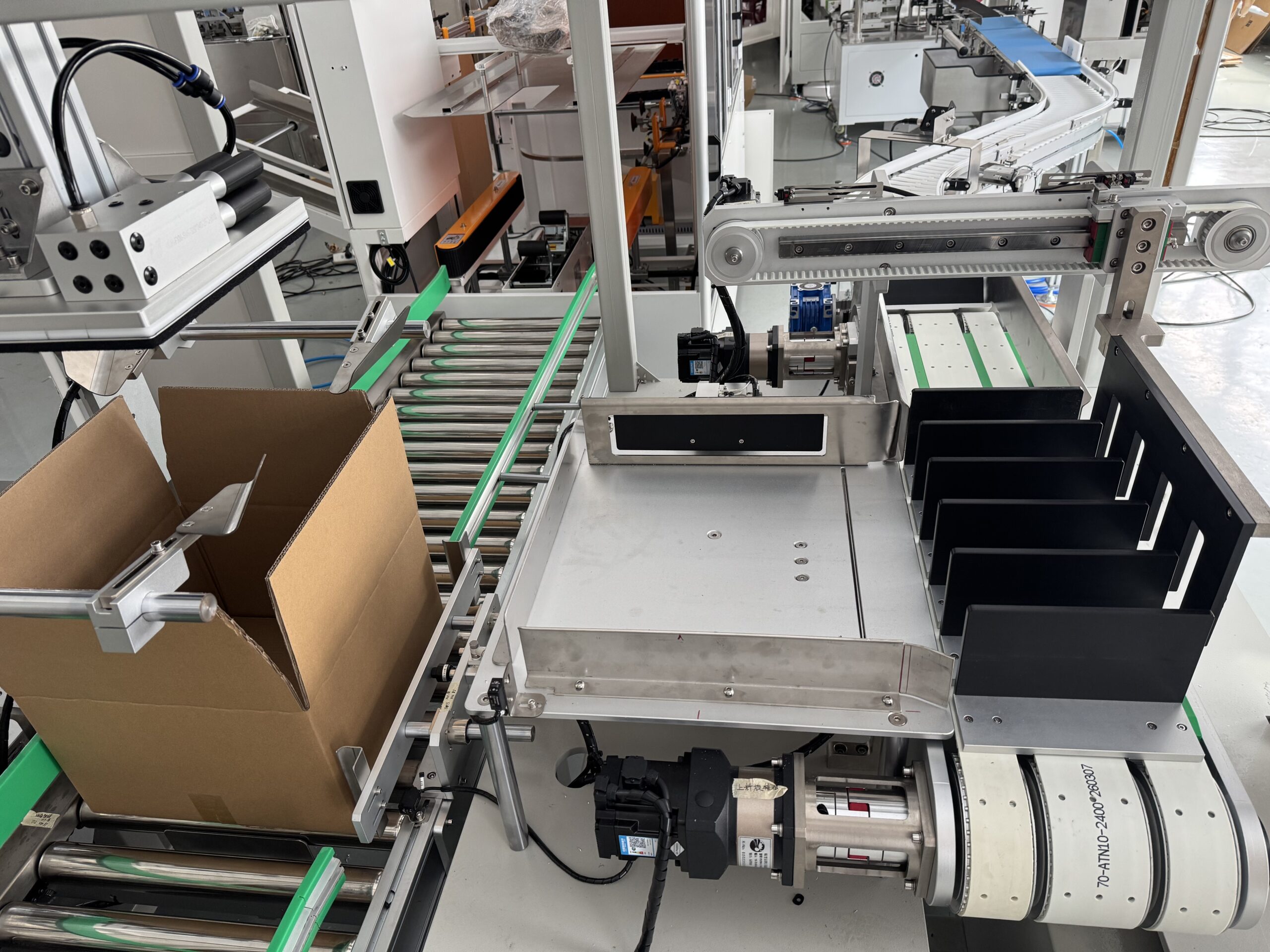
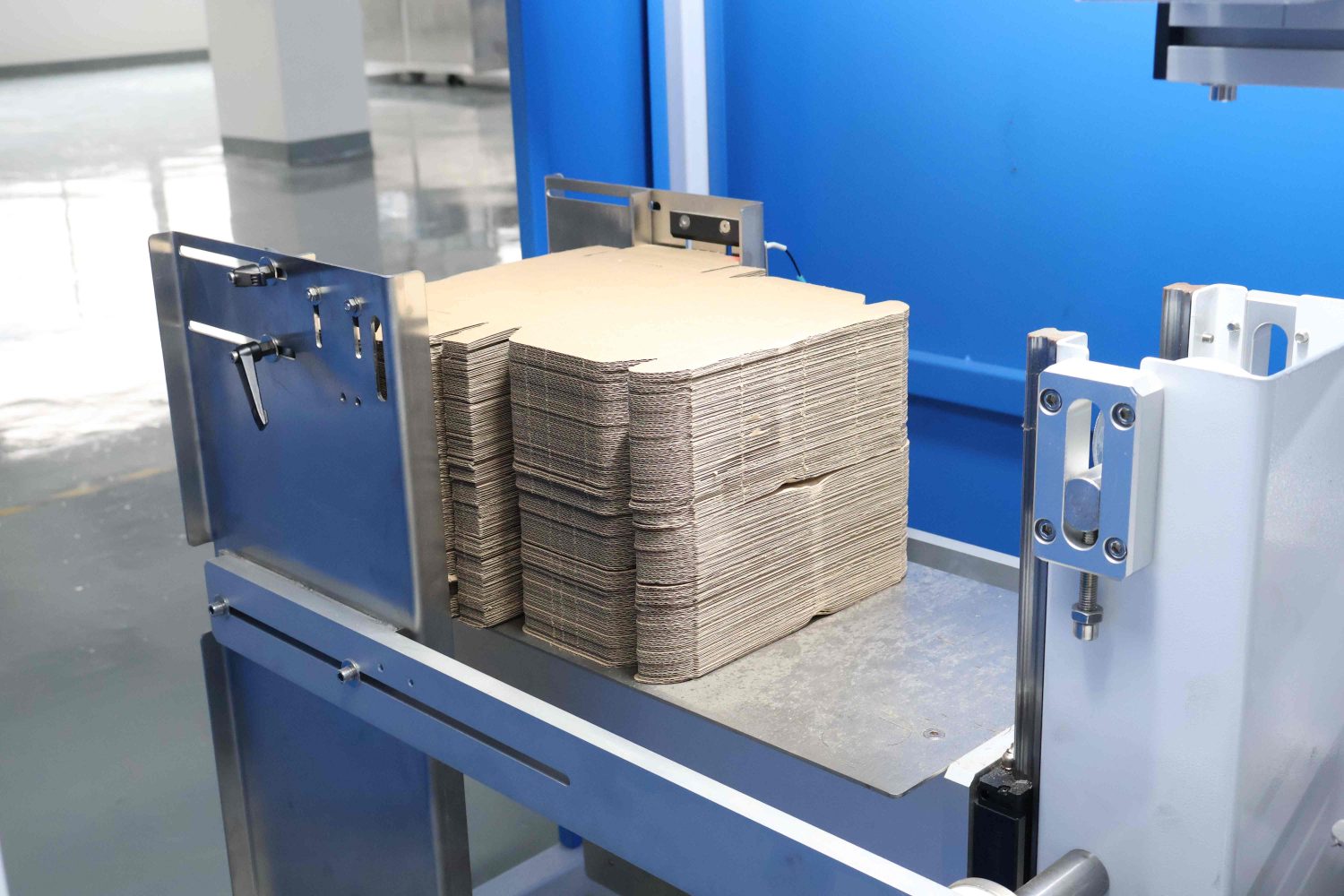
The equipment on the station is in the cartoning machine range. A supplier quoting from that range should be asked, before the quotation is signed, what the gripping limit is on their machine, what they call damage, and what their machine does when it faults. All three are answerable, and a supplier who answers them in writing is a supplier whose machine will fit the plant.
[Send us the pack you run and the film you buy, and we will tell you which gripping checks to write into the criteria and how to judge damage without a dispute.]
Email: helen@huanlianauto.com
FAQ
What should an insertion machine damage criteria set cover?
Three documents. The gripping criteria, which names the packs it applies to and the check used to judge the grip. The damage criteria, which says what counts as damage, how it is checked, whose pack it is checked on, and who judges it. And the abnormal recovery criteria, which lists the fault conditions that will be built deliberately and the expected behaviour for each.
How do you set a gripping force limit without a force gauge?
By damage testing on the real pack. Run packs from the current production film through the gripper at increasing settings until the marking appears consistently, and treat that setting as the limit for that film. It is expressed in something an operator can reproduce on the machine, which is the form that is useful on a production line.
Who should decide whether a mark counts as product damage?
A named person on the plant, working to a written definition, checking packs taken from the line rather than from a table. The supplier and the plant each have a reasonable position on any given mark, and neither position settles it. What settles it is a check method both sides accept, applied the same way every time.
What should abnormal recovery behaviour include?
Whether the machine stops safely without the pack being crushed further. Whether an operator can clear the fault without taking the machine apart. Whether it resumes from where it stopped rather than running everything behind it again. Whether the fault is logged with a reason. And whether some faults are cleared without an operator. Each is observable, and each is checked by building the fault on purpose.
Does the film the plant buys affect the gripping criteria?
Yes, and this is the point most often missed. The grip limit belongs to a film, not to a machine. A batch of film that grips differently moves the limit, which is why the criteria need to name who adjusts the setting when the material changes and what check they use to decide it.