A wage savings verification is the work of taking a proposed bagging machine apart into the two numbers the plant will live with once it is installed, and checking each against a record rather than a brochure.
Most approvals for filament packaging automation fail on the same pair of figures. The proposal says what the station takes off the operator’s hands, and what the machine will need over its life. The first is usually a count of task seconds from one station, the second usually a spare parts list at the supplier’s own catalogue rates. Neither has been checked against the plant’s records.
Read the maintenance column first. It depends on no argument about how people are deployed: it is a list of consumables and a list of work, and both can be read off records today. The wage column comes second, because it needs a staffing decision not yet made. Doing the labor cost verification in the order the proposal presents them is how a capacity argument ends up signed as a wage saving.
What the Approval Actually Has to Prove
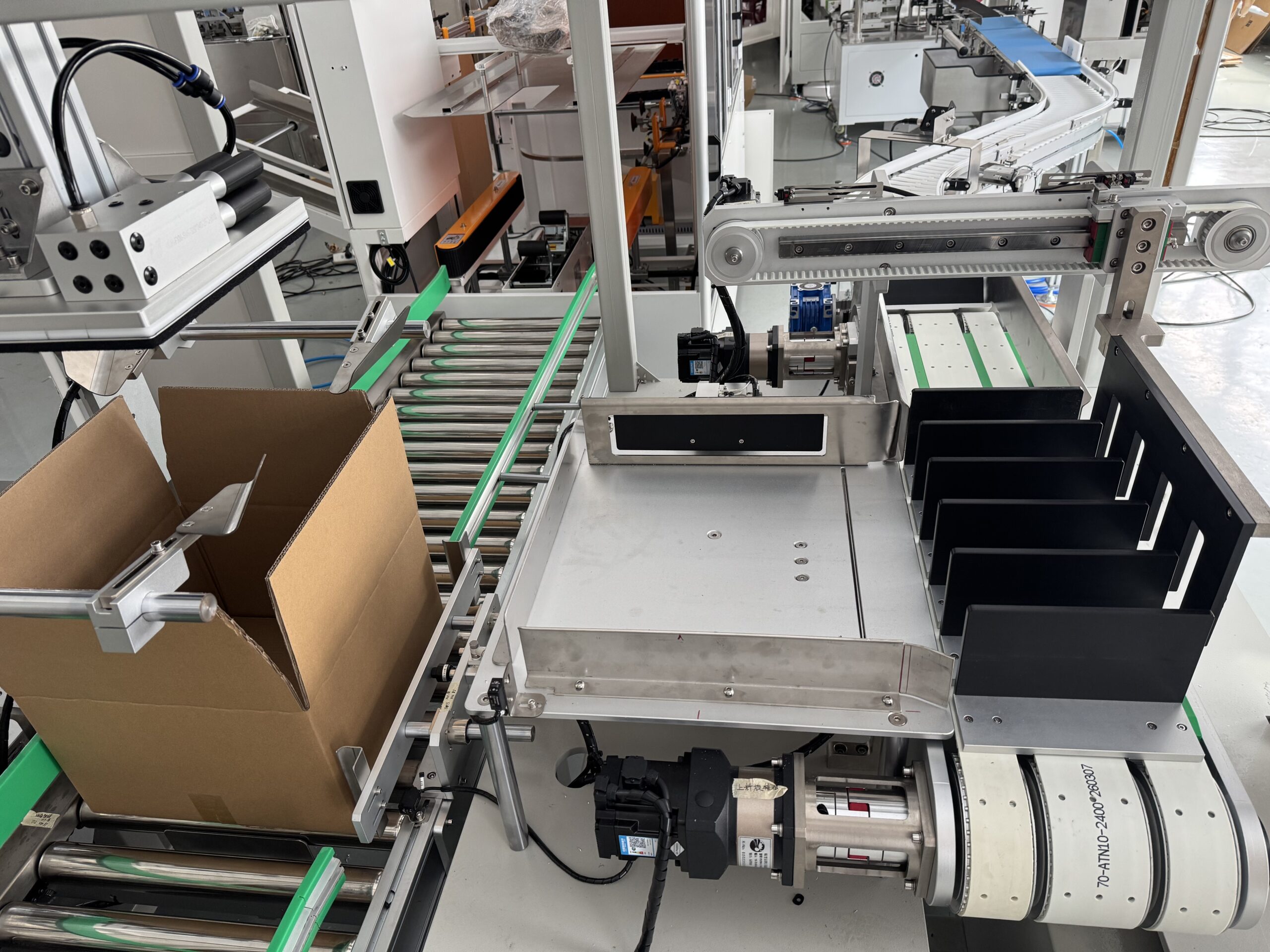
The plant manager signing this is not being asked to judge the machine. That case is a separate argument. What the sign-off is about is whether the wage line changes and what running the machine costs. The equipment sits in the bagging machine range, and the supplier will fill in both columns of the sheet.
This is a different exercise from two others on this site. Finding which station a filament line is short of works out where the constraint sits. Measuring what a change did to the line comes after the machine is running. This one sits before the purchase order.
What the Approval Actually Has to Prove
An approval for a bagging station rests on two columns, and the meeting is really about the two columns rather than the machine. Each has to be filled from a source the plant controls. The wage savings verification is not a re-read of the proposal. It is the work of putting each figure next to the document it claims to come from.
| Column | The question it answers | Where the answer has to come from | An answer that is not evidence |
|---|---|---|---|
| The wage line | Does a wage leave the plant, or does a person move to another station | The shift roster and the payroll journal, over comparable windows | Task time released at the station, written up as a headcount change |
| The maintenance line | What will the station consume, and who does the work on it | The material issue slips, changeover log and service history | A parts list with no service visits, no consumables and no labour in it |
The two columns are not equally hard
The wage column is the one people get wrong, and it goes wrong in a way that looks right. The maintenance column is usually just incomplete, which is easier to fix because the omissions show up once someone asks for the sheet.
The Wage Side: Task Time Is Not a Wage
The plant already knows how long the manual bagging step takes, and the proposal says how much of that the machine removes. The number is real and worth something. What it is worth depends on which of four things is being claimed, and the wage savings verification starts by naming which one.
| What is claimed | What it actually proves | What it does not prove | The record it comes from |
|---|---|---|---|
| Hands-on time falls at the station | The station needs less of the operator’s attention | That any wage stops being paid | A time study on the manual station, or the machine’s cycle report |
| The operator moves to another station | The work moved | That the payroll changed | The shift roster before and after |
| A position comes off the roster | The wage line changes | That the change survives a slow season | The roster line that disappears, and the payroll journal |
| Paid time stops appearing on the payroll | The cash moved | Nothing further. This is money | The payroll journal over comparable windows, and the agency invoices |
Why the middle two rows are not money
A person moved from bagging to cartoning has not become cheaper. The plant has the same people on the same payroll doing the same work, arranged differently. That may be the reason the line can grow without a hire, but it is a capacity case and has to be argued as one.
The last row is genuinely cash, and the easiest to check, because the accounts have already done the work. Overtime that stopped appearing, agency shifts that stopped being booked, a temporary position that was not renewed. When the wage savings evidence is thin, this is usually the row that saves the argument, because a payroll journal is hard to argue with.
The Maintenance Side: Build the Figure From the Machine’s Working Life
The maintenance figure in a proposal is normally a parts list. It is not wrong, it is incomplete, and the incompleteness runs one way: it omits everything except the parts themselves.
Building a proper maintenance cost estimate means adding the lines a parts list cannot see. Each one has a maintenance cost record behind it in a plant that already runs comparable equipment.
| Line item | What it covers | The record that reveals it | What a parts list leaves out |
|---|---|---|---|
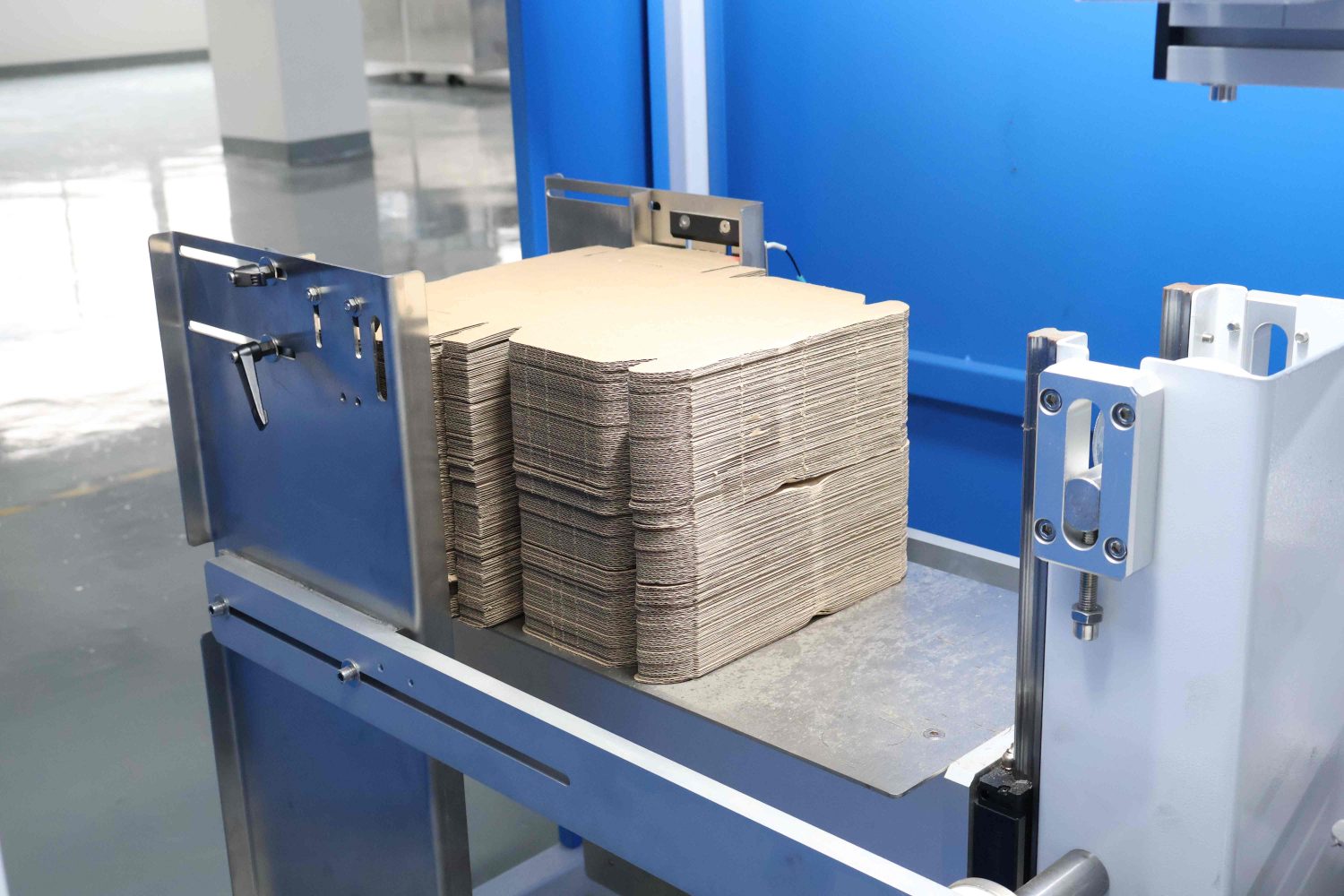
| Consumables | Bag film, seal material, and the web the machine draws off | The stores issue slips against this station | Film consumption is the largest running cost at a bagging station and does not appear as a part |
| Wear parts | Seals, heaters, cutters, belts and the wear items in the drive | The service history of a comparable machine the plant runs | Wear parts bundled into a service visit instead of shown separately |
| Format change cost | The parts replaced and the time taken when the spool format changes | The changeover log, with parts used and time spent | Changeover treated as production time and left out of the figure |
| Service and response | Callouts, travel, and the wait between the fault and the arrival | The service agreement terms and the plant’s fault log | Response time written as a promise rather than measured against past callouts |
| The plant’s own labour | Who does the cleaning, the adjustments and the strip-down | Maintenance time in the shift log, and who does it | The time a plant worker spends on the machine is invisible in a quotation |
| Downtime caused by the station | What the line loses while the station is stopped | The line downtime log, with reasons against each stop | Downtime is counted as a line cost, and not as a cost of the station |
The item that arrives after the purchase order
Two of these lines are usually missing because nobody thinks of them until the machine is running. The first is the plant’s own labour. A new station arrives with routines nobody on the floor has done before, and for a period the plant runs two shifts on a machine it does not yet know how to service. The overtime and unclaimed time in that period are part of the maintenance cost, and they are knowable in advance.

This is the step the wage argument is usually built on. Hands moving sealed packs into cartons, with people at the bench rather than a station running on its own. The work is real and the time spent on it is real, and both are worth measuring before anyone decides what the machine does with it.
The Sheet You Take Into the Meeting
Neither column needs a model. Both need a sheet with the same four fields, filled in from a document, with an owner inside the plant accountable for it. The wage savings verification is finished when every line on that sheet has a document behind it, not when the number on the proposal looks reasonable.
Four fields, twice
For each claim: the figure as the proposal writes it, the record it is checked against, who owns that record, and the date the record closes. A claim with a figure and no record is not ready for the meeting. A claim with a figure, a record and an owner can be defended later. That is the difference between an automation cost verification that survives a challenge and one that gets re-opened every quarter.
The date matters more than it looks. Some records close quickly, and some only close at the end of a season, when the agency invoices have landed and the payroll journal is closed.
What the meeting decides, and what it defers
The meeting should end with two things named. First, whether this is a cash case or a capacity case, which is a decision about how the plant will be staffed and belongs to the plant rather than the supplier. Second, which figures are deferred until the machine is running, and on what basis each is looked at again.
Deferring is legitimate. Some numbers cannot be known before the machine arrives. Deferring without writing down when and on what basis the number will be read is not. A deferral with no date is a claim the plant has agreed to forget.
Writing the deferral into the acceptance terms
A deferred figure is worth more when it is attached to something the plant already owns. The acceptance test is the natural place for it, because that is where the plant confirms what the machine does on the plant’s own product and shift. A wage column read after installation can be tied to the acceptance run rather than to a date in a folder.
One practical point makes the records easier to join up. A plant that identifies its spools and packs with a standard key can attach the stores slip, the service record and the shift note to the same item. GS1 publishes the rules for how those keys should be used in the GS1 General Specifications.
This is the work that lands on the plant’s own people rather than on the supplier’s invoice. It is the cost most likely missing from the sheet.
What the Figure Is For Once It Is Verified
Once both columns are filled from records, the number that comes out is smaller than the number in the proposal. That is not a failure of the exercise. It is the number the plant can carry, and the one the wage savings verification was for.
A wage line that holds up means something specific: a position comes off the roster, or paid time stops appearing on the payroll. It does not mean the plant can hire with the difference. One line of the payroll is shorter, and the rest is a capacity gain.
The maintenance figure that holds up is a fuller number than the one on the quotation, and the difference between them is the plant’s own time, its stock of spares and the consumables that come off the roll every time the station runs.
What comes out of a proper wage savings verification is a smaller claim and a defensible one. A plant that walks into the approval meeting with the wage savings evidence on the sheet has already had the argument with itself.
The equipment itself is described in the filament bagging machine guide. That part is settled by the machine. What the plant settles itself is what the station does to the wage line and what it costs to keep running.

This is what both columns are about: a sealed pack that came off a station, in a bag that came off a roll, made on a machine somebody has to keep running. Every number in the approval attaches to an object like this one.

Adjustment time belongs in the maintenance column too. A station that needs attention on every format change is one the plant is paying to run twice.
[Send us your shift roster, your material issue slips and your changeover log, and we will tell you which lines of the proposed figure your own records support, before the quotation goes to your director.]
Email: helen@huanlianauto.com
FAQ
What is wage savings verification?
It is the check that separates a figure describing time released at a station from a figure describing money leaving the payroll. A proposal often contains the first kind of number written in the language of the second. The verification takes each figure, names the document it should come from, and confirms that the document says what the proposal says.
Which records does the plant need before approving a bagging machine?
Three on the wage side and several on the maintenance side. The wage side needs the shift roster and the payroll journal over comparable windows, so that a position or a paid shift can be seen to have disappeared or not. The maintenance side needs the stores issue slips, the changeover log, and the service history of a comparable machine.
The supplier says the machine removes this much task time from the operator. Is that a wage saving?
Not by itself. It is a measurement of attention at one station, and it is a useful number. It becomes a wage saving only when it is joined to a decision about staffing, which is a change on the roster or paid time that stops appearing on the payroll. Until one of those changes, it belongs in the capacity argument.
How should the plant build a maintenance cost figure before the machine arrives?
From the parts of the machine’s working life the plant can already observe: what it consumes per run, what it wears out, what a format change costs, what the service terms promise, what the plant’s own people will spend on it, and what the line loses while it is stopped. Each has a record behind it today.
What if the plant has no records from before the machine was bought?
Then the wage column has to be built from what the plant has now: a shift roster for the current staffing and the payroll journal for the periods the plant can pull. Both are worth requesting before the machine arrives, because a claim read against a roster that has already changed cannot be checked at all. If the plant does not keep them, the wage column is written down as an expectation with an owner and a date.