
An e-commerce operations manager we spoke with recently put it plainly: “During normal weeks, we can keep up. But every sale event—Black Friday, Prime Day, Singles’ Day—our packing team drowns. We had three people just folding mailer boxes last November, and we still couldn’t fold them fast enough to keep the shipping queue moving.” The bottleneck wasn’t product picking or label printing. It was the mailer box folding machine they didn’t have—while three people were folding boxes by hand, orders were stacking up and shipping deadlines were slipping.
If you ship products in corrugated mailers, you already know the pattern: manual folding works at low volume, but it doesn’t scale. This article explains how automatic mailer box folding works, what to look for in a machine, and how fast the ROI shows up when you stop hand-folding shipping boxes.
What Is a Mailer Box?
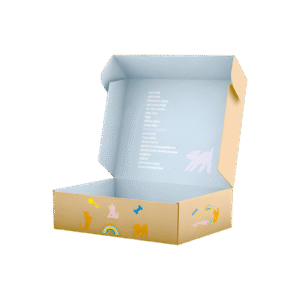
A mailer box—also called a shipping box, corrugated mailer, or mailer carton—is a one-piece corrugated structure with flaps that fold inward and interlock or tuck to close. No tape. No glue. The box ships flat as a blank and is erected at the point of packing.
Mailer boxes come in several flap configurations:
- Tuck-end mailer — Top and bottom flaps tuck into side slots. Common for lightweight retail shipping, subscription boxes, and branded unboxing experiences.
- Self-locking mailer — Flaps interlock without adhesive. Used for heavier items, multi-unit orders, and protective shipping where base strength matters.
- Crash-lock bottom mailer — Pre-glued base that pops open into a locked position. Fastest manual assembly, but requires a pre-glued blank and a compatible erector.
The global corrugated mailer market reached USD 21.4 billion in 2024, driven almost entirely by e-commerce growth and the shift toward sustainable, curbside-recyclable shipping packaging. With e-commerce itself projected to grow at roughly 14% annually, the demand for faster mailer box production isn’t slowing down.
The Manual Folding Problem at Scale
Folding a single mailer box by hand takes 8–15 seconds, depending on the style and the worker’s experience. That sounds manageable until you multiply it:
| Daily Order Volume | Boxes to Fold/Day | Workers Needed (Manual) | Labor Hours/Day |
|---|---|---|---|
| 500 orders | 500 | 1 (part-time) | ~2 hours |
| 2,000 orders | 2,000 | 2 full-time | ~8 hours |
| 5,000 orders | 5,000 | 3–4 full-time | ~14–18 hours |
| 10,000+ orders | 10,000+ | 5–6 full-time + overtime | ~25+ hours (multi-shift) |
At 2,000+ orders per day, you’ve committed at least two full-time workers to a task that adds zero value to the product. During peak events, that number doubles or triples—often with temporary workers who fold slower and make more mistakes. Misfolded mailers waste material, delay packing, and occasionally damage the product inside when a poorly formed box collapses during transit.

How a Mailer Box Folding Machine Works
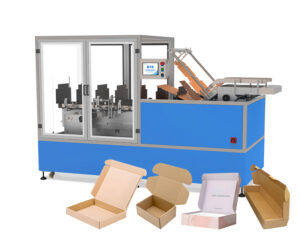
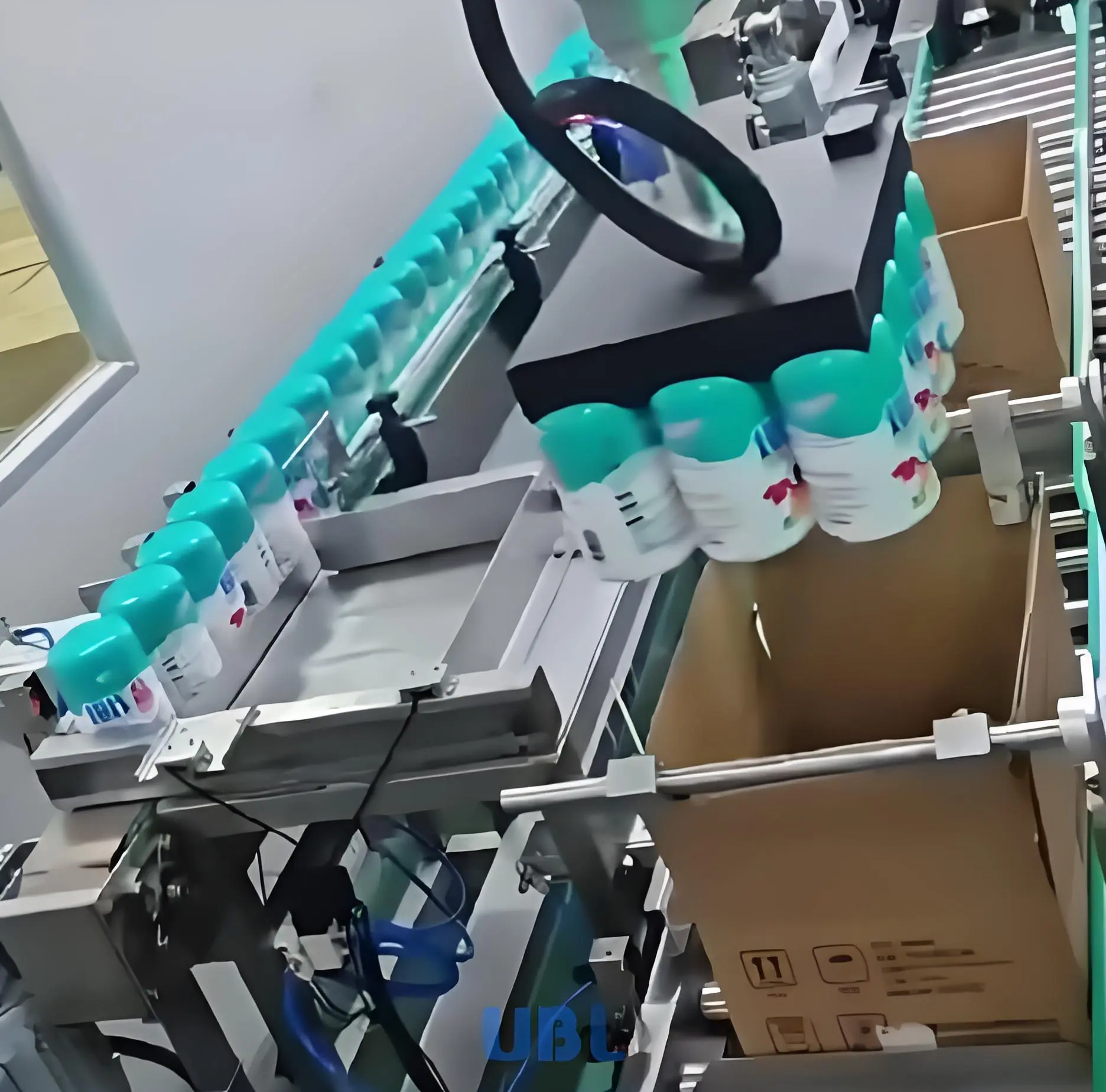
An automatic mailer box folding machine—also called a mailer erector or corrugated mailer carton erector—takes flat blanks from a magazine hopper and produces fully formed, ready-to-fill mailer boxes at the output conveyor. The process:
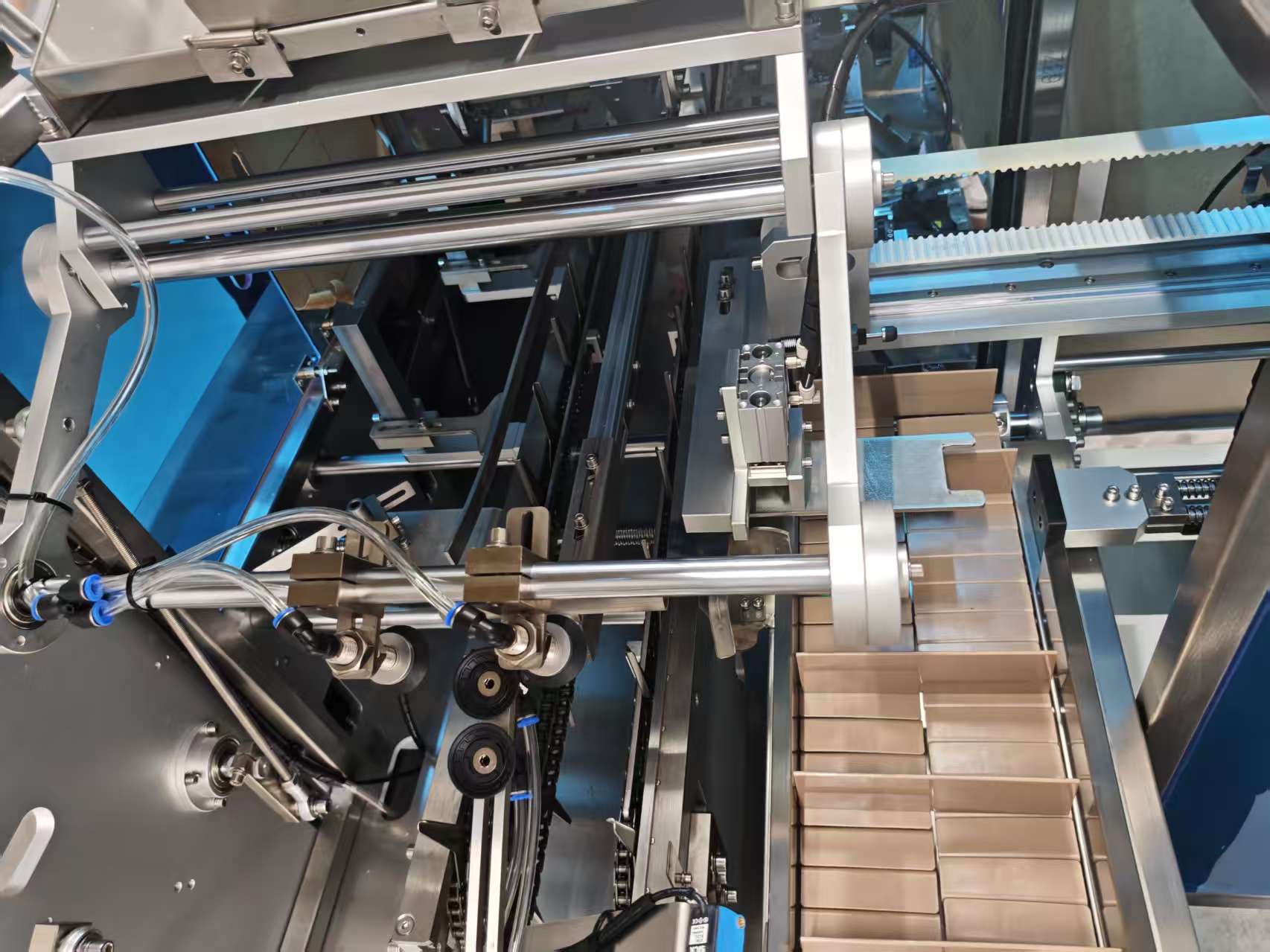
- Blank feeding — Suction cups or friction feeders pull one blank at a time from the vertical magazine stack and place it onto the folding carriage.
- Erection and base folding — The machine opens the blank into a rectangular tube shape, then folds the bottom flaps according to the box style (tuck, lock, or crash-lock). For tuck-end mailers, the tabs are inserted into their slots. For self-locking mailers, the interlock is engaged mechanically.
- Compression and verification — A pressure station confirms the base is properly formed and locked before the box advances. This prevents downstream jams caused by partially formed boxes.
- Output — Completed boxes are pushed onto an outfeed conveyor or accumulation table, ready for manual or automated product loading.
UBL’s mailer box folding machines operate at 1,800–2,400 pieces per hour, depending on box size and board thickness. A single machine replaces 4–6 full-time folding workers on a standard shift.
Click to watch the high-speed mailer box folding machine case video
What E-Commerce Operations Actually Need
Not every e-commerce shipper needs the same configuration. Here’s how the requirements break down by operation scale:
Small-to-Medium Shippers (500–3,000 orders/day)
- One mailer box folding machine at the front of a semi-auto packing line
- Machine forms boxes continuously; 1–2 workers load products and apply shipping labels
- Size changeover between SKUs takes about 10 minutes—no tools required
- This is the configuration that delivers the fastest payback, because the labor savings are immediate and the machine cost is modest relative to the workers it replaces
High-Volume Shippers (3,000–10,000+ orders/day)
- One or two mailer erectors feeding a conveyor system
- Downstream integration with automated label applicators, weighing stations, or cartoning systems for multi-item order consolidation
- Redundant capacity on the erector so that peak-day volume (2–3× average) doesn’t require overtime or temp workers
Subscription Box and Gift Set Brands
- Mailer boxes often double as presentation packaging—unboxing experience matters
- Machine-folded boxes are more uniform and visually consistent than hand-folded ones, which affects brand perception
- If you ship both standard mailers and specialty rigid boxes, you’ll need separate erectors—mailer folding machines and snap lock bottom erectors handle different structures
Key Specifications for a Mailer Box Folding Machine
| Specification | What to Look For | Why It Matters |
|---|---|---|
| Throughput | 1,800–2,400 pcs/hour | Must cover your peak daily volume in a single shift with margin |
| Box size range | L 100–400mm × W 80–300mm × H 50–200mm (adjustable) | Accommodates multiple SKU sizes without buying a second machine |
| Board thickness | E-flute, B-flute, and single-wall corrugated up to ~5mm | Most mailer boxes use E or B flute; make sure the machine handles your spec |
| Changeover time | ~10 minutes between sizes | Critical if you run multiple SKU sizes per shift |
| Box style compatibility | One machine per flap type (tuck-end, self-lock, crash-lock) | Different flap mechanisms require different folding motions—you can’t run all three on one machine |
| Control interface | Touchscreen with recipe storage, bilingual (Chinese/English) | Store size parameters; switch between SKUs without re-calibrating from scratch |
| Jam recovery | Auto-stop + touchscreen diagnostics | Clear most jams in under 5 minutes; critical for unattended or lightly attended operation |
Real Numbers: Manual vs. Automatic at 5,000 Orders/Day
Here’s a straightforward comparison based on a mid-size e-commerce fulfillment operation:
| Factor | Manual (4 Workers) | Automatic (1 Machine + 1 Operator) |
|---|---|---|
| Daily output | ~4,000–5,000 boxes (with fatigue) | 5,000+ boxes (consistent) |
| Peak day capacity | Requires overtime or temps (slower, costlier) | Run extra hours at same speed |
| Box quality consistency | Varies—especially at end of shift | Every box identical |
| Absenteeism impact | Immediate output drop | Machine runs regardless |
| Training time for new worker | 1–2 weeks to reach full speed | 2–3 hours for operator basics |
| Space required | 4 workstations + blank storage | 1 machine footprint + outfeed conveyor |
The shift from manual to automatic mailer folding isn’t just about speed—it’s about predictability. When your shipping window is fixed and your order count varies, a machine that runs at the same rate every hour of every shift is worth more than any number of hands that slow down after lunch.
Getting Started: What to Prepare Before You Buy
If you’re considering a mailer box folding machine, here’s what to have ready:
- Your box blank — Send us a sample of the flat blank you currently use. We’ll test it on our machine and send you video of the result. This is the fastest way to confirm compatibility.
- Box dimensions for all SKUs — List the L × W × H for every size you run. We’ll verify they fall within the machine’s adjustable range.
- Daily and peak volume targets — We’ll recommend the appropriate speed tier and whether you need single or dual-machine capacity.
- Your current packing line layout — A rough sketch or photo helps us design the integration—where the erector sits, how boxes feed to the packing station, and whether downstream automation is in your roadmap.
Most UBL customers start with one erector at the head of an existing line. The machine folds boxes and pushes them to the conveyor. Everything else—product loading, labeling, sealing—stays the same until you’re ready to automate the next step.
If you’re evaluating multiple box types or planning a phased automation rollout, our carton folding machine selection guide walks through volume sizing, machine matching, and step-by-step implementation phases.
Email: helen@huanlianauto.com
Summary
Mailer boxes are the workhorse of e-commerce shipping, and manual folding becomes a bottleneck as soon as daily orders exceed a few thousand. A mailer box folding machine produces 1,800–2,400 formed boxes per hour, replaces 4–6 full-time folding workers, and runs at consistent speed regardless of shift, season, or staffing gaps. For operations shipping 2,000+ orders per day—especially those with seasonal spikes—the ROI is typically measured in months, not years.
UBL’s carton folding machines cover the full range of mailer box styles and sizes. Send us your blank and we’ll show you exactly how it runs on our equipment—before you commit to anything.


One Response