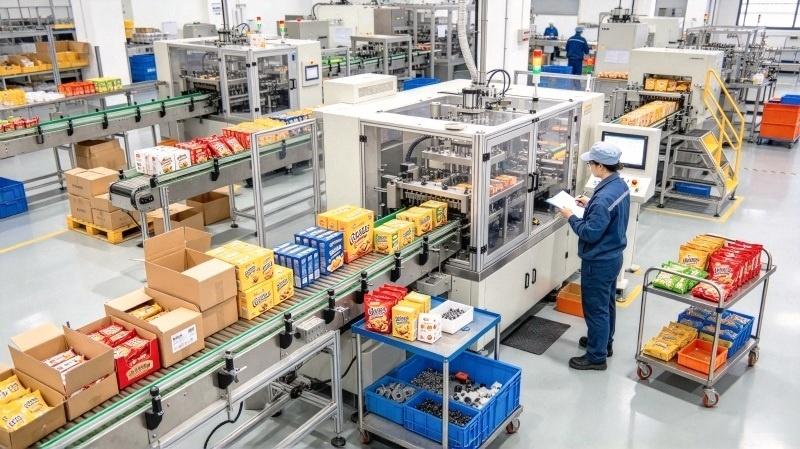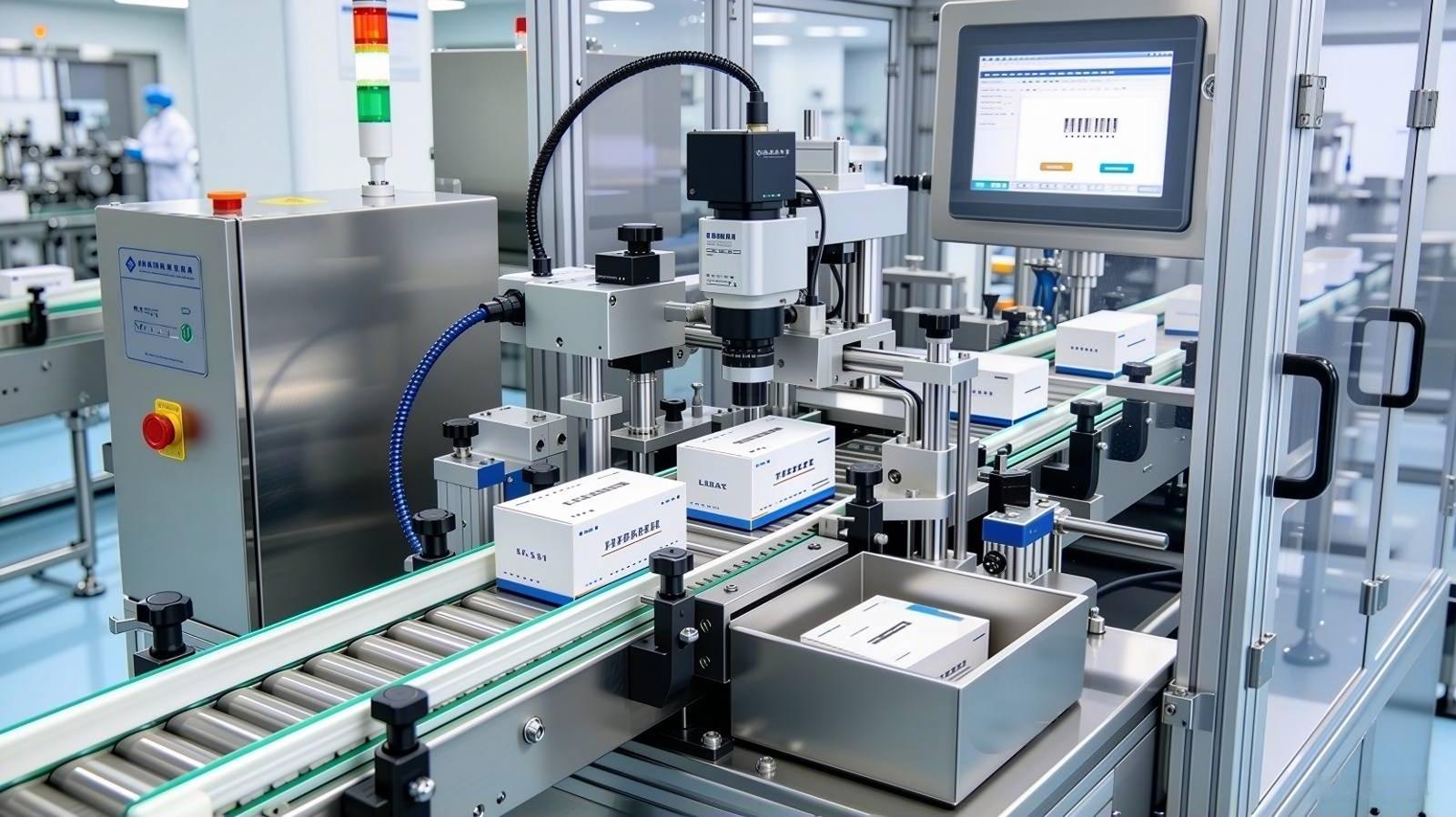
Walk through any small apparel printing shop or family-run garment workshop, and you will see the same scene: two or three workers standing at a long table, folding t-shirts by hand, one after another, hour after hour. It is how the industry has operated for decades. It is also one of the biggest hidden drains on profitability and quality in small-scale apparel production.
For many small business owners, the math seems simple. A folding machine costs anywhere from thirty thousand to eighty thousand dollars. Paying workers eighteen dollars an hour to fold shirts feels more manageable, more flexible, and less risky than taking on equipment debt. So they keep folding by hand, year after year, never realizing how much that decision is actually costing them.
The problem is not just the labor cost, which adds up faster than most owners realize. The real damage comes from the risks and inconsistencies that manual folding introduces into the business, risks that can quietly erode profit margins, damage customer relationships, and in some cases, create serious liability issues.
The Hidden Costs of Manual Folding (Beyond Just Labor)
A typical small apparel shop producing five hundred garments per day might employ two full-time folders at eighteen dollars per hour. That is 576 dollars per day in direct labor, or just under 150,000 dollars per year, assuming 260 work days. That number alone is enough to justify a folding machine for most operations, but it is only the beginning.
Inconsistent Presentation: Human folders cannot maintain uniform quality across an eight-hour shift. The first fifty shirts of the morning look crisp and professional. By 3 p.m., after hundreds of repetitions, fatigue sets in. Folds become sloppy, alignment drifts, and the final packages look noticeably worse than the first. When these packages reach retail customers or corporate clients, that inconsistency reflects directly on the brand.
Contamination Risks: This is a serious issue that few small shop owners consider until it becomes a problem. Workers handling hundreds of garments per day, even with clean hands, introduce oils, sweat, and potential contaminants to every piece they touch. In one documented case, a small apparel printer supplying hotel spa robes faced a costly recall when guests developed fungal infections traced back to improperly handled garments. The shop’s manual folding process, conducted in a non-climate-controlled workspace, allowed moisture and contaminants to transfer from worker to garment during folding. The legal settlement and brand damage far exceeded the cost of automation.
Repetitive Strain Injuries: Folding garments is physically taxing. Workers performing the same wrist and shoulder motions thousands of times per day are prone to carpal tunnel syndrome, tendinitis, and back strain. Workers’ compensation claims for repetitive motion injuries can cost a small business tens of thousands in medical expenses and lost productivity, not to mention increased insurance premiums.
Speed Limitations: A skilled manual folder can process approximately eighty to one hundred garments per hour under ideal conditions. That sounds reasonable until demand spikes during holiday seasons or large corporate orders. When a major client places a rush order for two thousand custom-printed shirts, manual folding becomes the bottleneck that delays the entire production timeline and risks losing the client to a faster competitor.
Quality Control Failures: Even the most diligent folder will occasionally mis-fold a garment, creating a crooked package that does not fit properly into poly bags or shipping cartons. These errors often go unnoticed until the customer opens the package and sees the defect, at which point the damage to the business relationship is already done.
The Full-Automation Trap: Why Small Businesses Cannot Take the Plunge
Given these clear problems with manual folding, why do so many small apparel businesses continue the practice? The answer is simple: the alternative seems worse.
A fully automatic folding and packaging system, capable of processing two thousand to three thousand garments per hour, typically costs between forty thousand and eighty thousand dollars when delivered and installed. For a small shop with annual revenues under two million dollars, that represents a capital investment of 2 to 4 percent of total revenue, a significant financial commitment that many owners are not willing or able to make.
Beyond the price tag, full automation presents other challenges for small operations:
Space Requirements: Industrial folding machines often measure six to eight meters in length and require substantial floor space for infeed and outfeed conveyors. Many small shops operate in rented industrial spaces where every square foot counts. They simply do not have the physical room to accommodate a large-scale automated line.
Volume Mismatch: A machine designed to process two thousand garments per hour is overkill for a shop producing five hundred pieces daily. The equipment is underutilized, making the ROI calculation even less favorable. Small business owners know this intuitively, which is why they dismiss full automation as impractical for their scale.
Technical Complexity: Fully automatic systems require trained technicians for setup, programming, and maintenance. Small shops rarely employ dedicated maintenance staff, meaning any equipment breakdown results in costly service calls and production downtime they cannot afford.
Inflexibility: Large automated systems are designed for high-volume, standardized production. Small apparel businesses thrive on variety, short runs, and custom orders. A system optimized for folding five thousand identical t-shirts struggles to adapt to a run of fifty mixed garments with different sizes and folding requirements.
The result is a frustrating middle ground: small apparel businesses know manual folding is inefficient and risky, but full automation feels out of reach. So they stay stuck, watching their margins shrink while larger competitors invest in equipment and capture market share.
The SA-51A: A Practical Solution for Budget-Conscious Operations
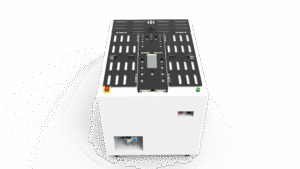
This is precisely the problem the SA-51A Single Station Clothes Folding Machine was designed to solve. It occupies a practical middle ground between inefficient manual folding and overbuilt full automation, offering small apparel businesses a way to improve consistency, increase speed, and reduce labor costs without taking on massive debt or sacrificing flexibility.
The SA-51A is a semi-automatic system: the operator manually places the garment onto the folding platform, and the machine performs the actual folds automatically. This hybrid approach eliminates the most problematic aspects of manual folding, the physical strain, inconsistency, and speed limitations, while maintaining the flexibility and low cost that small businesses need.
Technical Specifications and Performance
Here are the concrete specifications that matter for small shop owners evaluating the SA-51A:
| Item | Specification |
|---|---|
| Model | SA-51A |
| Type | Multi-function single station clothes folding machine |
| Capacity | Approx. 200-250 pieces/hour (semi-automatic, depends on operator speed) |
| Folding Type | Automatic longitudinal/transverse folding (size adjustable) |
| Applicable Garment Size (Unfolded) | Length: 400-950mm / Width: 320-850mm |
| Folded Size Range | Length: 200-370mm / Width: 220-320mm |
| Power Supply | AC220V, 50/60Hz |
| Total Power | 0.2 Kw |
| Air Consumption | 0.5-0.7 MPa, 200L/min |
| Machine Weight | 250 Kg |
| Machine Dimensions | 1160mm × 880mm × 800mm (L×W×H) |
| Mobility | Equipped with casters for easy repositioning |
| Operation Mode | Semi-automatic (manual loading + automatic folding) |
| Suitable Environment | Small workshops, home studios, retail backrooms, small production lines |
What These Specifications Mean in Real Terms
Production Capacity: At 200 to 250 pieces per hour, the SA-51A more than doubles the output of a manual folder while requiring only one operator. A shop currently producing five hundred pieces per day with two folders can achieve the same output with one SA-51A and a single operator, freeing up one worker for higher-value tasks.
Size Versatility: The machine handles garments from 400mm to 950mm in length and 320mm to 850mm in width, covering everything from youth small t-shirts to adult 3XL sizes. This flexibility is critical for small shops that serve diverse markets.
Space Efficiency: At 1160mm × 880mm, the SA-51A occupies about one square meter of floor space, roughly the same footprint as a standard folding table. It fits easily into existing workshop layouts without requiring facility modifications.
Power Consumption: At 0.2 kW, the machine uses less electricity than a desktop computer. Operating cost is negligible, typically under fifty cents per day.
Air Requirements: The 0.5-0.7 MPa air consumption is standard for any industrial equipment, compatible with small workshop air compressors.
Key Advantages for Small Apparel Businesses
The SA-51A addresses the specific pain points that keep small shop owners awake at night:
Consistent Quality: Once programmed, the machine folds every garment identically. The first piece of the day looks exactly like the five hundredth. This consistency eliminates the quality drift that damages brand reputation and customer relationships.
Reduced Contamination Risk: With semi-automatic operation, workers handle each garment only once, during initial placement. The automated folding process eliminates the repeated handling that transfers contaminants. For businesses supplying hotels, spas, or healthcare facilities, this reduction in handling risk is a significant selling point.
Eliminated Physical Strain: Workers no longer perform repetitive wrist and shoulder motions thousands of times per day. The SA-51A reduces the risk of repetitive strain injuries, lowering workers’ compensation exposure and improving employee satisfaction.
Speed Without Pressure: The machine maintains a steady 200 to 250 pieces per hour regardless of operator fatigue. During rush orders, this consistent speed prevents the folding station from becoming a production bottleneck.
Quick Setup and Changeover: The SA-51A stores multiple folding programs in memory. Switching from a small t-shirt to a large polo shirt takes less than two minutes, making the machine practical for small-batch and custom orders.
Operator Training: The manufacturer states that operators can be trained in approximately ten minutes. The touchscreen interface is intuitive, and the manual loading process is simple and ergonomic.
Investment Scale: The SA-51A typically costs between five thousand and eight thousand dollars, depending on configuration and options. This represents a capital investment that most small businesses can manage through standard financing or even a business credit card, avoiding the major capital outlay required for full automation.
The Business Case: ROI for Small Operations
Let us run the numbers for a typical small apparel shop:
Current State: Two workers at eighteen dollars per hour, folding five hundred pieces per day. Annual labor cost: 149,760 dollars. Reject rate: 5 percent (twenty-five pieces per day). At ten dollars per garment cost, that is 250 dollars per day in rework, or 65,000 dollars annually.
With SA-51A: One operator at eighteen dollars per hour, machine folding five hundred pieces per day. Annual labor cost: 74,880 dollars. Reject rate: 1 percent (five pieces per day). Rework cost: 13,000 dollars annually. Machine cost amortized over five years: approximately 1,500 dollars per year.
Annual Savings: 149,760 + 65,000 – (74,880 + 13,000 + 1,500) = 125,380 dollars.
Even accounting for maintenance and poly bag costs, the SA-51A typically delivers a return on investment within four to six months for shops producing three hundred or more pieces per day.
Addressing the Specific Risks of Manual Folding
The SA-51A directly mitigates the risks outlined earlier:
Brand Damage Prevention: Consistent, professional folding ensures that every package reaching a customer reflects positively on the brand. For small businesses competing with larger, automated operations, this professional presentation is a competitive necessity.
Contamination Control: By minimizing handling, the SA-51A reduces contamination risk. The machine’s surfaces are easy to clean and sanitize, an important consideration for businesses supplying healthcare, hospitality, or children’s apparel markets.
Worker Safety: Eliminating repetitive strain injuries reduces workers’ compensation claims and insurance premiums. It also improves morale and reduces turnover, which is particularly valuable in tight labor markets.
Quality Assurance: The machine’s consistent output makes quality control simpler and more reliable. Defects are easier to spot when they occur, rather than being hidden among generally inconsistent manual work.
Video Demonstration
Conclusion: A Practical Path Forward
For small apparel businesses caught between inefficient manual processes and overbuilt full automation, the SA-51A represents a practical, affordable solution that delivers measurable improvements in quality, speed, and cost efficiency.
The machine addresses the specific challenges small shops face: limited capital, space constraints, need for flexibility, and risk management. It does not require a massive facility overhaul or a six-figure investment. It simply makes the folding process faster, more consistent, and less risky.
If you are currently folding garments by hand and watching your labor costs climb while quality remains inconsistent, the SA-51A offers a way to break that cycle without betting the business on a massive capital project.
The math is straightforward. The benefits are immediate. The risk is minimal.
Ready to see how the SA-51A can improve your operation? Contact UBL today for a detailed ROI analysis based on your specific production volume and garment types. Their team can provide video demonstrations with your actual products and help you evaluate whether this practical automation solution is right for your business.