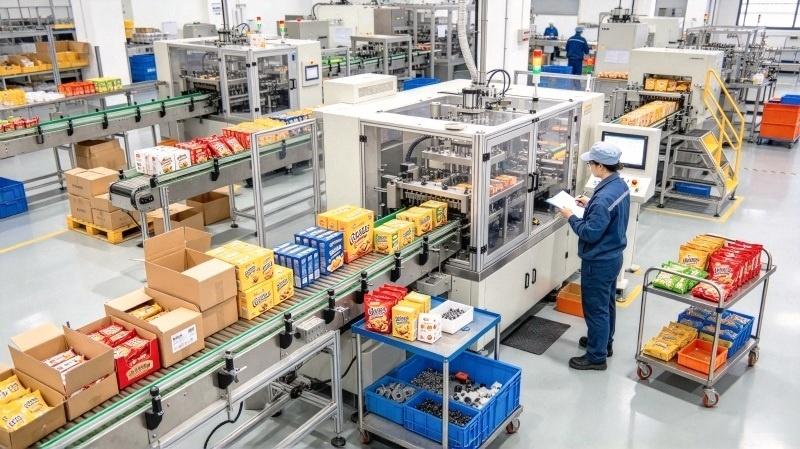
Many manufacturers ask the same question:
When is the right time to invest in an automatic cartoning machine to increase profit?
The truth is, a cartoning machine is not an expense made out of curiosity. It becomes a powerful profit tool only when your factory hits specific growth signals.
If your business is experiencing any of the four situations below, it may be the perfect time to invest in automation — not to add cost, but to unlock higher margins.
You Have Stable, High-Volume Orders — But Capacity Is Capped
When large, repeat orders become consistent, manual cartoning quickly turns into a production bottleneck.
Manual packaging:
-
Limits output
-
Creates inconsistency
-
Requires overtime during peak seasons
-
Increases error rates
An automatic cartoning machine typically delivers 5–10 times the output of manual labor and runs 24/7 without performance fluctuation.
If your production schedule is predictable and SKU volume is stable, continuing manual packaging keeps your unit cost artificially high.
Automation allows you to:
-
Accept larger contracts
-
Shorten lead times
-
Reduce per-unit packaging costs
-
Increase total throughput
Stable demand plus limited capacity is one of the clearest signals that it’s time to buy a cartoning machine for profit growth.
Labor Costs Are Rising — And Eating Into Your Margins
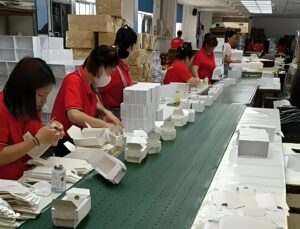
Labor cost is one of the largest hidden threats to manufacturing profitability.
According to the U.S. Bureau of Labor Statistics (BLS), manufacturing wages vary significantly by state, with average hourly earnings exceeding $25 per hour in states like California and Washington, compared to significantly lower averages in some Southern states.
(Source: U.S. Bureau of Labor Statistics – Manufacturing Wage Data)
Beyond wages, employers also pay:
-
Insurance
-
Benefits
-
Training
-
Turnover costs
-
Productivity loss from absenteeism
In many facilities, packaging labor alone accounts for 30%–40% of total production cost.
An automatic cartoning machine can replace 5–8 workers and reduce packaging labor requirements by up to 70%.
Unlike labor, machine cost does not increase every year.
If you are struggling with:
-
Hiring difficulties
-
High turnover
-
Overtime pressure
-
Production interruptions
It is likely time to invest in automation to protect your margin.
You Are Targeting Premium Quality and Compliance Standards
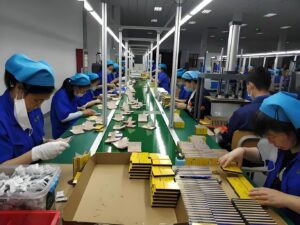
Manual packaging introduces variability.
Bent cartons.
Glue inconsistency.
Misplaced inserts.
Missed leaflets.
For industries like:
-
Food
-
Pharmaceuticals
-
Cosmetics
-
Nutraceuticals
Packaging defects can lead to:
-
Product returns
-
Regulatory fines
-
Brand damage
-
Costly recalls
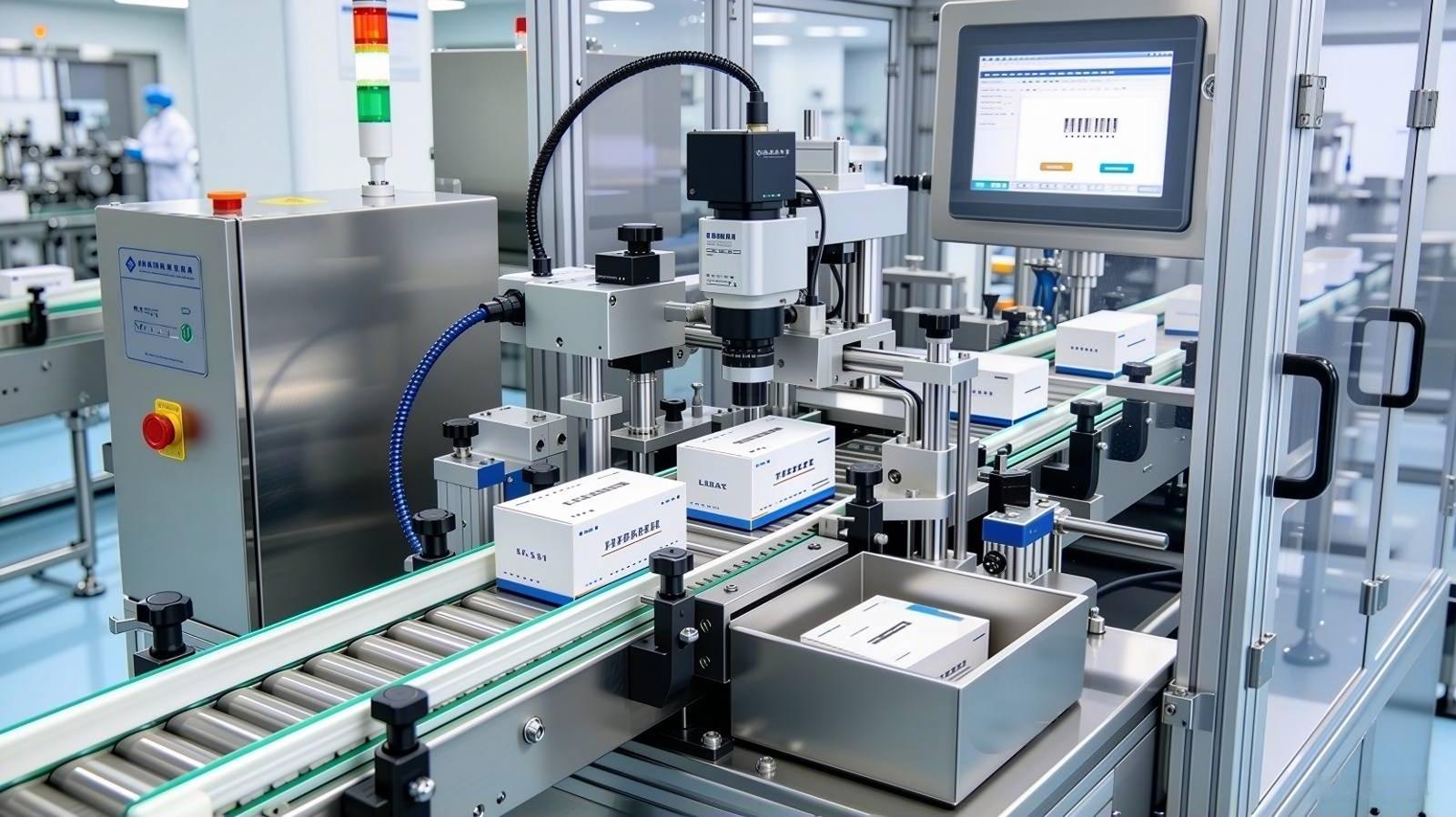
Automatic cartoning machines provide:
-
Precise positioning systems
-
Leaflet detection sensors
-
No-product-no-carton mechanisms
-
Zero-touch production processes
Defect rates can drop below 0.1%, significantly reducing rework and material waste.
For GMP and FDA-regulated industries, automated cartoning is often not optional — it is operational insurance.
If your rejection rate or packaging inconsistency is impacting brand perception, automation becomes a profit-protection strategy.
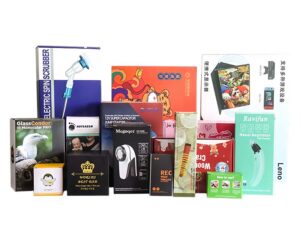
You’re Upgrading Your Brand — But Packaging Holds You Back
Packaging is no longer just protection.
It is positioning.
Consumers often judge product value within seconds based on packaging appearance.
If your product is high quality but hand-packed in inconsistent cartons, it limits pricing power.
Automatic cartoning machines allow:
-
Complex tuck-end structures
-
Display-style cartons
-
Premium folding precision
-
High-end finishing consistency
Better packaging quality enables price increases of 20%–50% in many consumer segments.
Automation also enables new product development:
-
Multi-pack bundles
-
Gift sets
-
Subscription packaging
-
Retail-ready display boxes
If your business strategy includes brand upgrading, investing in a cartoning machine directly supports premium positioning.
Summary: When to Buy a Cartoning Machine for Profit Growth
| Upgrade Signal | Core Problem | Cartoning Machine Impact | Profit Result |
|---|---|---|---|
| Stable large orders | Capacity bottleneck | 24/7 high-speed automation | Higher output, lower unit cost |
| Rising labor costs | Margin erosion | Replace 5–8 workers | Lower operating cost |
| Quality demands | Defects & compliance risk | Precision, inspection systems | Reduced waste & risk |
| Brand upgrade | Low perceived value | Premium carton consistency | Higher selling price |
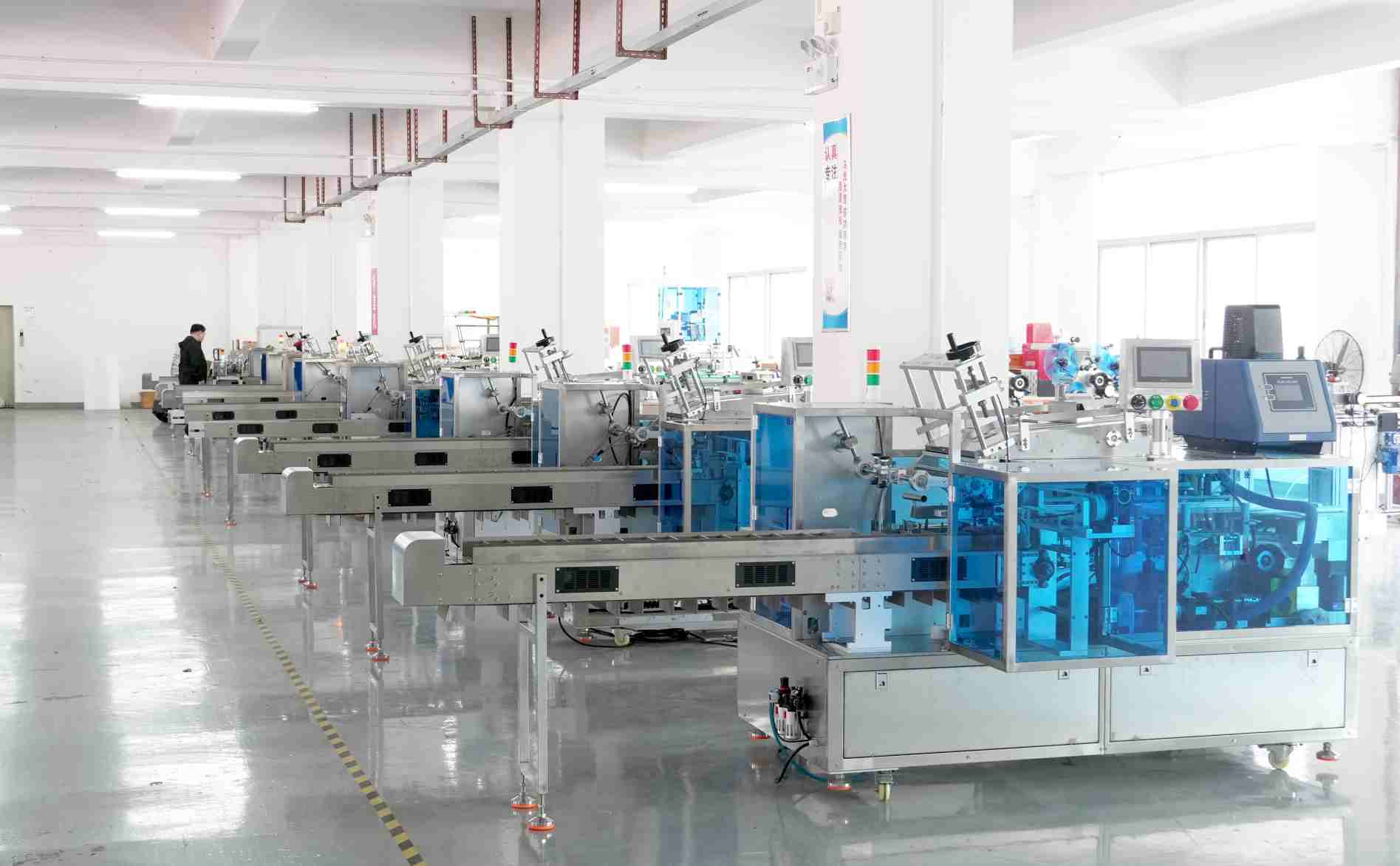
Final Thought
So when should you buy a cartoning machine to increase profit?
When growth exposes your limits.
When labor eats your margin.
When quality defines your market.
When brand value matters.
A cartoning machine is not a cost.
It is a profit multiplier.
If you are evaluating automation, request a custom ROI analysis and see how quickly your packaging line can pay for itself.