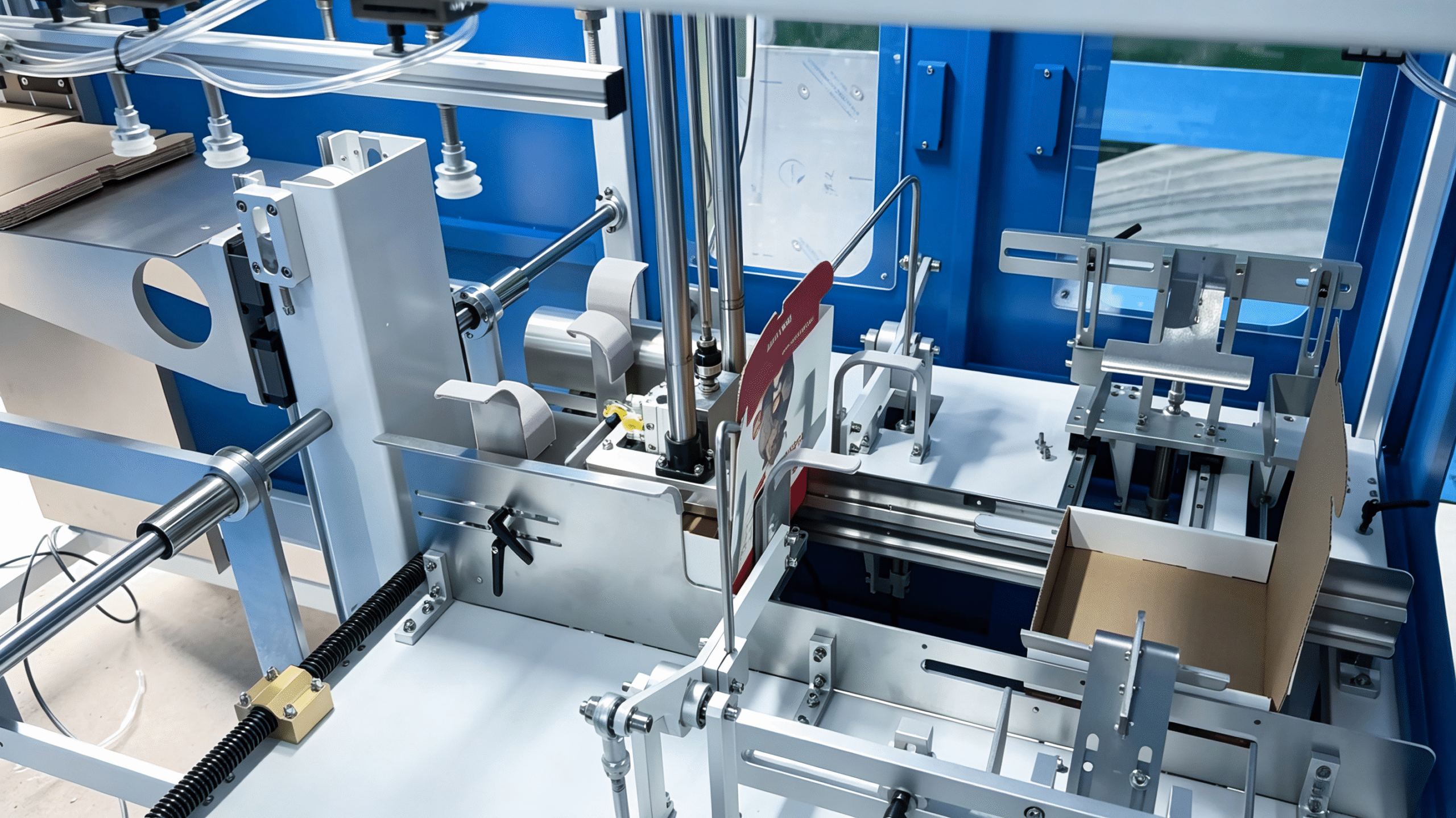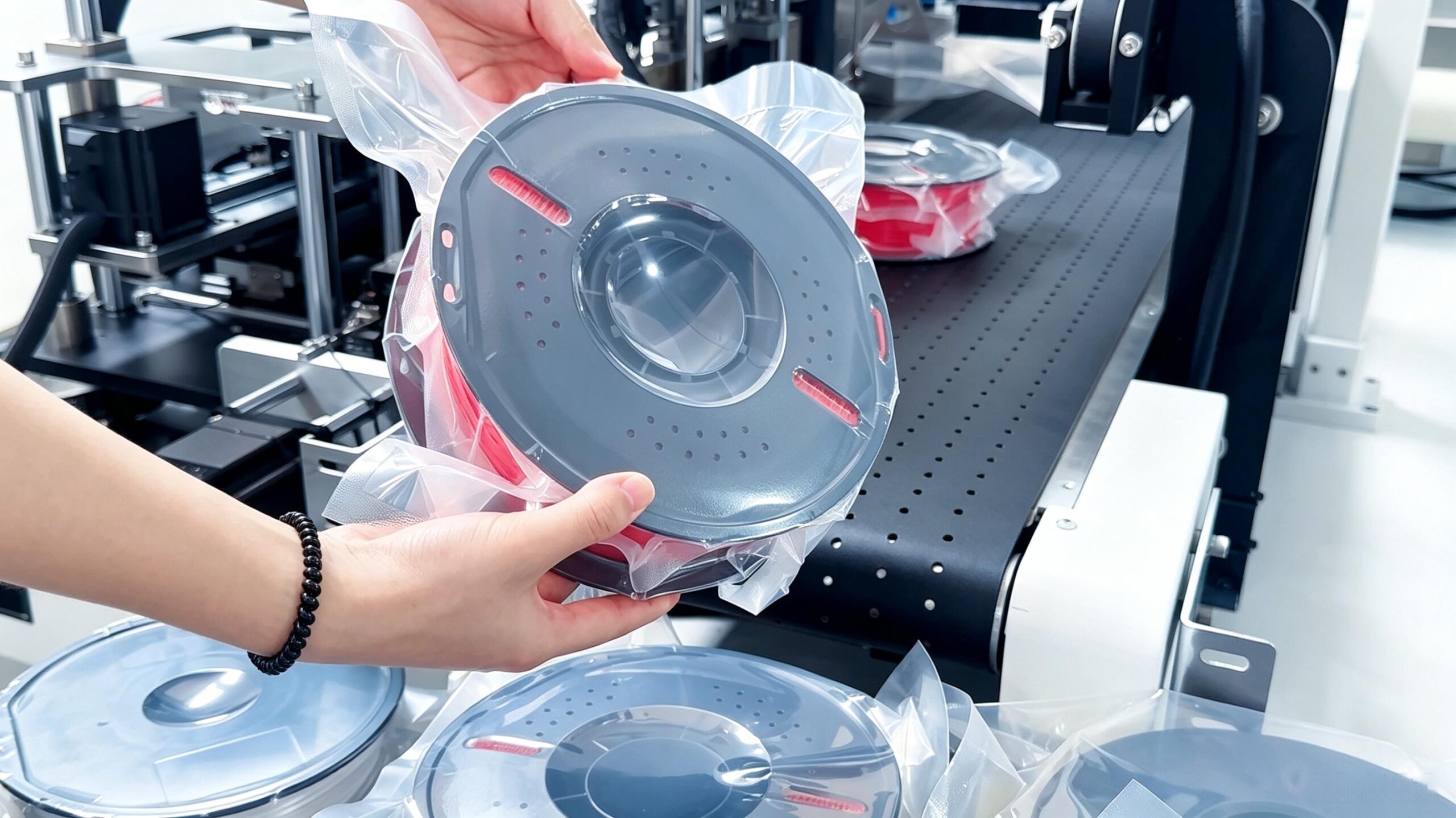
A mailer box trial sample is not a marketing sample. It is the physical specification the machine is set up against, and it has to carry everything the supplier cannot read from a catalogue.
One plant booked a trial slot for a mailer box line. The sample arrived in a courier bag with a print file attached and nothing else. No board specification. No score rule. No dieline with the crease positions marked. The supplier had a slot, a machine on the bench and a bag with a box in it.
They spent the day measuring a sample. The trial did not start. It is not a story about anybody being careless. It is what happens when a mailer box trial sample is treated as a parcel instead of a specification.
Six groups of information belong on that sheet, and a mailer box trial sample carrying all six can be booked and run. One carrying three gets a day of measuring instead of a day of testing.
The mailer box folding machine guide on this site covers the equipment itself. This one is about what has to arrive with the box before the machine can be set up at all.
A mailer box trial sample is the shortest document in the buying process and the one most often left undone. It sits in a courier bag, it costs nothing to send, and it decides whether the trial day is spent testing a machine or measuring a box.
What the Sample Has to Carry
Six groups of information go with the sample. Every one answers a question the supplier would otherwise have to ask, and every one can be written on a sheet of paper in an afternoon. A mailer box trial sample carrying all six is a submission. Carrying a photograph is a parcel.
| Group | What goes in it | The question it answers | What happens without it |
|---|---|---|---|
| Dimensions | Internal and external dimensions of the finished box, and the flat blank size | What the tooling has to be set to | The machine is set up to a guess and then adjusted on the day |
| Material | Board type, flute, grammage, and the print or laminate finish | What the machine can grip and crease | The first blank creases badly and gets blamed on the machine |
| Creasing and score rules | Which way each crease runs, which way the score rules cut, and where they sit | Which way the fold goes and where the board splits | The box folds in the wrong direction, or splits at the crease |
| Dieline | The die cut with fold lines, cut lines, glue areas and score rules separated | What is cut and what is folded | Everything is treated as a cut and the blank falls apart |
| Tolerance | What the plant accepts as a good fold and what it sends back | Where the sample stops and production starts | The sample passes, production rejects, and neither side agrees why |
| Quantity | How many blanks of each size, and how many are for the trial | Whether there is enough material to run a real test | The machine runs a few blanks and stops, and the trial proves nothing |
Dimensions: the finished box and the flat blank
Both, not one. The finished box dimension is what the product fits inside. The flat blank size is what the machine holds. A supplier given only the finished size will ask for the blank, and asking costs a day of the trial slot.
Say which dimensions are internal and which are external, because corrugated board is not a free material. A box specified internal at one size and external at another arrives smaller than the drawing says.
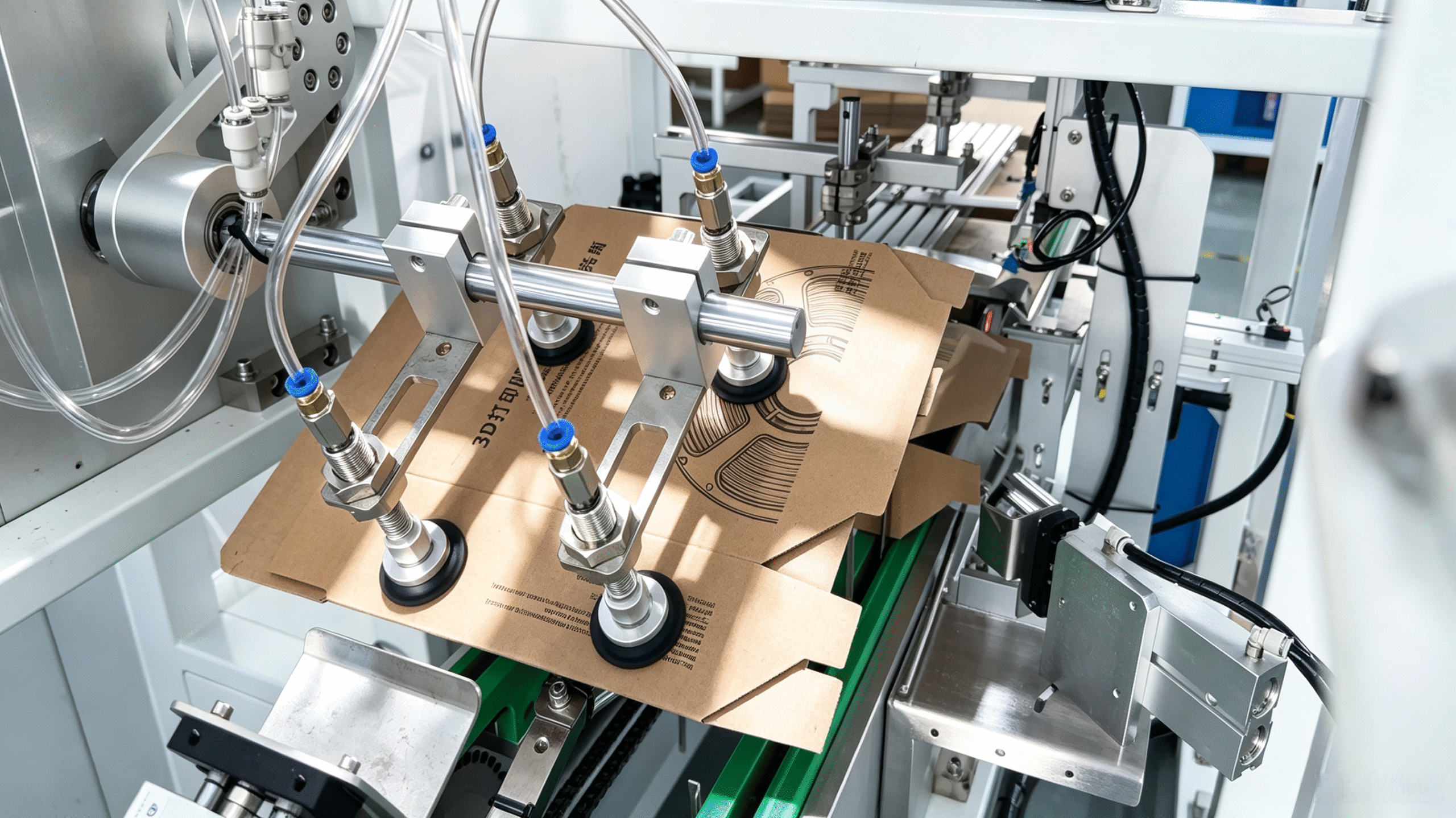
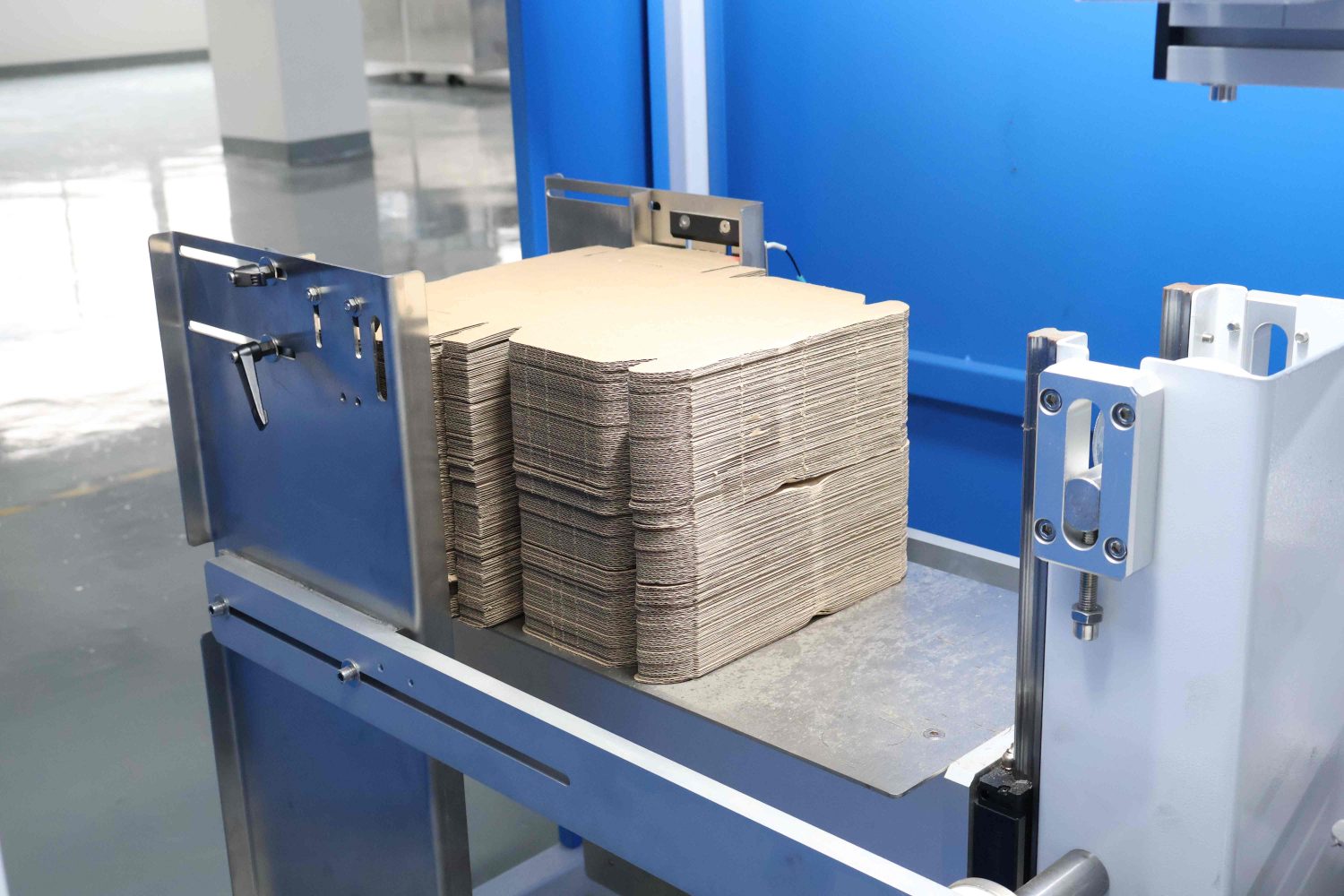
The stack of blanks is the specification, more than the drawing is. A supplier who has held the actual board in their hand knows what it will do on a fold rail.
Board specification
Board type, flute and grammage. Then the finish, because the finish changes what the crease does. A printed blank, a laminated blank and a plain blank crease differently on the same machine, and a supplier working from “corrugated” alone will be working from a guess.
The board specification and humidity article on this site sets out what board choice does to a carton erecting machine. It is worth reading before the sample is packed, because how the blank is stored in transit is part of the trial.
Send the board specification the plant actually buys, not the one the supplier prefers. If the plant has three blank suppliers, say so and send a sample from each. Blanks from different dies are what most often turns a good trial into a bad afternoon.
Creasing and score rules
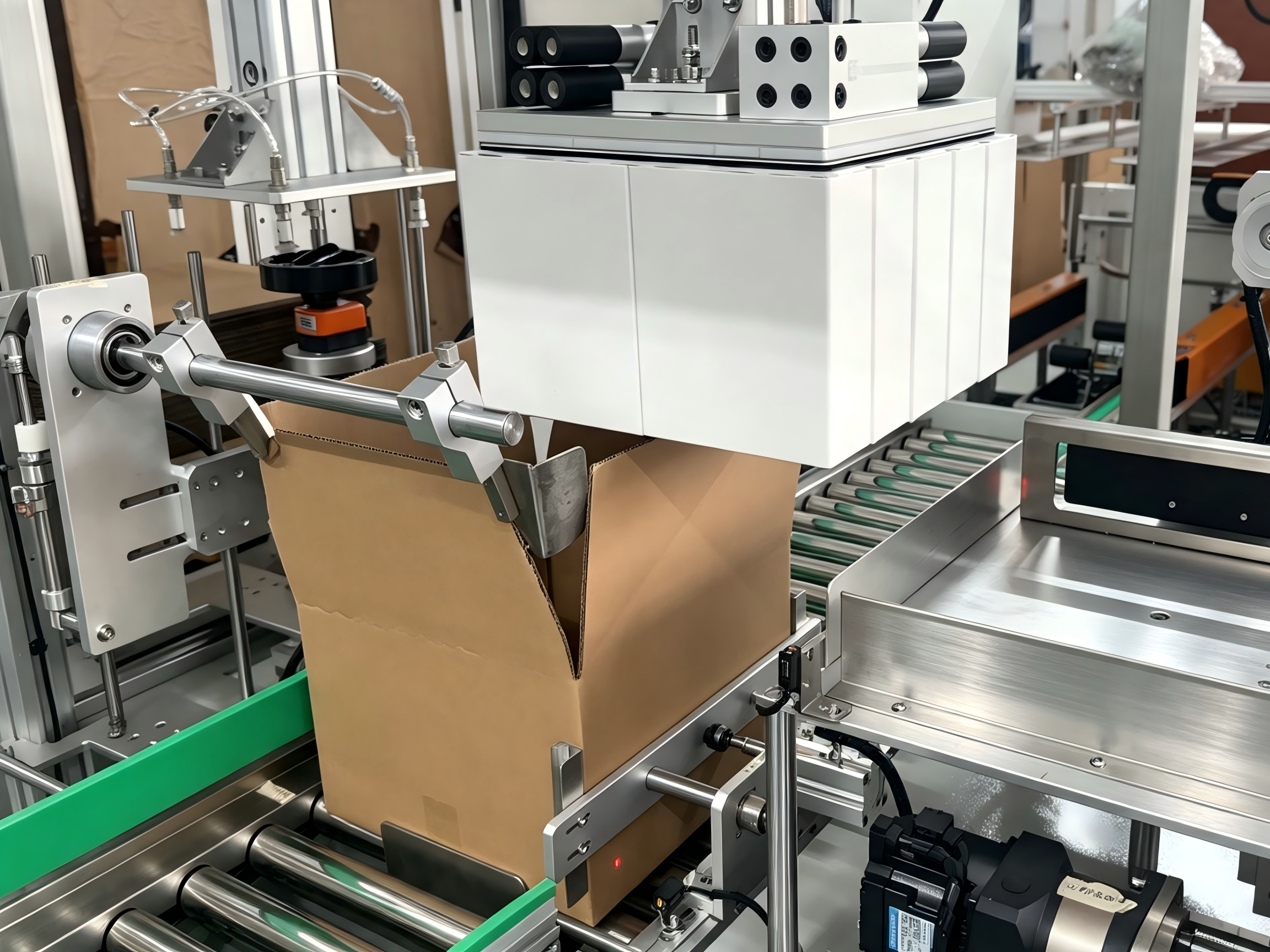
This is the part most often left out and the part that decides whether the box works at all.
Corrugated board has two kinds of cut. A cut all the way through is a cut. A partial cut that crushes the flute without severing it is a score, and it is where the board folds. A score rule is the metal that makes that partial cut, and it comes in widths. The wrong width on the wrong flute splits the board instead of creasing it.
The score rule and creasing direction decide whether the box folds or splits, so the sample has to say which way every crease runs relative to the flute, which way the score rules cut, and where each one sits. On a printed box this also matters for registration: the score rule can run across the print, and the plant may not want that.
This part of the trial sample submission most often arrives late, because the plant does not think of the score rule as a property of its box. It is a property of the tooling, and the tooling decides whether the box folds or splits.
| On the dieline | What it is | What the machine does with it | How it is marked on the submission |
|---|---|---|---|
| Cut line | Full depth through the board | The blade cuts here and the blank separates into parts | A solid line, or a cut symbol in the CAD file |
| Score rule | Partial depth, crushing the flute | The blade makes a crease here and the board folds on it | A dashed line, plus the rule width and which way it cuts |
| Perforation | A row of small partial cuts | The board tears here by hand, not by machine | Marked separately, and flagged as hand-tear only |
| Glue area | The flap that closes the box | The machine leaves it alone; it is sealed later | Marked, with the adhesive specified separately |
| Vent hole | A small cut in a panel | Cut by the die, and it must not be creased over | Marked with its position, not left to be inferred |
The dieline, with the three things separated
A dieline that shows cut lines and fold lines in the same weight is not a specification, it is a picture. The mailer box dieline has to separate them: which lines the die cuts, which lines the blade creases, which areas are glue.
The supplier needs the file in a format their CAD can open, and it needs to be the file the blank was cut from, not a redrawn version. A redrawn dieline is a new specification nobody in the plant has approved.
The Quantity Question Nobody Asks Until the Trial
A trial that runs on one blank proves nothing. The machine can be set up wrong and still produce one good box, because an operator adjusts it by hand until that box is right. The sample quantity is part of the specification, not a detail of the packing.
So the sample needs enough blanks to run past the first adjustment. Enough to see whether the machine holds the setting on its own, enough to run the same blank twice, and enough to include the sizes at the edges of the range.
Three sizes is a sensible starting shape for the submission: the size with the most volume, the smallest, and the largest. Each has a reason to be there. The largest is where the board decides whether the machine can hold the panel flat, the smallest is where the tooling has least to grip.
Three numbers to fill in before choosing a machine: the seconds per piece at the manual station, the rework count, and how long the line waits there. A mailer box trial sample tells the supplier what the machine has to beat. These three tell the plant what the trial is for.
What the Trial Is For
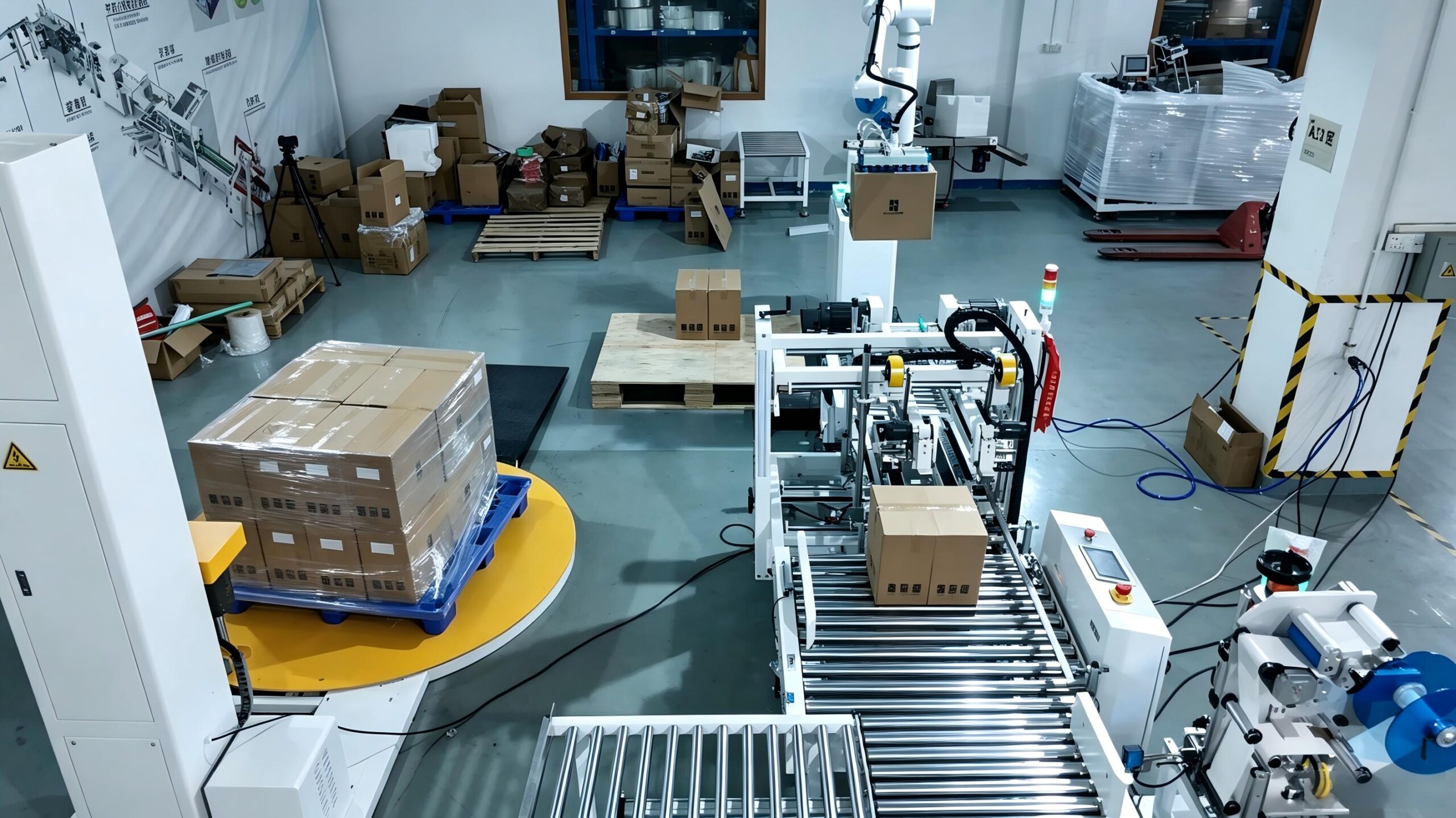
A trial run is not a demonstration. The supplier is not there to show you a machine working. The plant is there to find out whether the machine forms this box, from this blank, to this standard, and the answer has to be written down.
The carton erector acceptance test checklist on this site sets out what a formal acceptance test looks like. A trial is earlier and looser than that, which is exactly why it needs its own standard written down beforehand, because the people in the room are there to watch a machine, not to judge it.
| What the plant writes down before the trial | Why it is written before | Who judges it | What happens if it is not written |
|---|---|---|---|
| What a good fold looks like on this box | So the supplier is not guessing what the plant means by square | The operator who folds these boxes today | The supplier demonstrates a fold the plant did not want |
| What counts as a reject | So reject counting starts at the same place for both sides | Quality, from the existing inspection routine | Two different reject counts and no way to settle them |
| Which dimensions get checked, and by what method | So the check is repeatable between the trial and production | Quality and the production supervisor together | The trial passes on a check nobody repeats later |
| What happens to a failed blank | So the trial does not quietly become a rework session | The production supervisor | The trial runs longer and proves less |
| Who signs what at the end | So the trial produces a record rather than an opinion | Named on the submission sheet | Both sides remember the trial differently |
The sign-off sheet is the point of the trial
At the end of the trial, the sheet has names on it and a verdict against each line. Not a contract, not an acceptance. A record both sides hold and can read again in three months when the machine is behaving differently.
That record is worth more if it is attached to the sample. If every blank used in the trial is numbered and the number goes on the sheet, a complaint later traces back to a specific blank and setting. Without that link, a machine that struggles with one blank becomes a general argument about the machine.
Five things to send before the trial is scheduled: the flat blanks, the dieline, the board specification, the creasing rules, and the extreme sizes. Missing one moves the trial date, because the machine cannot be set up without it.
The Submission Sheet
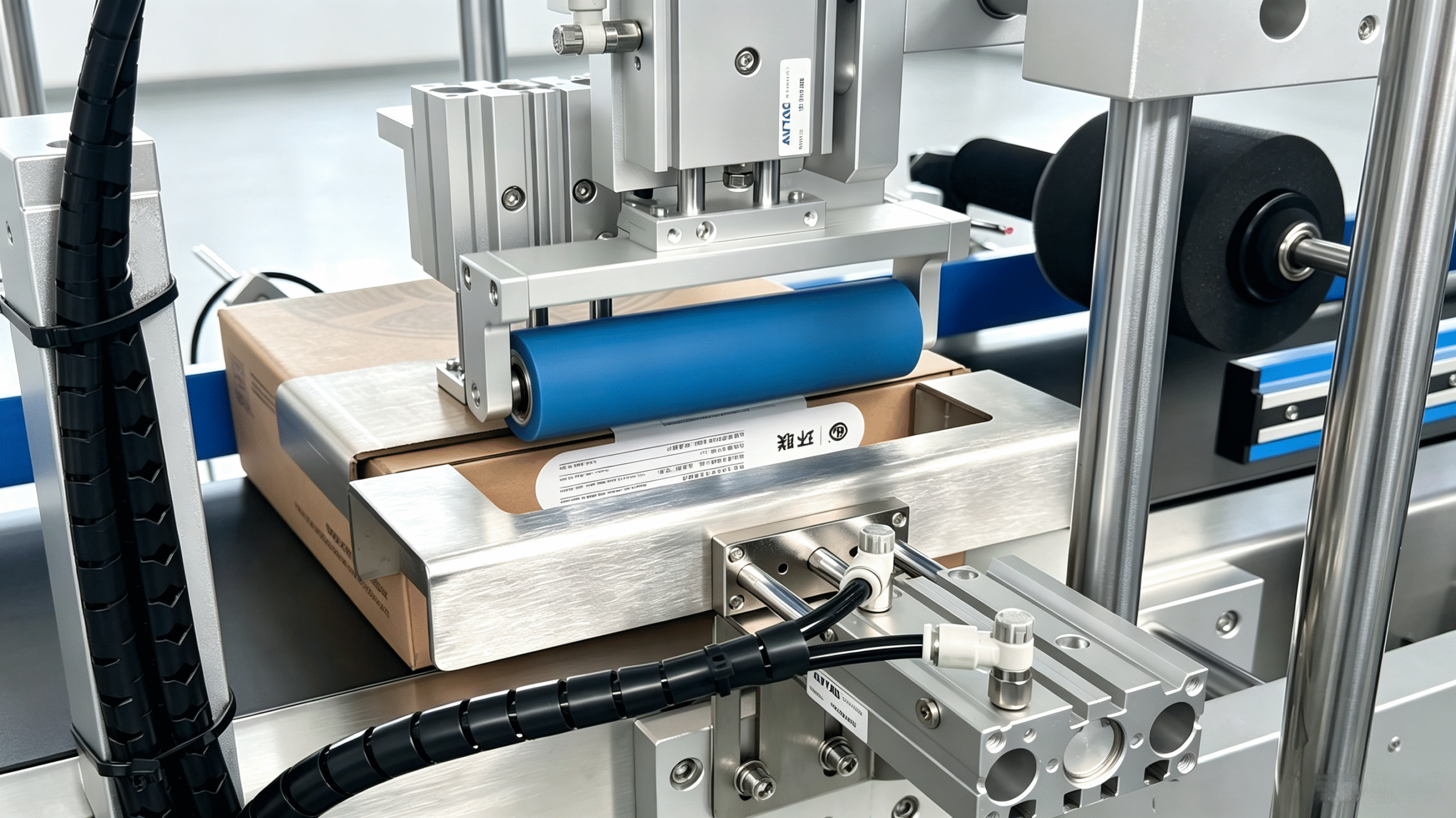
One page. If it takes more, something on it is a discussion rather than a specification. The trial sample submission sheet is not the place to settle the die design.
Attach the dieline file, a photograph of the blank edge showing the flute, a photograph of the finished box, and the board spec. Put the numbers on the sheet: the finished dimensions, the blank dimensions, the score rule width and direction, the tolerance on the fold.
Then write down what the machine is asked to do and what it will be judged against, in the plant’s own words. A supplier can read a dieline. What they cannot read is which crease the plant cares about most and what the operator would send back.
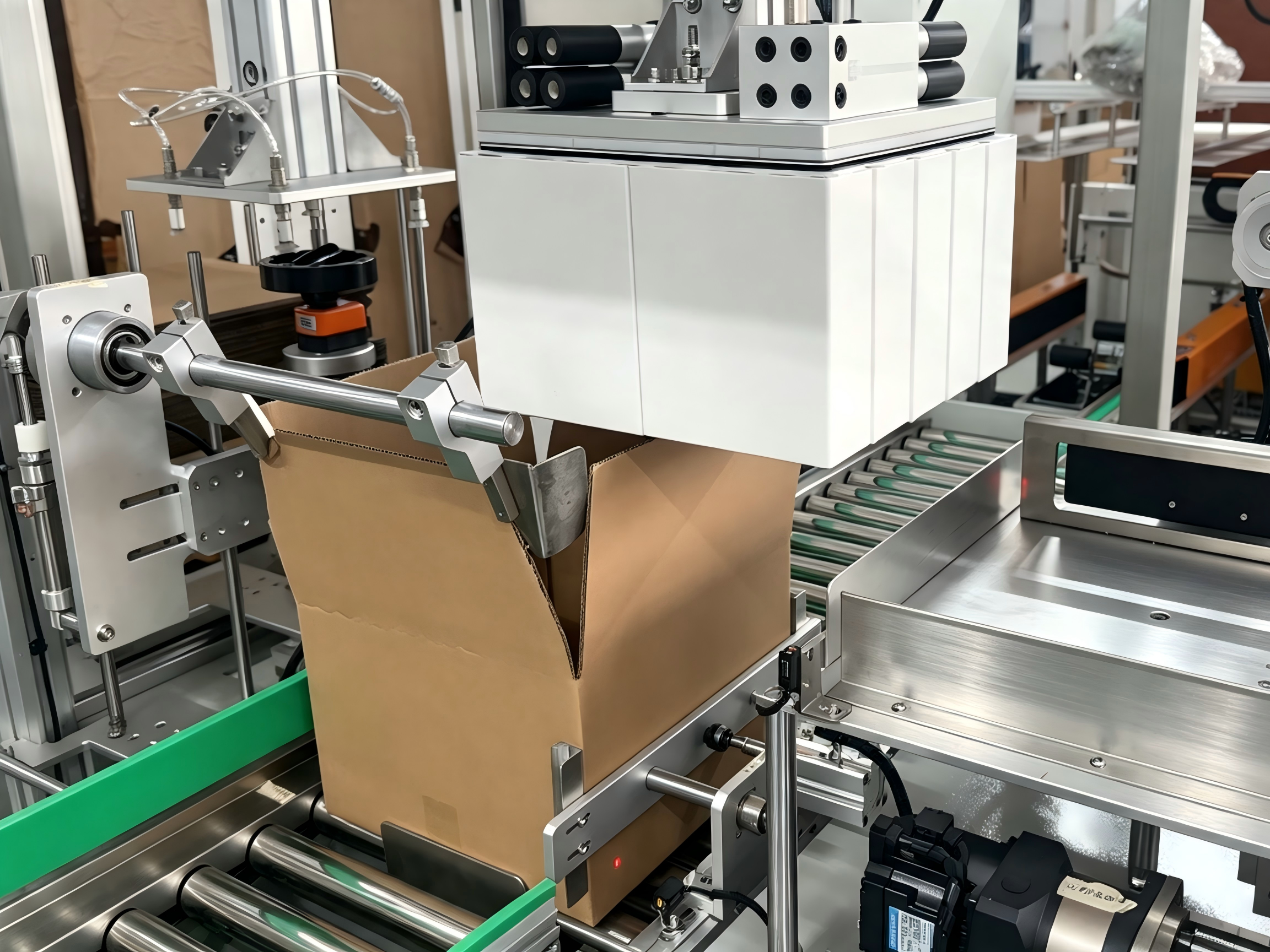
This is the output the trial is about: the sample you sent, folded into a box that stands up and holds its own creases. The sheet on the submission is how the plant says what it expects to see here.
The carton folding machine selection guide covers what to look at when comparing machines. The carton folding machine range is where the equipment sits. Neither conversation goes well if the supplier opens the trial and asks what the score rule width is.
[Send us one blank, one dieline and one sheet, and we will tell you before the trial date which parts of your specification are incomplete, so the slot is used rather than spent.]
Email: helen@huanlianauto.com
FAQ
What does a supplier need to run a mailer box trial?
The physical blank, not a photograph and not a drawing. The dieline file the blank was cut from, with cut lines, fold lines and glue areas separated. The board specification and finish. The score rule width and the direction every crease runs. And enough blanks of each size to run past the first adjustment.
How many sample blanks should a mailer box trial send?
Enough to fill the machine and keep it running while the setting settles, and enough to include the sizes at the edges of the range rather than only the middle one. A small size, a large size and the size with the most volume cover the three cases where the machine behaves differently.
What is a score rule and why does the width matter?
It is the metal that makes a partial cut through the board, crushing the flute without severing it, and that crushed line is where the box folds. A rule that is too wide for the flute can split the board instead of creasing it. The width and the direction it cuts are both part of the specification.
Should we send the dieline or a drawing?
The dieline file that the blank was actually cut from, and a drawing of the finished box as a second reference. A redrawn dieline is a new specification that nobody in the plant has approved, and it will not match the sample in the courier bag.
What if the plant does not know the score rule width?
Then the blank supplier does, or the die cutter does. It is a property of the tooling, not of the box design, and asking is a short phone call. A trial run preparation sheet that leaves the score rule blank is the same as not sending one.