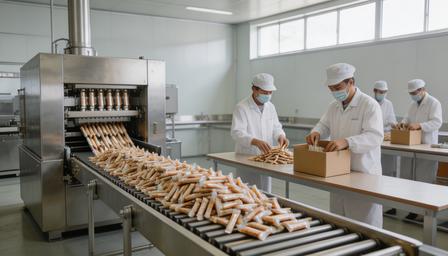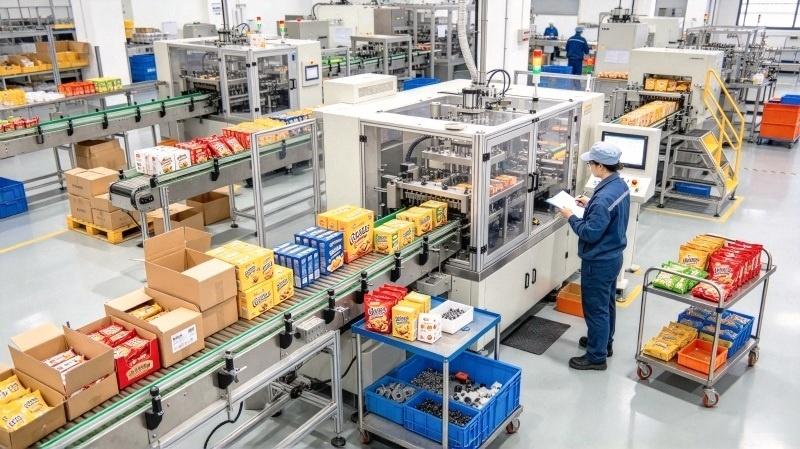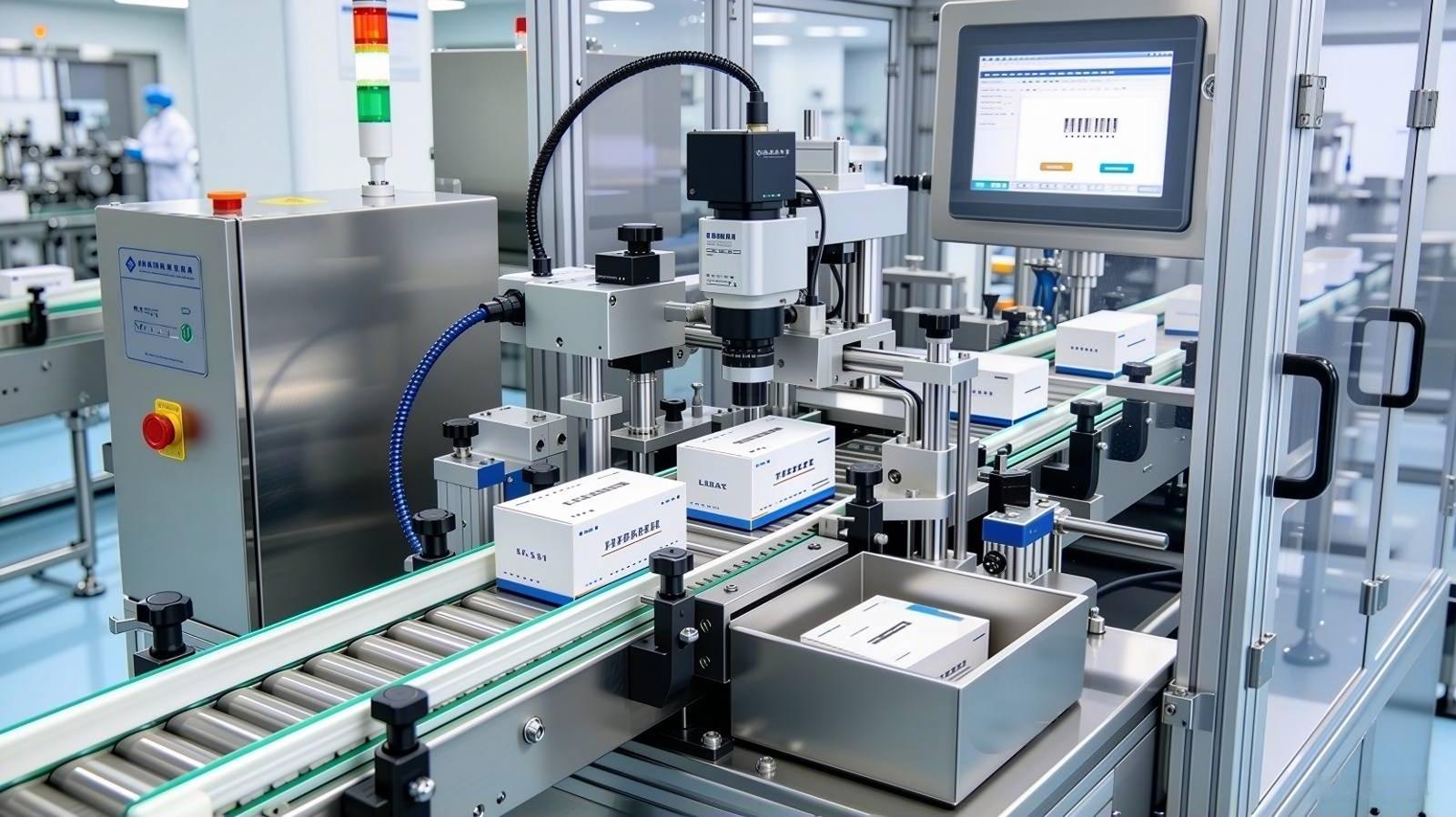
The decision to invest in a snack cartoning machine rarely arrives from a trade show brochure. It comes from a production manager watching the back-end packaging station struggle to keep pace with the primary packaging line: a cookie line running at full capacity while six workers manually fold boxes and load wrapped biscuit stacks into cartons, or a chocolate factory where the hand-packing station cannot sustain the output required for a seasonal order from a major retailer. Snack food manufacturers who have operated manual packaging stations long enough recognize this pattern, and they know that the gap between primary line speed and secondary packaging capacity only widens as sales volumes grow. This article is for operations and purchasing decision-makers at snack manufacturers who need to understand what a snack cartoning machine actually does, how to match it to their product type, and what to confirm before buying.
The Snack Food Packaging Landscape
The global snack food market is one of the largest and most diverse categories in packaged food, encompassing cookies and biscuits, chocolate and candy bars, energy and protein bars, granola and cereal products, single-serve snack packs, and multi-pack variety boxes. According to industry data from Grand View Research, the global snack food packaging market was valued at approximately USD 34.5 billion in 2024 and is projected to grow at a compound annual rate of 5.1 percent through 2030. This growth is driven by rising consumer demand for convenient, portion-controlled snacks, the rapid expansion of e-commerce distribution channels, and increasing product variety as brands compete for retail shelf space and consumer attention. Behind each of these growth drivers lies a common packaging requirement: more SKUs, shorter production runs, faster changeovers, and consistent carton quality across every production batch.
For snack manufacturers, the secondary packaging stage has become the most common production bottleneck in high-volume facilities. Manual cartoning at the back end requires sustained human effort that is expensive, inconsistent, and difficult to scale. A snack cartoning machine addresses this bottleneck directly by automating the box erection, product loading, and carton closing sequence. For manufacturers already using secondary packaging solutions in the food industry, adding a dedicated snack cartoning machine is the operational upgrade that turns a constrained packaging line into a scalable one.
What a Snack Cartoning Machine Does
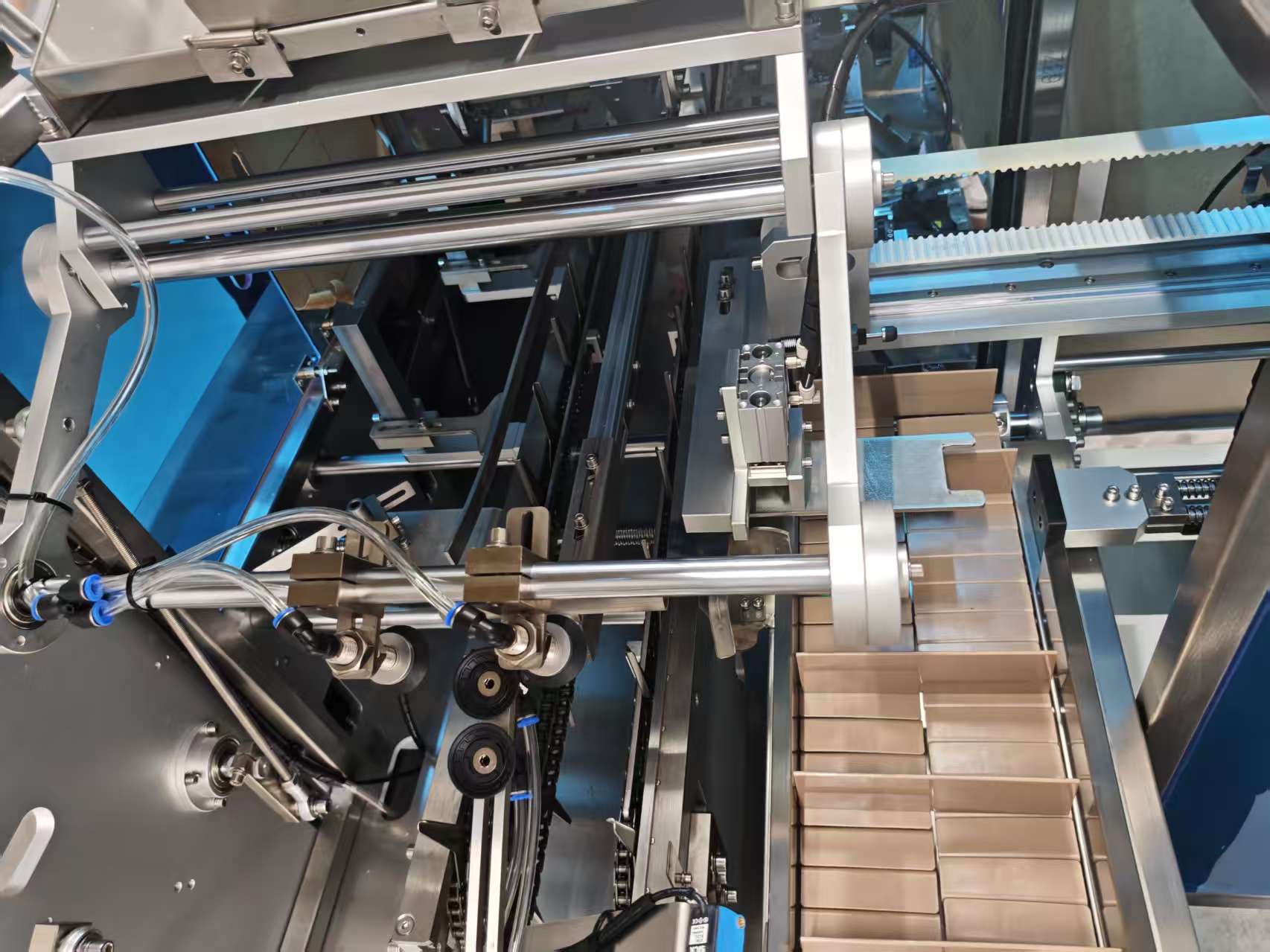
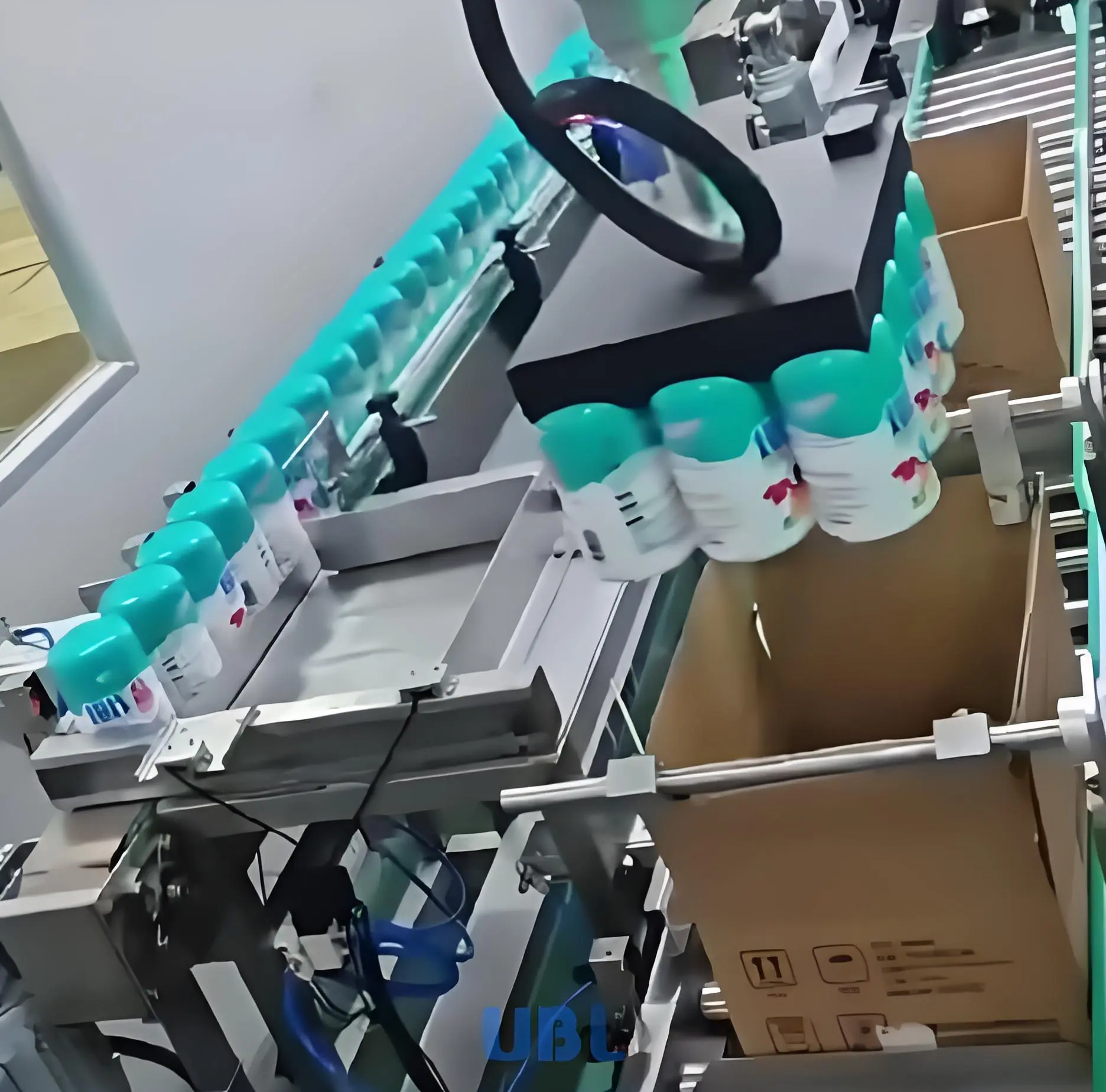
A snack cartoning machine performs three core functions automatically. First, it erects a flat carton blank into a formed box using vacuum pick-and-place and mechanical folding. Second, it loads the product into the open box through a servo-driven pusher mechanism. Third, it closes the carton — tucking end flaps, applying hot-melt adhesive, or engaging a snap-lock bottom — and transfers the sealed unit to the outfeed conveyor for downstream case-packing or labeling. These three steps replace the work of four to six manual workers at a typical snack packaging station. The cake cartoning machine deployment guide demonstrates a similar automated sequence for a related food category.
A snack cartoning machine delivers consistent output regardless of shift timing, worker availability, or fatigue levels. The machine does not slow down in the third hour of a shift, does not require breaks, does not call in sick, and does not produce fewer cartons when the packaging supervisor is occupied elsewhere. The output from the first cycle of the morning is identical to the output from the last cycle before the shift ends — because both are controlled by the same mechanical timing and the same servo-driven motion profile.
Why Snack Food Secondary Packaging Differs from Other Categories
Three characteristics distinguish snack food secondary packaging from ambient food packaging and even from frozen food packaging. These characteristics directly affect how a snack cartoning machine must be configured.
The first characteristic is product variety. A snack manufacturer may run 10, 20, or 50 different SKUs through the same packaging line in a single month. Each SKU has different carton dimensions, a different product count per box, and often a different infeed format. The snack cartoning machine must accommodate this variety through tool-less changeover mechanisms and HMI-stored recipe settings that recall the correct infeed width, pusher depth, and carton dimensions for each SKU at the touch of a button. UBL standard machines support format changeover in under ten minutes for dimension adjustments within the same box style, making them suitable for high-variety snack production environments where product changeovers happen multiple times per shift.
The second characteristic is product fragility. Cookies break under excessive handling pressure. Chocolate bars crack when subjected to mechanical stress during insertion. Energy bars in thin film wrappers can be punctured if pushed too aggressively into the carton. A snack cartoning machine designed for this category must include servo-driven pusher mechanisms with adjustable speed and acceleration profiles that can be tuned to the specific fragility of each product type. The pusher speed for a delicate chocolate bar is set lower than the pusher speed for a wrapped energy bar, and both profiles are stored in the HMI and recalled automatically when the corresponding SKU is selected. The operator does not need to adjust any mechanical component when switching between fragile and robust products.
The third characteristic is retail presentation quality. Snack cartons are displayed on retail shelves in highly visible positions, often at eye level in the center of the aisle. The consumer sees the carton before they see the product inside it. A carton with square corners, flat flaps, and undistorted window panels communicates quality. A carton with crooked flaps, crushed corners, or misaligned window panels communicates the opposite. A snack cartoning machine delivers consistent carton closing quality on every cycle, eliminating the variation that occurs when manual workers close cartons at different speeds and with different levels of attention throughout a shift.
Packaged Nut, Seed, and Dried Fruit Products
Packaged nuts, seeds, and dried fruits arrive at the cartoning station in sealed flexible pouches or resealable bags. These products vary in fill level and pouch thickness, requiring an adjustable infeed channel. A snack cartoning machine handling these products includes an infeed guide adjustment that accommodates the pouch thickness range without a changeover tool. For manufacturers producing multiple pouch sizes on the same line, the recipe-based quick-changeover function stores the infeed dimensions for each SKU and recalls them at the touch of a button. The changeover between two pouch sizes takes less than ten minutes.
Carton Integrity During Distribution and Retail Display
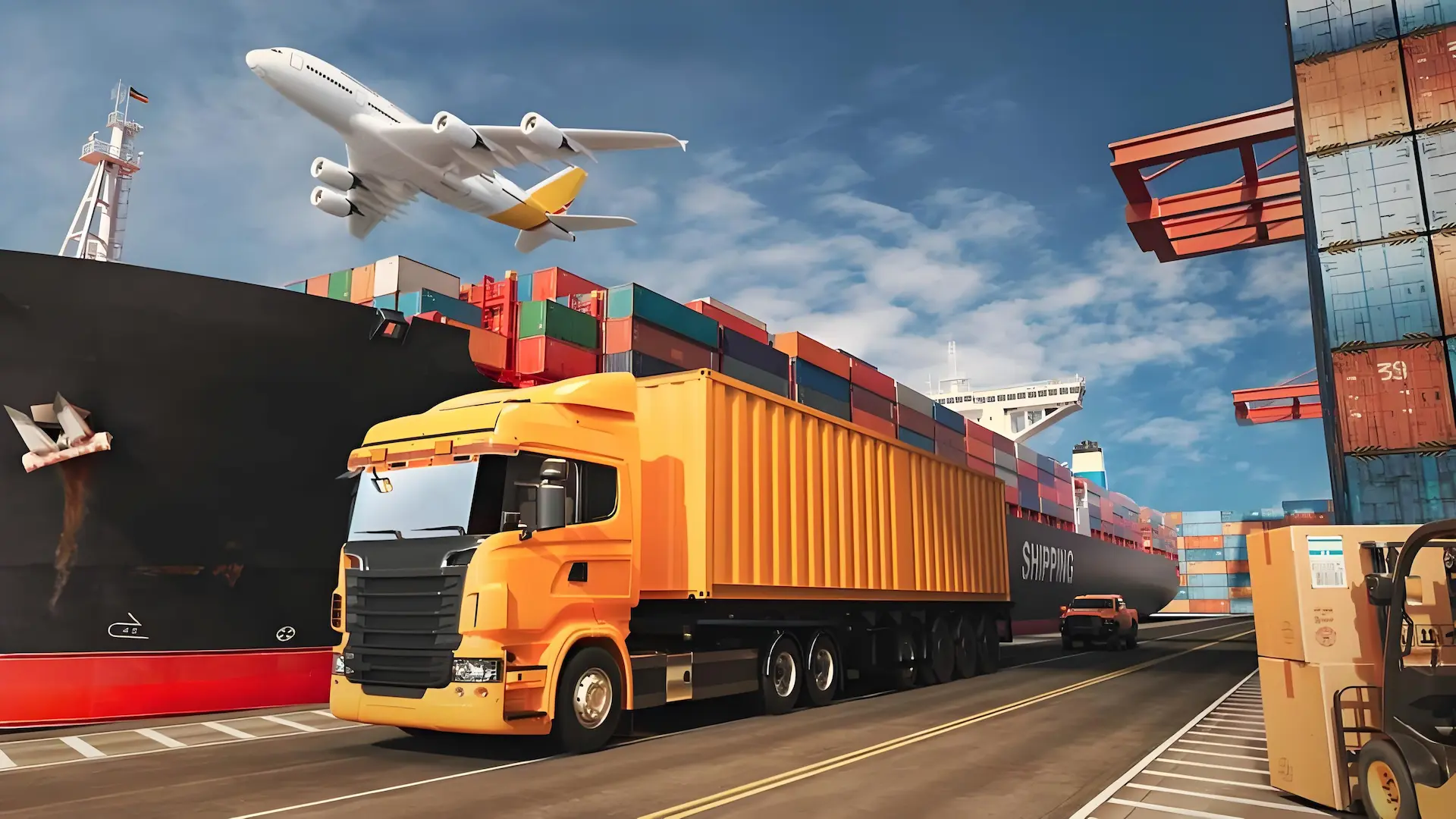
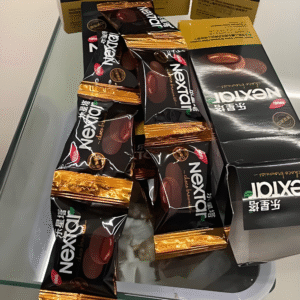
Snack cartons travel through a distribution network that may include regional warehouses, retail distribution centers, and individual store shelves. During this journey, cartons are stacked, transported, and handled multiple times. A carton that was closed with insufficient tuck depth or inconsistent glue application may pop open during transport, causing product spillage inside the outer case. A snack cartoning machine applies consistent closing force to every carton, ensuring that each box maintains its structural integrity throughout the distribution cycle. The same consistency applies to retail display: a carton that looks square and properly closed on the packaging line will look the same when it reaches the retail shelf.
The glue-seal configuration of the snack cartoning machine provides an additional margin of safety for export shipments and long-distance distribution. The hot-melt adhesive bond is maintained through temperature and humidity cycling, ensuring that the carton remains sealed from the production line to the end consumer. UBL glue-seal cartoning machines use international-brand hot-melt applicators that maintain consistent adhesive temperature and bead geometry across the full production shift.
Changeover Efficiency for Multi-SKU Snack Lines
Snack manufacturers running multiple SKUs on a single packaging line know that changeover time is real production cost. A facility with 15 active SKUs and three format changes per week accumulates over 150 changeover events per year. If each changeover takes 45 minutes on a manual line, that is over 112 hours of lost production annually. A snack cartoning machine reduces this loss through HMI-stored recipe settings that recall the correct infeed width, pusher depth, and carton dimensions for each SKU at the touch of a button. The operator adjusts the guide width using handwheels on the forming and closing modules, with the target dimensions displayed on the HMI screen. Typical changeover time for dimension adjustments within the same box style is under ten minutes, and the operator does not need to reference printed setup sheets or measure guide positions manually.
For facilities producing both tuck-end and glue-seal cartons, the changeover between these formats requires more time because the closing modules differ. UBL recommends configuring the snack cartoning machine for the format that covers the majority of the facility’s volume and handling the minority format through a separate line or a planned module swap. The pre-purchase technical review includes a format-mix analysis that helps determine the optimal configuration.
Upstream and Downstream Integration for Snack Lines
A snack cartoning machine does not operate in isolation. Its infeed must receive product from an upstream source — a flow-wrapper, a bagging machine, or a manual accumulation table — and its outfeed must deliver sealed cartons to a downstream stage: labeling, metal detection, case packing, or palletizing. Before specifying a snack cartoning machine, map the physical space between the upstream exit point and the downstream entry point. Note the belt height and transfer elevation at each interface. Confirm that the machine infeed and outfeed conveyor heights are compatible with the existing line layout. UBL installation team handles this mapping as part of the pre-sale technical review and provides a layout plan for facilities where floor space is constrained.
The connection to upstream equipment is particularly important for snack lines running at high speed. If the flow-wrapper or bagging machine feeds product at 60 units per minute and the snack cartoning machine is configured at 40 cartons per minute, the infeed can accumulate product between cycles without creating a backlog. If the upstream speed exceeds the cartoning speed by more than the infeed buffer capacity, the line will experience stoppages. UBL team maps the client existing line layout and upstream output rate to configure the cartoner at the appropriate speed before installation.
Quality Consistency: Why Mechanical Closing Beats Manual Closing
Carton closing quality is one of the most visible indicators of packaging line performance. A carton with crooked flaps, unevenly tucked ends, or corners that do not align properly tells the customer that the product inside may have been handled carelessly. In a manual packaging station, carton closing quality depends on the individual worker skill level, their fatigue state, and the time pressure they are under. A worker who has been closing tuck-end boxes for 18 months does it well. A temporary worker in their first week does it noticeably worse. The cartons that come off that station reflect the difference, and the retail buyer who inspects the shipment can see it.
A snack cartoning machine eliminates this variability entirely. The machine applies the same closing force and geometry to every carton in every cycle, regardless of how long the machine has been running, what time of day it is, or which operator is monitoring the infeed. The result is a sealed carton whose appearance is identical from the first box of the shift to the last. This consistency matters for snack brands sold through retail channels where carton appearance is part of the product presentation. A row of identically closed cartons on a retail shelf communicates quality. A row of inconsistently closed cartons communicates the opposite.
The consistency advantage extends beyond appearance to functional performance. A carton that was closed with the correct force and tuck depth will maintain its seal through the distribution cycle. A carton that was closed with insufficient force may pop open during transport, causing product to spill inside the outer case. The snack cartoning machine eliminates this risk by applying the same mechanical closing force to every carton, ensuring that each box leaving the outfeed conveyor meets the same structural standard.
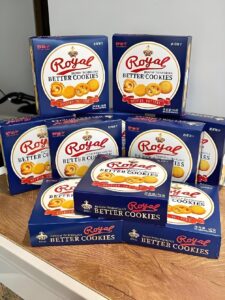
Click to see how UBL packs cookies into cartons
Labor Costs and Availability in Snack Manufacturing
The labor market for packaging workers in snack manufacturing has tightened significantly in recent years. In many manufacturing regions, the pool of workers willing to perform repetitive manual cartoning tasks is shrinking, and the wage rate for packaging line workers has risen correspondingly. This trend is not cyclical — it reflects a structural shift in the labor market that affects all food manufacturing sectors, with snack manufacturing being one of the most affected due to the high volume of manual packaging work in cookie, chocolate, and candy production.
A snack cartoning machine addresses the labor availability problem directly by reducing the number of workers required at the packaging station from four to six workers to one operator. The remaining operator role is less physically demanding and easier to fill than the manual folding and loading positions it replaces. The machine also eliminates the training and turnover costs associated with manual packaging positions. A new manual packaging worker may take two to three weeks to reach full speed and accuracy on the folding and loading tasks. A new machine operator reaches independent operation within two to three days of installation training. For snack manufacturers operating year-round with seasonal peak periods, the labor availability advantage of automation is as important as the direct cost saving.
Maintenance and Support for Snack Cartoning Machines
UBL snack cartoning machines are built with stainless-steel construction that provides durability and easy cleaning in food production environments. Routine maintenance — lubrication of moving parts, inspection of belt tension, cleaning of the blank magazine — follows a standard schedule and is covered in the two-hour operator training session that UBL provides at installation. Most operators perform routine maintenance independently after the first week of operation.
UBL supports on-site installation, commissioning, and operator training as standard contract terms, with a one-year warranty covering parts and service. The training program covers HMI operation, infeed procedure, routine maintenance, and troubleshooting for common carton-jam causes. UBL also provides four-hour remote response support for issues that cannot be resolved through on-site troubleshooting, ensuring that production downtime is minimized when unexpected issues arise.
Packaged Nut, Seed, and Dried Fruit Products
Packaged nuts, seeds, and dried fruits arrive at the cartoning station in sealed flexible pouches or resealable bags. These products vary in fill level and pouch thickness, requiring an adjustable infeed channel. A snack cartoning machine handling these products includes an infeed guide adjustment that accommodates the pouch thickness range without a changeover tool. For manufacturers producing multiple pouch sizes on the same line, the recipe-based quick-changeover function stores the infeed dimensions for each SKU.
Carton Integrity During Distribution and Retail Display
Snack cartons travel through a distribution network that may include regional warehouses, retail distribution centers, and individual store shelves. During this journey, cartons are stacked, transported, and handled multiple times. A carton that was closed with insufficient tuck depth or inconsistent glue application may pop open during transport, causing product spillage inside the outer case. A snack cartoning machine applies consistent closing force to every carton, ensuring that each box maintains its structural integrity throughout the distribution cycle.
The glue-seal configuration of the snack cartoning machine provides an additional margin of safety for export shipments. The hot-melt adhesive bond is maintained through temperature and humidity cycling, ensuring that the carton remains sealed from the production line to the end consumer. UBL glue-seal cartoning machines use international-brand hot-melt applicators that maintain consistent adhesive temperature across the full production shift.
Changeover Efficiency for Multi-SKU Snack Lines
Snack manufacturers running multiple SKUs on a single packaging line know that changeover time is real production cost. A facility with 15 active SKUs and three format changes per week accumulates over 150 changeover events per year. If each changeover takes 45 minutes on a manual line, that is over 112 hours of lost production annually. A snack cartoning machine reduces this loss through HMI-stored recipe settings that recall the correct infeed width, pusher depth, and carton dimensions for each SKU at the touch of a button. Typical changeover time for dimension adjustments within the same box style is under ten minutes.
Quality Consistency: Why Mechanical Beats Manual
Carton closing quality is one of the most visible indicators of packaging line performance. A carton with crooked flaps or unevenly tucked ends tells the customer that the product inside may have been handled carelessly. In a manual packaging station, closing quality depends on the individual worker skill level and fatigue state. A snack cartoning machine applies the same closing force and geometry to every carton regardless of shift timing, producing identical carton appearance from the first box to the last.
Labor Costs and Availability in Snack Manufacturing
The labor market for packaging workers in snack manufacturing has tightened significantly. In many manufacturing regions, the pool of workers willing to perform repetitive manual cartoning tasks is shrinking. A snack cartoning machine addresses the labor availability problem directly by reducing the required workers from four to six to one operator. The machine also eliminates training and turnover costs. A new machine operator reaches independent operation within two to three days, compared to two to three weeks for a manual packaging worker.
Food Safety and Sanitary Design
UBL snack cartoning machines are built with stainless-steel construction that meets food-grade hygiene requirements. The machine frame and surfaces are smooth and free of crevices where product debris could accumulate. While the machine handles sealed primary packaging and does not make direct contact with edible product, its integration into a food-grade production line means that sanitary design standards apply to external surfaces and the area around the product infeed.
Case Study: A Confectionery Line Before and After Automation
A confectionery manufacturer producing individually wrapped chocolate candies in 12-piece and 24-piece retail cartons operated a secondary packaging station with five workers: two folding boxes, one loading candies, two closing flaps. The line ran at 18 to 22 cartons per minute. After installing a UBL snack cartoning machine, the station reconfigured to one operator at 45 cartons per minute. Four workers were redeployed. The payback period was 13 months. For gift and seasonal confectionery, where design changes drive the schedule, see our guide to seasonal gift cartoning.
How to Evaluate a Snack Cartoning Machine
Three factors deserve attention before purchase: carton compatibility, product infeed configuration, and line layout fit. Carton compatibility is verified through a sample trial. Product infeed depends on whether the product arrives pre-grouped, individually oriented, or in bulk. Line layout is confirmed through an AB layout plan provided by UBL installation team. These three factors are reviewed during every pre-purchase evaluation.
Maintenance and Support
Routine maintenance of a snack cartoning machine — lubrication, belt inspection, blank magazine cleaning — follows a standard schedule covered in the two-hour operator training. UBL provides on-site installation, commissioning, and training as standard contract terms, with a one-year warranty covering parts and service, plus four-hour remote response support.
How to Start
UBL supports sample trial runs before purchase. Send your snack product sample and carton blank for a free test run with video documentation. Standard machines ship next business day. Installation, training, and one-year warranty are included.
To discuss your snack product format, carton specification, and output targets, contact the UBL team at helen@huanlianauto.com or visit ublpackaging.com.
Upstream and Downstream Integration for Snack Lines
A snack cartoning machine does not operate in isolation. Its infeed must receive product from an upstream source — a flow-wrapper, bagging machine, or manual accumulation table — and its outfeed must deliver sealed cartons to the downstream labeling, metal detection, case packing, or palletizing stage. Before specifying a machine, map the physical space between the upstream exit point and the downstream entry point. Note the belt height and transfer elevation at each interface. Confirm that the machine infeed and outfeed conveyor heights are compatible with the existing line layout.
The connection to upstream equipment is particularly important for snack lines running at high speed. If the flow-wrapper feeds product at 60 units per minute and the snack cartoning machine is configured at 40 cartons per minute, the infeed must have sufficient buffer capacity to accumulate product between cycles. UBL team maps the client existing line layout and upstream output rate to configure the cartoner at the appropriate speed before installation, ensuring that the infeed buffer size matches the speed differential between the two machines.
Why Snack Manufacturers Choose UBL
UBL snack cartoning machines are used by snack manufacturers across multiple product categories, including cookie and biscuit producers in Europe and Southeast Asia, chocolate and confectionery manufacturers in North America, and energy bar producers in the Asia-Pacific region. The common thread across these deployments is the need for a machine that handles multiple product formats, changes over quickly between SKUs, and delivers consistent carton quality without requiring specialized maintenance skills on the factory floor.
UBL is CE-certified and holds over 160 patents in automated packaging technology. The company exports to more than 50 countries and provides installation, commissioning, operator training, and a one-year warranty as standard contract terms. The pre-purchase sample trial process — in which the customer sends product and carton samples for a live test run with video documentation — is available at no cost and gives the buyer documented evidence of machine compatibility before any purchase commitment is made.
Sample Trial: The First Step
The evaluation process for a snack cartoning machine begins with a sample trial. The customer sends production samples — typically 50 to 100 pieces of the wrapped product and 20 to 30 carton blanks — to UBL facility. The engineering team runs a test cycle on the relevant machine configuration and provides video documentation of the output, including carton closing quality, cycle speed, insertion consistency, and any format adjustments required. The customer can also visit the facility in person to observe the test run. The trial is provided at no cost and does not require a purchase commitment.
Standard machine configurations are available for next-business-day dispatch after contract signing. Custom configurations for non-standard carton dimensions or specific line integration requirements are typically available within three months of design confirmation. Installation and commissioning are included in the purchase price, and on-site operator training takes approximately two hours.
To discuss your snack product format, carton specification, and output targets, contact the UBL team at helen@huanlianauto.com or visit ublpackaging.com.
Return on Investment: A Detailed Breakdown
The ROI calculation for a snack cartoning machine starts with direct labor. A snack packaging station running four to six workers across two shifts costs the manufacturer between ,000 and ,000 per year in wages and benefits, depending on the regional labor market. After automation, the same station runs with one operator per shift, reducing the annual labor cost to ,000 to ,000. The annual saving of ,000 to ,000 recovers the machine purchase price within 10 to 16 months for most snack manufacturers.
Beyond direct labor, three indirect savings contribute to the total return. First, reduced rework: manual packaging stations typically generate a 1 to 3 percent carton defect rate from crooked flaps, misaligned tucks, or crushed corners. A snack cartoning machine reduces this to below 0.5 percent. Second, reduced retail return risk: consistent carton quality reduces the frequency of retail buyer quality complaints. Third, independence from labor market volatility: the machine does not require recruitment when order volumes spike.
For a comparable ROI scenario, the automatic cartoning machine case study documents an eight-to-two worker reduction with a payback period measured in months. UBL provides a documented ROI calculation specific to each client labor cost structure, shift pattern, and target output volume before purchase.
Frequently Asked Questions
Can a snack cartoning machine handle both cookies and chocolate bars?
Yes. A single snack cartoning machine with adjustable infeed lanes and HMI-stored recipes handles multiple product formats. Changeover between product types takes under ten minutes.
What is the minimum order quantity for carton blanks?
There is no minimum requirement from UBL. The machine feeds from a blank magazine that can be loaded with any quantity that fits.
How long does installation take?
Installation and commissioning are typically completed within one to two days. Operator training takes two hours.
Is remote support available?
Yes. UBL provides four-hour remote response support for issues that cannot be resolved through on-site troubleshooting.
What warranty is included?
A one-year warranty covering parts and service is included with every machine purchase.