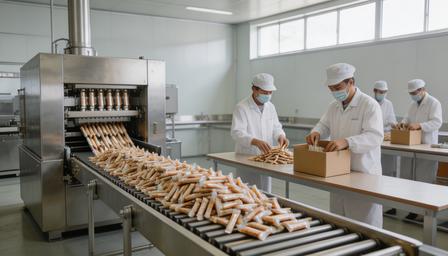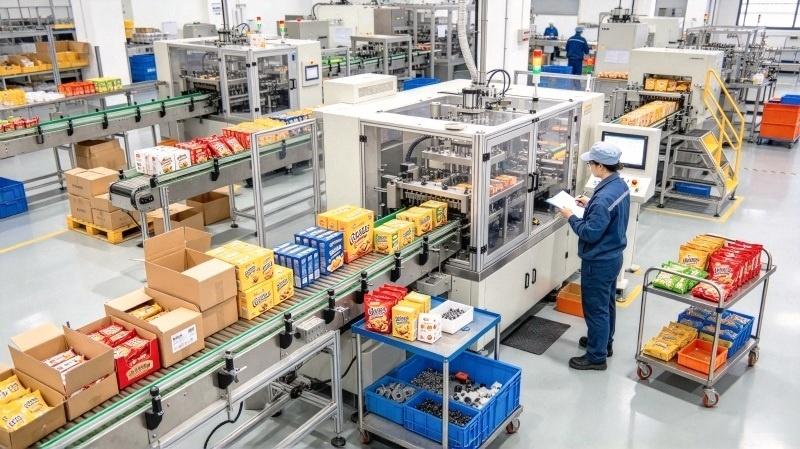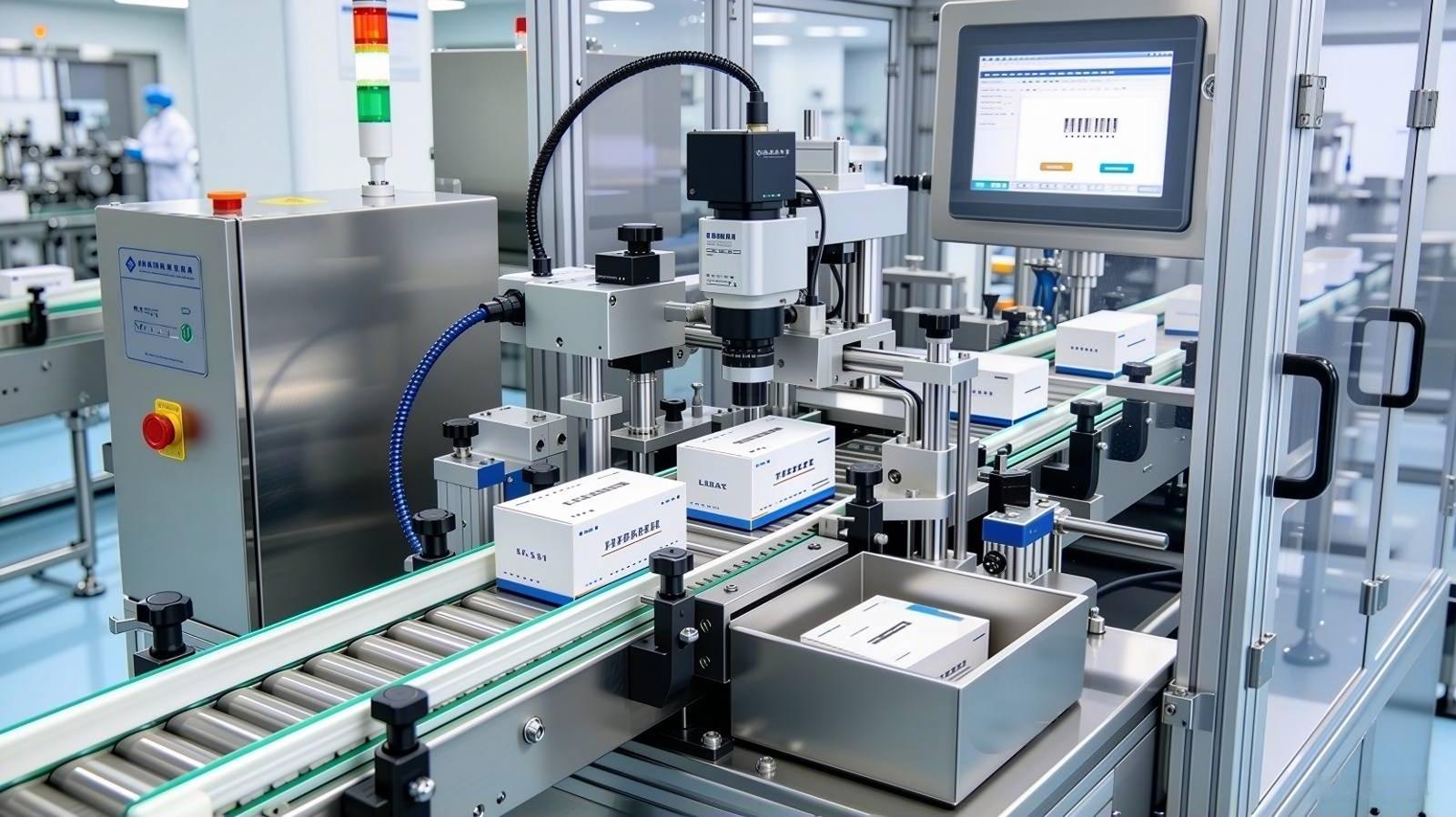
Selecting a cartoning machine for bolts and screws requires more than comparing speed ratings. Fastener manufacturers deal with unique challenges: dense, heavy products that stress mechanical components; small sizes that demand precise counting integration; and mixed SKU environments where changeover time directly impacts daily output. The wrong machine creates bottlenecks. The right machine becomes a throughput multiplier.
This guide walks through the technical specifications that actually matter when choosing a cartoning machine for bolt and screw packaging, the carton formats that work best for hardware products, and how to match the machine to your upstream and downstream equipment.
Why Bolt and Screw Packaging Is Different
Before diving into machine specifications, understand what makes fastener packaging distinct from food, cosmetics, or pharmaceutical cartoning:
Product Density and Weight
A carton filled with M8 bolts weighs significantly more than a carton of similar dimensions filled with snack bars or cosmetic tubes. The cartoning machine must handle the mechanical stress of filling, conveying, and sealing heavy product without jamming or wearing prematurely. Standard cartoning machines designed for lightweight consumer goods often fail under the load of hardware products.
Precision Counting Requirements
Fasteners are sold by count—100 screws per carton, 50 bolts per box. The cartoning machine must integrate seamlessly with counting or weighing equipment that delivers precise quantities into each carton. A machine that cannot synchronize with your counting station creates underfilled cartons (customer complaints) or overfilled cartons (margin erosion).
Carton Durability Needs
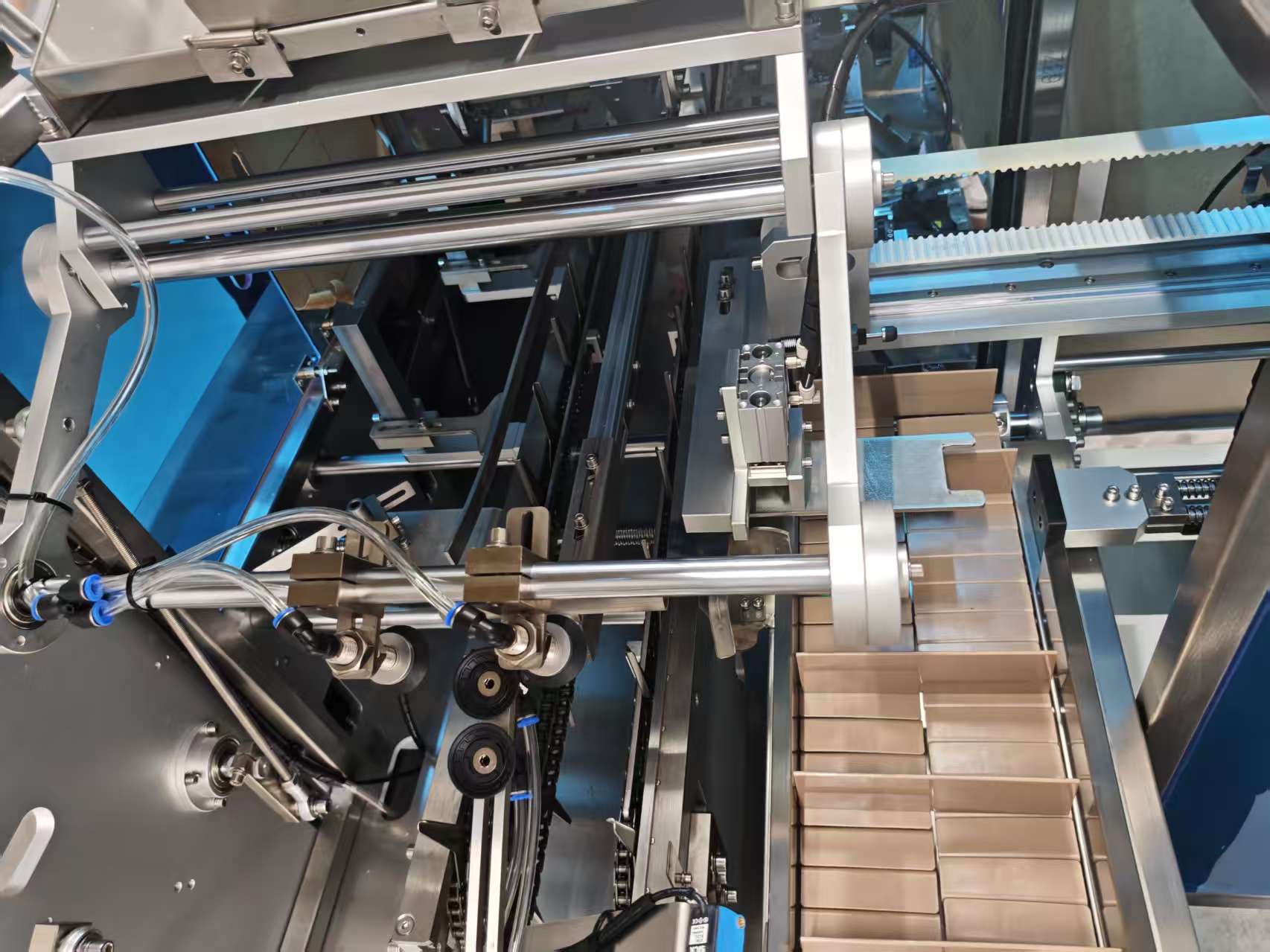
Hardware cartons must survive warehouse stacking, transportation vibration, and retail handling. This typically means heavier corrugated board or reinforced paperboard compared to consumer product packaging. The cartoning machine’s carton handling mechanism—vacuum pickers, forming mandrels, sealing systems—must accommodate these stiffer, heavier materials.
Key Technical Specifications for a Cartoning Machine for Bolts
When evaluating a cartoning machine for bolts, focus on these specifications rather than generic marketing claims:
Speed and Throughput Matching
Speed ratings (cartons per hour) mean little if they don’t match your counting station’s output. A cartoning machine rated for 3,000 cartons/hour creates no value if your weighing system can only supply product for 1,500 cartons/hour.
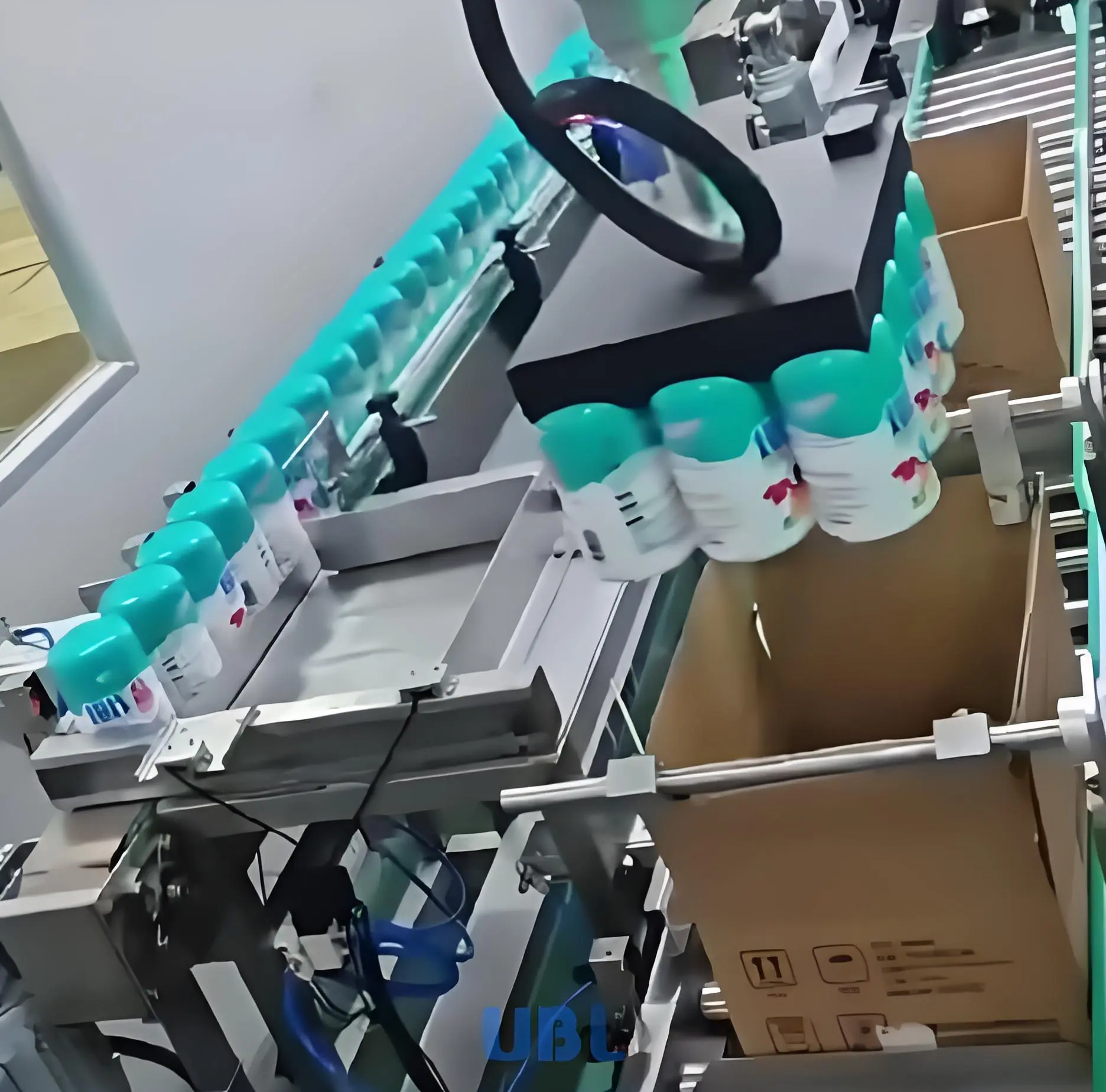
For most bolt and screw operations, the practical question isn’t maximum speed—it’s whether the machine can run consistently at the speed your counting equipment demands, with buffer capacity for demand spikes. UBL’s servo-driven cartoning machines operate at 3,000–4,800 cartons/hour, providing the speed range needed for typical hardware packaging operations.
Carton Size Range and Changeover
Fastener manufacturers typically package multiple SKUs—different bolt sizes, screw lengths, thread types—each requiring a different carton format. A well-designed cartoning machine for bolts handles carton dimensions in the range of L 120–200 mm × W 60–140 mm × H 30–70 mm, covering most hardware retail packaging needs.
More important than the range is changeover time. Modern servo-driven format adjustment allows operators to switch between carton sizes in approximately 10–15 minutes. For operations running 8–12 different SKUs daily, this translates to 2–3 hours of recovered production time compared to machines requiring 30–45 minute mechanical changeovers.
Carton Style Compatibility
Hardware products typically use:
- Tuck-end cartons: Standard for retail display, easy to open, cost-effective
- Snap-lock bottom cartons: More secure for heavier products, better stacking strength
- Glued-seal cartons: Used for export or high-value fasteners requiring tamper evidence
For tuck-end carton closing, servo-controlled machines provide consistent sealing quality. If your product line requires glued-seal formats, discuss this with the engineering team—alternative models with glue sealing capability are available, or the line can be configured with additional sealing stations.
Integration Interface
A cartoning machine for bolts doesn’t operate standalone. It must communicate with:
- Upstream counting/weighing equipment (product ready signal)
- Downstream labeling machines (carton position tracking)
- Conveyor systems (speed synchronization)
- Line control systems (start/stop, fault signaling)
Modern cartoning machines include standard digital I/O and can be configured for common industrial communication protocols. This matters when integrating with existing counting equipment or building a new line from components sourced from multiple suppliers.
Matching the Cartoning Machine to Your Product Range
The right cartoning machine for bolts depends on your specific product mix. Here’s how to think through the matching process:
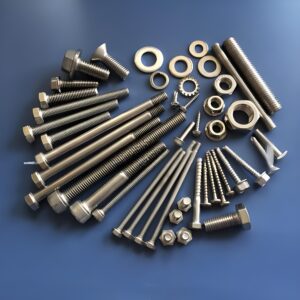
Small Fasteners (M3–M6 screws, small nuts)
These products require precise counting and benefit from smaller cartons. Minimum carton sizes around 120 × 60 × 30 mm accommodate small hardware quantities typical of retail blister pack replacements or DIY kit components. Integration with photoelectric counting systems ensures accurate piece counts in these smaller cartons.
Medium Fasteners (M6–M10 bolts, standard screws)
This is the sweet spot for most hardware cartoning operations. Carton sizes in the mid-range (150 × 80 × 40 mm) handle 25–100 piece quantities common in hardware retail. Servo-controlled machines maintain consistent forming and sealing quality across this range.
Large Fasteners (M12+ bolts, anchor bolts, mixed kits)
Heavy, large fasteners push the upper limits of carton sizes and weights. Maximum carton dimensions around 200 × 140 × 70 mm accommodate larger hardware and mixed fastener kits. For very heavy products (e.g., 5kg+ anchor bolt sets), consider whether the standard carton closing provides adequate strength or if supplemental sealing (tape, glue) is required.
Integration with Upstream Counting and Weighing
The most common integration failure in fastener packaging lines is mismatched speed between counting and cartoning. Here’s how to avoid it:
Counting Station Output
Electronic counting machines for small fasteners typically achieve 800–1,200 counts per minute. Weighing systems for mixed or larger fasteners run 60–120 cycles per minute. Calculate your target cartons per hour based on this upstream limitation, not the cartoning machine’s maximum speed.
Buffer Design
A small buffer zone (2–3 cartons worth of product) between counting and cartoning smooths out micro-stoppages. Many cartoning machines can be configured with accumulation conveyors that maintain this buffer without manual intervention.
Signal Handshaking
The cartoning machine needs a “product ready” signal from the counting station before each fill cycle. Modern control systems accept standard 24V digital inputs for this handshaking. Ensure your counting equipment can provide this signal, or plan for a control system integration.
Downstream: Labeling and Protective Packaging
After cartoning, hardware products typically require:
Labeling
Retail cartons need barcode labels, product descriptions, and often country of origin markings. Industrial packaging may require batch numbers, weight declarations, or customer-specific labeling. Cartoning machines discharge onto conveyors that feed directly into inline labeling equipment. Carton spacing and positioning are maintained to ensure accurate label placement.
Protective Bagging
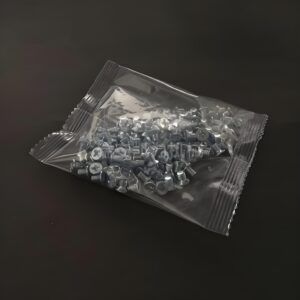
For corrosion-sensitive hardware (carbon steel bolts, unfinished screws), cartons are often enclosed in polyethylene bags with heat-sealed closures. The complete packaging line workflow includes bagging as the final step, with the cartoning machine’s output conveyor feeding directly into the bagging station.
Common Selection Mistakes to Avoid
Based on experience with fastener manufacturers, these are the most common errors when selecting a cartoning machine for bolts:
Oversizing the Machine
Buying a machine rated for 4,000+ cartons/hour when your counting equipment maxes out at 1,500 cartons/hour wastes capital and floor space. Match the machine to your actual bottleneck, with modest headroom (20–30%) for future growth.
Ignoring Changeover Time
A machine with impressive speed specs but 45-minute changeover times destroys productivity in multi-SKU operations. Calculate total daily output including changeover time, not just running speed.
Underestimating Product Weight
Standard cartoning machines designed for consumer goods often cannot handle the mechanical stress of hardware products. Verify that the machine’s specifications explicitly cover your product weight range.
Overlooking Integration Complexity
The cartoning machine must work with your existing or planned counting, labeling, and bagging equipment. A machine with excellent standalone specs but incompatible communication protocols creates integration headaches.
Getting a Specification Review
Choosing the right cartoning machine for bolts and screws is a technical decision that benefits from detailed review of your specific products, volumes, and line configuration. UBL’s engineering team provides specification reviews that include:
- Carton size verification for your product range
- Speed matching with your counting/weighing equipment
- Integration planning for labeling and downstream equipment
- Layout recommendations for your facility
Bring the following to the discussion:
- Your 3–5 most common carton sizes (or target sizes if new packaging)
- Current or target throughput (cartons per hour)
- Product specifications: bolt/screw sizes, weights, quantities per carton
- Existing equipment: counting/weighing machine model, labeling equipment
- Facility constraints: available floor space, ceiling height, power supply
Contact UBL Packaging to schedule a technical review and receive a machine specification proposal tailored to your bolt and screw packaging operation.