The Manual Packaging Trap — The Disaster You Don’t See Until It’s Too Late
Packaging automation is usually discussed when factories want to grow faster.
But for many manufacturers, the real reason to automate is survival.
Because manual packaging rarely fails in a dramatic way.
It fails quietly.
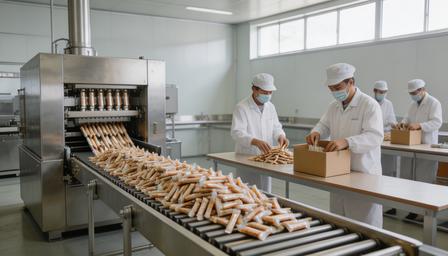
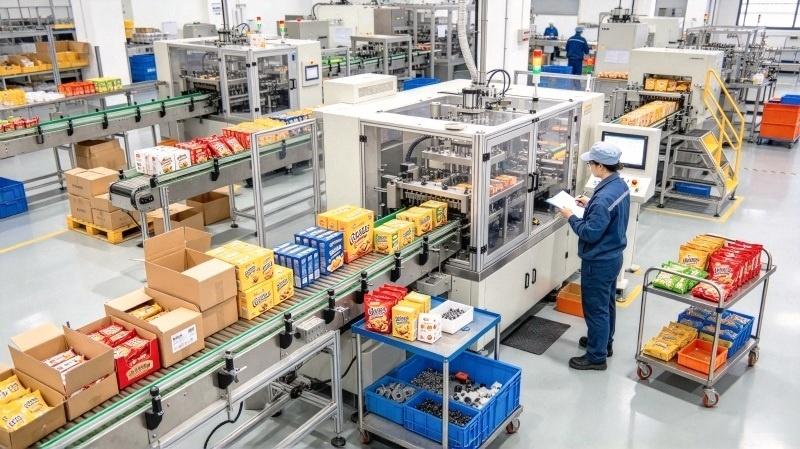
You walk into your packaging area early in the morning and everything feels calm. Workers chatting. Cartons stacked neatly. Folding machines warming up. Cartoning machines humming. Bagging machines waiting to start.
It looks fine.
Comfortable, even.
That calm is exactly where the trap begins.
Manual Packaging Doesn’t Break — It Leaks
Manual packaging doesn’t collapse all at once.
It leaks value slowly, like water behind a wall.
A folding station pauses for half a second.
Nobody notices.
A carton is folded slightly crooked.
It gets corrected.
Then another.
And another.
Each correction looks harmless.
But every correction is time, labor, and material slipping away.
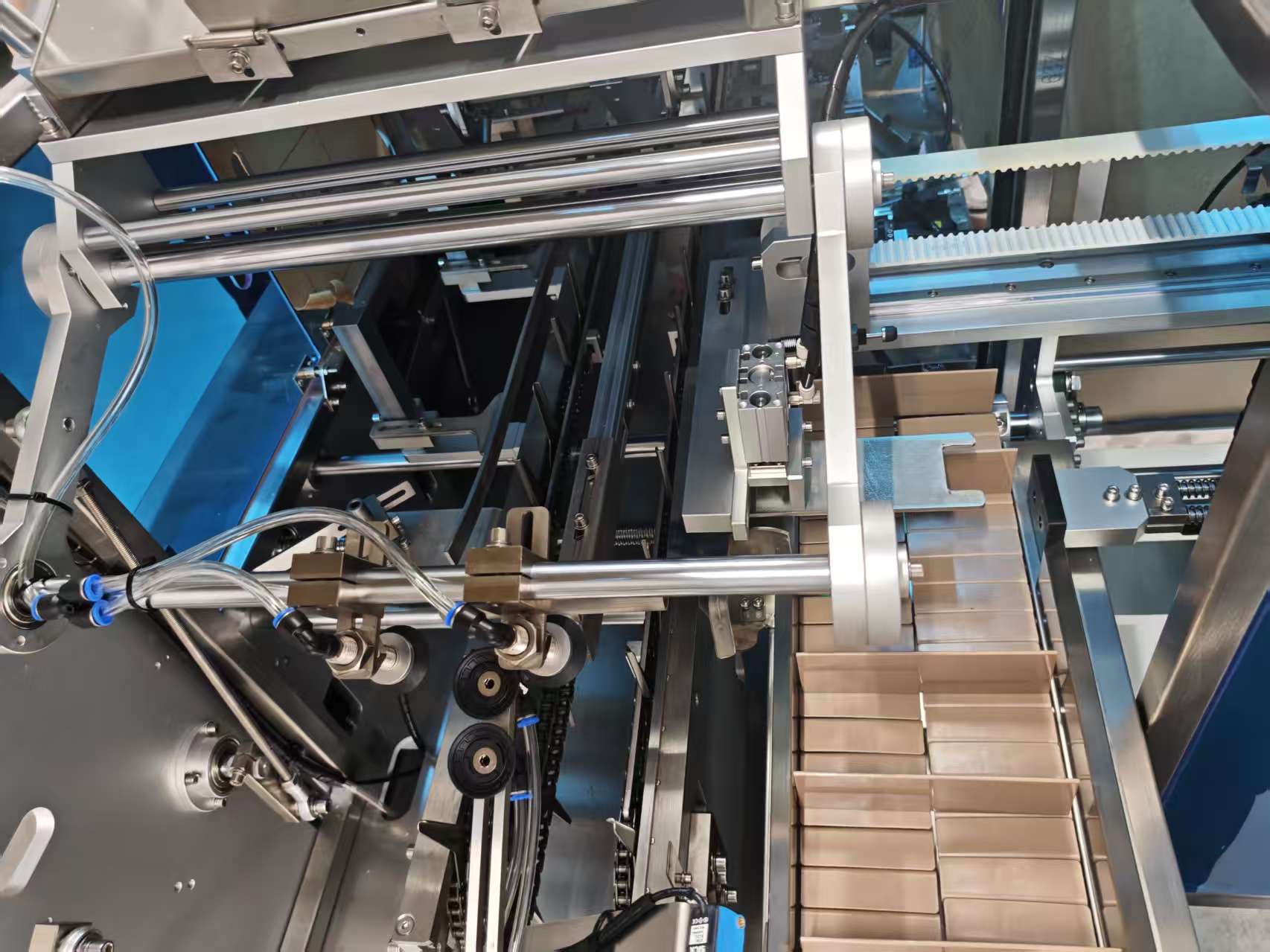
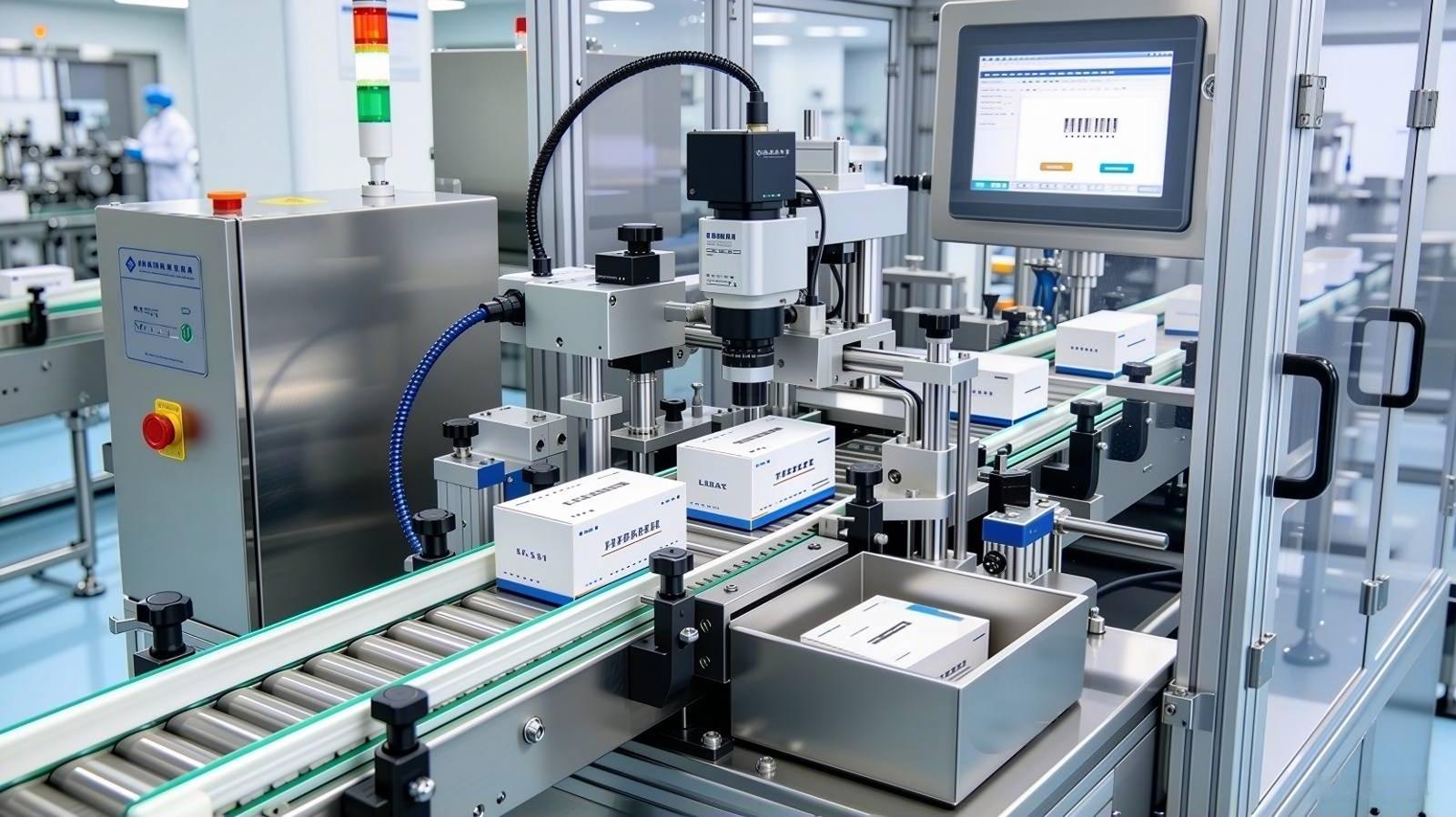
Later, that imperfect fold reaches the cartoning machine.
It hesitates.
Then it jams.
Production stops for five minutes.
Supervisors step in.
Workers wait.
Five minutes doesn’t feel serious.
But five minutes today, tomorrow, and the next day quietly turns into lost hours.
Why Manual Packaging Problems Stay Invisible
The most dangerous part of manual packaging is that nothing looks broken.
Your line still runs.
Orders still ship.
Workers still show up.
But under the surface:
-
Output slowly drops
-
Waste creeps upward
-
Workers get more tired
-
Machines jam more often
You don’t see the damage when it starts.
You see it weeks later — in your profit report.
Human Fatigue Is the Variable Nobody Plans For
Manual packaging depends on people staying consistent all day.
But humans don’t work like machines.
After lunch, folding slows down.
Hands shake near the end of long shifts.
Operators become cautious around the cartoning machine because jams happen too often.
Bag sealing looks fine in the morning — and sloppy at night.
None of this shows up as a “failure.”
It shows up as inconsistency.
And inconsistency is expensive.

Labor Instability Makes the Trap Worse
Now add reality:
-
One worker calls in sick
-
A new hire can’t keep pace
Suddenly the entire packaging line is fragile — because it depends too heavily on people.
This is why factories in the US and UK are feeling pressure first. Labor is expensive, hard to replace, and unpredictable. Manual packaging doesn’t absorb that stress — it amplifies it.
The Math Nobody Wants to Do
Manual packaging usually feels cheaper because losses are fragmented.
But add them up:
1 hour of slowed packaging per day
→ 7 hours per week
→ 28 hours per month
→ 336 hours per year
That’s nearly two months of lost production.
Not because machines failed.
But because tiny delays happened every day.
This is the real cost of avoiding packaging automation.
Why Factories Eventually Choose Packaging Automation
When factories upgrade, it’s rarely because everything is broken.
It’s because they’re tired of bleeding.
Packaging automation removes the most dangerous variable: human inconsistency.
Automated folding machines don’t slow down after lunch.
Automated cartoning machines don’t panic over minor variations.
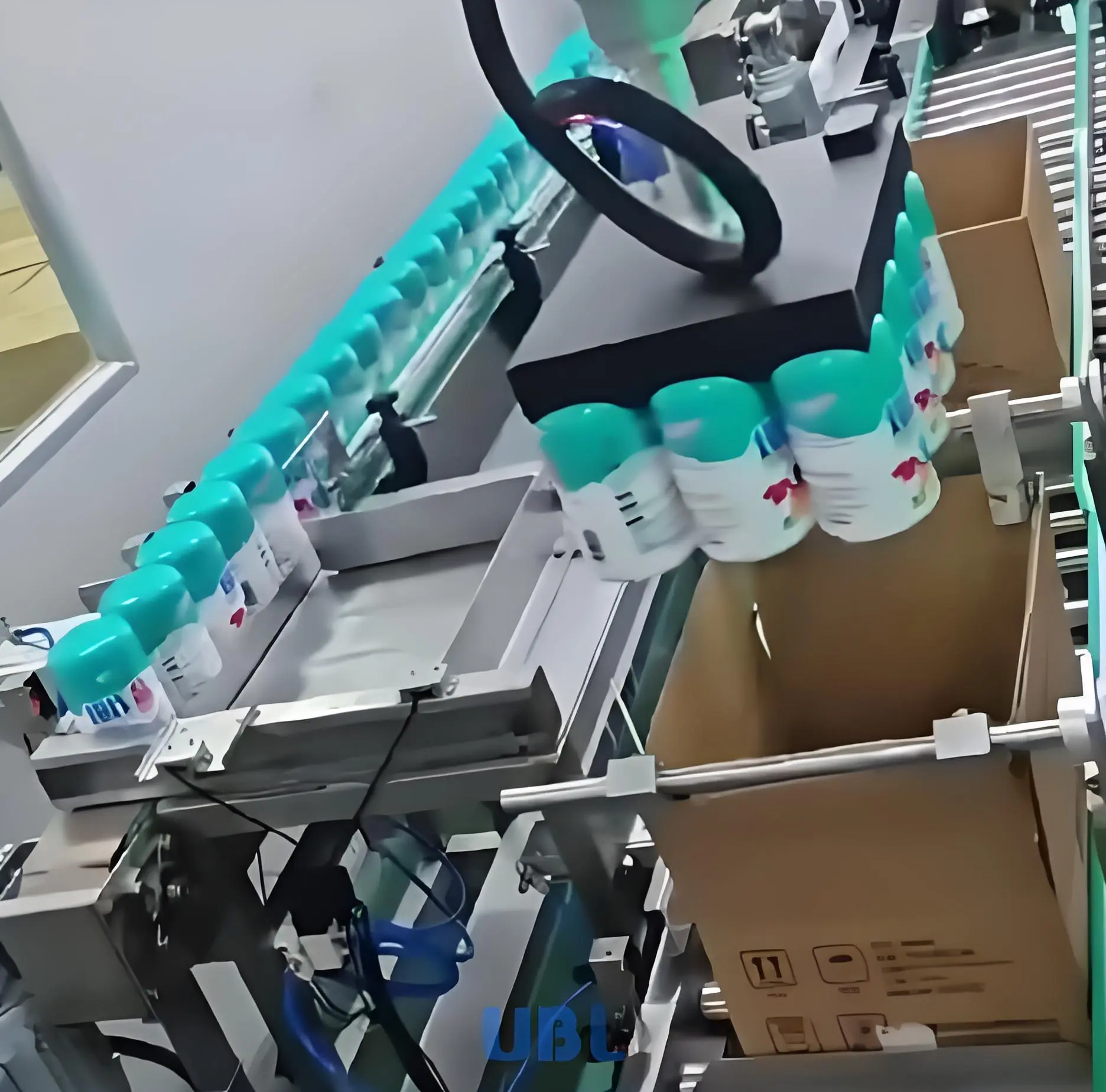
Automated bagging machines seal the same way at 8 AM and 8 PM.
UBL Packaging provides integrated packaging automation solutions that stabilize folding, cartoning, and bagging — especially for factories dealing with labor shortages and rising costs.
What Changes After Automation
Factories that automate don’t just move faster.
They become predictable.
-
Output stabilizes
-
Waste drops immediately
-
Jams decrease
-
Complaints fade
-
Management stops firefighting
Packaging automation doesn’t make your factory louder.
It makes it quieter — in the best way.
Quiet because nothing leaks anymore.
Final Thought
Manual packaging doesn’t announce when it’s hurting you.
It waits until the damage is already done.
If your packaging line depends heavily on human endurance, memory, and perfect attention — you’re not running lean. You’re running exposed.
Packaging automation isn’t about replacing people.
It’s about removing the invisible leaks that slowly drain profit.
So here’s the honest question:
Is your packaging line quietly costing you money every day — without making a sound?
If you want to know where the leak starts, tell us about your packaging process. We’ll help you see it before it’s too late.