
If you run a warehouse or production facility, you already know this truth:
packaging costs don’t explode overnight — they quietly bleed you dry.
Stretch film is one of those line items no one worries about… until it’s suddenly eating a big chunk of your margin.
Here’s the good news:
With the right stretch wrapping machine setup, many companies are saving tens of thousands of dollars a year — without slowing production or risking load stability.
This isn’t theory. It’s happening every day on real shop floors.
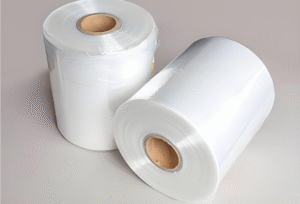
Why Stretch Film Is Where the Money Leaks First
Most operations don’t lose money because stretch film is “too expensive.”
They lose money because it’s used inefficiently.
Common issues we see all the time:
-
Film applied thicker than needed
-
Too many wrap layers “just to be safe”
-
Inconsistent tension from shift to shift
-
Manual wrapping that wastes film on every pallet
Individually, these feel minor. Over a year? They add up fast.
Industry data shows that modern film optimization and smarter packaging processes can cut film waste dramatically — in some cases by more than half, without sacrificing protection or stability.
(Source: Packaging Europe — verified industry reporting)
Film Choice Matters More Than Most People Think
A lot of buyers still focus on film thickness. That’s the wrong metric.
What really matters:
-
Stretch ratio (how far the film can stretch without tearing)
-
Load holding force
-
Puncture and tear resistance
High-performance stretch film can often stretch over 200%, meaning you’re using far less material per pallet while maintaining the same holding strength.
In plain terms:
One roll wraps more pallets. Less film goes in the trash.

Machine Settings: Where the Real Savings Happen
This is where most operations leave money on the table.
A properly tuned stretch wrapping machine controls:
-
Pre-stretch percentage
-
Film tension
-
Wrap count
-
Turntable speed vs pallet height
Dial these in correctly and the savings are immediate.
Even a 10% reduction in film usage per pallet doesn’t sound exciting — until you multiply it by thousands of pallets per year. That’s when finance suddenly starts paying attention.
And here’s the bonus most people forget:
Better settings also reduce film breaks, re-wrapping, and unplanned downtime.
Manual Wrapping vs Automation: It’s Not Even Close
Hand wrapping feels cheaper — until you actually track the numbers.
Manual wrapping means:
-
Every operator wraps differently
-
Film usage changes every shift
-
Loads aren’t consistently secured
An automatic stretch wrapping machine gives you:
-
Controlled, repeatable film usage
-
Consistent load containment
-
Predictable material costs
Automation isn’t about replacing people.
It’s about making sure every pallet uses exactly what it needs — and nothing more.
Saving Money and Cutting Plastic at the Same Time
Using less stretch film doesn’t just help your budget. It also reduces plastic waste, shipping weight, and disposal costs.
That matters more than ever, especially for companies shipping nationwide or exporting to markets with increasing sustainability pressure.
Less film =
-
Lower material spend
-
Lower freight weight
-
Less waste handling
-
Fewer environmental headaches
It’s one of the rare upgrades that helps operations, finance, and sustainability teams all at once.
Bottom Line: Precision Beats Guesswork
If stretch film costs feel out of control, the answer usually isn’t cheaper film.
It’s better control.
A well-optimized stretch wrapping machine lets you:
-
Use less film
-
Reduce waste
-
Improve consistency
-
Protect margins when material prices rise
While some companies complain about packaging costs, others quietly fix the process — and pocket the savings year after year.
That difference comes down to how seriously they treat stretch wrapping.
Stop Guessing, Start Saving.
Is your packaging process quietly bleeding your margins dry? Don’t wait for the next film price hike to take action.
Contact UBL Packaging today. Our experts will help you audit your current setup and find the “hidden leaks” in your film usage. Let’s turn your stretch wrapping from a cost center into a competitive advantage.


One Response
I love the idea of reducing costs without slowing down production. It’s nice to see that a smart investment in machinery can help eliminate waste and boost efficiency across the board.