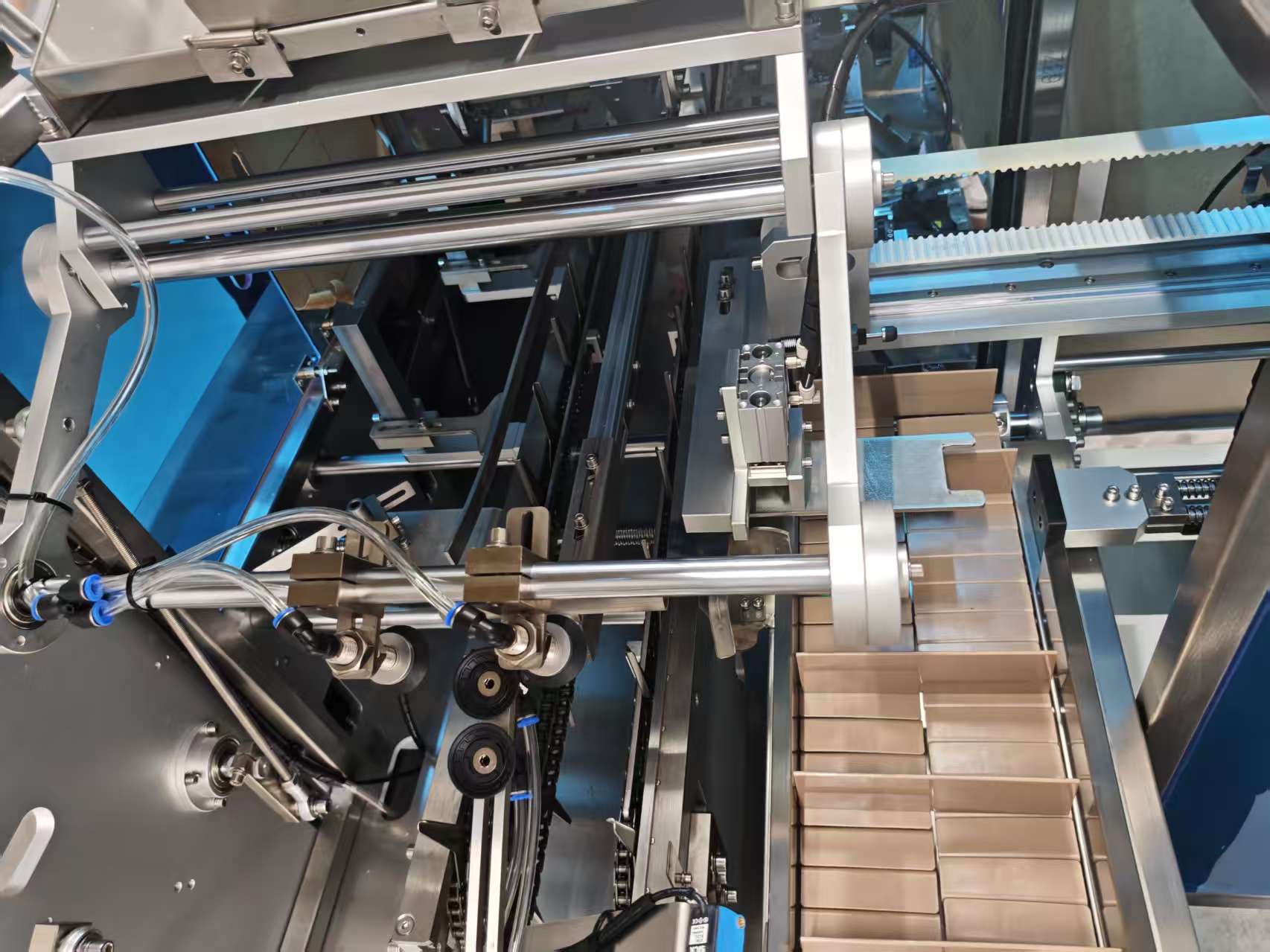
A folder gluer with blurry or inconsistent creases is one of the most common problems in carton production. When creases are unclear, cartons lose shape, folding accuracy drops, and downstream packaging becomes unstable. Over time, this leads to higher reject rates, material waste, and constant line adjustments.
In most cases, the issue is not the paperboard or machine quality. It comes from incorrect blade height and creasing pressure settings. Once these two parameters are matched properly, crease quality improves immediately.
Why Blurry Creases Appear on Folder Gluers
A folder gluer forms creases by pressing the carton between a creasing blade and the lower die. If that interaction is unbalanced, several issues appear:
-
Creases are too shallow and disappear after folding
-
Fold lines crack or split
-
Cartons twist during downstream cartoning
-
Glue application becomes inconsistent
According to packaging equipment guidelines, poor crease formation is one of the main causes of folding instability and carton deformation【1】.

Step 1: Blade Height Adjustment — The Foundation of Clean Creases
Blade height determines how deep the crease is formed, not how much force is applied. Incorrect blade height is the most common reason for blurry creases on a folder gluer.
Recommended blade height ranges:
-
150–250 gsm paperboard (retail & cosmetic cartons):
Blade height ≈ 0.8–1.2 mm above the lower die -
250–400 gsm paperboard (shipping & rigid cartons):
Blade height ≈ 1.2–1.5 mm above the lower die
Adjustment tips:
-
Measure paper thickness before setting parameters
-
Adjust gradually (small turns only)
-
Test-fold short batches after each change
Rushing this step often creates more problems instead of solving them.
Step 2:Match Creasing Pressure to Paper Type
Even with correct blade height, improper pressure will still ruin crease quality.
-
Pressure too low: creases rebound after folding
-
Pressure too high: surface damage, carton deformation, faster blade wear
Typical pressure ranges on a folder gluer:
-
Coated paperboard (premium packaging): 3–5 bar
-
Kraft paperboard (eco & shipping cartons): 5–8 bar
Industry best practices recommend matching pressure settings to material type to avoid surface damage and excessive waste【2】.
Step 3: Stability Checks After Adjustment
To maintain long-term crease consistency, two final checks are critical:
Blade condition
Dull blades cannot form clean creases. Replace blades regularly to maintain folding accuracy.
Lower die alignment
Blade and die must remain parallel. Misalignment causes off-center creases and unstable folding.
Packaging line audits show that proper alignment significantly reduces folding-related rejects【3】.
Why Crease Quality Impacts the Entire Packaging Line
Many problems blamed on cartoning or sealing machines actually start at the folding stage.
Poor creases lead to:
-
Misfeeds during cartoning
-
Uneven glue application
-
Weak box corners
-
Reduced pallet stability
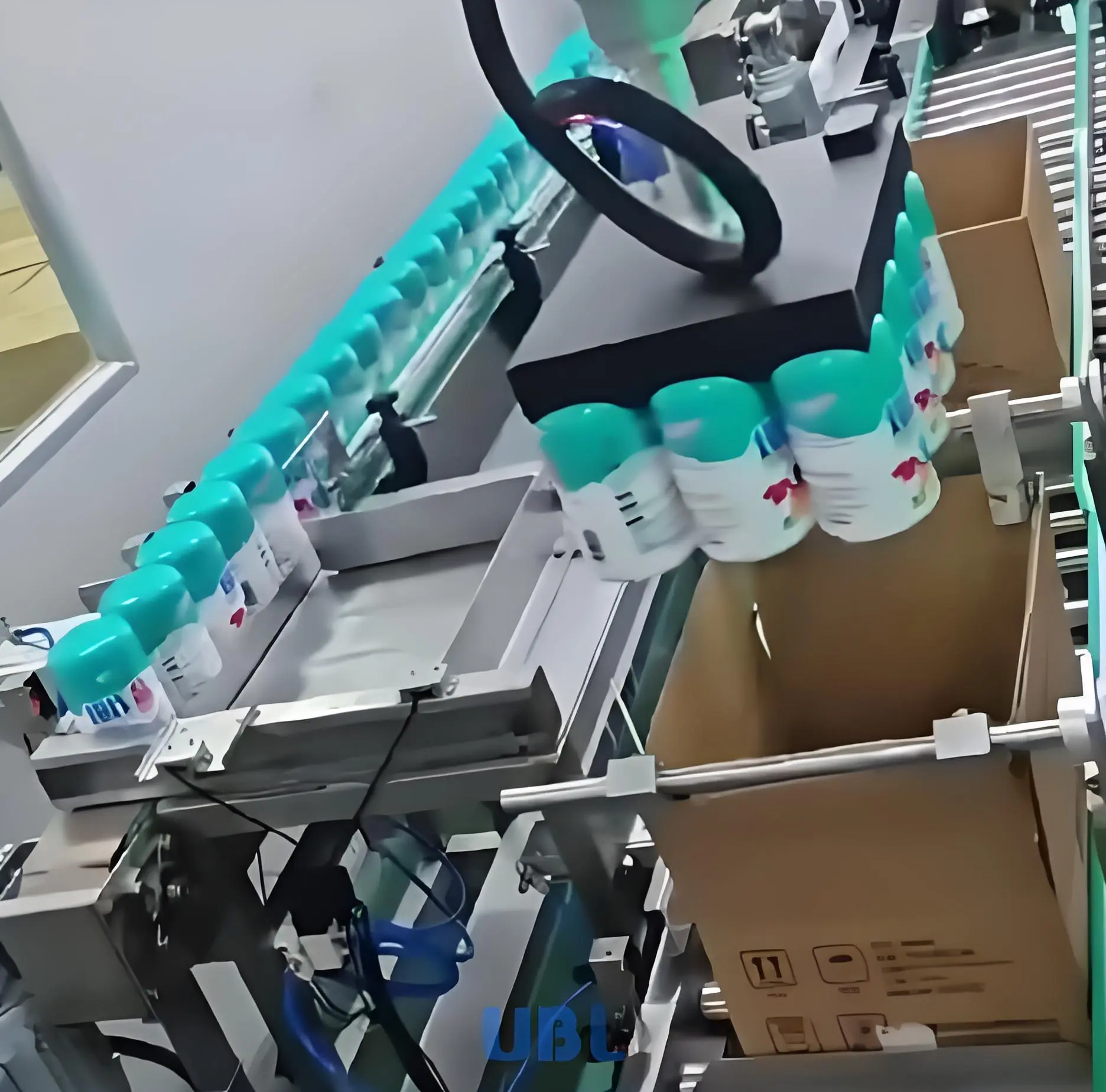
This is why many factories upgrade or stabilize carton folding before expanding automation. Solutions like UBL’s carton folding machine systems help create consistent carton geometry that supports the entire packaging line.
Final Thoughts
Blurry creases on a folder gluer are rarely a mechanical failure. In most cases, they result from mismatched blade height and pressure.
With correct adjustment:
-
Creases become sharp and repeatable
-
Material waste drops
-
Folding stability improves across the line
A properly tuned folder gluer doesn’t just fold cartons—it protects efficiency, quality, and margins.
References
【1】PMMI – Packaging Equipment Fundamentals
【2】Packaging Digest – Carton Forming & Folding Best Practices
【3】Wikipedia – Folder-gluer