
Packaging automation is no longer a “future upgrade”—for many U.S. and UK factories, it’s the only way to keep orders moving when packers simply aren’t showing up.
Factories everywhere are facing the same problem: orders keep piling up, but hiring packers has become painfully difficult. Scroll through TikTok or LinkedIn and you’ll see it firsthand—videos titled “No one wants factory packing jobs anymore” or “We’re desperate for packers, but no applicants.”
For small and mid-sized manufacturers, especially in food, cosmetics, and consumer goods, this labor shortage is turning into a daily operational crisis.

Why Packaging Jobs Are the First to Break
Packaging roles are hit hardest because the work is repetitive, physically demanding, and often tied to long or inflexible shifts. Even when factories raise wages, retention remains unstable.
According to the U.S. Bureau of Labor Statistics, manufacturing job openings remain elevated despite slowing economic growth【1】. In the UK, the Office for National Statistics reports persistent labor gaps in production and processing roles【2】.
When packing stations go understaffed, the impact is immediate:
-
Slower order fulfillment
-
Missed shipping cutoffs
-
Inconsistent packaging quality
-
Higher error and rework rates
And unlike upstream production, packaging has very little buffer. If boxes aren’t folded, filled, and sealed, nothing ships.

Why Factories Are Turning to Packaging Automation
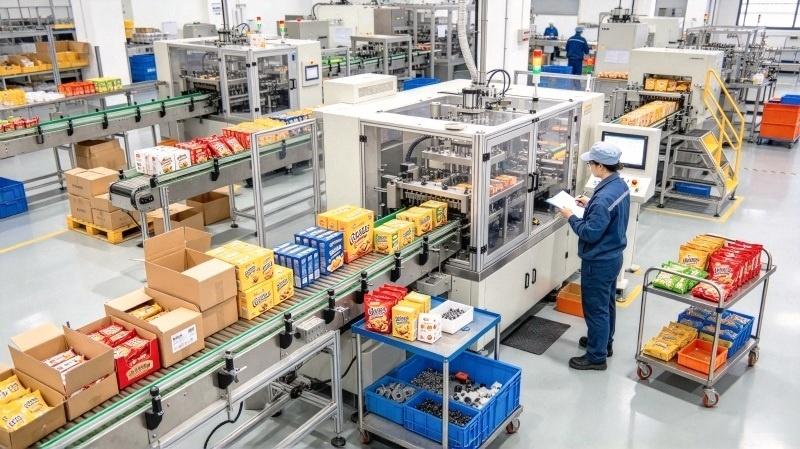
This is where packaging automation changes the equation.
Automation isn’t about replacing an entire workforce. It’s about stabilizing the most fragile part of the operation—manual packaging—so production doesn’t collapse when labor fluctuates.
With automated solutions like:
factories can maintain output even with fewer hands on the floor.
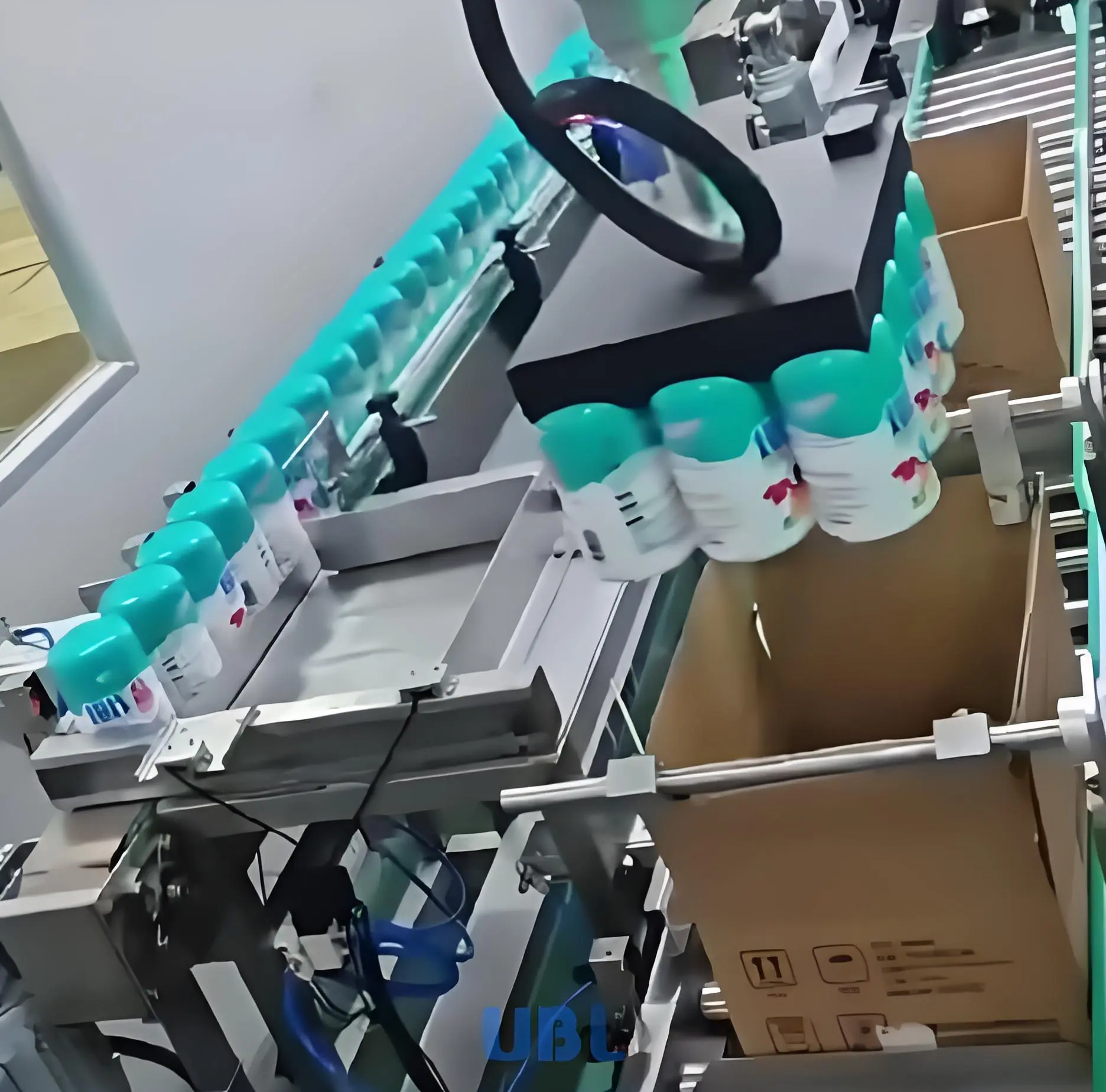
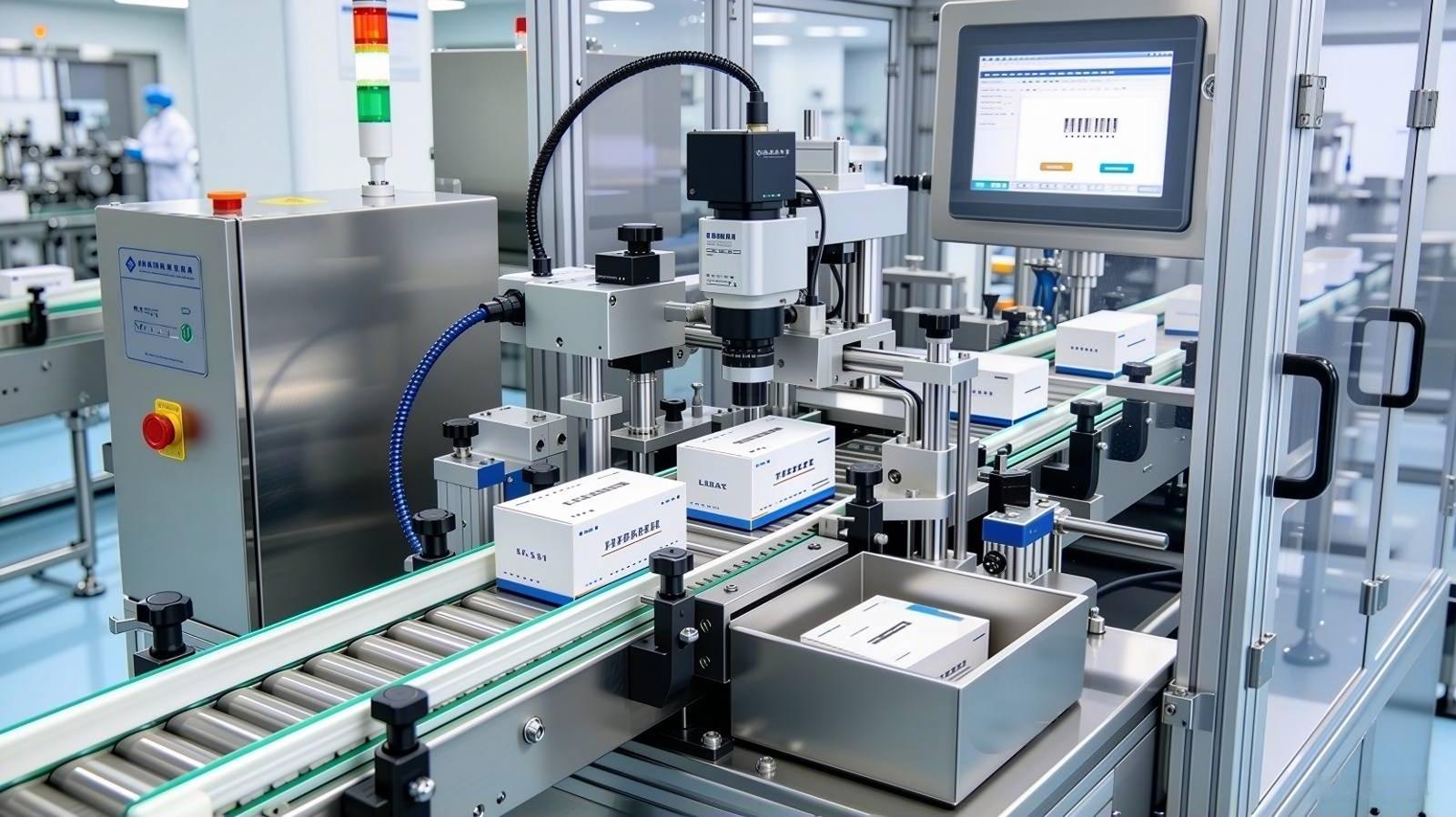
A single automated line can handle folding, product insertion, and sealing with the same precision every shift, every day. No fatigue. No variation. No missed steps.
UBL Packaging supports manufacturers with scalable packaging automation solutions that help stabilize production under labor pressure. You can explore how automated folding systems support flexible packaging formats here

Automation Fills Gaps—It Doesn’t Replace People
One of the biggest misconceptions about automation is that it eliminates jobs. In reality, most factories adopting packaging automation are doing so because they can’t hire enough people, not because they want fewer employees.
By automating repetitive packing tasks:
-
Existing staff move into quality control roles
-
Supervisors focus on process optimization
-
Fewer workers are stretched across fewer stations
-
Training time drops dramatically
Instead of constantly onboarding new packers, factories build a smaller, more skilled team around stable machinery.
Why Labor Costs Make Automation Inevitable in the US & UK
In the U.S. and UK markets, labor costs are among the highest globally. Overtime, turnover, and agency staffing quickly eat into margins—especially for packaging-heavy products.
Manual packaging lines struggle to compete on:
-
Speed
-
Consistency
-
Cost per unit
Meanwhile, automated packaging lines deliver predictable throughput and lower long-term operating costs. Industry research from McKinsey consistently shows automation as one of the most effective ways to protect margins under labor constraints【3】.
Factories that delay automation aren’t standing still—they’re falling behind competitors who can ship faster, pack cleaner, and quote more confidently.
Packaging Automation Is Now a Survival Strategy
The labor shortage isn’t temporary. Demographic shifts, changing worker expectations, and rising wage pressure mean packaging roles will remain difficult to fill.
That’s why packaging automation is no longer a “nice-to-have.” It’s how factories:
-
Keep orders moving
-
Protect delivery timelines
-
Maintain packaging quality
-
Stay competitive in high-cost labor markets
Factories that continue relying entirely on manual packing will feel the squeeze harder every year.
Final Thought
Orders aren’t slowing down—but available packers are.
Packaging automation gives factories control in an environment where labor is unpredictable. With the right cartoning, folding, and bagging solutions in place, production stays stable even when hiring doesn’t.
👉 Is your factory still scrambling for packers while orders stack up—or is it time to let automation carry the load?
Leave your contact information, and our professional engineers will design a customized automated packaging production line tailored to your facility.
References
【1】U.S. Bureau of Labor Statistics – Manufacturing Employment & Job Openings
【2】Office for National Statistics (UK) – Manufacturing Labour Market Data
【3】McKinsey & Company – Automation and the Future of Manufacturing Operations


One Response