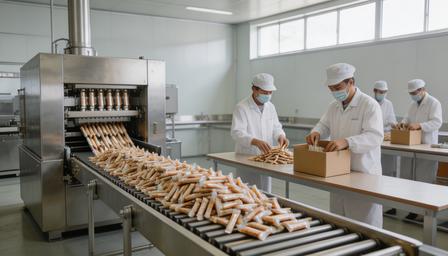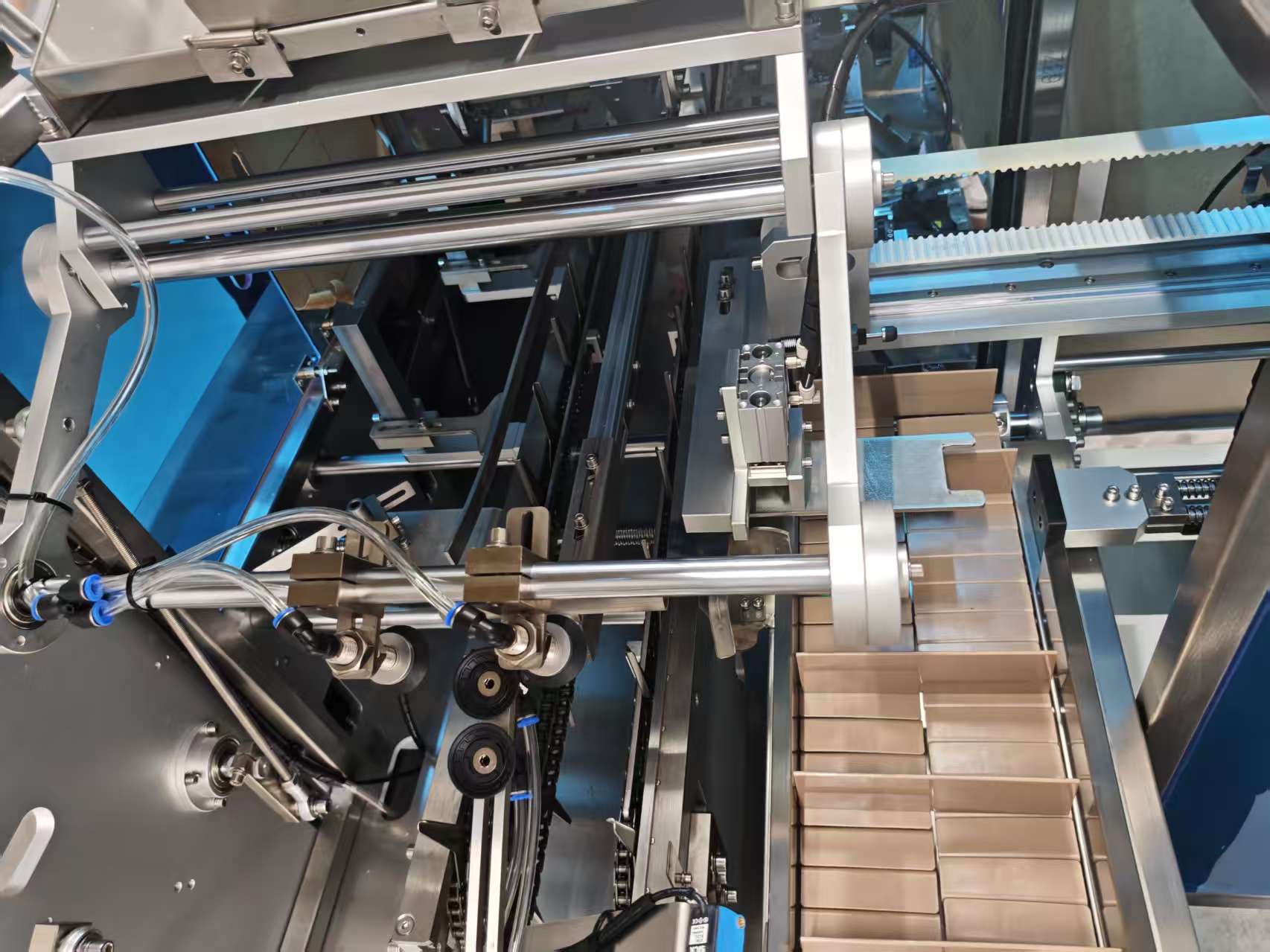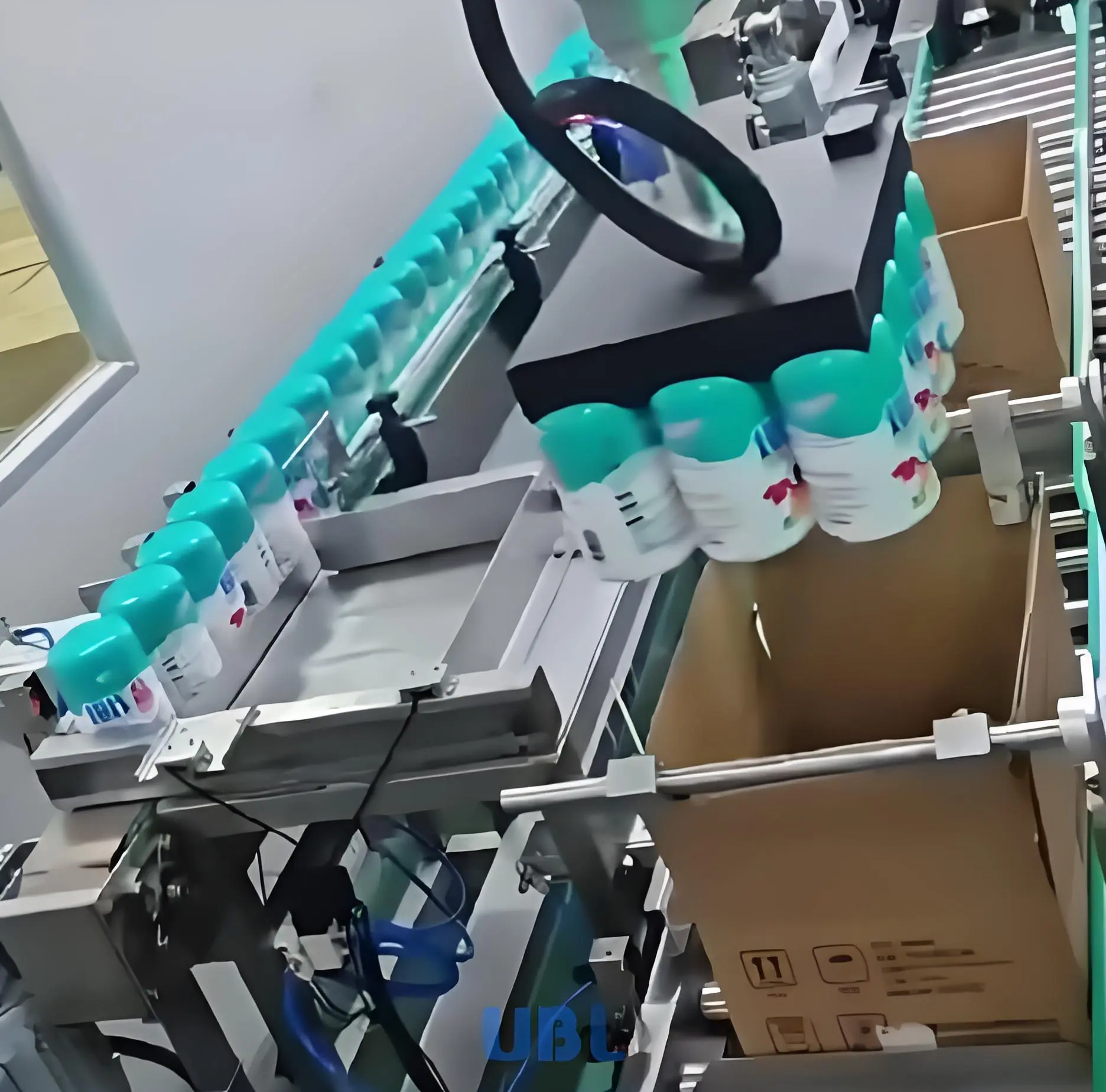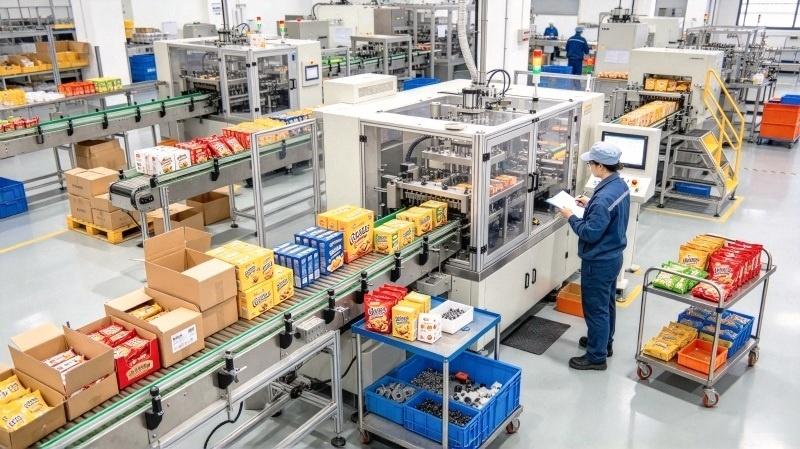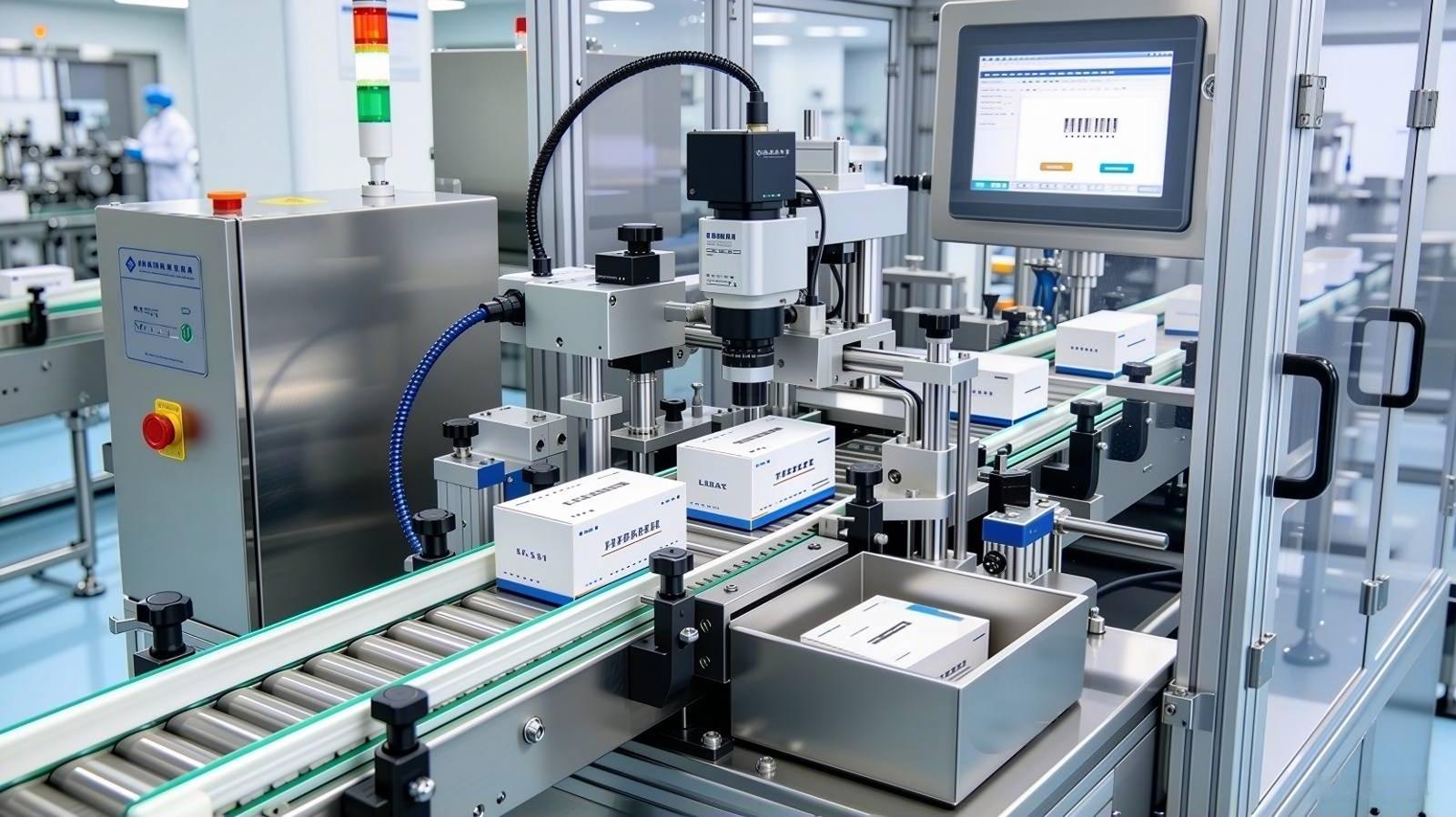
Are you investing in a carton folding machine in pursuit of maximum efficiency and zero-defect production? Even the most advanced automatic carton folding machines are fundamentally limited by the paperboard materials they process. Many production lines experiencing frequent jams or inconsistent folding mistakenly blame the carton folding machine itself, when in reality the true culprit is often material mismatch or unstable paperboard quality. This guide will help you understand the critical relationship between carton materials and high-speed carton folding machines—so you can maximize performance, minimize downtime, and achieve a stronger return on your investment.
The Silent Culprit: Material Mismatch and Your Carton Folding Machine
A carton folding machine relies on the predictable and consistent deformation of paperboard fibers. Any deviation in material properties—even slight changes in thickness or moisture content—can sabotage the entire forming process, leading to costly downtime. Understanding the material is the first step to preventing carton folding machine jamming and optimizing your entire packaging line.
Key Material Properties That Dictate Carton Folding Machine Performance【1】
The stability and appearance of your finished carton are directly governed by four critical paperboard characteristics. Each property places a unique demand on the carton folding machine:
|
Property
|
Description
|
Impact on Carton Folding Machine
|
|
Stiffness and Rigidity
|
Determines the force required for folding and the carton’s final structural integrity.
|
Insufficient stiffness leads to unstable forming; excessive stiffness demands a more robust carton folding machine.
|
|
Fiber Structure & Grain Direction
|
The direction of paper fibers. Folding against the grain causes cracking and increases folding force.
|
The carton folding machine must be precisely calibrated to the paperboard’s grain direction to ensure clean, crack-free folds.
|
|
Surface Coating and Lamination
|
Affects friction, glue adhesion, and final appearance.
|
Coatings can cause slipping or bonding challenges, requiring specialized settings on the carton folding machine.
|
|
Thickness Tolerance & Consistency
|
The allowed variation in paperboard thickness.
|
Inconsistent thickness is the most common cause of carton folding machine jamming and forming defects. A precision carton folding machine requires tight tolerance.
|
Matching Paperboard to Your Automatic Carton Folding Machine
Different paperboard types place distinct demands on the carton folding machine. Matching material characteristics to machine capability is key to achieving high efficiency and zero defects with your automatic carton folding machine.
•SBS (Solid Bleached Sulfate): Commonly used for pharmaceuticals and cosmetics, SBS’s smooth surface and lower stiffness demand extreme precision control from the carton folding machine. The high-speed carton folding machine must feature accurate scoring depth, stable folding rails, and controlled compression to prevent spring-back or cracking.
•Recycled Paperboard: This presents the highest challenge due to its inconsistent thickness and variable fiber strength. It typically requires the carton folding machine to operate at slower speeds, with flexible pressure adjustment zones and reinforced support to compensate for its poor fold memory.
•Corrugated/Heavy Duplex: Used for e-commerce kits and heavy products, this material requires very high folding force, which limits the maximum speed of the carton folding machine. It necessitates a reinforced mechanical structure and a high-power drive system in the carton folding machine.
Optimization Takeaways: From Material Knowledge to Production Efficiency
By mastering the characteristics of paperboard for folding machine use, manufacturers can significantly boost overall production line efficiency and reduce the need for constant carton folding machine maintenance:
- Reduce Downtime: Many stoppages are caused not by machine failure, but by material tolerance issues or incorrect grain direction. Proper material selection minimizes carton folding machine jamming.
- Improve Appearance: Ensuring folds align with the paper grain and precisely controlling friction on coated board significantly improves the final carton appearance produced by the carton folding machine.
- Extend Equipment Lifespan: Avoiding the use of mismatched heavy board reduces wear and stress on components of your automatic carton folding machine.
Conclusion
Your carton folding machine can only perform as well as the paperboard material allows. Better material knowledge translates directly into higher production efficiency and lower operating costs. If you are experiencing issues with your high-speed carton folding machine, the solution may lie in your material sourcing, not the machine itself.
For further requirements, refer to our Fully Automatic Carton Folding Machine Buying Guide.
Are you certain your paperboard material is not hindering your carton folding machine‘s performance? If you require expert guidance to ensure your material and carton folding machine are perfectly matched for zero-defect production, contact our packaging specialists today.