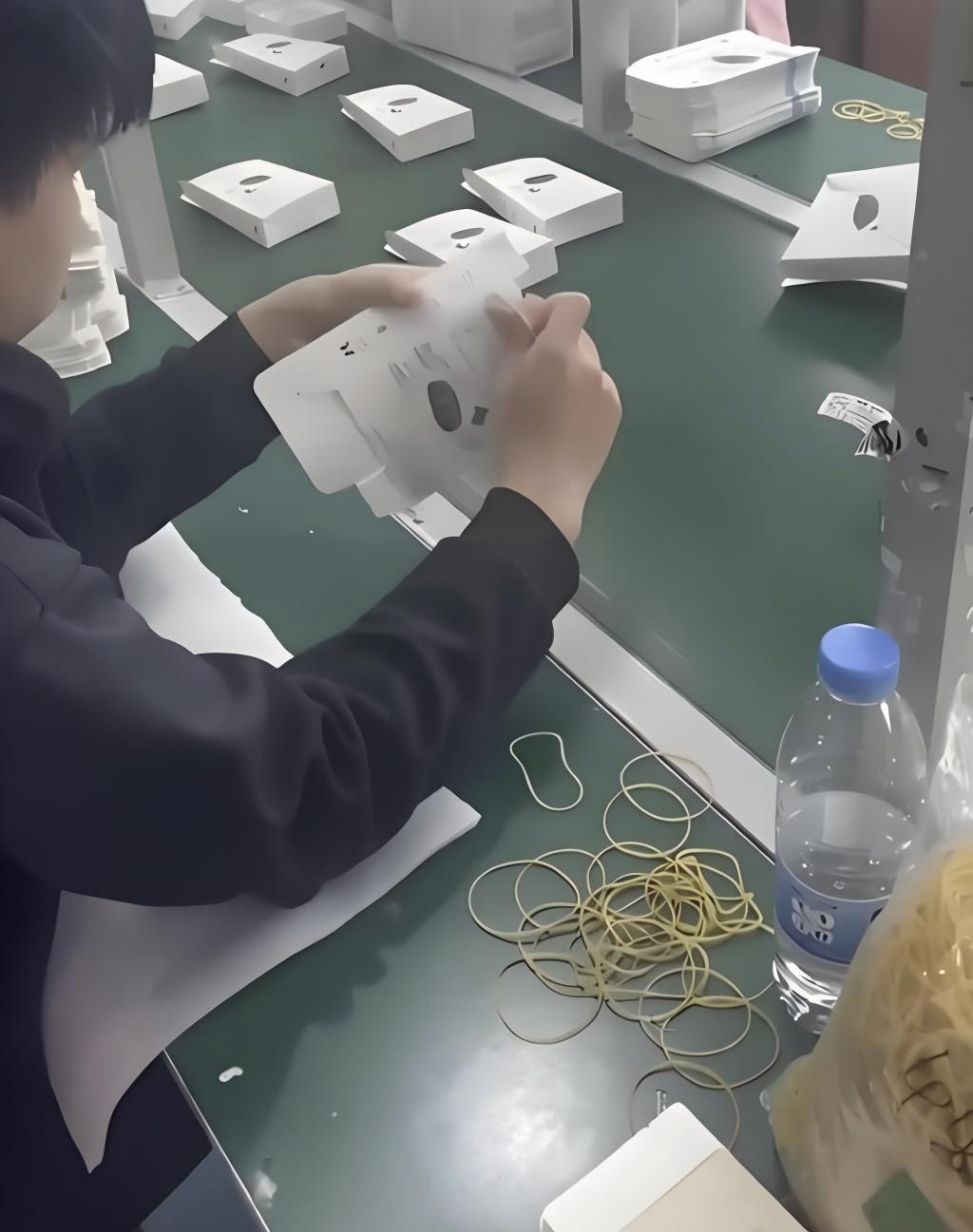
We See Labels Every Day — But Rarely Think About Them
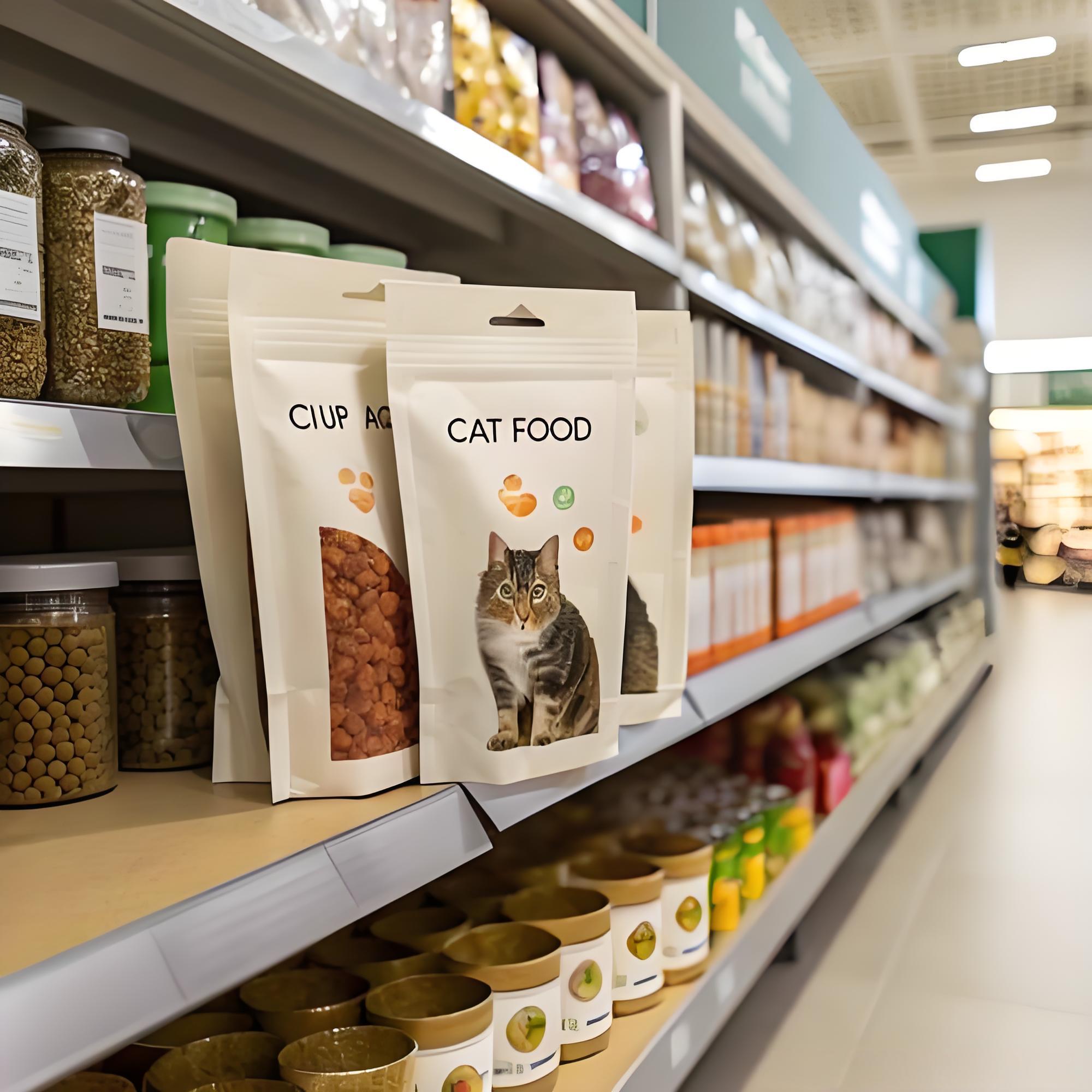
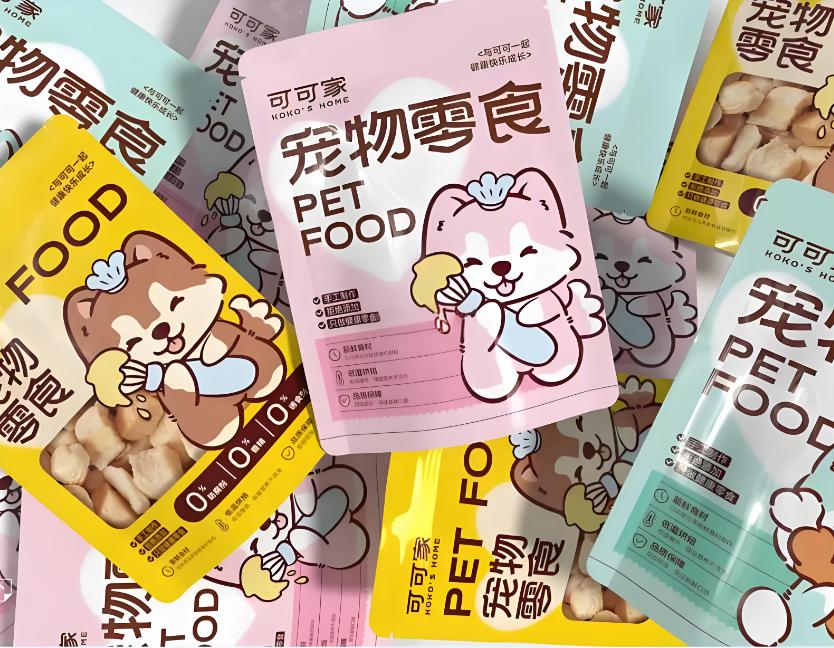
Take a quick look around your kitchen or desk. Bottles, boxes, cables, snacks — almost everything has a label.
Most of us never stop to ask how those labels get there so cleanly and consistently.
But in packaging, labeling is one of those steps where small mistakes are very obvious. A crooked label or an air bubble can make even a good product look careless. That’s why labeling machines play a bigger role than people realize.
Why Label Accuracy Actually Matters
Good labeling isn’t just about looks. It helps customers quickly identify products, check key information, and feel confident about what they’re buying. Safety organizations also emphasize clear and readable labeling as part of proper consumer communication【1】.
When labeling is done right, it quietly supports both compliance and brand trust.
Different Packages, Different Labeling Challenges
Not all packages behave the same way, and this is where labeling equipment really earns its keep.
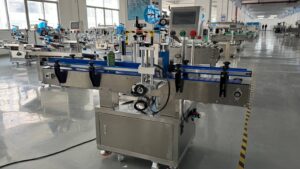
For round bottles — think drinks, sauces, or cleaning products — labels need to wrap smoothly without drifting or wrinkling. A reliable bottle labeling setup keeps tension consistent so the label stays aligned from start to finish.
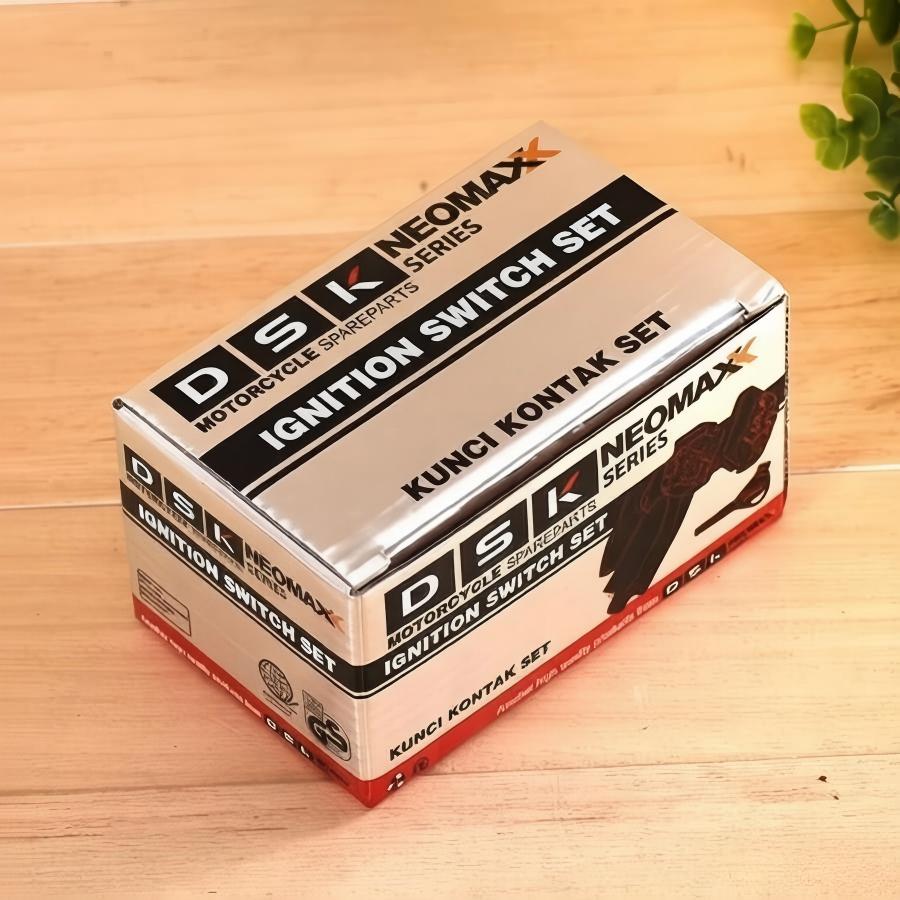
Flat packages are a different story. Boxes for electronics, snacks, or cosmetics need labels pressed evenly, without bubbles or lifted corners. Flat-surface labeling focuses more on pressure control and surface stability than rotation.
Some packaging also needs an extra layer of security. Corner or seal labeling helps keep boxes closed during shipping while clearly showing if a package has been opened.
We don’t usually notice these differences as consumers, but packaging engineers deal with them every day.
Where UBL Labeling Machines Get Technical (In a Good Way)
This is where we can talk a little more professionally.
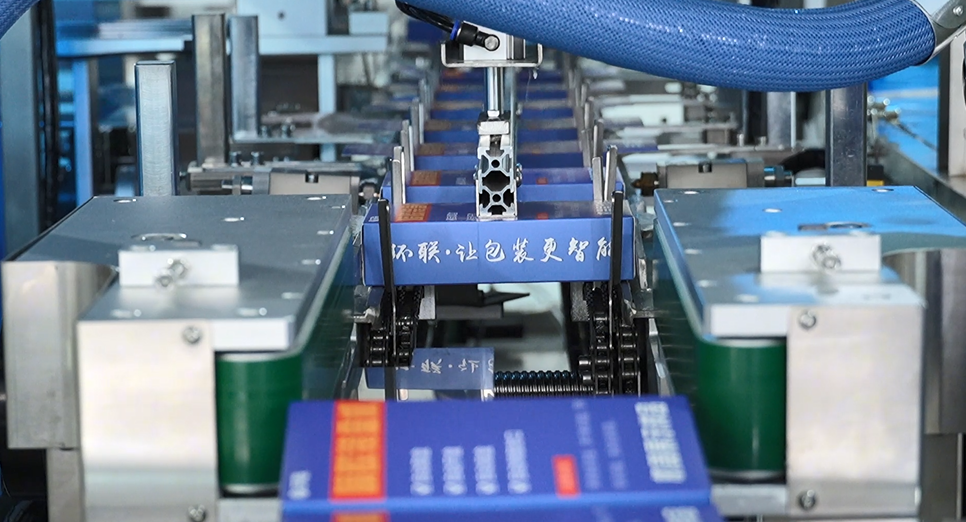
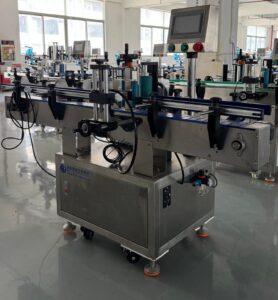
UBL’s labeling machines are designed to handle different package shapes and speeds while keeping placement accuracy tight. Servo-driven systems, stable frame structures, and precise label feeding help maintain consistency even during long production runs.
For manufacturers running automated lines, a well-matched labeling system reduces rework, material waste, and downtime. If you want to explore the technical side in more detail, you can view our full 👉 labeling machine product details here:
Internal link anchor: labeling machines
Link to: labeling machine detail page
Real-Time Printing: Small Detail, Big Impact
One labeling feature that often gets overlooked is real-time printing. In bakeries or ready-food packaging, dates and batch information are printed and applied on the spot. This reduces label waste and keeps information accurate, which is also recommended in food packaging guidelines【2】.
It’s a simple idea, but it makes daily operations smoother and more flexible.
Labeling Is Quiet, But It Holds the Line Together
Labeling machines don’t usually get the spotlight, but without them, packaging lines slow down fast. They’re one of those systems that only get noticed when something goes wrong — and when they work well, everything else flows.
If labeling is part of your packaging process, choosing the right setup early can save a lot of headaches later.
Ready to Improve Your Labeling Process?
If you’re planning a new packaging line or looking to upgrade your labeling step, our team is happy to help you figure out what actually fits your product and workflow.
Reach out to UBL today and let’s talk about how the right labeling solution can make your packaging line cleaner, faster, and more reliable.
References
【1】U.S. Food & Drug Administration (FDA) – Packaging & Labeling Guidance
【2】International Organization for Standardization (ISO) – Packaging and Labeling Standards