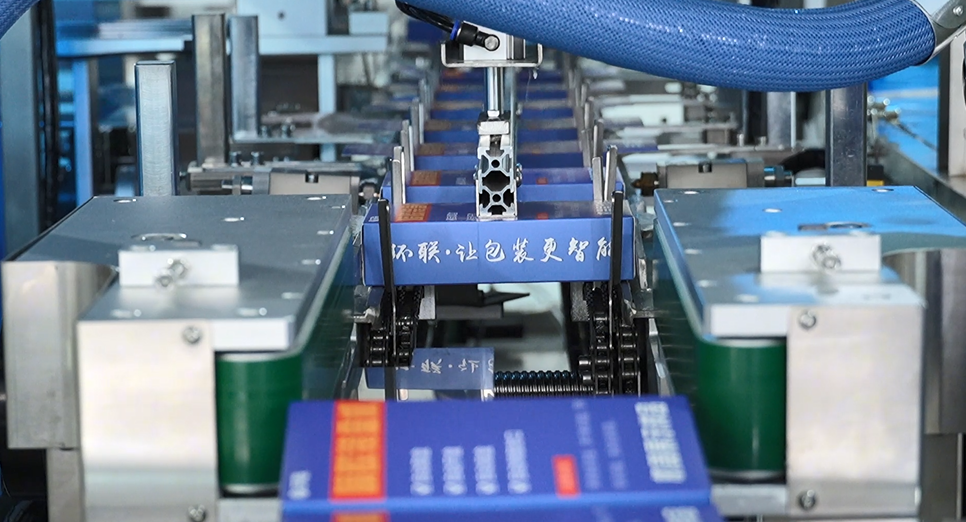
The Transformation Road for Apparel Manufacturers
In an increasingly competitive global marketplace, apparel manufacturers are confronting persistent challenges: escalating labor costs, skilled workforce shortages, and the need for faster production turnaround. Traditional labor-intensive operations are becoming untenable, and garment factory automation is no longer optional. Today it is a strategic imperative for achieving real labor cost reduction and measurable productivity gains.
Automation is reshaping how garments are produced by replacing repetitive manual tasks with machines and intelligent systems. According to industry automation market research, applying advanced technologies in textile manufacturing can reduce labor costs by up to 30% and increase productivity by as much as 25% compared with traditional methods【1】.
Labor Cost Pressures and Why Automation Is Essential
In many garment manufacturing regions, rising wages, increasing benefits costs, and workforce scarcity are driving up labor expenses. Apparel assembly and sewing are especially labor-intensive, historically accounting for a large portion of overall production cost.
Industrial automation systems — including robotic sewing, automated cutting, and smart material handling — help reduce reliance on human labor while maintaining throughput and quality. Multiple reports highlight that automation technologies not only streamline workflows but also significantly cut direct labor expenses and reduce human error, translating into improved unit economics for production lines【1】【2】.
How Automation Delivers Productivity Gains
From Manual Lines to Smart Production
Traditional garment lines depend heavily on human operators, making them vulnerable to variability in skill, fatigue, and throughput. Automating key processes enables continuous operations with greater consistency and less downtime.
Automation has already proven productive in related manufacturing sectors: balanced production lines and smart manufacturing systems have been shown to improve labor productivity and output metrics significantly when compared with conventional operations【3】.
Industry 4.0 Technologies
Modern automation encompasses more than just machines; it includes data integration, real-time monitoring, and interconnected decision systems. Industry 4.0 trends are enabling predictive maintenance, better quality control, and faster changeovers — all contributing to substantial improvements in production efficiency and responsiveness to market demands【4】.
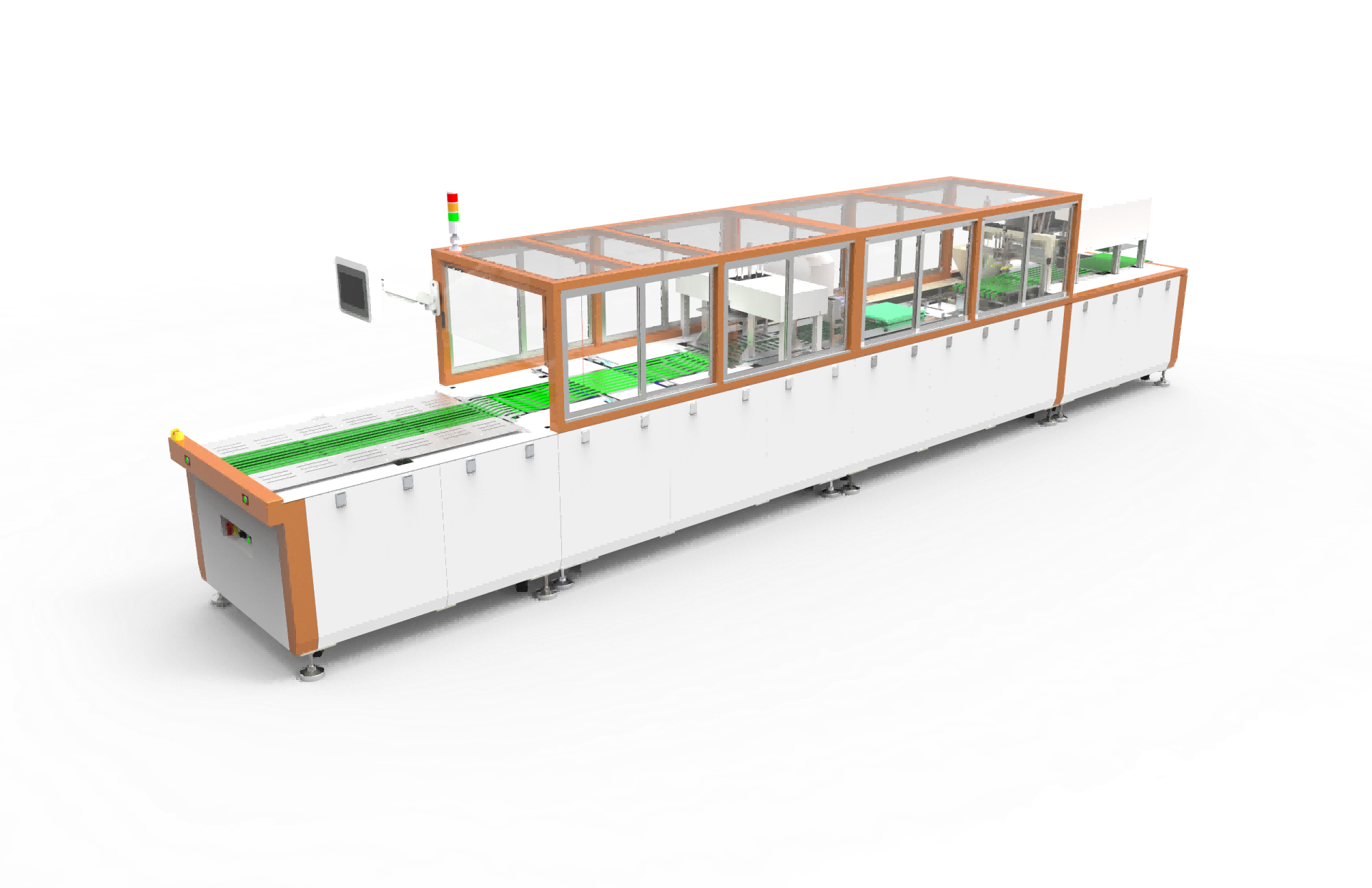
Key Automation Trends Shaping 2026 Apparel Manufacturing
Flexible and Modular Automation
Flexible automation platforms allow manufacturers to switch between styles and sizes without extensive retooling, an essential capability in a market dominated by fast fashion and rapid SKU changes.
Human-Robot Collaboration (Cobots)
Collaborative robots now work alongside operators in tasks like material handling, fabric positioning, and sewing assistance, combining human judgement with machine precision.
Data-Driven Smart Manufacturing
IoT sensors, AI-enhanced analytics, and machine learning applications are helping factories optimize production schedules and reduce waste. Smart systems crystallize data into actionable insights that substantially increase throughput and reduce costs.
Automation Supporting Sustainability
Automation also plays a role in sustainability by minimizing waste, enhancing energy efficiency, and reducing rework and scrap — essential elements for modern manufacturing optimization.
Choosing the Right Automation Path for Your Business
When planning an automation upgrade for a garment manufacturing facility, companies should take a holistic approach. Key factors to evaluate include production volume and style complexity, workforce capabilities and training requirements, capital investment and expected ROI, as well as the scalability and flexibility of the automation solution.
Selecting an experienced automation supplier is critical. A qualified partner can provide end-to-end support—from solution planning and customization to installation, commissioning, optimization, and ongoing service. As a professional provider of automated packaging solutions, UBL delivers high-performance garment folding machines along with tailored solutions and reliable after-sales support, helping manufacturers achieve measurable labor cost reductions and significant productivity gains while maximizing long-term investment value.

Embracing Automation for Competitiveness
By 2026, the most successful apparel manufacturers will be those that embrace automation strategically — balancing manpower with intelligent systems to reduce labor costs and boost production efficiency. Manufacturers that integrate automation thoughtfully are better positioned to respond to market shifts, control costs, and deliver consistent quality.
How is your factory preparing for automation?
Share your experiences in the comments below, or contact our team to explore tailored automation strategies that support your goals for cost reduction and improved productivity.
References & Verifiable Data Sources
-
Technavio – Automation in Textile Industry Market: Automation can reduce labor costs by up to 30% and boost productivity by about 25%.
-
Fibre2Fashion – How Automation Is Transforming Apparel Manufacturing: Automation reduces reliance on manual labor and improves operational efficiency.
-
ScienceDirect – Productivity Improvement Through Balanced Production Lines: Production line balance increases output and labor productivity.
-
MDPI – Industry 4.0 Applications in Clothing Sector: Systematic review on how Industry 4.0 technologies improve efficiency and cost outcomes.