The Critical Role of a Stable Cartoning Machine in Food Factory Expansion
If you are preparing for food factory expansion, one question matters more than most owners realize:
Is your stable cartoning machine for food factory expansion truly ready for higher output?
Growth feels exciting. Orders increase. Retail demand rises. Production lines run longer hours. Manual packaging reaches its limit. Expansion seems like the natural next step.
But here is the uncomfortable truth:
Food factory expansion does not create operational problems. It exposes them.
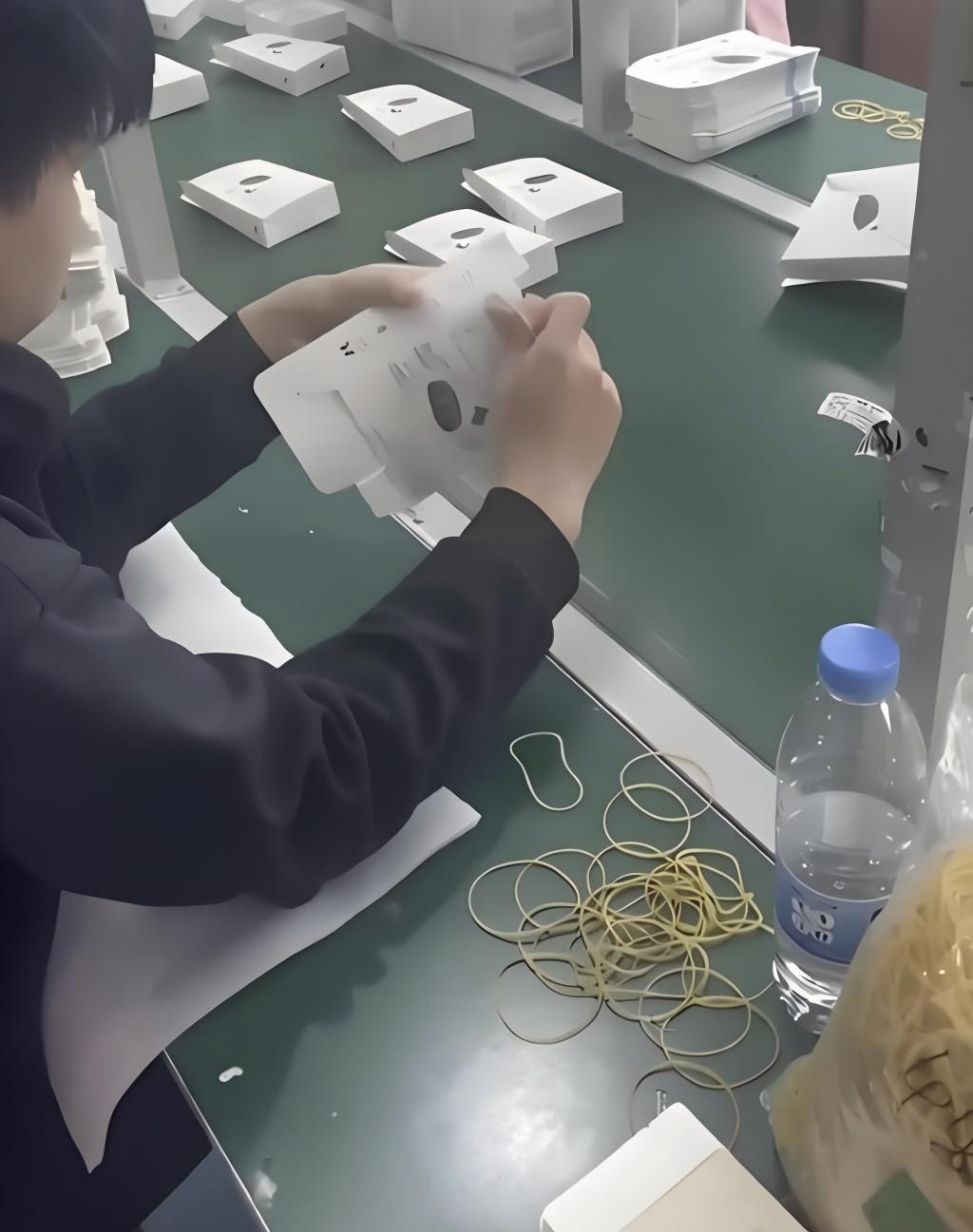
And in most small to mid-sized food plants, the weakest point under pressure is secondary packaging—especially the cartoning stage.
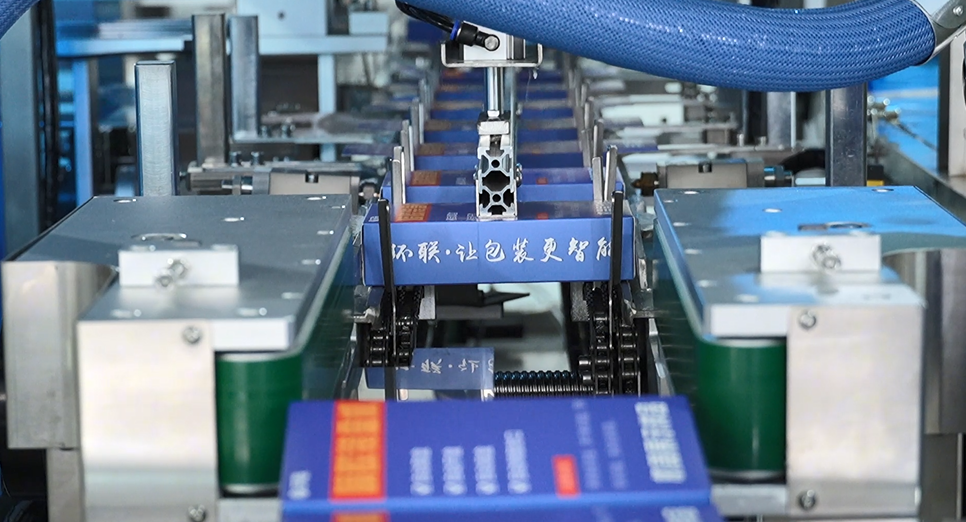
A stable cartoning machine for food factory expansion is not just a production upgrade. It is the difference between controlled growth and operational chaos.
Why Low Production Hides Cartoning Instability
At lower volumes, instability can stay invisible.
A carton misfeeds? Someone fixes it.
A short stop? The schedule absorbs it.
Minor alignment issues? Adjusted manually.
When output is moderate, these problems feel manageable.
But during food factory expansion, everything changes.
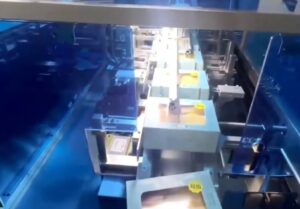
Higher production magnifies every weakness. What used to be a minor issue becomes a daily disruption. Carton jams increase. Operators intervene more often. Downtime becomes frequent instead of occasional.
Without a stable cartoning machine for food factory expansion, scaling simply multiplies instability.
Why Stability Matters More Than Speed During Food Factory Expansion
Many manufacturers focus on speed when choosing equipment. They ask:
“How many cartons per minute can it run?”
Speed looks impressive in a brochure.
But speed without stability creates stress.
If your machine runs fast but requires constant supervision, frequent resets, and manual corrections, then your food factory expansion becomes fragile.
A stable cartoning machine for food factory expansion must deliver predictable performance under sustained load—not just peak performance for short bursts.
Expansion requires consistency:
-
Consistent carton forming
-
Consistent insertion accuracy
-
Consistent long-hour operation
-
Consistent uptime
Predictability protects profit margins.
The Hidden Cost of an Unstable Cartoning Machine
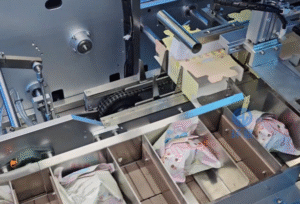
An unstable system rarely causes dramatic shutdowns. Instead, it creates constant friction:
-
Short unplanned stops
-
Carton feeding errors
-
Flap misfolding
-
Repeated mechanical adjustments
Individually, these interruptions seem minor.
Together, they destroy production confidence.
During food factory expansion, this instability forces factories to:
-
Add extra operators “just in case”
-
Increase supervision
-
Spend more time troubleshooting
-
Accept inconsistent daily output
Labor becomes a safety net rather than a strategy.
But labor does not create mechanical stability. It only masks instability.
Without a stable cartoning machine for food factory expansion, operational control slowly disappears.
How Instability Undermines Growth Planning
Expansion depends on reliable forecasting.
Production targets must be achievable.
Delivery commitments must be predictable.
Retail deadlines must be met.
When cartoning becomes unstable, planning turns into estimation.
Output fluctuates.
Schedules shift daily.
Confidence declines.
Food factory expansion should reduce stress through automation—not increase it.
This is why a stable cartoning machine for food factory expansion becomes a strategic investment rather than a simple equipment purchase.
What a Stable Cartoning Machine Should Deliver
When evaluating equipment for food factory expansion, ask these questions:
Can it run continuously without constant intervention?
Can it maintain carton quality under higher throughput?
Can it sustain multi-shift operation?
Does performance remain consistent as production scales?
A properly engineered stable cartoning machine for food factory expansion prioritizes:
-
Reliable carton handling
-
Smooth product insertion
-
Reduced vibration and alignment drift
-
High MTBF performance
-
Minimal daily adjustments
Stability first. Speed second.
When the foundation is stable, higher speed becomes sustainable.
How Stability Changes the Expansion Experience
When secondary packaging becomes predictable, expansion transforms.
Production schedules stabilize.
Labor allocation becomes efficient.
Owners step away from daily troubleshooting.
Confidence replaces uncertainty.
Food factory expansion becomes manageable instead of risky.
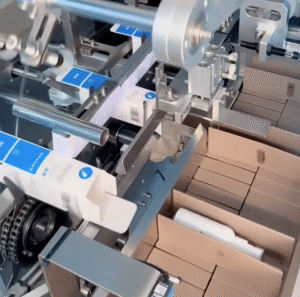
A stable cartoning machine for food factory expansion creates operational clarity. It ensures that increased demand does not translate into increased stress.
Growth should feel strategic—not fragile.
Before You Expand, Evaluate Stability
Before increasing output, consider:
Is your current cartoning system already showing minor instability?
Will higher volume amplify those weaknesses?
Will you need more operators to compensate for equipment issues?
Can your system sustain consistent daily output?
If these questions raise concern, the issue may not be expansion itself.
It may be cartoning stability.
For small and mid-sized food manufacturers, the transition from manual or semi-automatic systems to a stable cartoning machine for food factory expansion often determines whether scaling is smooth—or painfully expensive.
Expansion should build control, not erode it.
If you are planning food factory expansion and want to evaluate whether your cartoning process is truly stable, share your product type, current output, and target capacity.
Sustainable growth begins with stability.