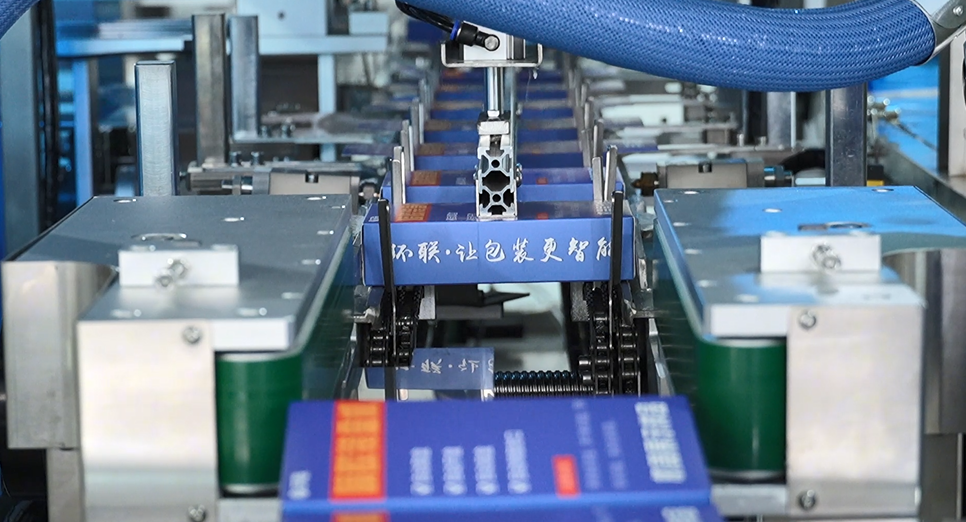
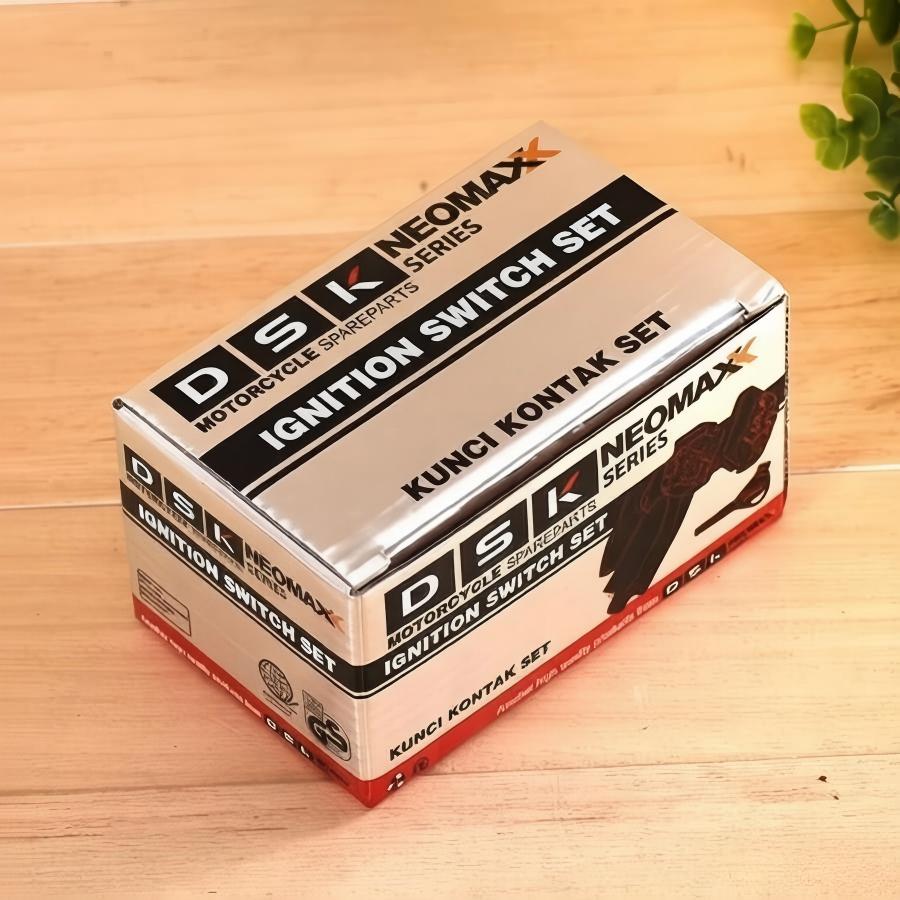
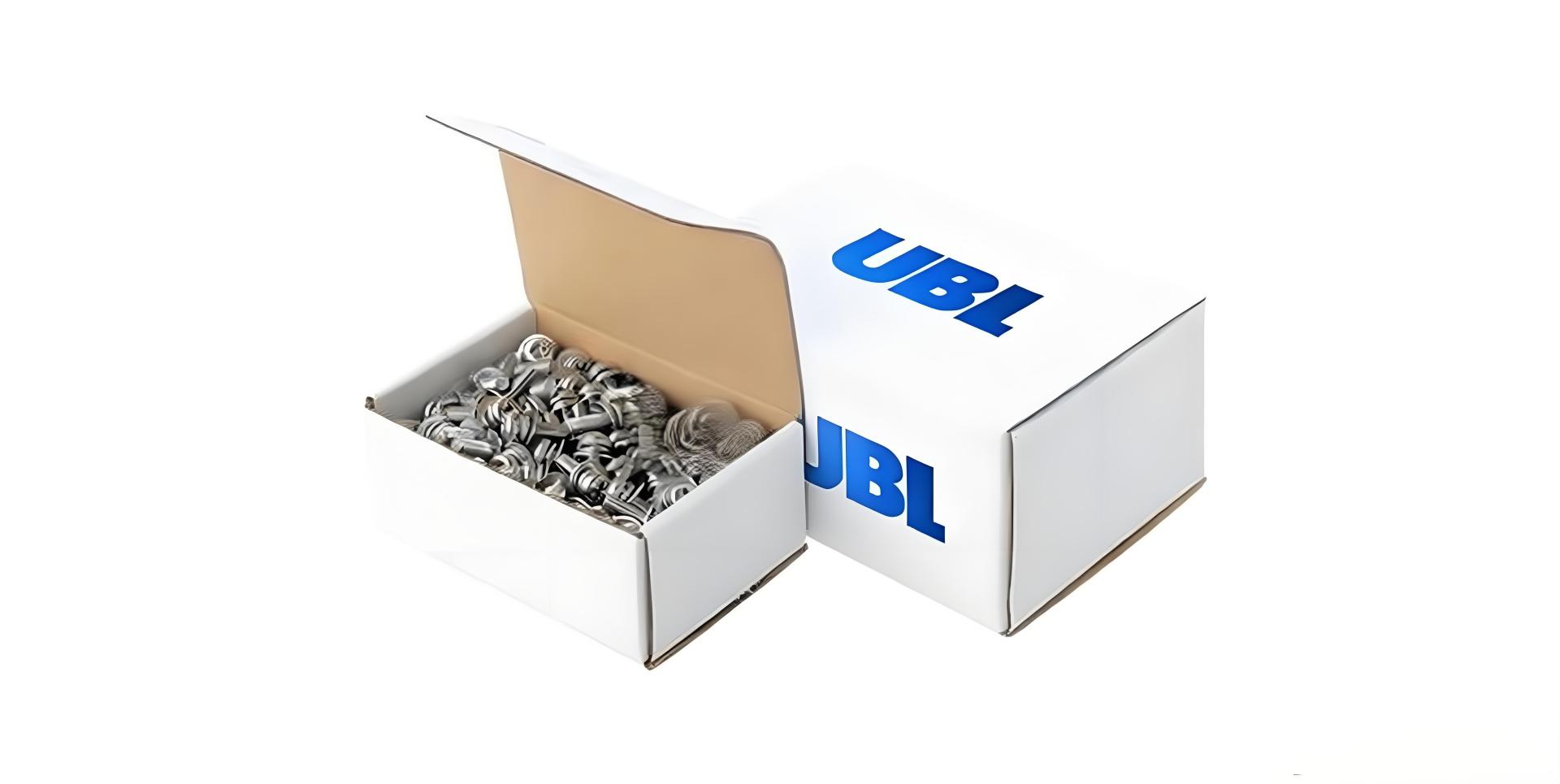
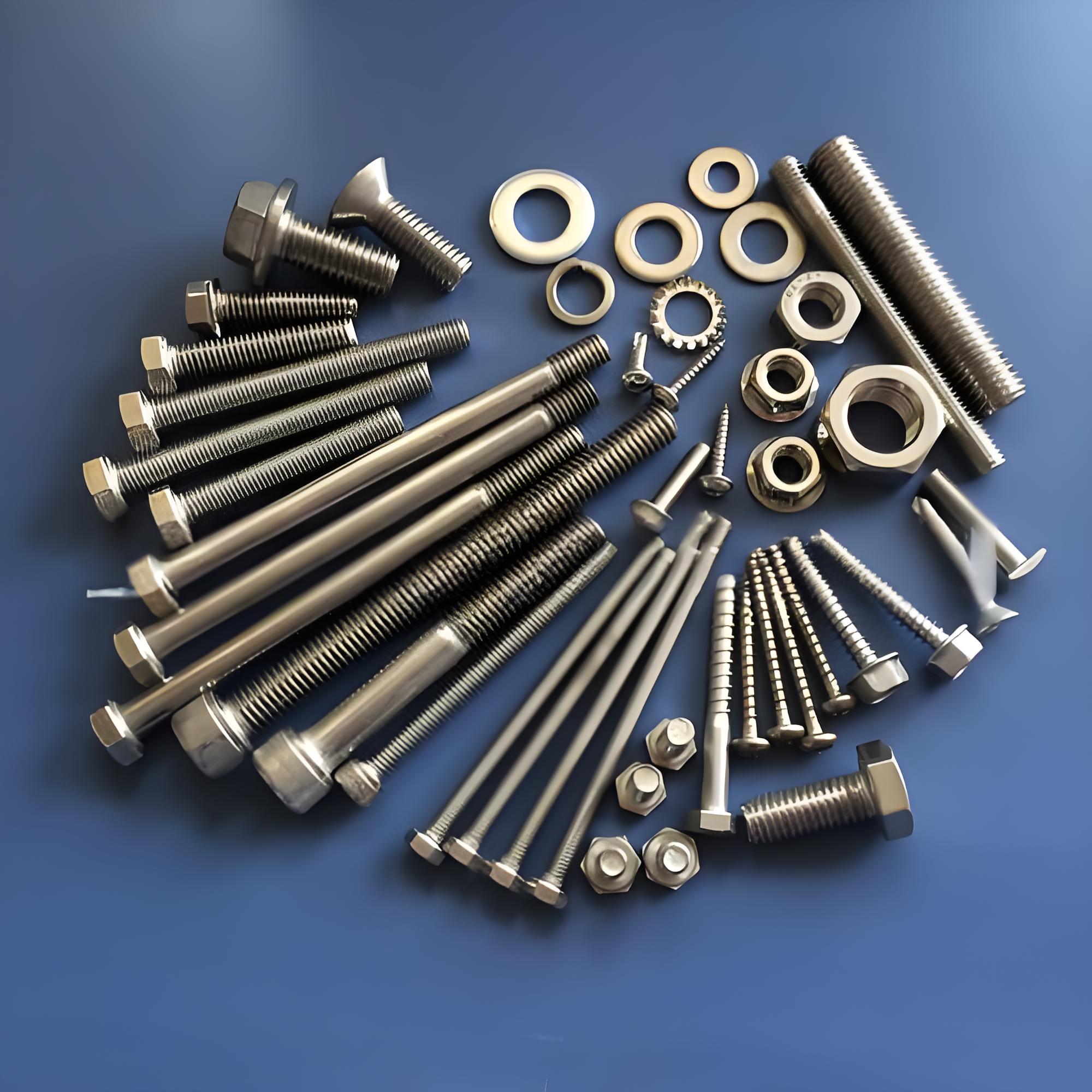
E-commerce has transformed how hardware products reach customers. Instead of shipping pallet quantities to distributors, manufacturers now send individual cartons directly to consumers and small businesses. This shift creates unique small hardware cartoning challenges: orders with 5–10 SKUs instead of 500, batch sizes of 50 cartons instead of 5,000, and packaging that must survive last-mile delivery without damage.
Traditional high-speed cartoning machines designed for bulk production struggle with e-commerce requirements. They waste time on long changeovers for short runs. They lack flexibility for multi-SKU orders. And they produce packaging optimized for pallet shipping, not parcel delivery. This article explores how modern small hardware cartoning solutions address these challenges—and why e-commerce hardware sellers are adopting them.
The E-Commerce Hardware Packaging Challenge
Hardware e-commerce operations face packaging demands that differ fundamentally from traditional B2B distribution:
Multi-SKU Complexity
A typical B2B order might contain 1,000 identical cartons of M8 bolts. A typical e-commerce order contains 20 cartons each of 10 different SKUs—M6 screws, M8 bolts, washers, anchors, and mixed kits. Each SKU requires a different carton size, label format, and packing configuration.
Manual handling of such variety is error-prone and slow. Operators constantly switch between carton sizes, adjust counting equipment, and reconfigure labeling. The result: mislabeled products, wrong quantities, and fulfillment delays that trigger negative reviews.
Short-Run Economics
E-commerce demand is unpredictable. A social media mention can generate 200 orders overnight for a SKU that normally sells 20 units weekly. Traditional cartoning lines require 30–45 minutes of changeover time—economically viable for 5,000-unit runs, but ruinous for 200-unit batches.
The e-commerce fulfillment packaging automation market is growing at 16.57% annually, reaching $1.62 billion by 2030, driven largely by the need to handle variable batch sizes profitably.
Parcel-Grade Protection
B2B cartons travel palletized from factory to warehouse to retail shelf. E-commerce cartons travel individually through sorting hubs, delivery vans, and porch drops. They face more handling points, more vibration, and more opportunities for damage. Packaging designed for pallet shipping often fails in parcel networks.

What Small Hardware Cartoning Solutions Offer
Modern small hardware cartoning systems address e-commerce challenges through several key capabilities:
Rapid Size Changeover
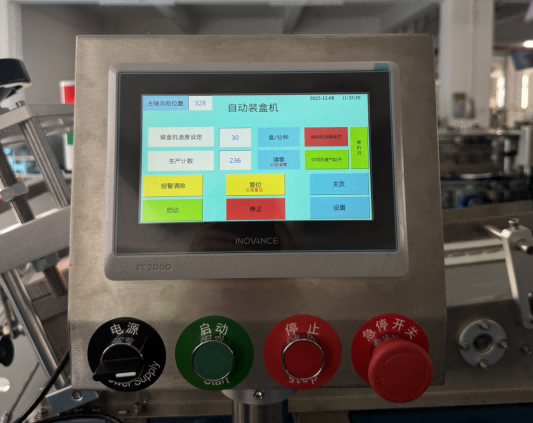
Recipe-driven control systems store folding parameters for each SKU. When switching from M6 screws (120 × 60 × 30 mm cartons) to M10 bolts (180 × 90 × 50 mm), operators select the new recipe on the touchscreen. Servo-driven format adjustment completes the changeover in 10–15 minutes—fast enough to make short runs economically viable.
For a fulfillment operation running 15–20 SKUs daily, this rapid changeover capability transforms economics. Instead of running large batches to amortize changeover time (and building excess inventory), manufacturers can produce to order in quantities that match actual demand.
Flexible Counting Integration
E-commerce orders require precise piece counts—consumers expect exactly 100 screws in the box, not 98 or 105. Small hardware cartoning systems integrate with photoelectric counters for small fasteners (achieving ±1 piece accuracy) and weighing systems for mixed hardware kits.
The integration uses digital handshaking: the counting equipment signals “product ready,” the cartoner completes its forming cycle, product drops into the carton, and the sealed carton discharges. This synchronization eliminates the double-handling and miscounts common in manual operations.
Right-Sized Packaging
E-commerce fulfillment penalizes excess packaging. Oversized cartons increase dimensional weight shipping costs. Excess void fill adds material cost and environmental impact. Consumers complain about “shipping air” in unboxing videos.
Small hardware cartoning systems produce cartons matched to product dimensions. For a hardware e-commerce operation shipping 50+ SKUs, this right-sizing can reduce shipping costs by 15–25% compared to using standard box sizes for everything.
E-Commerce Hardware Packaging Workflow
A typical small hardware cartoning workflow for e-commerce fulfillment looks like this:
Step 1: Order Aggregation
The WMS (warehouse management system) aggregates individual customer orders into production batches. Orders for the same SKU group together to minimize changeovers. A typical batch might contain 50 cartons of SKU A, 30 of SKU B, and 20 of SKU C—totaling 100 cartons across 3 changeovers.
Step 2: Recipe Selection
The operator selects the first SKU recipe on the cartoning machine HMI. The machine automatically adjusts carton magazine position, forming mandrel spacing, and conveyor width. The counting equipment loads the corresponding product and count target.
Step 3: Production
The cartoning machine forms cartons at 2,000–3,000 cartons/hour—fast enough for e-commerce volumes without being so fast that it overwhelms upstream counting. Each carton receives the programmed quantity, is sealed, and discharges to a labeling station.
Step 4: Inline Labeling
Shipping labels (with customer address, barcode, and handling instructions) apply inline as cartons exit the cartoner. For branded e-commerce packaging, product labels with logos and marketing messages apply before shipping labels.
Step 5: Changeover and Repeat
After completing the first SKU batch, the operator initiates changeover to the second SKU. Fifteen minutes later, production resumes. The entire 100-carton batch completes in 2–3 hours including changeovers—compared to a full shift for manual packaging.
ROI for E-Commerce Hardware Operations
The business case for small hardware cartoning in e-commerce differs from bulk manufacturing. Labor savings matter, but flexibility and quality matter more:
Labor Reduction
Manual e-commerce fulfillment typically requires 2–3 operators: one feeding product, one forming and filling cartons, one labeling and packing. A small cartoning system reduces this to 1 operator who supervises the line and handles material supply.
For a single-shift operation shipping 500 cartons daily, this eliminates 1–2 FTE positions—roughly $40,000–$80,000 annual savings.
Error Reduction
Manual fulfillment error rates (wrong product, wrong quantity, wrong label) typically run 2–3% in hardware e-commerce. Each error requires customer service time, reshipment cost, and potentially negative reviews. Automated cartoning reduces error rates to under 0.5%, eliminating most of these costs.
Throughput Flexibility
The ability to handle demand spikes without adding temporary labor is valuable in e-commerce. When a viral product mention generates 10× normal order volume, automated lines scale by running longer hours—not by hiring and training temporary staff who make more errors.
Packaging Quality
Consistent machine-formed cartons survive parcel shipping better than hand-formed equivalents. Reduced damage rates mean fewer replacements, happier customers, and better reviews.
Choosing Equipment for Small Hardware Cartoning
Not all cartoning machines suit e-commerce operations. Key selection criteria include:
Changeover Speed
For multi-SKU operations, changeover time dominates economics. Machines requiring 30+ minutes of mechanical adjustment are unsuitable for short runs. Look for servo-driven format adjustment and recipe storage for at least 50 SKU configurations.
Speed Range
E-commerce volumes rarely justify 4,000+ cartons/hour machines. Systems operating at 1,500–3,000 cartons/hour match typical hardware e-commerce demand without excessive capital cost.
Counting Integration
Ensure the cartoner supports standard digital interfaces (24V I/O, Modbus, Ethernet/IP) for integration with your counting or weighing equipment. Proprietary interfaces limit equipment choices and increase integration cost.
Footprint
E-commerce fulfillment often operates from smaller facilities than bulk manufacturing. Compact cartoning systems with integrated controls fit better in these spaces.
Implementation Considerations
Transitioning to automated small hardware cartoning requires planning:
SKU Rationalization
Before automation, review your SKU list. E-commerce operations often accumulate redundant sizes and formats. Consolidating similar SKUs reduces changeover frequency and simplifies inventory management.
Carton Standardization
Where possible, standardize on a limited range of carton sizes. If your 50 SKUs can use 8 carton formats instead of 25, changeover time and material inventory both decrease.
Integration with Fulfillment Systems
The cartoning line must communicate with your WMS and shipping systems. Plan integration early—it’s often more complex than the mechanical installation.
Operator Training
E-commerce cartoning requires different skills than bulk packaging. Operators need to manage recipe selection, troubleshoot counting integration, and handle frequent changeovers. Invest in training during implementation.

Getting Started with Small Hardware Cartoning
E-commerce hardware sellers considering small hardware cartoning should start with a clear assessment:
- Volume analysis: What are your daily carton volumes, SKU count, and batch sizes?
- Error tracking: What are your current error rates and associated costs?
- Growth projection: How will e-commerce volumes change over the next 3 years?
- Integration requirements: What systems must the cartoner connect to?
UBL’s engineering team provides assessments specifically for e-commerce hardware operations. We evaluate your SKU mix, order patterns, and facility constraints to recommend appropriately sized equipment—avoiding both under-capacity bottlenecks and over-capacity waste.
Contact UBL Packaging to discuss your small hardware cartoning requirements and explore automation solutions designed for e-commerce fulfillment.