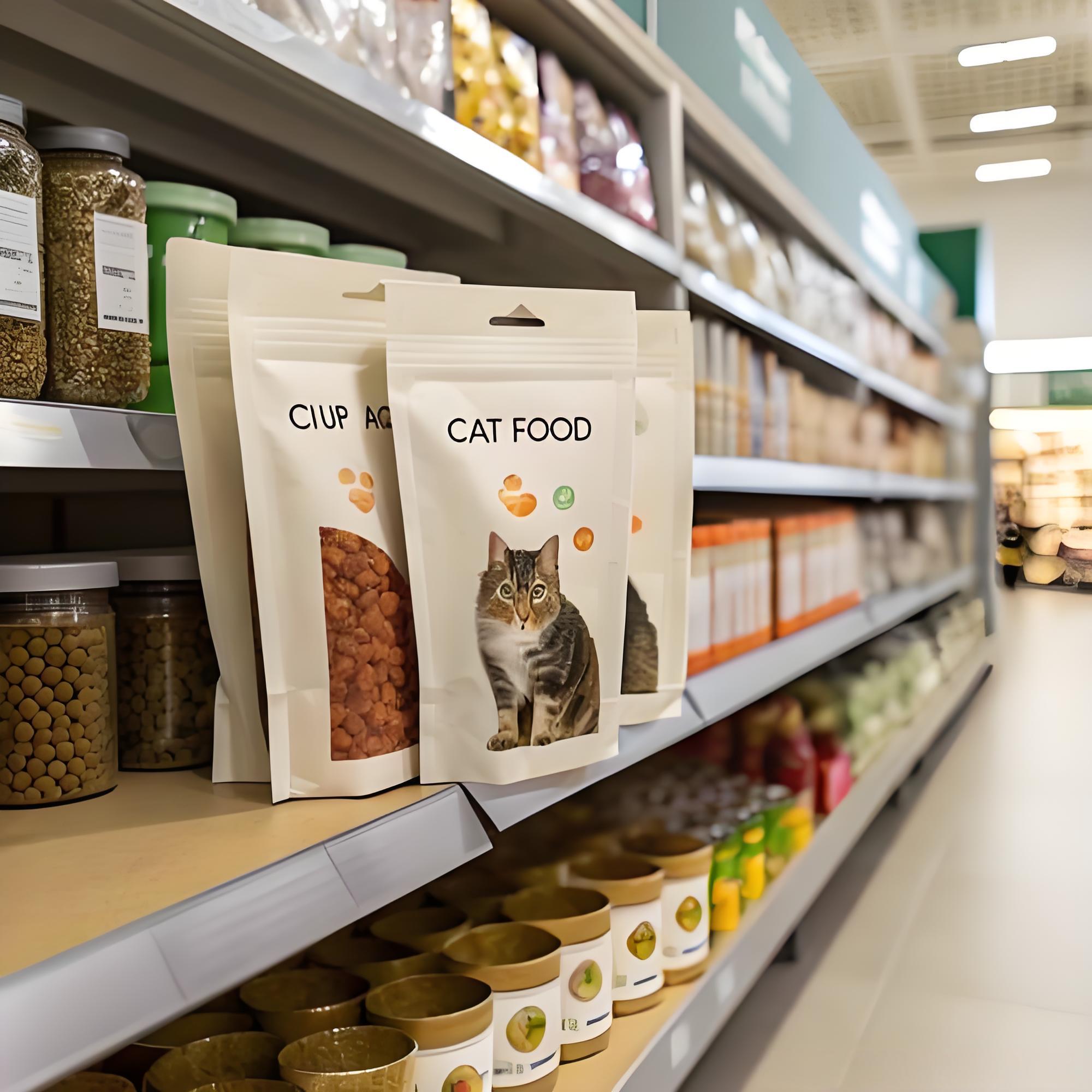
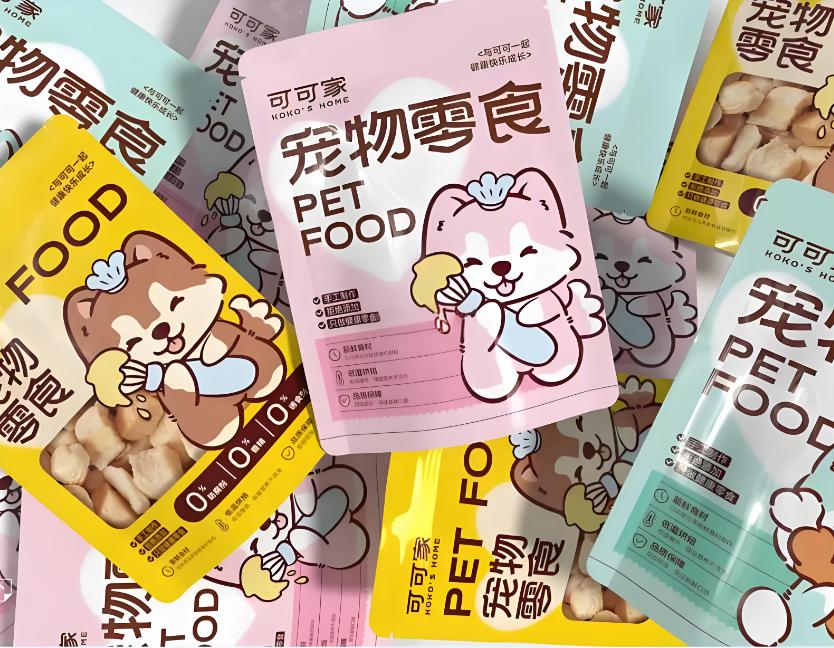
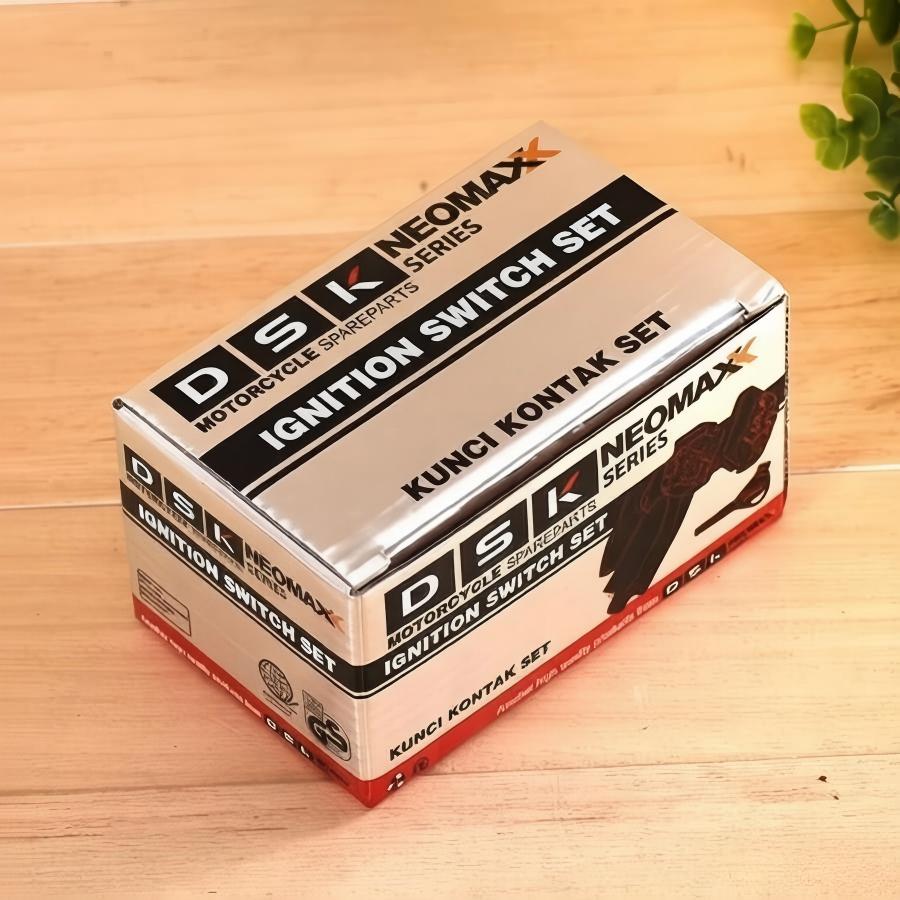
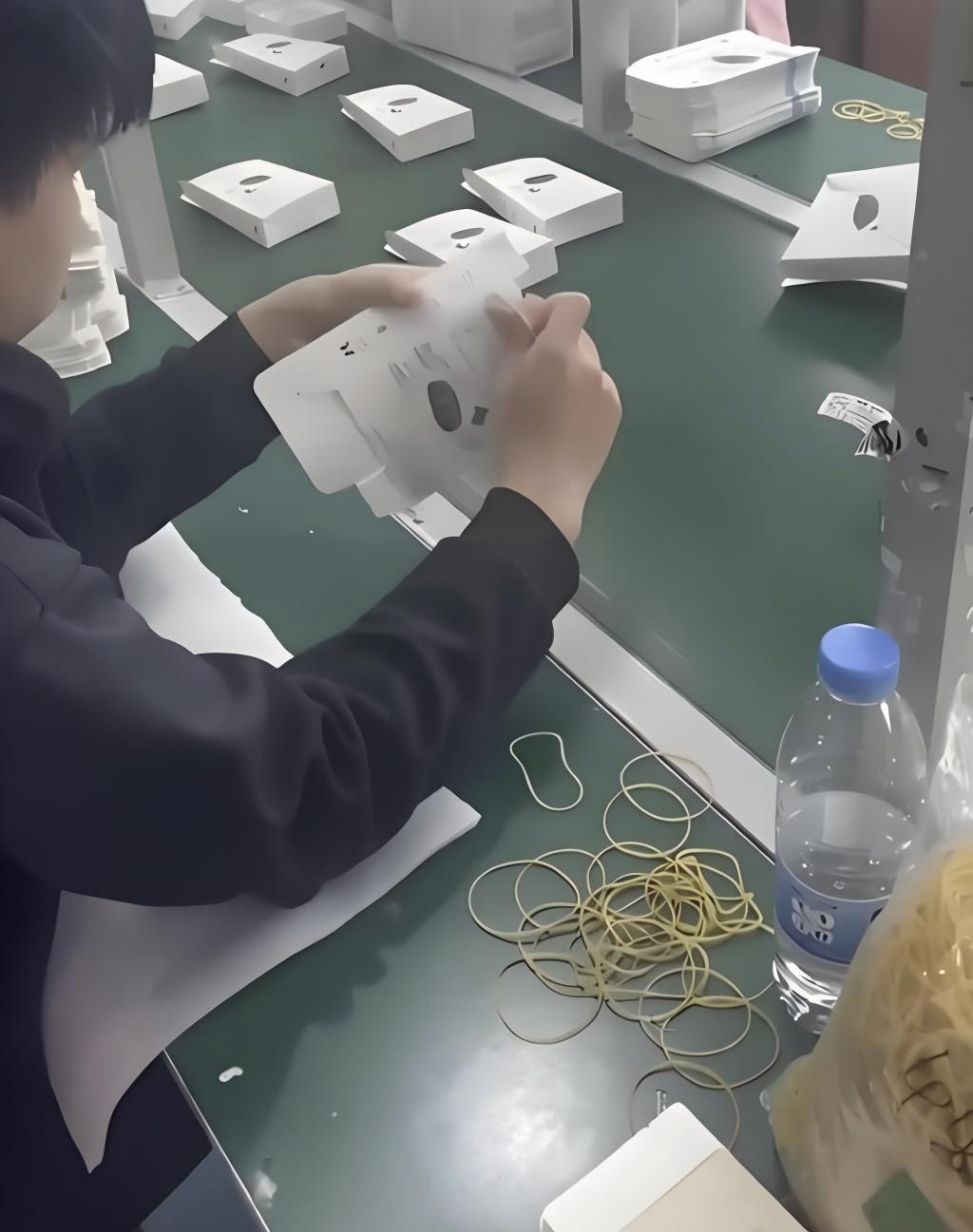
Not every pet product manufacturer is running 50,000 cartons a day. Many of the most innovative brands in the pet space—craft treat makers, specialty nutrition companies, boutique toy brands—operate at lower volumes with high SKU diversity. For these operations, small batch pet packaging automation presents a different set of challenges than high-volume lines.
This guide covers what to look for in a cartoning machine when your runs are short, your SKU count is high, and your budget doesn’t stretch to enterprise-level equipment.
What “Small Batch” Means in Pet Product Packaging
In packaging equipment terms, small batch typically describes production runs of 500–5,000 cartons per SKU, with frequent changeovers between different products, sizes, or seasonal variants.
Who This Applies To
Small batch pet packaging is relevant for:
- Craft and artisan pet treat brands producing multiple flavors in limited quantities
- Private label manufacturers running different retailer SKUs on the same line
- New brand launches testing market response before committing to large runs
- Seasonal and limited-edition products that run once or twice a year
- Contract packagers serving multiple small pet brands on a shared line
- Specialty nutrition brands with prescription or condition-specific SKUs in low volumes
The Small Batch Packaging Problem
Manual packaging is actually quite flexible for small batches—you can switch between products with minimal setup time. The problem is cost: manual labor at low volumes produces a high cost per carton that erodes margins on specialty products.
Traditional high-speed automation solves the cost problem but creates a new one: long changeover times make short runs economically unviable. A machine that takes 90 minutes to change over isn’t suitable for a 500-carton run.
The sweet spot for small batch pet packaging is equipment designed specifically for fast changeover at moderate speeds.
Key Specifications for Small Batch Pet Packaging Equipment
Changeover Time: The Most Important Metric
For small batch operations, changeover time matters more than maximum speed. If you run 10 different SKUs per week with average runs of 800 cartons, and each changeover takes 60 minutes, you’re losing 10 hours per week—potentially 25% of available production time—to changeovers alone.
Look for machines offering:
- Tool-free size adjustment: Hand wheels, levers, and quick-release clamps instead of bolts and spanners
- Servo-driven axis control: Digital positioning allows operators to dial in carton dimensions from a stored recipe rather than manually adjusting each axis
- Recipe memory: Store settings for each SKU so changeover means selecting a product code, not re-measuring every guide
- Target changeover time: Under 15 minutes for standard size changes
Speed Range: Match Your Volume
Small batch lines don’t need 4,000 cartons/hour. Buying more speed than you need means paying for capacity you’ll never use. For most small batch pet packaging operations, a machine running 600–1,500 cartons/hour is the right range:
- Fast enough to complete an 800-carton run in under an hour
- Slow enough to allow operator intervention when needed
- Appropriately priced for the output level
Carton Size Range
Pet products come in an enormous range of carton sizes—from small single-serve treat pouches to large toy gift boxes. A versatile small batch cartoner should handle:
- Minimum carton: approximately 60 × 30 × 15mm
- Maximum carton: approximately 300 × 200 × 100mm
- No tooling change required within this range (adjustment only)
Confirm the machine handles your specific carton range before purchasing—some budget machines have narrow size windows that require expensive tooling changes for larger format cartons.
Loading Method Flexibility
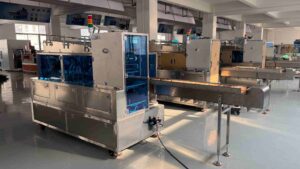
Small batch pet products often include items that don’t feed well through automated systems: irregularly shaped toys, delicate freeze-dried treats, multi-component gift sets. For these products, semi-automatic operation—where the machine handles carton forming and sealing while operators load product manually—is often the right balance.
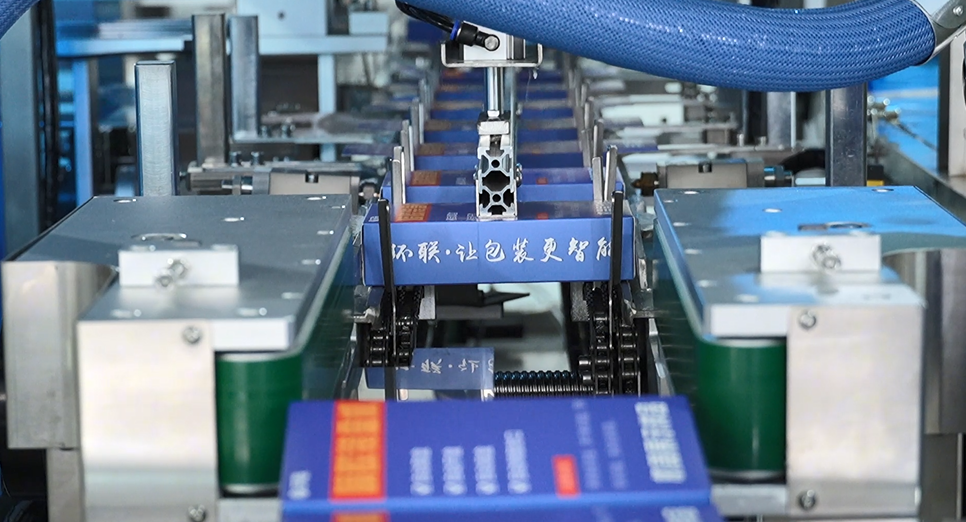
Click to watch the pet box folding machine demo video.
Look for machines that support both automatic and manual loading modes, allowing you to automate the products that suit it and use manual loading for those that don’t.
Semi-Automatic vs. Fully Automatic for Small Batch
This is the central decision for small batch pet packaging operations:
| Factor | Semi-Automatic | Fully Automatic |
|---|---|---|
| Equipment cost | Lower ($30,000–$80,000) | Higher ($80,000–$200,000+) |
| Changeover time | 5–15 minutes | 10–25 minutes |
| Product flexibility | High (manual loading) | Medium (requires feedable product) |
| Labor required | 1–2 operators | 1 operator |
| Output speed | 400–800 cartons/hour | 1,000–4,000 cartons/hour |
| Best for | High SKU variety, delicate products | Uniform products, higher volume |
For most small batch pet packaging operations with under 3,000 cartons/day and high SKU diversity, semi-automatic cartoning offers the better value. The lower upfront cost, greater product flexibility, and faster changeover outweigh the speed advantage of full automation at these volumes.
The Carton Erector Option for Small Batch Operations
For pet product manufacturers whose primary pain point is carton forming—not loading or sealing—a standalone carton erector may be the most efficient entry point into packaging automation.
How It Works in Practice
A pet toy company running short batches of multiple SKUs typically has workers spending 30–40% of their packaging time forming carton boxes by hand. A single lock-bottom carton erector eliminates this entirely—the machine forms boxes continuously while operators focus on loading product.
One pet toy manufacturer implemented this model with a single carton erector serving their entire packaging floor. Workers who previously formed boxes were redeployed to loading, increasing the company’s total packaging output by over 30% without adding headcount. The machine paid for itself in under 14 months.
This approach works particularly well for small batch operations because:
- Lower equipment cost compared to full cartoning lines
- Minimal changeover time between carton sizes
- Operators retain flexibility for manual loading of varied products
- No disruption to existing downstream processes
Budgeting for Small Batch Pet Packaging Automation
Equipment Cost Ranges
Realistic budget expectations for small batch pet packaging equipment:
- Carton erector only: $25,000–$60,000
- Semi-automatic cartoner (erect + seal, manual load): $35,000–$80,000
- Entry-level fully automatic cartoner: $80,000–$130,000
- Mid-range fully automatic cartoner with recipe control: $130,000–$200,000
Hidden Costs to Budget For
Beyond the machine price, budget for:
- Installation and commissioning: $5,000–$15,000
- Operator training: Typically included, but budget time for your team
- Spare parts inventory: 2–5% of machine cost per year
- Carton blank re-specification: Some machines require minor carton design adjustments for reliable feeding
Financing Options
Equipment leasing is commonly used for small batch operations where upfront capital is limited. Monthly payments of $1,500–$3,500 for a semi-automatic system are often offset by labor savings within the first few months of operation, making leasing cash-flow positive from early in the lease term.
Questions to Ask Before Buying
When evaluating cartoning equipment for small batch pet packaging, ask suppliers:
- What is the actual changeover time between my specific carton sizes? (Ask for a demonstration, not just a spec sheet figure)
- Can the machine run both tuck-end and glue-seal cartons, or only one type?
- What happens if a carton jams? How quickly can an operator clear it?
- Is the control system intuitive enough for operators without technical backgrounds?
- What’s the lead time for spare parts, and are common wear parts stocked locally?
- Can I see the machine running my actual carton style before committing?
Building Your Small Batch Pet Packaging Line
The right approach for small batch pet packaging is rarely a single piece of equipment—it’s a line configured to your specific products and volumes. UBL works with growing pet brands to design systems that automate the high-value steps while maintaining the flexibility that small batch operations require.
Whether you’re starting with a standalone carton erector or building a complete semi-automatic line, our team can specify equipment that matches your current volumes and upgrades as you grow. Explore our full range of pet product packaging solutions or get in touch directly to discuss your specific requirements.
Contact UBL Packaging for a no-obligation assessment of your small batch pet packaging needs: