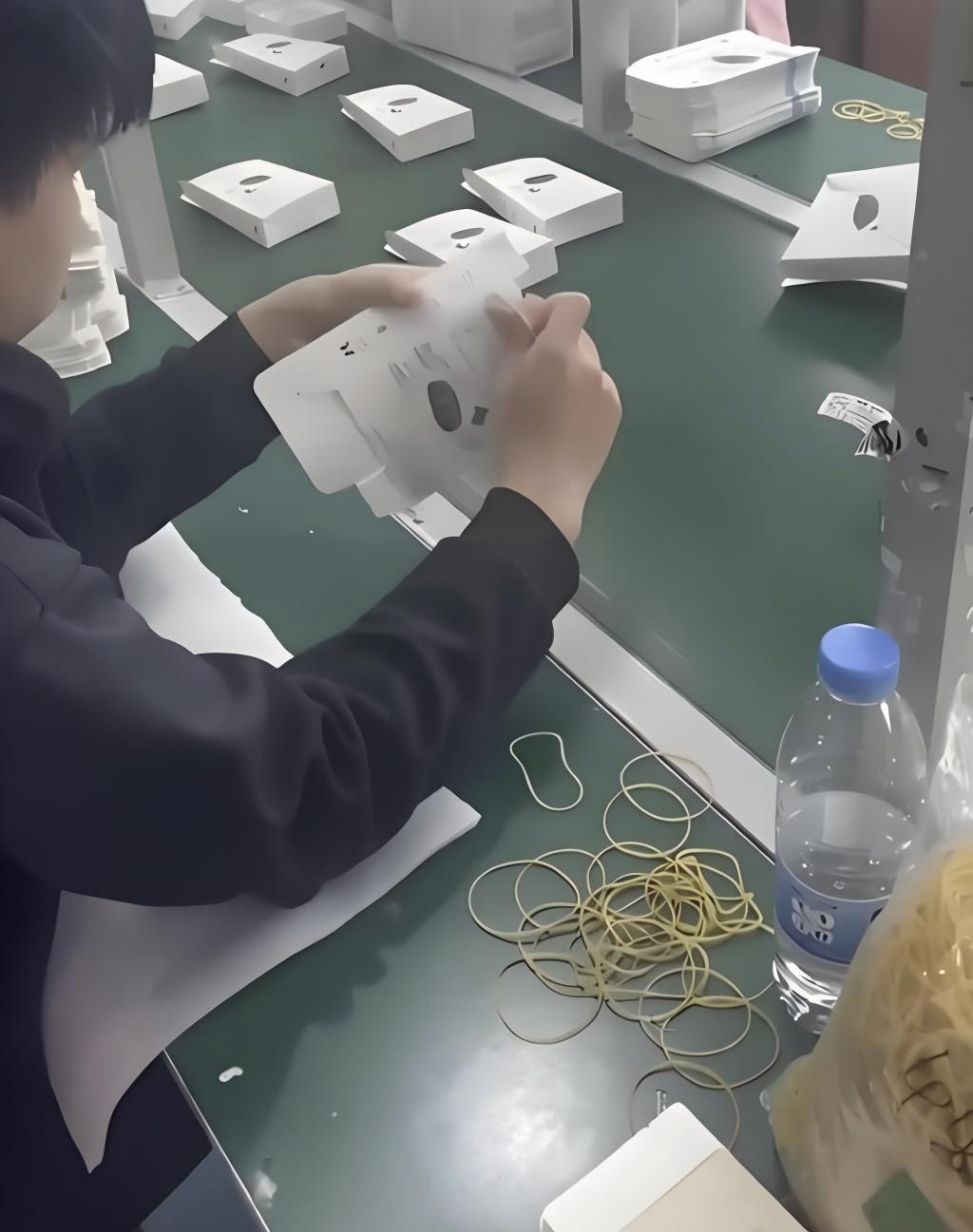
Most Packaging Lines Are Closer to a “Factory Fail” Than Managers Realize
A packaging line fail rarely starts with a big breakdown.
Most of the time, it begins quietly — crooked cartons, small jams, operators stopping the line more often than they should. These small issues add up fast, and before anyone realizes it, the entire packaging process is under pressure.
You’ve probably seen the TikTok videos:
a packaging line jammed solid, cartons collapsing, workers scrambling to fix it on the fly.
It’s funny online, but in a real factory? That’s lost time, wasted materials, angry customers, and shrinking profits.
And here’s the harsh reality: most packaging lines aren’t as perfect as you think — they’re just hiding problems. Many factories are way closer to a “factory fail” than a “factory perfect” line — and those small daily errors add up fast.
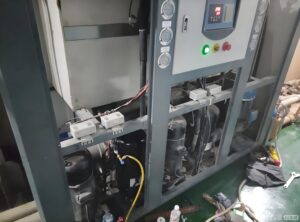
What “Factory Fail” Really Looks Like
It’s not just one big disaster. It’s the tiny mistakes that never get fixed:
-
Slightly crooked folds
-
Boxes that don’t feed straight
-
Cartoning machines misaligned when SKUs change
-
Soft seals that leak air
-
Operators constantly stopping the line
These things might not be terrible once, but day after day they steal from your output and your reputation.
A packaging engineer at DC Velocity sums it up this way: when your production line starts spending more time fixing jams than making product, that’s not production — it’s damage control.
Why Packaging Is Where Most Lines Break Down
Your upstream machines — mixers, fillers, and conveyors — can run smoothly for hours.
But the packaging line?
It’s the most visible and the most variable part of your operation.
A shift in material thickness.
A new SKU.
A tired operator.
A slight vibration change.
All of these can make your packaging machine behave unpredictably. And once inconsistency creeps in, it ruins day’s worth of boxes — and customer confidence.
That’s why modern manufacturers are no longer satisfied with “good enough” packaging. They want stability, speed, and predictable quality.
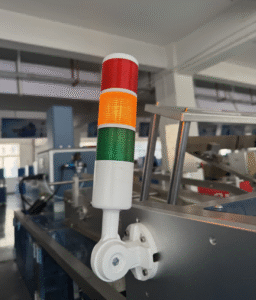
The Only Real Solution: Packaging Automation Done Right
You can’t train your way out of packaging mistakes.
And you definitely can’t paper over inefficiencies with overtime or manual rework.
Automation isn’t just about speed. It’s about consistency, reliability, and repeatability.
UBL’s automated systems do exactly that:
-
Consistent folds from start to finish
-
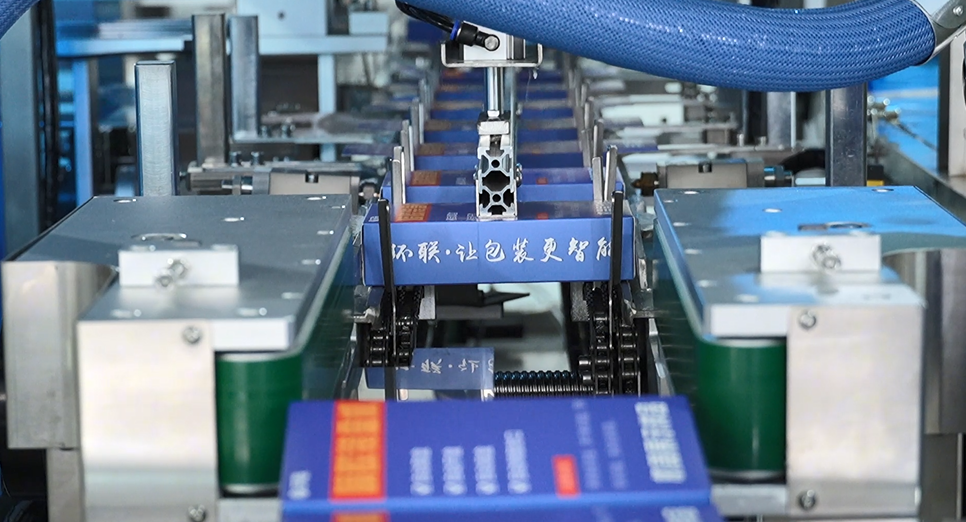
Cartoning machines that handle SKU changes
-
Bagging lines that seal every pouch the same way
Because machines don’t get tired. They don’t drift out of alignment. They don’t forget the setup from Monday. They run the same way every cycle.
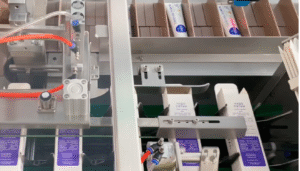
Packaging Quality Is a Branding Tool — Not Just a Process
Today, buyers expect “perfect” packaging:
-
E-commerce unboxings are shared everywhere
-
Retail buyers judge quality by visual consistency
-
Amazon FBA rejects poorly packaged items
When packaging looks sloppy — even in a short video — customers and retailers notice. And once that perception takes hold, it can be very hard to fix.(packaging errors and consumer expectations)
Another Smart Step: Training + Integration, Not Just Machines
Automation gives you the tool — but integration and training make it work.
Industry experts consistently say that one of the biggest mistakes brands make is treating packaging machines as “plug and play.” You need:
-
A clear integration plan so the packaging line works with your existing process
-
Training so operators know how to handle changes and troubleshoot
-
Metrics to track consistency and performance
That’s how you turn automation into actual uptime and stable output — not just flashy labels.
The Question You Need to Ask Today
If someone filmed your packaging line right now…
would it look “factory perfect,”
or more like a “factory fail”?
If the answer doesn’t excite you — it’s time to rethink your approach.
Let’s talk about where your packaging line is breaking down — and how UBL’s automation solutions can help you fix it once and for all.