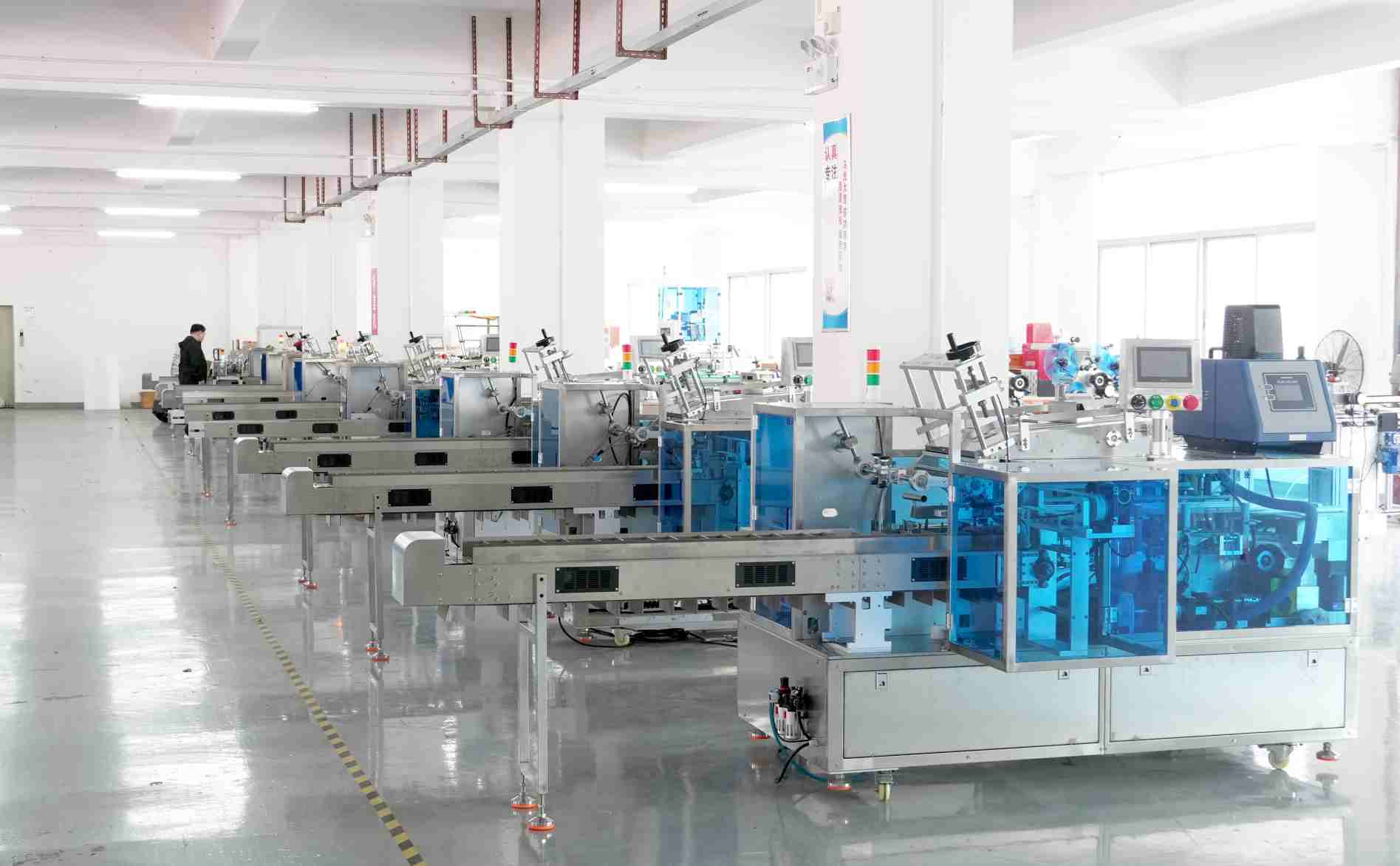
What is a Modular Machine Structure?
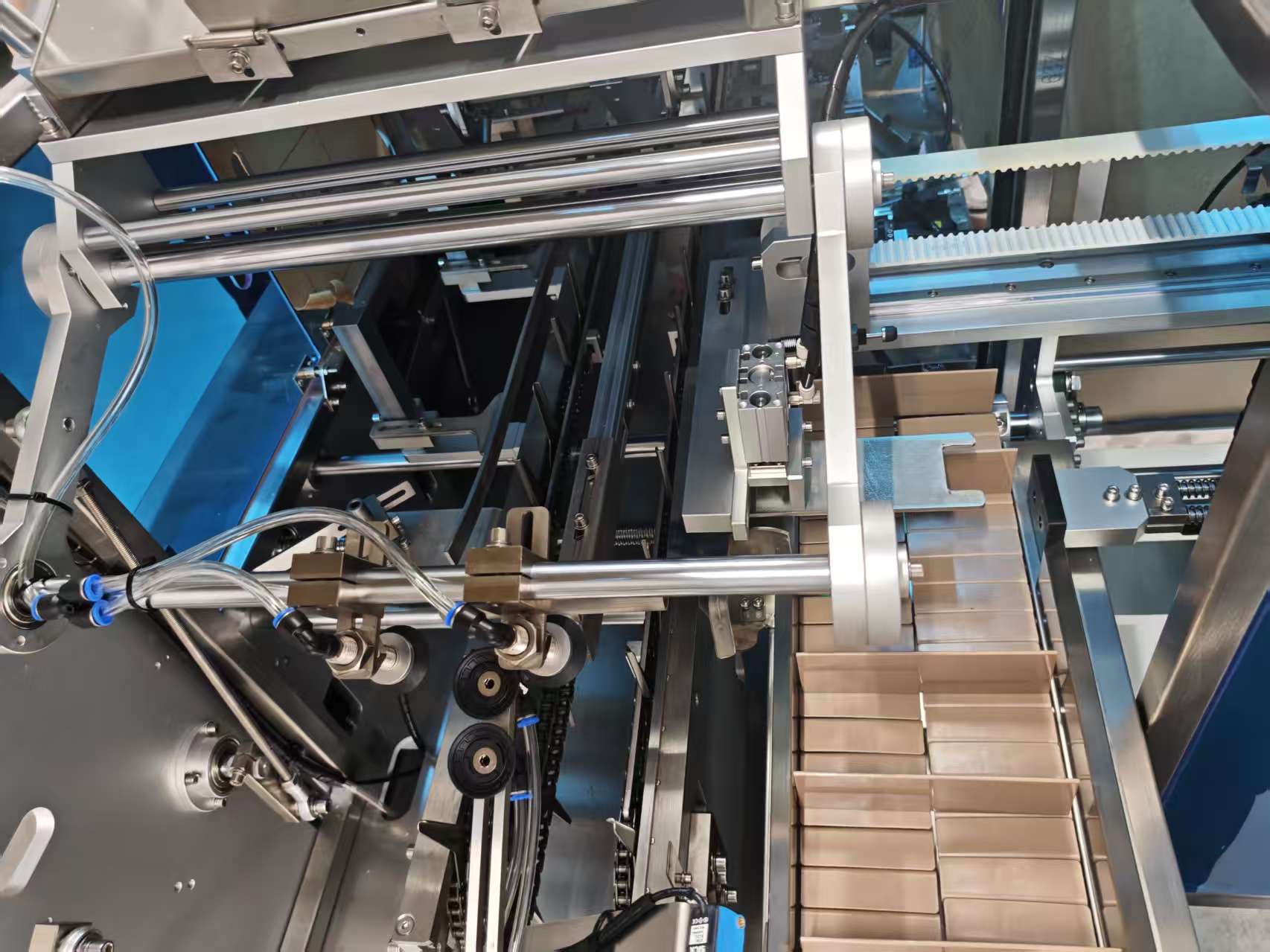
A modular machine structure divides a system into independent, functional units—or modules—each of which can be designed, manufactured, tested, and replaced independently. These modules are connected through standardized interfaces to form a complete system.
- Separation & Independence: Modules operate largely independently, so one module’s downtime doesn’t cripple the entire system.
- Standardized Interfaces: Interchangeable modules allow for upgrades, swaps, or reconfigurations with minimal downtime.
- Functional Clarity: Each module has a defined role, whether it’s feeding, sealing, folding, or labeling.
- Scalable & Reconfigurable: New modules can be added to meet changing production needs without redesigning the whole line.
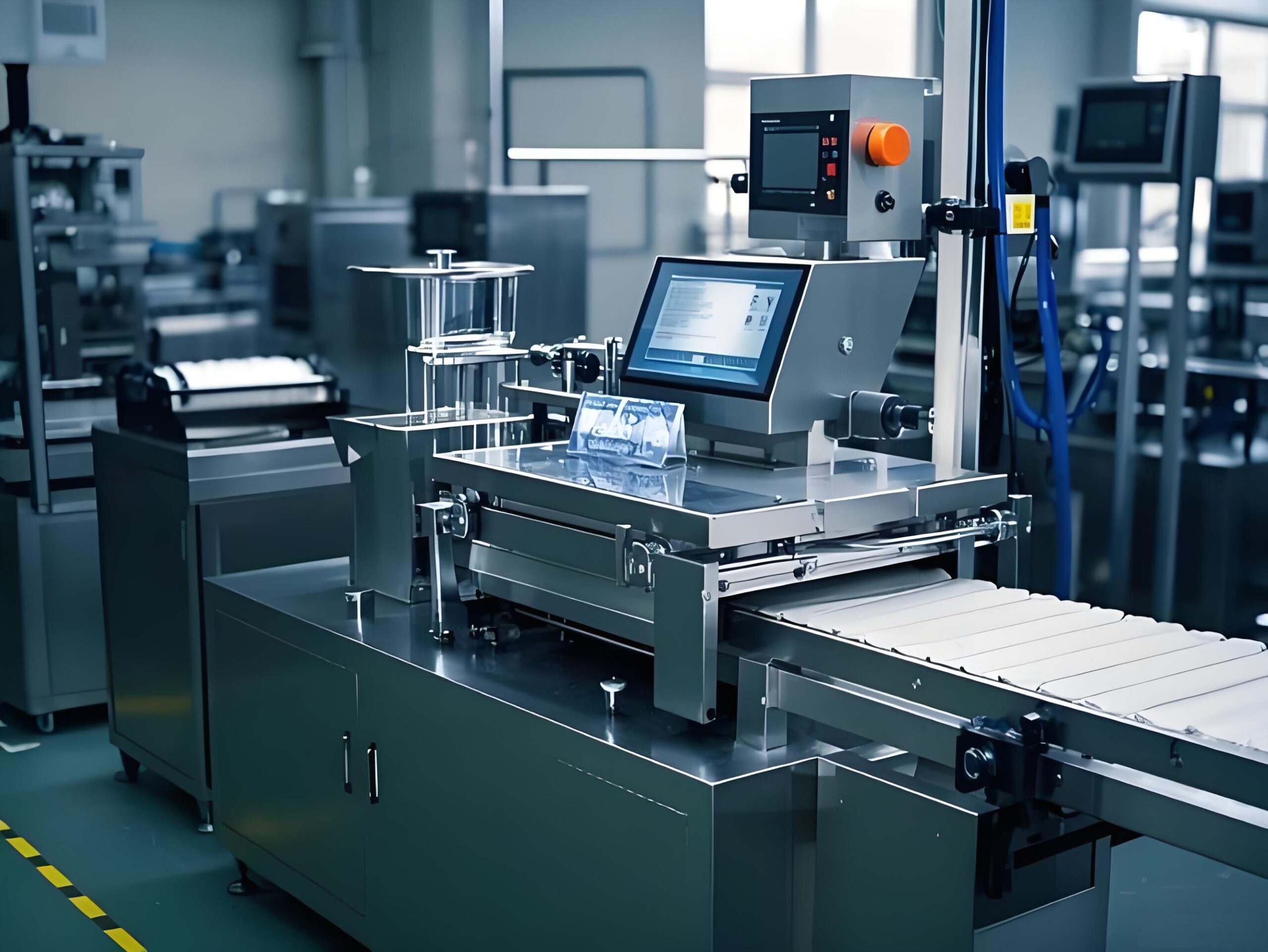
What is a Fixed Machine Structure?
A fixed machine structure is an integrated, monolithic system where all functional components are tightly coupled. Once designed, the architecture is largely immutable, and most changes require significant re-engineering.
- High Structural Rigidity: A single-frame design delivers exceptional stability and precision.
- Single-Stage Design: All components are designed as a whole, optimized for a specific workflow.
- Low Adaptability: Changing product sizes or workflows usually requires major modifications.
Modular vs Fixed: A Detailed Comparison
1. Flexibility & Scalability
Modular Advantage:
Quickly add or swap modules to meet new product specifications. Supports multiple operation modes and adapts to growing SKU counts or fluctuating e-commerce orders.
Fixed Structure Limitation:
High change costs; retrofitting is complex and expensive. Not suitable for frequently reconfigured lines.
2. Maintenance, Spare Parts & Availability
Modular Advantage:
Standardized modules simplify spare part inventory. Faulty modules can be isolated and replaced without full-line shutdown, improving OEE.
Fixed Structure Limitation:
Custom components lead to long lead times. A single failure can halt entire production.
3. Cost, Development Cycle & Efficiency
Modular Advantage:
Parallel module development shortens design cycles. Standardized parts lower production cost, and modules reuse across lines.
Fixed Structure Limitation:
Longer development cycles, bespoke components, and higher CAPEX.
4. Reliability & Stability
Fixed Structure Advantage:
Superior for heavy-load, high-precision applications with minimal alignment errors.
Modular Limitation:
More interfaces demand precise assembly.
5. Customization & Personalization
Easily configurable to client workflows. One platform runs multiple products via module swaps.
Fixed Structure Limitation:
New products often require full redesign, raising costs and downtime.
6. Real-World Applications
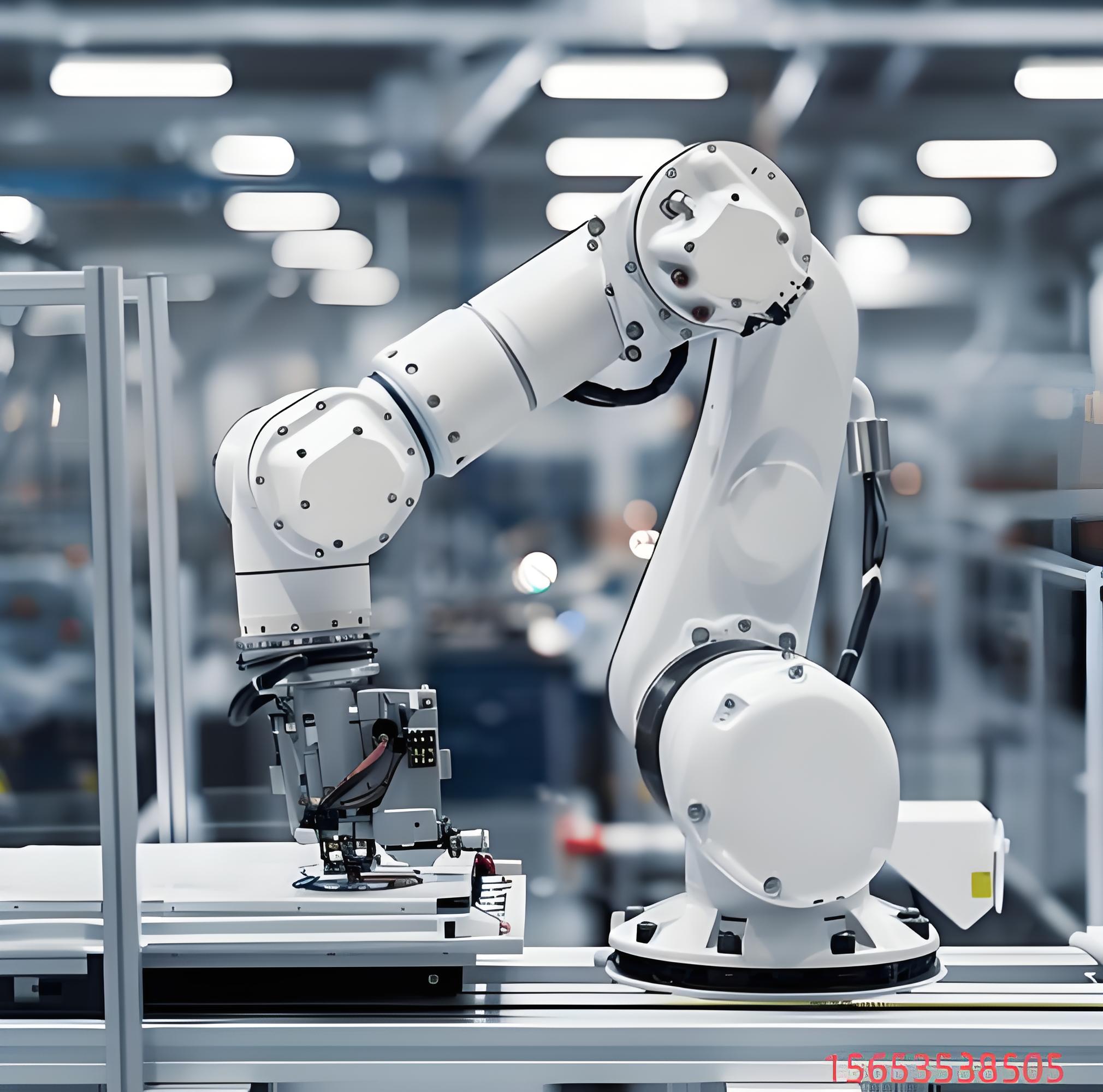
- Modular: Flexible carton lines, automated pouch loaders, pick-and-place robots, multi-SKU packaging systems.
- Fixed: High-speed carton formers, heavy-duty presses, continuous high-precision filling lines.
7. Challenges of Modular Structures
- Design Complexity
- Interface Standardization
- Multi-Module Coordination
8. Strategic Insight
| Factor | Modular Machine Structure | Fixed Machine Structure |
|---|---|---|
| Market Dynamics | Highly adaptable to fast-changing markets | Less adaptable; changes need major redesign |
| SKU Variety | Handles multiple SKUs with quick changeovers | Limited flexibility |
| Maintenance | Independent module replacement; standardized spares | Failure risks full-line downtime |
| Stability | High stability with precision-engineered interfaces | Extreme rigidity and precision |
| Cost | Higher upfront, better long-term ROI | Lower initial cost, expensive upgrades |
| Customization | Supports client-specific modules | Often requires full redesign |
Conclusion: Structure Choice is a Business Decision