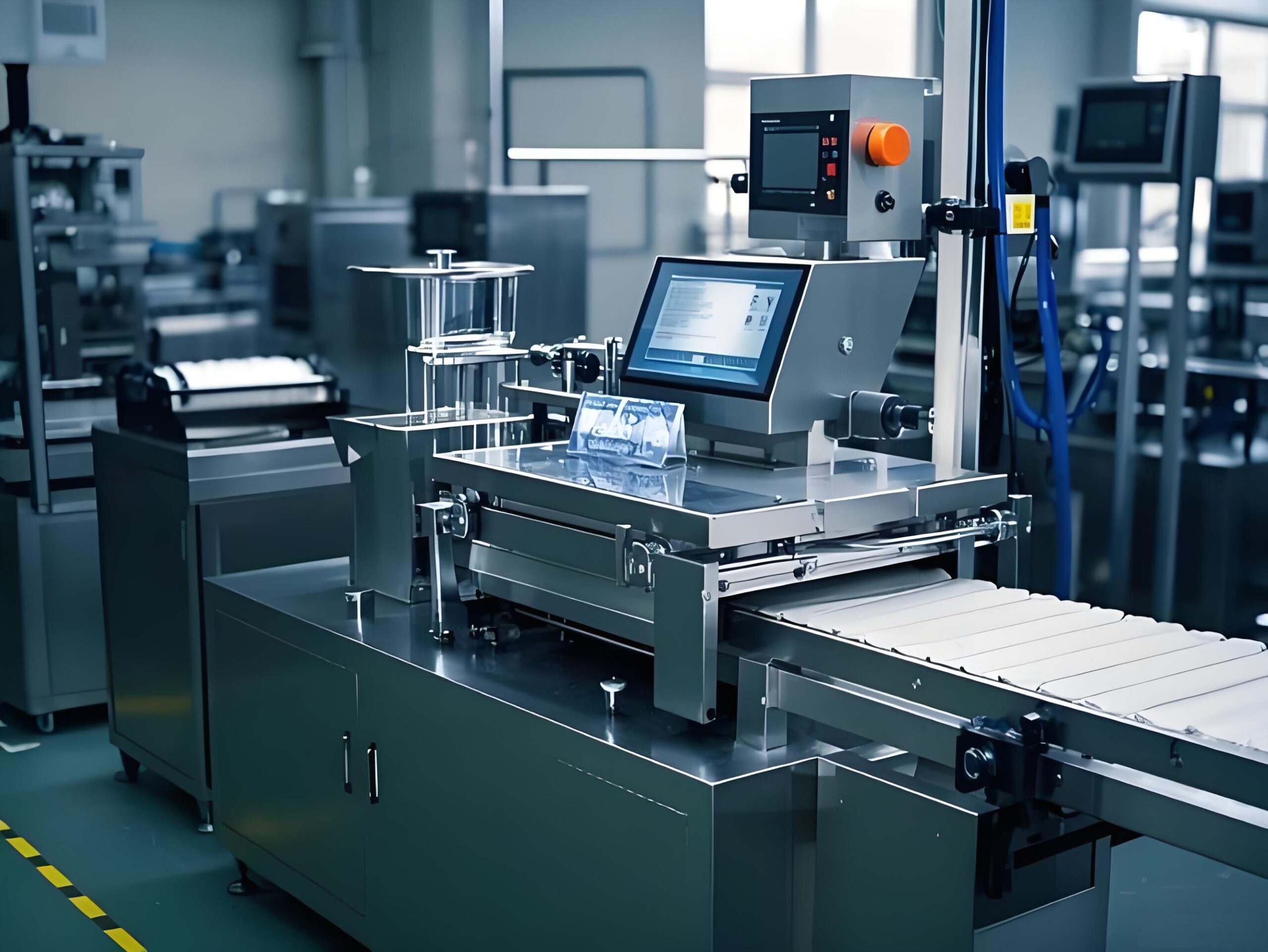
Production Efficiency Bottlenecks: The Hidden Barrier Slowing Down Your Entire Line
In many manufacturing environments, cartoning is often treated as a simple end-of-line task. However, in reality, manual cartoning frequently becomes a hidden bottleneck that slows down the entire production line.
A skilled worker can typically place 120–180 cartons per hour, depending on product size, carton design, and packaging complexity. Meanwhile, modern upstream production lines—such as product filling, wrapping, or primary packaging—can produce thousands of units per hour.
This imbalance between production speed and manual cartoning capacity creates congestion in the secondary packaging stage. During peak order periods, the situation becomes even more severe, causing delays in shipment schedules and reducing the overall efficiency of the packaging line.
For factories aiming to scale production or launch their own brands, manual cartoning can quickly become a serious operational constraint.

Inconsistent Carton Packaging: A Hidden Risk to Brand Image
Manual cartoning inevitably introduces variability in packaging quality, because the process depends heavily on human performance.
Common issues include:
-
Inconsistent carton fill levels
-
Products placed unevenly inside cartons
-
Carton closing quality varying between operators
-
Overall packaging neatness depending on worker attention and fatigue
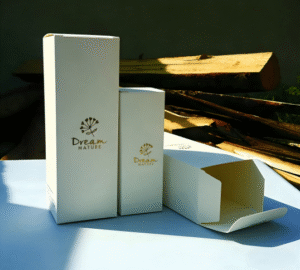
For OEM manufacturing, minor variations may be tolerated. However, for factories launching private-label products, packaging consistency becomes critical.
Distributors and retail partners often judge product professionalism by how consistently items are presented inside their cartons.
Inconsistent cartoning can create negative impressions such as:
-
“This looks like generic factory packaging rather than a professional brand product.”
-
“Packaging quality seems unstable, which suggests weak process control.”
Over time, inconsistent packaging can weaken brand perception and reduce a manufacturer’s ability to command premium pricing in competitive markets.
Hidden Operational Costs of Manual Cartoning
The real cost of manual cartoning goes far beyond hourly wages. Several hidden operational expenses significantly affect factory profitability.
Rising Labor Costs
According to data from the International Labour Organization (ILO), manufacturing wages in major global production hubs—including China and Southeast Asia—have steadily increased over the past decade.
Manual cartoning operations also create additional indirect costs, including:
-
recruitment and onboarding expenses
-
operator training
-
high employee turnover in packaging departments
-
increased supervisory workload
Packaging positions often experience higher turnover rates than other production roles, which means factories must continuously invest time and resources in workforce replacement.
Inefficient Use of Production Floor Space
Manual cartoning typically requires large packing tables and buffer areas where products accumulate before being placed into cartons.
These workstations consume valuable production floor space and often disrupt the smooth flow of materials across the packaging line.
By contrast, a modern automatic cartoning machine usually requires only 3–5 square meters of floor space, while replacing the output of several workers.
This compact equipment layout improves space utilization and production line efficiency.
Manual Cartoning vs Automatic Cartoning Machines
The performance gap between manual cartoning and automated cartoning becomes very clear when comparing key operational metrics.
| Comparison Category | Manual Cartoning | Automatic Cartoning Machine |
|---|---|---|
| Production Output | 120–180 cartons per hour per worker | 600–1000 cartons per hour per machine |
| Packaging Consistency | Highly dependent on operator skill | Standardized output with over 99% consistency |
| Labor Requirement | Multiple full-time operators required | One operator can supervise the machine |
| Continuous Operation | Limited by worker fatigue and shifts | Stable 24/7 continuous production |
| Floor Space Requirement | Large workstations and buffer areas | Compact 3–5 m² machine footprint |
| Brand Presentation | Inconsistent carton appearance | Uniform and professional carton presentation |
For manufacturers handling high-volume orders or multiple product SKUs, the productivity improvements achieved through automated cartoning are both measurable and predictable.
Core Business Advantages of Automatic Cartoning Machines
Dramatically Higher Packaging Efficiency
Modern automatic cartoners are designed to synchronize with upstream packaging equipment, enabling a seamless and highly efficient packaging workflow.
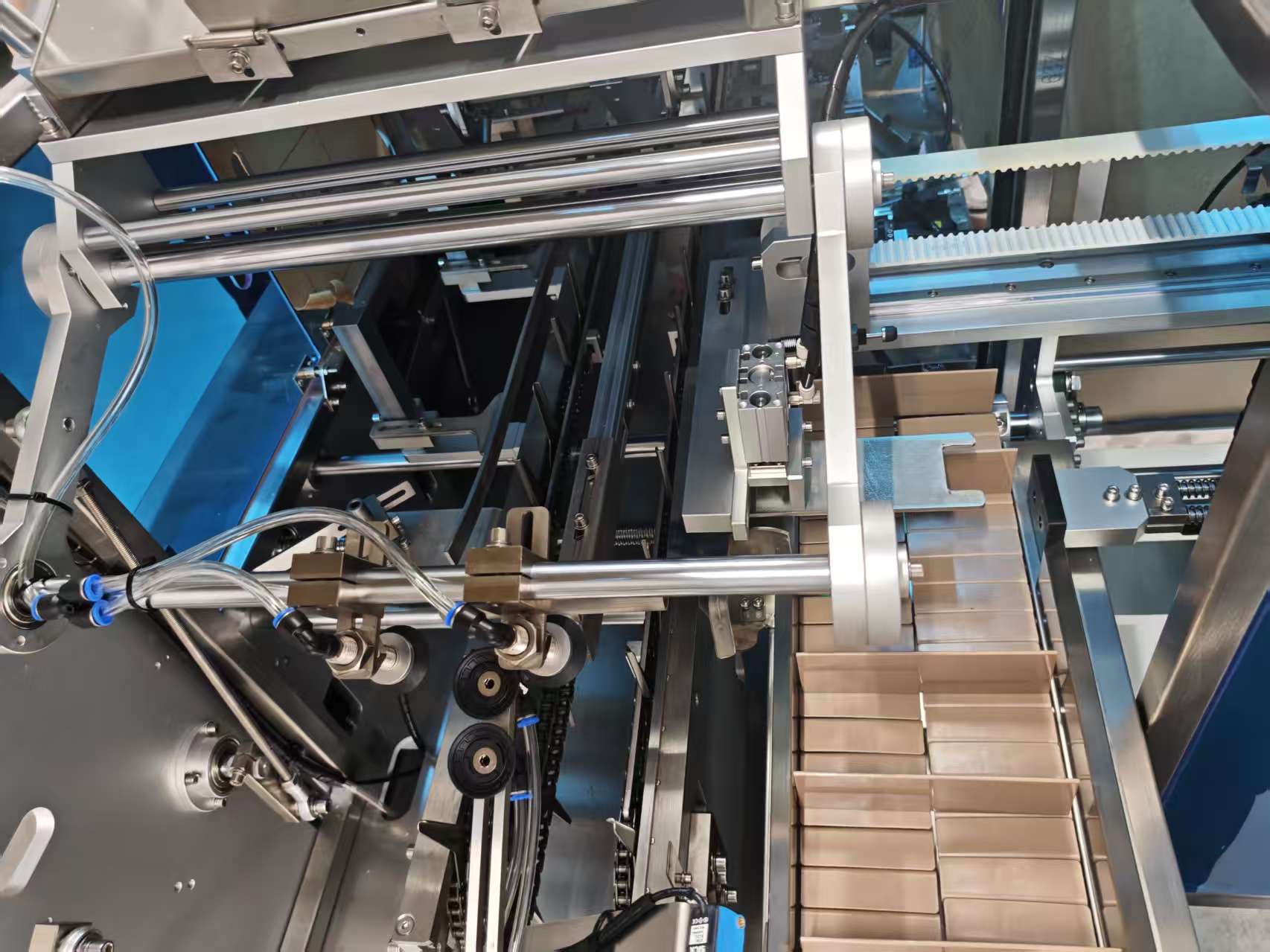
With automated carton forming, product insertion, and carton sealing, an automatic cartoning machine can dramatically increase packaging throughput while reducing manual handling.
This allows production lines to maintain balanced capacity across all stages of manufacturing.
Consistent Packaging That Strengthens Brand Perception
Automated cartoning ensures that every product is packaged with the same level of precision.
Key advantages include:
-
uniform carton forming
-
accurate product positioning
-
consistent carton closing quality
This consistency improves the visual presentation of packaged products, which is particularly important for retail distribution and e-commerce shipments.
A neatly packed carton reinforces the perception of a well-managed and professional manufacturing operation.
Stable 24/7 Production Capability
Unlike manual operations, automated cartoning machines maintain constant performance regardless of production duration.
Machines do not experience fatigue or efficiency drops during long production shifts.
For factories handling export orders or large production volumes, automated cartoners ensure stable packaging speed and reliable delivery schedules.
Strong ROI with Fast Payback
According to industry data from Food Processing Technology Reports (2024), manufacturers implementing automated cartoning systems typically achieve significant operational improvements.
One food manufacturer reported the following results after introducing an automatic cartoning machine:
-
Packaging consistency improved from 85% to 99%
-
Packaging floor space reduced by 40%
-
Labor cost per packaged unit reduced by $0.10–$0.15
For a facility producing 500,000 cartons annually, these improvements translated into approximately $50,000–$75,000 in additional annual profit.
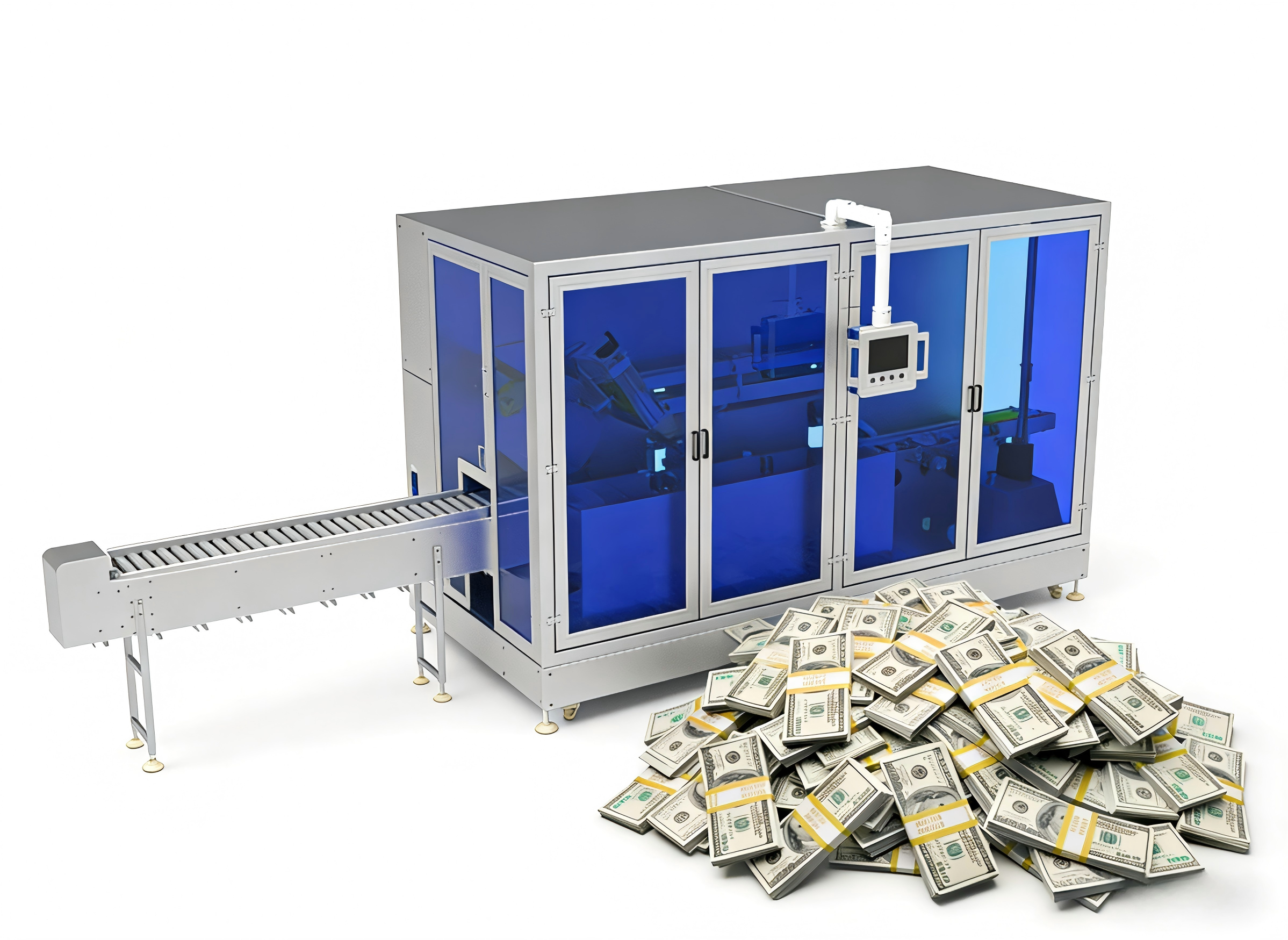
In most cases, the investment in an automatic cartoning machine can be recovered within 10–15 months, making cartoning automation one of the most cost-effective packaging upgrades.
How to Transition from Manual Cartoning to Automation
Factories considering automation do not need to replace their entire packaging line at once. A phased approach can minimize risk while delivering measurable improvements.
Step 1: Identify Cartoning Bottlenecks
Analyze production data to determine whether manual cartoning is slowing down the overall packaging process.
If upstream equipment consistently produces faster than products can be placed into cartons, cartoning automation may provide the fastest return on investment.
Step 2: Start with High-Volume Products
Begin automation with your highest-volume product lines, where efficiency improvements will have the greatest financial impact.
This allows factories to verify productivity gains before expanding automation to other product categories.
Step 3: Gradually Expand Automation
After the initial implementation proves successful, the cartoning automation model can be expanded to additional products and packaging formats.
This gradual expansion strategy reduces operational disruption while maximizing long-term efficiency.
Step 4: Choose a Reliable Cartoning Machine Supplier
When selecting a supplier, manufacturers should prioritize partners that provide:
-
comprehensive technical support
-
operator training programs
-
long-term after-sales service
-
proven industry case studies
A reliable equipment partner ensures the cartoning system operates efficiently over the long term.
Case Study: Snack Manufacturer Upgrades Cartoning Automation
A leading snack manufacturer in Asia recently upgraded its packaging line with an automatic cartoning machine.
Within the first year of operation, the factory achieved significant improvements:
-
Cartoning consistency increased to 99%
-
Packaging capacity increased threefold
-
Packaging presentation received strong approval from major retail chains
-
Annual labor cost savings reached approximately $60,000
-
Brand image improved significantly, enabling the company to secure several new B2B distribution contracts
This case demonstrates that cartoning automation is not just an operational upgrade—it is also a strategic step for factories transitioning from OEM production to brand development.
Conclusion
In many production environments, the cartoning stage is often overlooked. However, it plays a crucial role in determining:
-
the overall efficiency of the packaging line
-
product presentation and brand perception
-
operational costs and long-term profitability
By implementing an automatic cartoning machine, manufacturers can:
-
ensure consistent packaging quality across every production batch
-
significantly increase packaging efficiency
-
reduce labor dependency and management complexity
-
build a stronger, more professional brand image in the market
For manufacturers seeking scalable production and brand development, cartoning automation represents a highly effective and strategically valuable investment.