
For many small and medium-sized manufacturers, growth is not limited by product demand—but by operational efficiency.
One of the most overlooked bottlenecks lies in the packaging process, especially manual box folding. When production volume increases, manual folding quickly becomes slow, inconsistent, and labor-intensive. Delayed deliveries, rising labor costs, and inconsistent packaging quality can quietly prevent a factory from scaling.
This is the story of how a small manufacturer in the electronics supply chain broke through that barrier by introducing a Mailer Box Folding Machine, transforming its packaging workflow and enabling the company to grow from 80 employees to 150 employees within a year.
The Challenge: When Manual Folding Limits Production
The company specialized in producing battery boxes and hardware parts packaging for electronics manufacturers. Business demand was increasing steadily, but their packaging process was struggling to keep up.
At the time, the factory had around 80 employees, and nearly one-third of the workforce was assigned to manual box folding tasks.
This created several challenges:
-
High labor costs for repetitive folding work
-
Inconsistent folding quality between workers
-
Limited production capacity during peak orders
-
Frequent delivery pressure from large-volume clients
Whenever a large order arrived, the packaging department became the most stressful part of the production process.
The factory owner realized that if this bottleneck remained unsolved, scaling the business would become extremely difficult.
Discovering the Solution on YouTube
While researching packaging equipment online, the factory owner came across a demonstration video of a Fully Automatic Mailer Box Folding Machine from UBL.
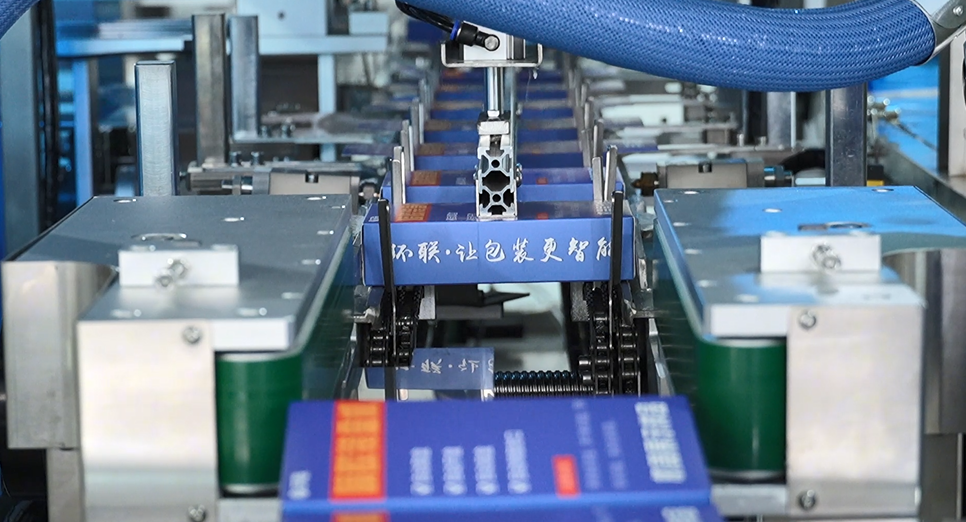
In the video, the machine performed precise corrugated mailer folding automatically, requiring minimal manual intervention. Boxes were folded quickly, consistently, and accurately.
For the factory owner, this demonstration immediately highlighted a potential solution.
Instead of relying on dozens of workers to perform repetitive folding tasks, automation could complete the same work faster, more consistently, and with far fewer operators.
He contacted UBL shortly afterward via WhatsApp to discuss his packaging requirements.
Professional Evaluation and Equipment Testing
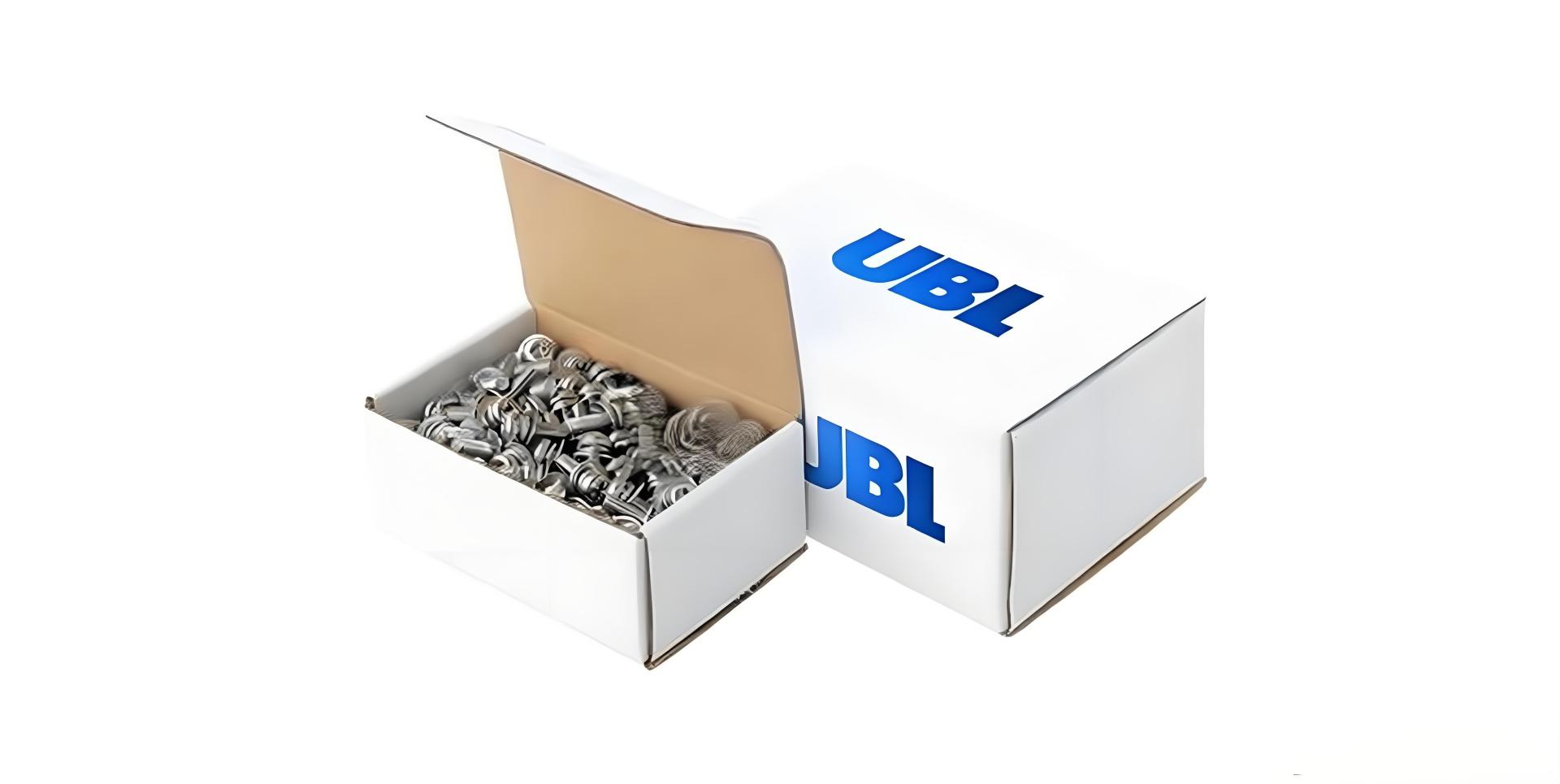
- Mailer boxes
- Snap lock bottom boxes
- Tuck end boxes (STE/RTE)
- Rigid boxes with lids
Installation, Training, and Production Integration
Once the machine arrived at the factory, UBL engineers provided on-site training for the operators.
Training covered:
-
Machine operation procedures
-
Daily maintenance practices
-
Troubleshooting common issues
-
Safety and efficiency optimization
Within a short period, the factory team became comfortable operating the automated folding system.
The packaging line was then fully integrated into their production workflow.
For businesses exploring similar automation solutions, you can learn more about carton folding equipment and packaging automation .
Immediate Results After Automation
The impact of automation was noticeable almost immediately.
Tasks that previously required over 20 workers could now be handled by only one or two operators supervising the machine.
Production efficiency increased significantly.
Key Results After Installing the Machine
-
📦 Box folding efficiency increased by over 100%
-
👷 Labor requirements for folding reduced dramatically
-
📉 Packaging errors and inconsistencies reduced
-
⏱ Faster order turnaround times
-
📈 Production capacity expanded
By freeing workers from repetitive folding tasks, the factory was able to reassign manpower to higher-value production processes, such as product assembly and quality control.
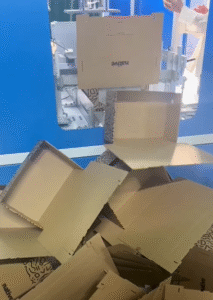
Expanding Into New Markets
With the packaging bottleneck eliminated, the company gained the ability to handle both large-volume orders and small batch production.
This flexibility opened new opportunities.
The factory gradually expanded its product range beyond battery boxes to include:
-
Food packaging mailer boxes
-
Consumer goods packaging
-
Daily necessities packaging
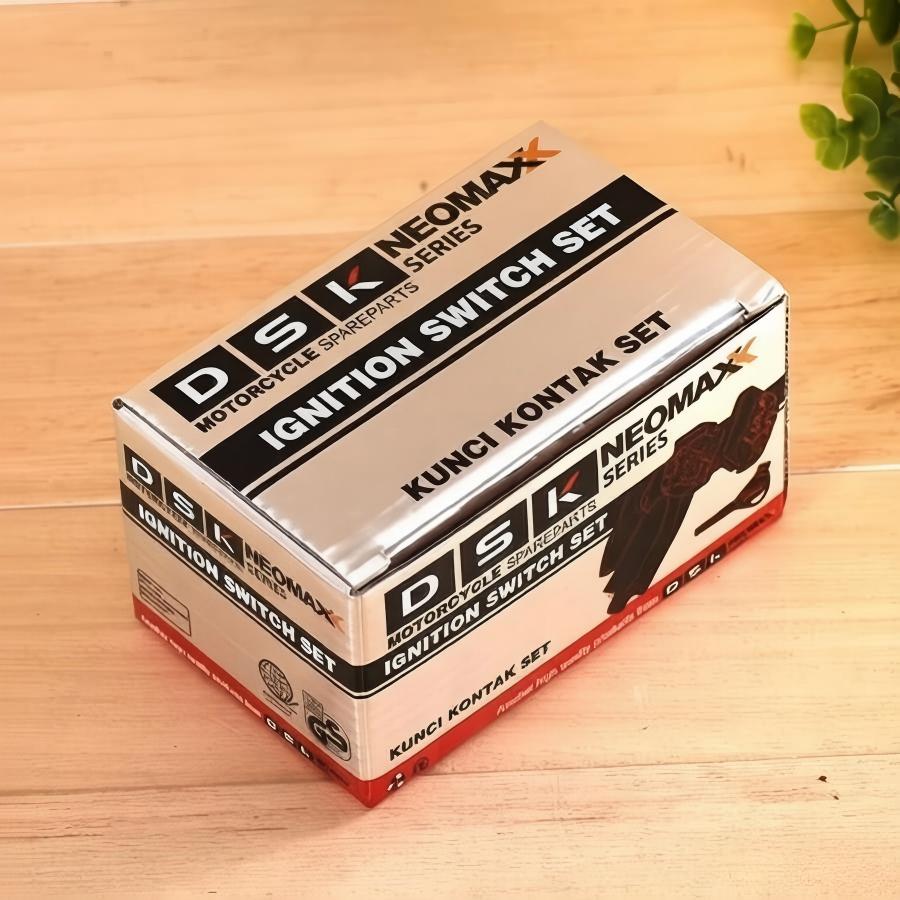
Because the folding machine could handle different corrugated materials and box sizes, it supported this diversification without requiring additional equipment investments.
From 80 to 150 Employees: A Scalable Operation
Within a year of implementing the automated folding machine, the company experienced rapid growth.
The workforce expanded from 80 employees to 150 employees, and the factory significantly increased its production capacity.
Instead of struggling with delivery deadlines, the company could now:
-
Accept larger contracts
-
Deliver orders more reliably
-
Maintain stable production output
Automation not only improved efficiency—it enabled the company to scale confidently into a mid-sized manufacturing enterprise.

A Long-Term Partnership
During a later visit, the factory owner shared his thoughts about the investment.
He described the decision to adopt the Mailer Box Folding Machine as one of the most important turning points for his business—comparable to the moment he first started the company.
By removing a critical production bottleneck, the company was able to unlock new opportunities for growth.
Looking ahead, the factory plans to further automate its cartoning and packaging lines, continuing the transition toward a more efficient, modern production system.
Is Automation the Next Step for Your Packaging Line?
Many small and medium-sized manufacturers face the same challenge: manual packaging processes that struggle to keep up with growing order volumes.
A Mailer Box Folding Machine can dramatically improve packaging efficiency by:
-
Reducing labor dependency
-
Increasing production speed
-
Ensuring consistent box quality
-
Supporting scalable manufacturing
For manufacturers looking to improve packaging automation and production efficiency, exploring the right folding equipment can be a powerful step toward long-term growth.




2 responses
This story really highlights how automation in packaging can be a game-changer for small factories struggling with manual processes. It’s great to see a practical example of how investing in the right machinery helped scale production efficiently. The challenge of inconsistent manual folding is something many manufacturers face, so it’s encouraging to see a clear solution that improves both speed and quality.
This highlights a point many manufacturers underestimate—packaging can quietly become the biggest bottleneck as demand grows. Manual box folding might seem manageable at small volumes, but consistency and speed quickly become issues once orders scale up. It’s interesting to see how addressing just one step in the workflow can significantly improve overall production capacity.