If you’re running a fastener manufacturing operation—screws, bolts, nuts, or washers—you already know that packaging is the last bottleneck standing between production and shipment. A hardware cartoning machine eliminates that bottleneck by automating the most labor-intensive stage of your line. But the real question isn’t whether the machine works. It’s whether the investment makes financial sense for your operation.
This article breaks down the ROI calculation for a hardware cartoning machine in plain terms: what you’re actually paying today, what changes when you automate, and how long it takes to reach the break-even point. We’ll use real numbers drawn from typical fastener packaging operations and reference our own equipment specifications so you can apply the math to your situation.

What Is a Hardware Cartoning Machine and What Does It Do?
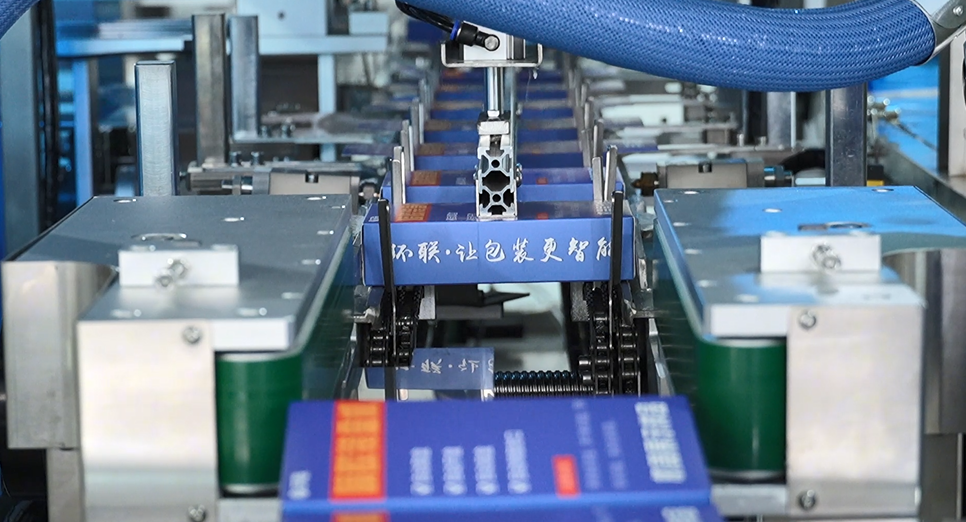
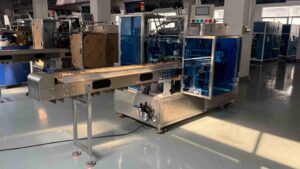
A hardware cartoning machine is an automated packaging system that opens a pre-formed or flat carton blank, accepts a measured quantity of hardware product, closes and seals the carton, and discharges the finished box onto a conveyor or collection station—continuously, without manual intervention at each cycle.
For fastener manufacturers, the typical integration looks like this:
Weighing/Counting Station → Hardware Cartoning Machine → Labeling → Protective Bagging
The cartoning machine sits at the center of this flow. Its speed, format flexibility, and reliability determine whether the entire line runs smoothly or backs up.
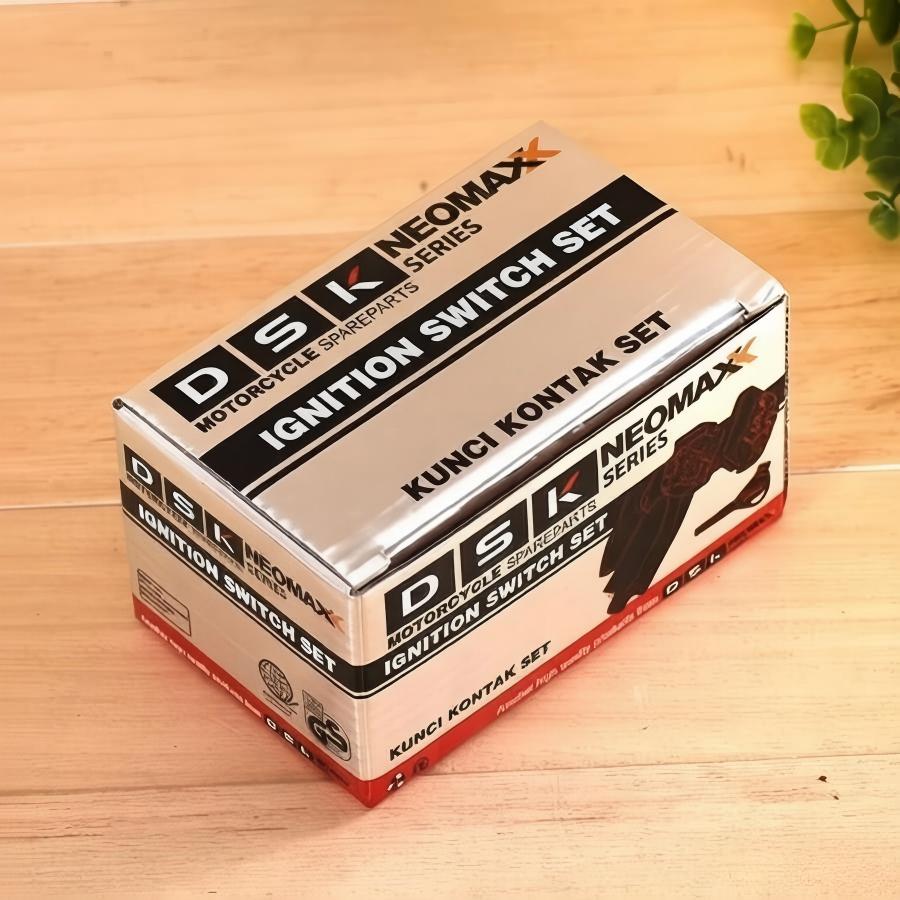
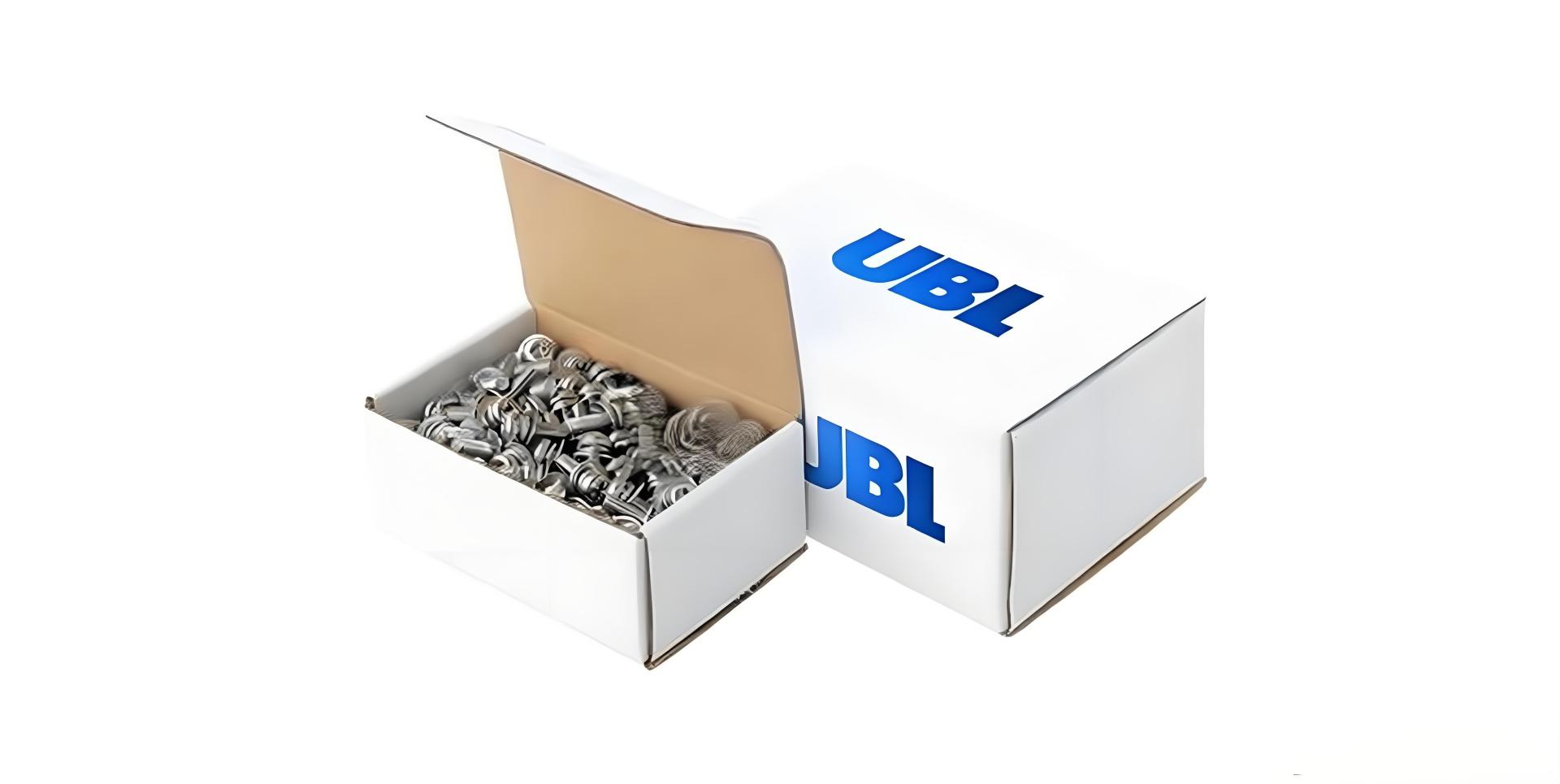
UBL’s hardware cartoning machine lineup is centered on the HL-ZC-G1 Servo Tuck-End Cartoning Machine — a fully servo-driven system that can load 3,000 to 4,800 products into cartons and seal them per hour. It handles tuck-end cartons of various sizes (L 120–200 mm × W 60–140 mm × H 30–70 mm). For most fastener cartoning operations, this represents a leap in production efficiency compared to manual or semi-automatic methods.
The True Cost of Manual Hardware Packaging
Before calculating ROI, you need an honest baseline. Most fastener manufacturers underestimate their true manual packaging cost because they only count direct labor wages. The full picture includes several cost categories that rarely appear on a single line item in the budget.
Direct Labor
A typical manual hardware packaging station for screws or bolts requires 3–4 operators per shift: one handling the weighing or counting station, one folding and opening cartons, one filling and closing boxes, and one applying labels. At standard manufacturing wages, that’s $12–18/hour per operator in most regions, or $36–72/hour in total labor cost per shift.
Running two shifts, five days a week, 50 weeks a year: your baseline labor cost for packaging alone ranges from $180,000 to $360,000 per year—before overtime, benefits, or turnover costs.
Throughput Ceiling
A well-coordinated manual team typically achieves 400–600 cartons per hour under consistent conditions. In practice, the real number is lower: breaks, shift changes, operator variation, and fatigue introduce gaps. A manual line running at 80% efficiency produces 320–480 cartons/hour—a ceiling that limits your ability to fill large orders or handle seasonal demand spikes.
Quality Variance and Rework
Manual filling introduces weight variance. Manual carton closing introduces inconsistent seals. Each mislabeled or underweight carton that reaches a distributor or retail buyer creates a chargeback, a return, or a compliance issue. Industry data consistently shows that automated packaging solutions can reduce product damage rates by approximately 12% while cutting material waste by around 33%, primarily by eliminating operator-introduced variability and optimizing package sizing.
Overtime and Peak-Season Costs
When order volume spikes—export seasons, bulk distributor orders, promotional campaigns—manual lines either miss deadlines or generate overtime costs at 1.5× the standard wage rate. This cost is difficult to budget and easy to undercount when evaluating manual versus automated options.
ROI Model: Hardware Cartoning Machine Investment
Now let’s run the numbers. We’ll use a mid-range scenario typical of a screw or bolt manufacturer running a two-shift, five-day operation.
Assumptions
- Current throughput: 450 cartons/hour (manual, 2 shifts)
- Current direct labor: 4 operators × 2 shifts × $15/hour = $60/hour labor cost
- Annual operating hours: 4,000 hours (2 shifts × 250 days)
- Annual labor cost (packaging station): $240,000
- Hardware cartoning machine investment: $80,000–$120,000 (HL-ZC-G1, installed)
Labor Savings After Automation
An automated hardware cartoning machine typically reduces packaging station headcount from 4 operators to 1 (a line supervisor/operator who monitors the machine and handles carton replenishment). This saves 3 operator positions per shift, or 6 positions across two shifts.
| Cost Category | Manual (Before) | Automated (After) | Annual Saving |
|---|---|---|---|
| Direct labor (packaging) | $240,000/yr | $60,000/yr | $180,000 |
| Rework and chargebacks (est.) | $15,000/yr | $3,000/yr | $12,000 |
| Overtime premium | $20,000/yr | $4,000/yr | $16,000 |
| Total annual savings | $208,000 |

Throughput Gain Value
The HL-ZC-G1 runs at 3,000–4,800 cartons/hour—roughly 7× the throughput of a well-run manual team. Even accounting for machine downtime and changeover time, a realistic automated output of 2,500 cartons/hour represents a 5.5× improvement. For operations that are currently turning down orders due to capacity limits, this throughput gain has direct revenue value.
If your average order value is $2,000 per 1,000 cartons and you can now fill 50% more orders annually, the revenue upside can easily exceed the equipment cost within the first year of operation.
Payback Period Calculation
Using the conservative savings figure of $208,000/year and an equipment investment of $100,000:
Payback Period = $100,000 ÷ $208,000 = approximately 5.8 months
Even with a more conservative estimate that accounts for installation, training, and a ramp-up period, most hardware manufacturers reach break-even on a hardware cartoning machine investment within 12–18 months. After that point, the annual savings flow directly to the bottom line.
Format Flexibility: One Machine, Multiple SKUs
One concern hardware manufacturers often raise is SKU complexity. If you’re packaging M3, M4, M6, and M8 screws in different carton sizes, you need a machine that can handle format changes without excessive downtime.
The HL-ZC-G1 addresses this directly. Its servo-driven format adjustment and adjustable guides allow changeover between carton sizes in under 15 minutes for a trained operator. For multi-SKU operations running 8–12 different carton formats, the ability to switch quickly is essential to maintaining the throughput advantage over manual methods.
What “Quick Changeover” Actually Means for Your ROI
- Manual changeover on a semi-automatic line: 30–60 minutes, requiring 2 operators
- Servo-driven changeover on the HL-ZC-G1: 10–15 minutes, single operator
- Annual time saved (assuming 100 changeovers/year): 25–75 hours of production capacity recovered
- At 3,000 cartons/hour, that’s 75,000–225,000 additional cartons per year from changeover efficiency alone
Integration: Where the Hardware Cartoning Machine Fits in Your Line
A hardware cartoning machine doesn’t operate in isolation. Its value is fully realized when it’s properly integrated with upstream and downstream equipment. Here’s how the HL-ZC-G1 connects to the rest of a typical fastener packaging line:
Upstream Processes:
- Weighing System: Manual feeding of pre-packaged products into the cartoning station.
- Carton Supply: Flat carton blanks are loaded into the HL-ZC-G1’s magazine; the machine automatically opens and forms each carton prior to filling, pushes the product into the carton, and completes the sealing process.
- Labeling: Finished cartons exit the machine via a conveyor belt and are directly fed into an inline labeling station for barcode and product information labeling.
- Protective Bag Packaging: For hardware products requiring moisture or corrosion resistance, labeled cartons are conveyed to a packaging machine for film bag wrapping and sealing.
UBL engineers the full line—cartoning through to bagging—as an integrated system, not as standalone machines bolted together. This matters for ROI because integration gaps (mismatched speeds, incompatible conveyor heights, software handshaking issues) are where automated lines fail to deliver their promised output.
Three Questions That Determine Your Actual ROI
The ROI model above is a framework. Your actual numbers depend on how you answer three operational questions:
1. What Is Your Current Packaging Labor Cost?
Be precise: include all operators at the packaging station across all shifts, plus benefits (typically 20–30% above base wage), plus overtime costs in the last 12 months. Many operations find this number is significantly higher than their initial estimate once benefits and overtime are included.
2. What Is Your Target Throughput?
The hardware cartoning machine should be matched to your peak demand, not your average demand. If you have seasonal peaks that are 2× your average volume, size the machine for the peak. The cost of a larger machine is almost always less than the cost of missed orders during high-demand periods.
3. How Many SKUs and Format Changes?
The more format changes your line requires, the more important servo-driven changeover becomes. Calculate the annual hours lost to format changes on your current line—that’s recoverable production capacity that feeds directly into your ROI calculation.
Getting a Proposal Tailored to Your Operation
Every fastener packaging operation is different. The ROI for a manufacturer running a single SKU at high volume differs significantly from one running 20 SKUs at mixed volumes. UBL’s engineering team builds proposals based on your specific product range, carton formats, target throughput, and facility layout—not off-the-shelf configurations.
To prepare for a productive conversation, have the following ready:
- Your current carton sizes and formats (tuck-end, snap-lock, glue-sealed)
- Number of SKUs requiring different carton formats
- Target cartons per hour at peak production
- Current headcount at the packaging station (all shifts)
- Current annual overtime costs for packaging
With these inputs, we can run a site-specific ROI projection and identify the right hardware cartoning machine configuration for your line.
Contact UBL Packaging to discuss your requirements and receive a detailed proposal.