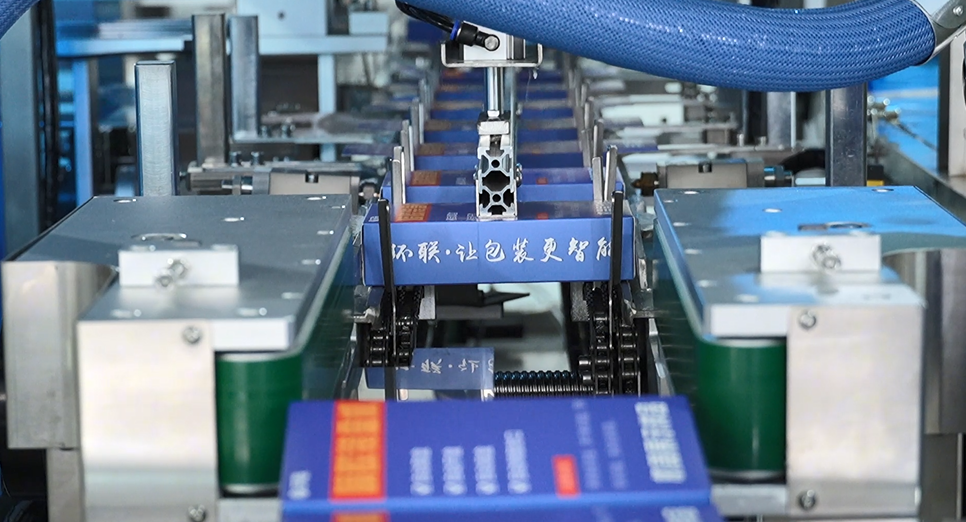
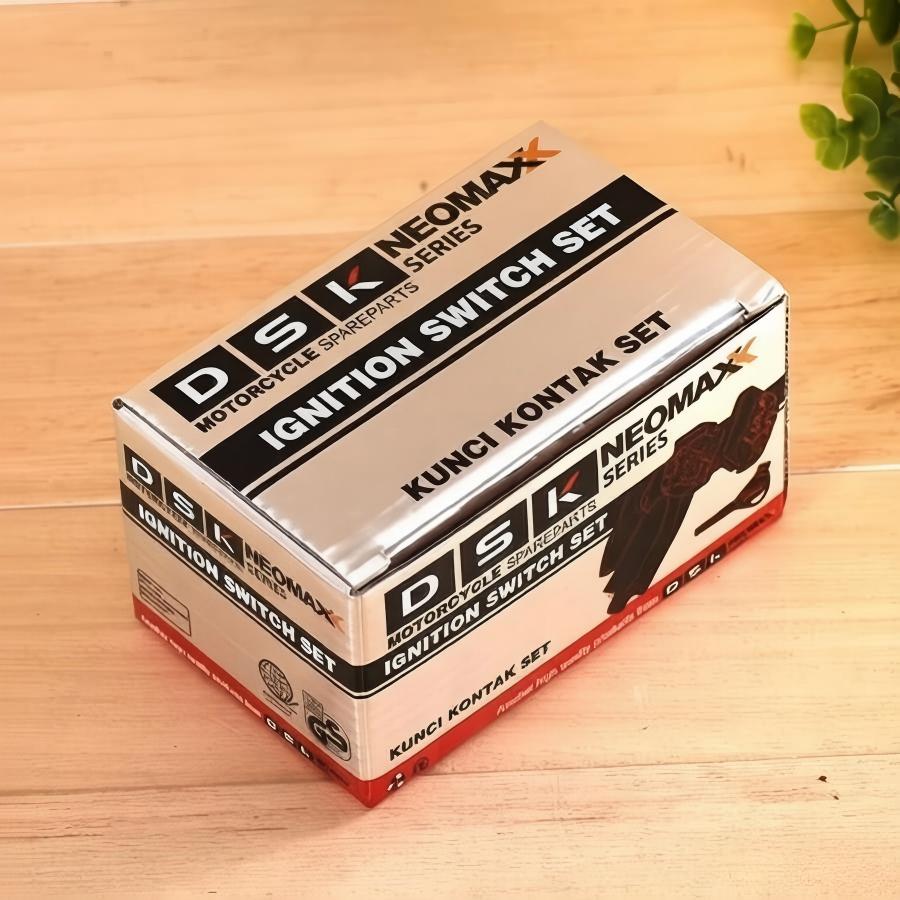
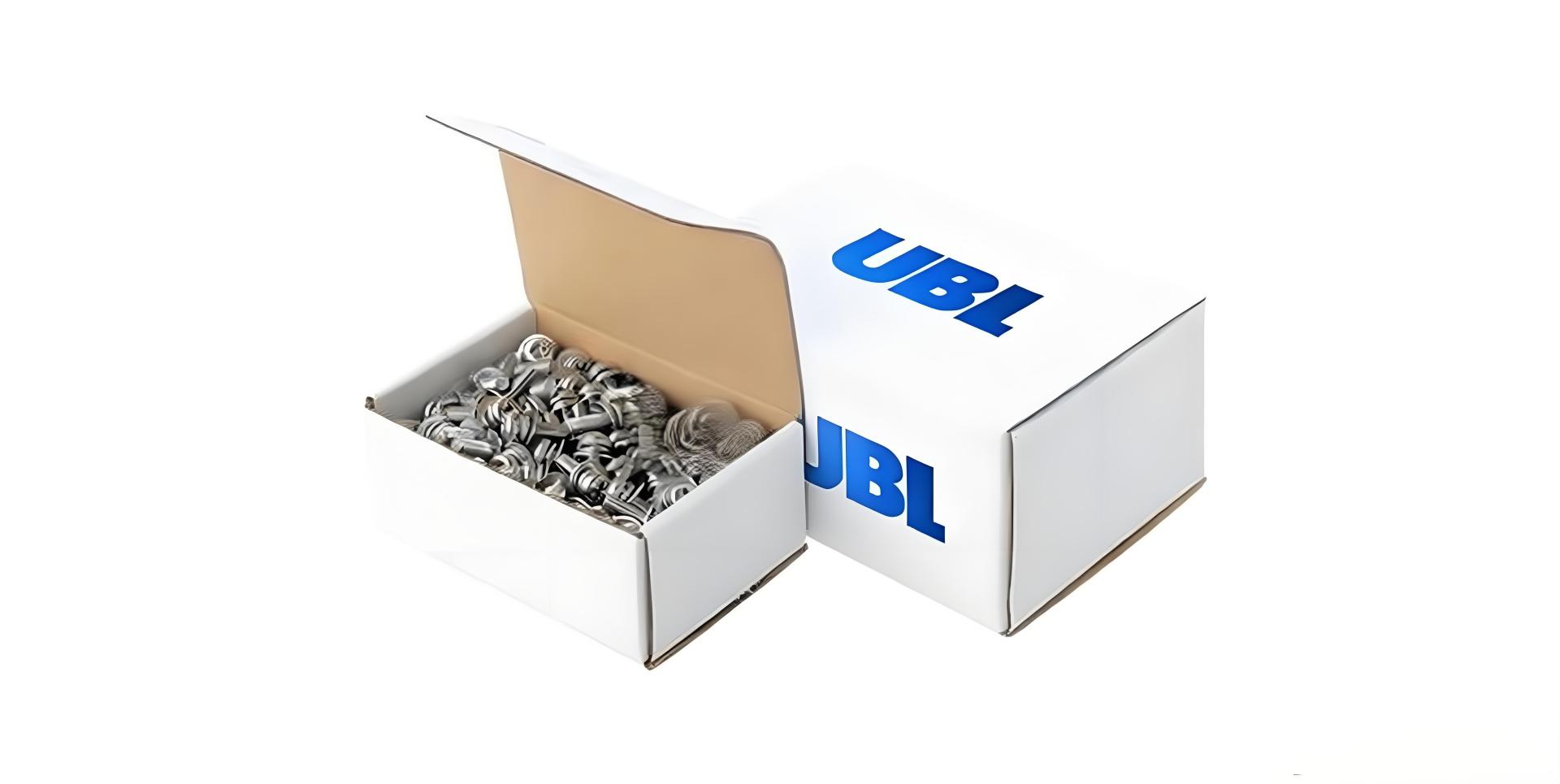
Food manufacturers face unique challenges when selecting cartoning equipment. Unlike general consumer goods, food products require FDA compliant packaging equipment that meets strict sanitary standards while maintaining production efficiency. Choosing the wrong food cartoning machine can result in regulatory violations, product recalls, and compromised brand reputation.
This guide outlines the critical factors food manufacturers must evaluate when investing in food cartoning automation.
Regulatory Requirements for Food Cartoning Machines
The FDA and USDA impose specific requirements on food packaging equipment under Title 21 CFR Part 110 (Current Good Manufacturing Practice). Food cartoning machines must meet these standards:
Material Contact Surfaces: All components contacting food or primary packaging must use FDA-approved materials, typically 304 or 316 stainless steel. Food cartoning machines constructed with painted steel or non-approved plastics cannot be used in food production environments.
Cleanability: Hygienic packaging equipment must allow complete washdown without water infiltration into electrical components. Look for IP65 or higher ratings on control panels and motors.
Lubrication Systems: Food-grade lubricants are mandatory for any lubrication points near product zones. Leading food cartoning machine manufacturers use sealed bearing systems that eliminate lubrication near product contact areas.
Documentation: Reputable suppliers provide material certificates, FDA compliance statements, and third-party validation reports for food cartoning machines.
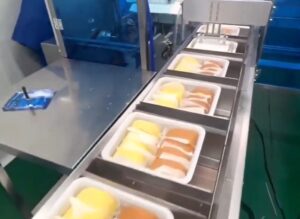
Key Design Features for Food Cartoning Applications
Beyond regulatory compliance, food cartoning machines should incorporate design features that address food production realities:
Stainless Steel Construction: GMP food machinery uses 304 stainless steel for frame components and 316 stainless steel for high-moisture applications like dairy or frozen foods. This prevents corrosion and bacterial growth.
Open Frame Design: Hygienic packaging equipment features sloped surfaces, minimal flat areas, and open frame construction that allows debris and water to drain during cleaning, preventing bacterial harborage.
Tool-Free Changeover: Food manufacturers frequently switch between products and carton sizes. Food cartoning machines with tool-free changeover reduce downtime and minimize contamination risks from tools brought into production areas.
Temperature and Moisture Resistance: Food production environments range from frozen (-20°C) to hot-fill (85°C). Food packaging automation equipment must maintain performance across these extremes without component degradation.
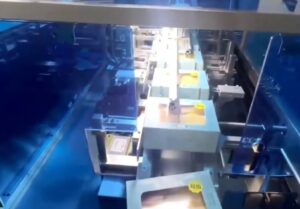
Cartoning Machine Stability in Food Production
Stability is critical for food cartoning machines because downtime directly impacts perishable product inventory and shelf life. Unstable equipment that requires frequent adjustment or experiences jamming can force production stops that waste raw materials and finished product.
Stability Features to Evaluate:
Frame Rigidity: Food factory expansion often places cartoning machines in high-vibration environments near fillers and cappers. Heavy-duty frames with reinforced mounting points prevent vibration-induced misalignment.
Component Quality: Servo-driven cartoning machines using branded components (Siemens, Mitsubishi, Schneider) deliver more stable performance than systems using no-name controls and drives.
Redundant Systems: Critical food packaging lines benefit from redundant controls and servo systems that maintain operation during component failures, preventing complete production stops.
Diagnostic Capabilities: Modern food packaging automation includes remote monitoring and predictive maintenance features that identify potential failures before they cause downtime.
Secondary Packaging Considerations for Food Products
Food cartoning often involves secondary packaging automation that must integrate seamlessly with primary packaging lines:
Bakery Cartoning Systems: Baked goods require gentle handling and often need modified atmosphere packaging. Cartoning machines for bakery products must coordinate with flow wrappers and MAP systems.
Dairy and Cheese Packaging: Dairy products require hygienic packaging equipment that withstands cold, moist environments. Stainless steel cartoner construction with sealed electronics is essential.
Frozen Food Cartoning: Sub-zero operation requires special lubricants, component ratings, and often heated control cabinets to prevent condensation and freezing.
Snack Food Applications: High-speed snack food packaging demands cartoning machines capable of two thousand to three thousand cartons per hour with quick changeover between flavors and pack counts.
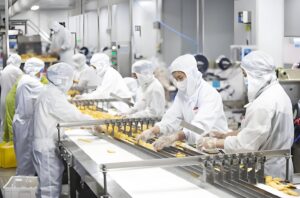
Scaling Production with Food Cartoning Automation
Growing food manufacturers need food cartoning machines that scale with business expansion:
Modular Design: Modular cartoning machines allow capacity expansion through add-on modules rather than complete equipment replacement, protecting the initial investment.
SKU Flexibility: Food brands frequently launch new products. Food packaging automation equipment with programmable controls and quick changeover supports rapid SKU introduction without major reconfiguration.
Integration Capability: Food factory expansion requires packaging equipment that communicates with existing production management systems, typically via Ethernet/IP or Profinet protocols.
Throughput Matching: Cartoning machine speed must align with upstream filling and downstream case packing equipment. Over-specifying speed wastes capital, while under-specifying creates bottlenecks.
Supplier Selection for Food Cartoning Equipment
Not all cartoning machine manufacturers understand food industry requirements. When evaluating suppliers, food manufacturers should assess:
Food Industry Experience: Ask for references from food manufacturers with similar products and production volumes. Visit operating installations when possible.
Compliance Documentation: Reputable suppliers provide complete FDA compliant packaging equipment documentation, including material certificates, control system validations, and sanitation guidelines.
Service Network: Food production runs on tight schedules. Suppliers with local service technicians and stocked spare parts inventory minimize downtime risk.
Testing and Validation: Leading suppliers offer factory acceptance testing with actual products and cartons, ensuring performance before shipment.
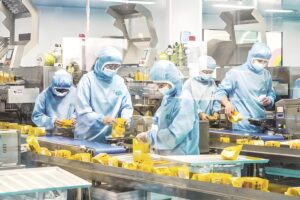
Future-Proofing Food Cartoning Investments
Food packaging regulations and consumer demands evolve. Smart food cartoning machine investments anticipate future requirements:
Traceability Integration: Equipment ready for serialization and blockchain traceability systems positions manufacturers for upcoming regulatory requirements.
Sustainability Compatibility: Food cartoning machines that handle recycled and recyclable carton materials support corporate sustainability goals and consumer preferences.
Smart Packaging Capability: Integration with intelligent packaging lines that monitor OEE, track maintenance, and optimize performance delivers long-term operational advantages.
Selecting the right food cartoning machine requires balancing regulatory compliance, production efficiency, and growth flexibility. For manufacturers planning food factory expansion automation, equipment decisions made today will impact operations for a decade or more.
For expert guidance on food cartoning machine selection and secondary packaging automation integration, contact UBL’s food packaging specialists to discuss your specific application and compliance requirements.