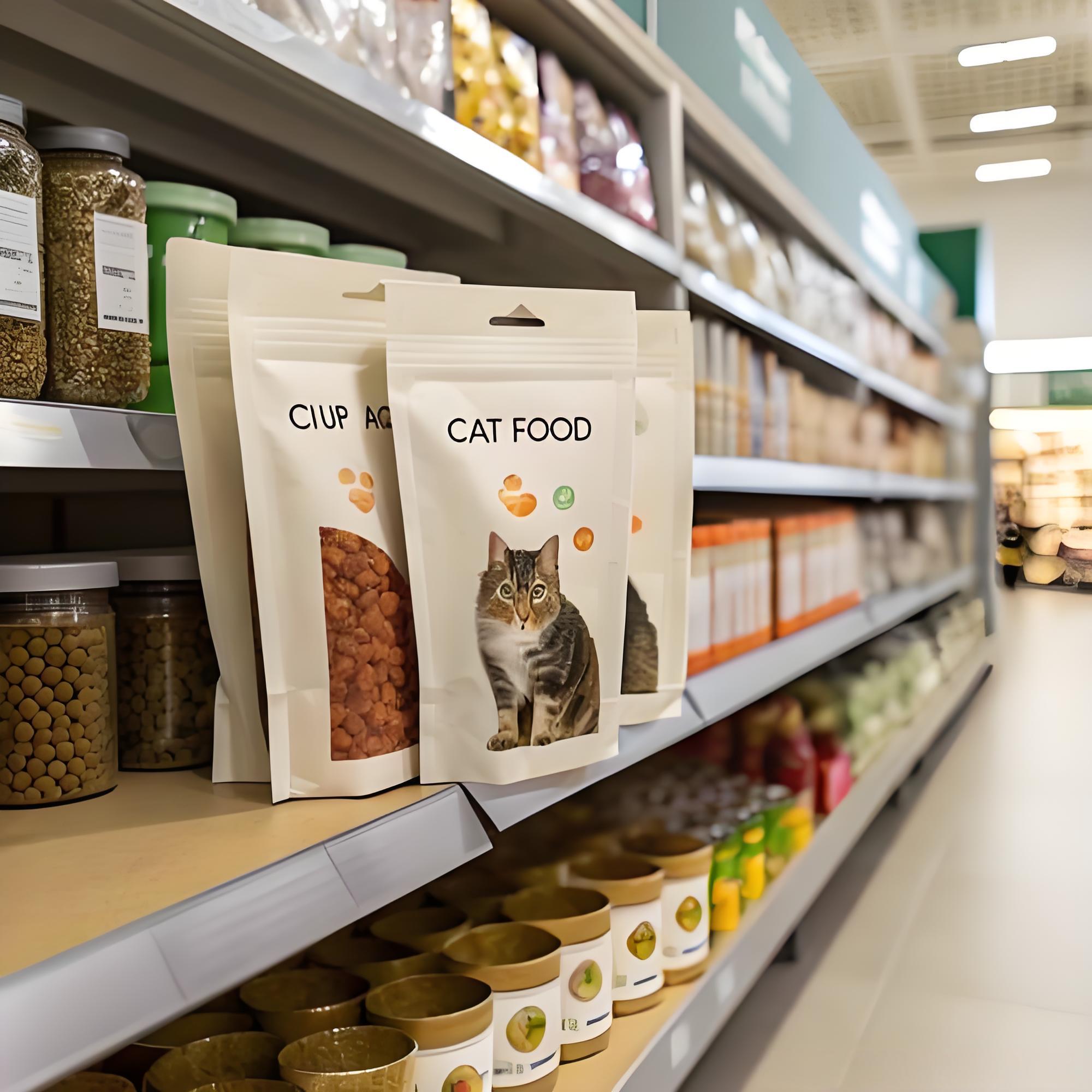
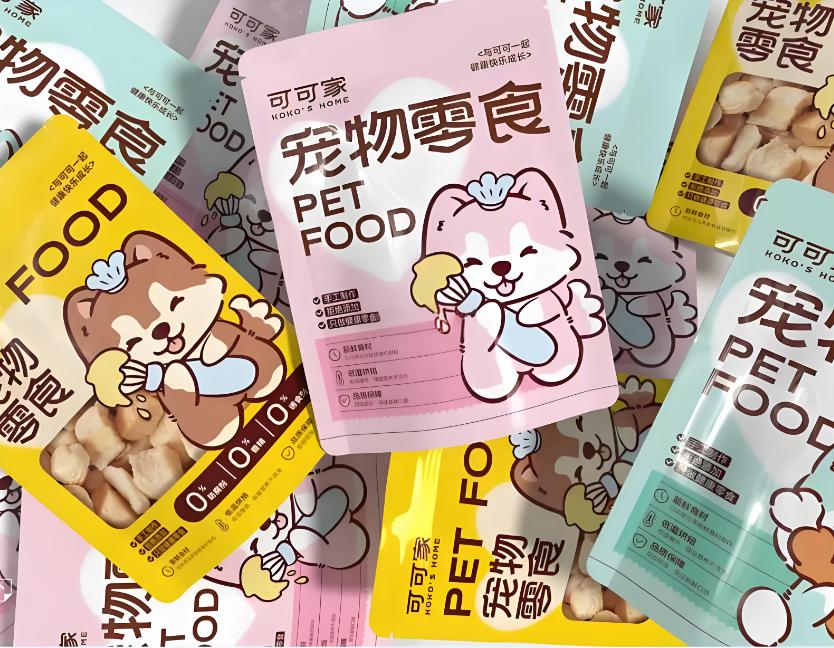
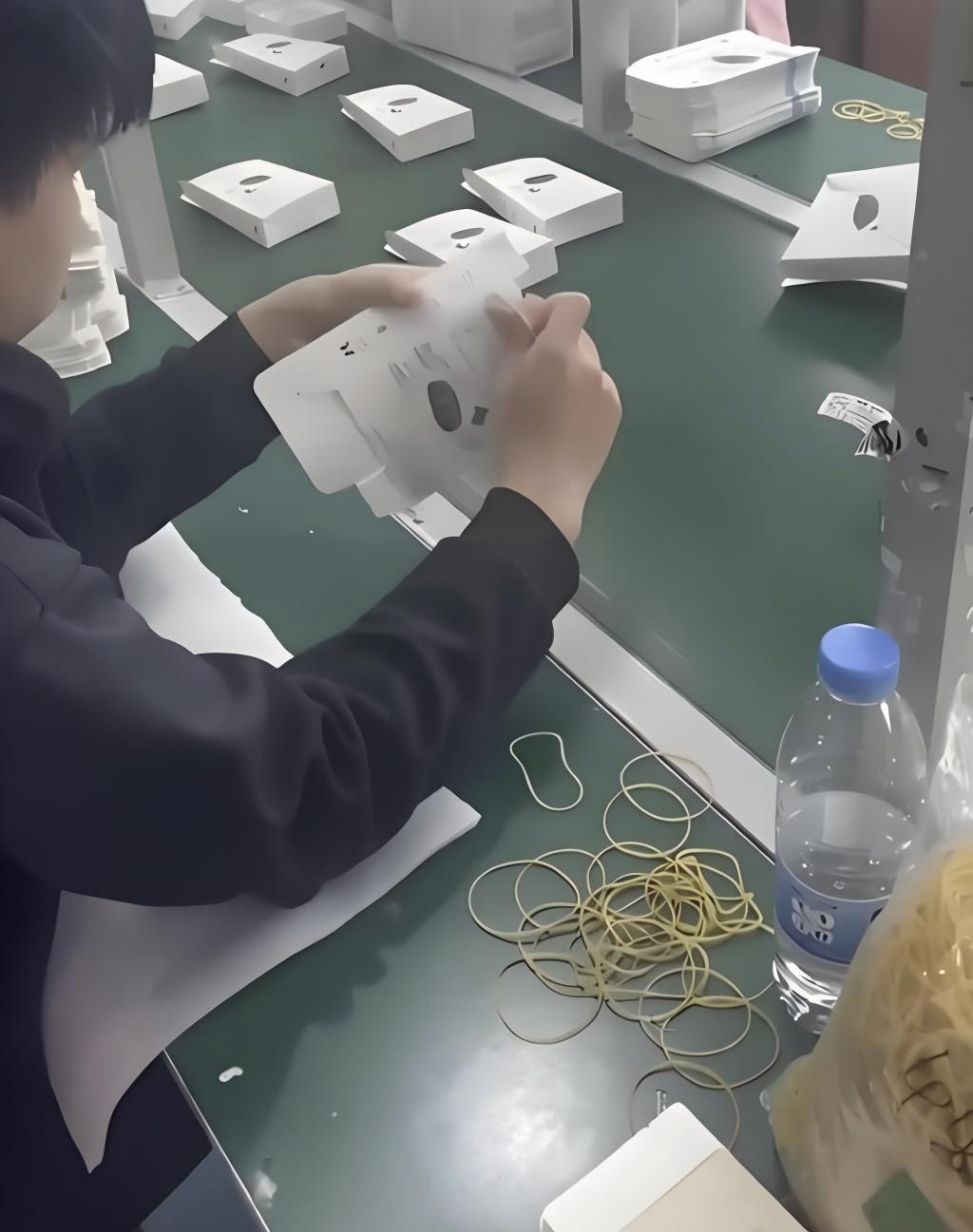
When food factories talk about food packaging machinery, many people still picture machines touching the product directly.
But in reality, for most modern food plants, the real complexity — and the real cost — sits in secondary packaging.
By the time products reach this stage, they are already sealed in primary packs. What comes next is where many factories struggle: opening cartons, folding boxes, cartoning, weighing, metal detection, labeling, bagging, bundling, and palletizing — all under tight cost and compliance pressure.
Choosing the wrong food packaging machinery at this stage doesn’t just slow production. It quietly eats margin, increases labor dependence, and creates downstream chaos.
The Hidden Problem: Secondary Packaging Is Where Variability Explodes
In food factories, production is often stable.
Secondary packaging is not.
Typical challenges include:
-
Frequent SKU changes
-
Different carton sizes for the same product
-
Retail vs e-commerce packaging formats
-
Batch-based orders instead of long runs
-
Increasing labor shortages on packing lines
Manual or semi-manual secondary packaging struggles under this complexity. Every format change resets efficiency. Every operator adjustment introduces risk.
This is where food packaging machinery must be selected as a system, not as individual machines.
What “Right” Food Packaging Machinery Actually Means in Secondary Packaging
For secondary packaging, the goal is not speed alone. It’s control.
The right food packaging machinery should:
-
Handle pre-packed food safely (no direct food contact)
-
Maintain carton geometry and folding accuracy
-
Integrate inspection steps like weighing and metal detection
-
Adapt quickly to size and format changes
-
Reduce reliance on operator experience
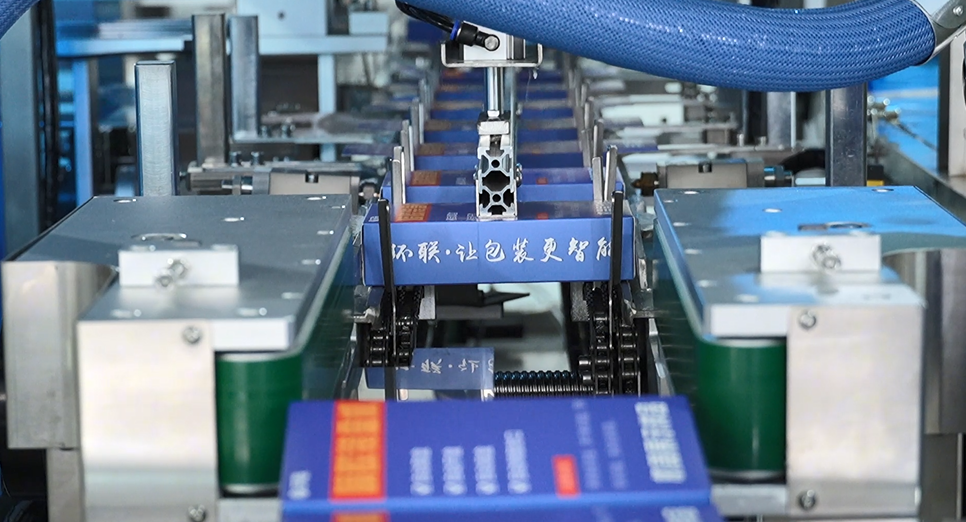
In practical terms, this usually starts with automated carton forming and cartoning.
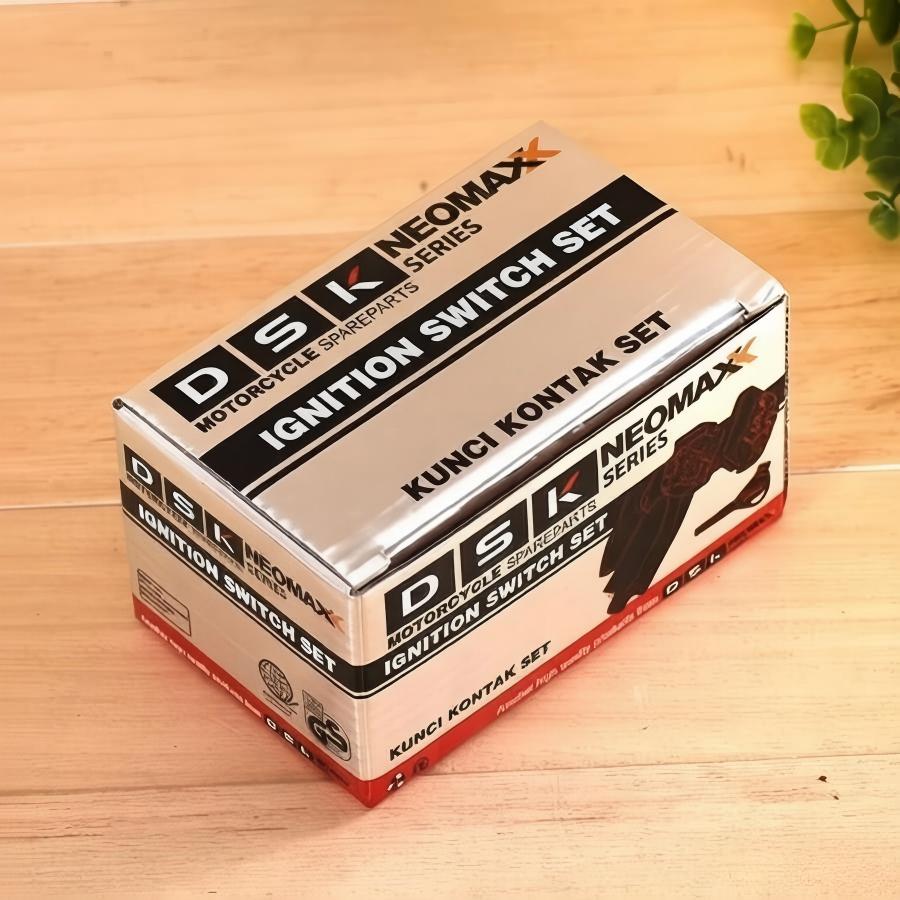
Cartoning machines stabilize the most error-prone step in secondary packaging: opening cartons, loading products, and closing boxes consistently.
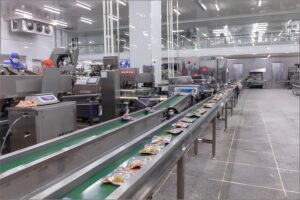
Why Manual Secondary Packaging Becomes a Long-Term Risk
Many factories delay automation because manual packaging “still works.”
But the damage shows up gradually:
-
Small folding inconsistencies cause cartoning jams
-
Miscounts lead to rework and rejected shipments
-
Labeling errors trigger compliance issues
-
Manual bagging creates inconsistent appearance
-
Labor shortages make output unpredictable
None of these failures look dramatic — but together, they erode profitability.
Factories often discover the problem only after:
-
Customer complaints increase
-
Audit pressure grows
-
Overtime becomes permanent
-
Management spends more time firefighting than improving
Compliance Still Matters — Even in Secondary Packaging
Even though secondary packaging does not touch food directly, it is still regulated.
In the U.S., food packaging operations must support hygienic handling, traceability, and contamination prevention under FDA rules. Equipment design, cleanability, and inspection integration all matter.
The FDA’s FSMA framework makes it clear that packaging processes are part of the food safety system, not an afterthought:
That’s why modern food packaging machinery for secondary packaging often integrates checkweighers, metal detectors, and labeling verification directly into the line.
Why Integrated Solutions Beat Isolated Machines
One of the biggest mistakes factories make is buying machines one by one.
A folding machine from one supplier
A cartoner from another
A labeling station added later
A bagging unit patched in
The result?
Poor synchronization, manual buffers, frequent stops, and constant adjustment.
An integrated secondary packaging solution — where folding, cartoning, inspection, labeling, and bagging are designed to work together — creates stability. Output becomes predictable. Changeovers become manageable. Labor pressure drops.
This is why more food factories are moving toward end-of-line automation, not individual upgrades.

Final Thought
Food packaging machinery is no longer just about packing products.
In secondary packaging, it’s about protecting margin, ensuring compliance, and surviving labor instability.
Factories that automate carton forming, cartoning, inspection, and bagging don’t just run faster — they run calmer. Fewer surprises. Fewer mistakes. Less dependency on people doing repetitive work under pressure.
If your food products are already sealed, then your biggest opportunity isn’t upstream.
It’s right here — in secondary packaging.
Ready to stop letting secondary packaging chaos eat into your food factory’s margins? UBL Packaging’s integrated end-of-line food packaging machinery solutions (covering carton forming, cartoning, inspection, and labeling) are built to handle your SKU changes, format shifts, and compliance needs — all while cutting labor reliance and stabilizing output. Tell us about your secondary packaging pain points (frequent carton size changes, labeling errors, or labor gaps) — our engineers will design a tailored system that turns your most chaotic line into your most predictable one.