When pet food and treat brands evaluate their packaging format, two options dominate the conversation: rigid cartons filled by a cartoning machine, or flexible premade pouches filled by a pouch filling system. The choice between cartoning vs pouch pet food packaging affects your brand positioning, production costs, shelf performance, and logistics—making it one of the most consequential decisions in your packaging strategy.
This comparison examines both formats across the factors that matter most to pet food manufacturers, from material costs to retail performance to operational flexibility.
Understanding the Two Formats
Cartoning (Rigid Carton Packaging)
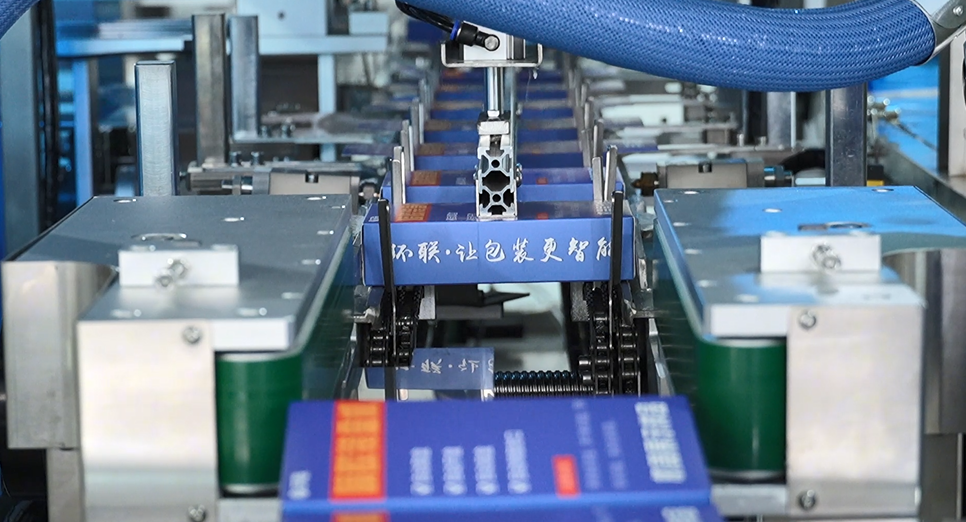
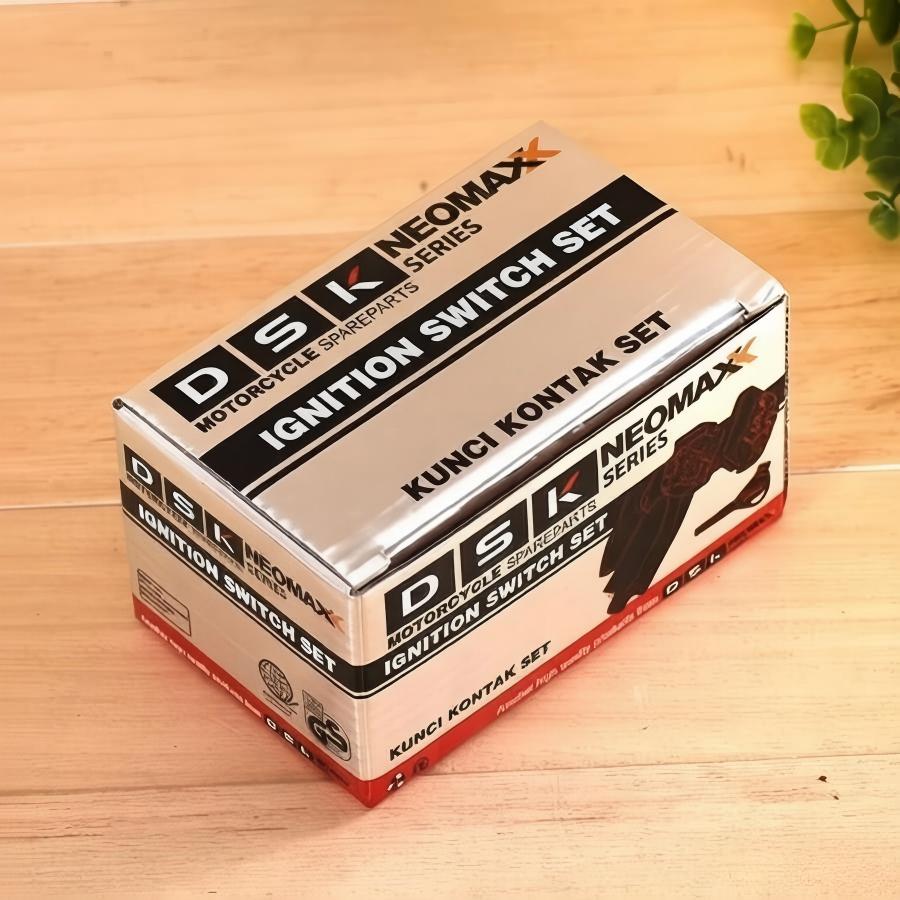
A cartoning machine erects flat carton blanks into rigid boxes, fills them with product, and seals the top flaps—either by tucking or applying hot-melt adhesive. The result is a rectangular carton with flat printable panels on all six sides. Cartons are typically made from paperboard or corrugated board and are recyclable in most markets.
Pet products commonly packaged in cartons include: freeze-dried treats, dry food portions, dental chews, supplements, grooming products, and toys.
Premade Pouch Packaging
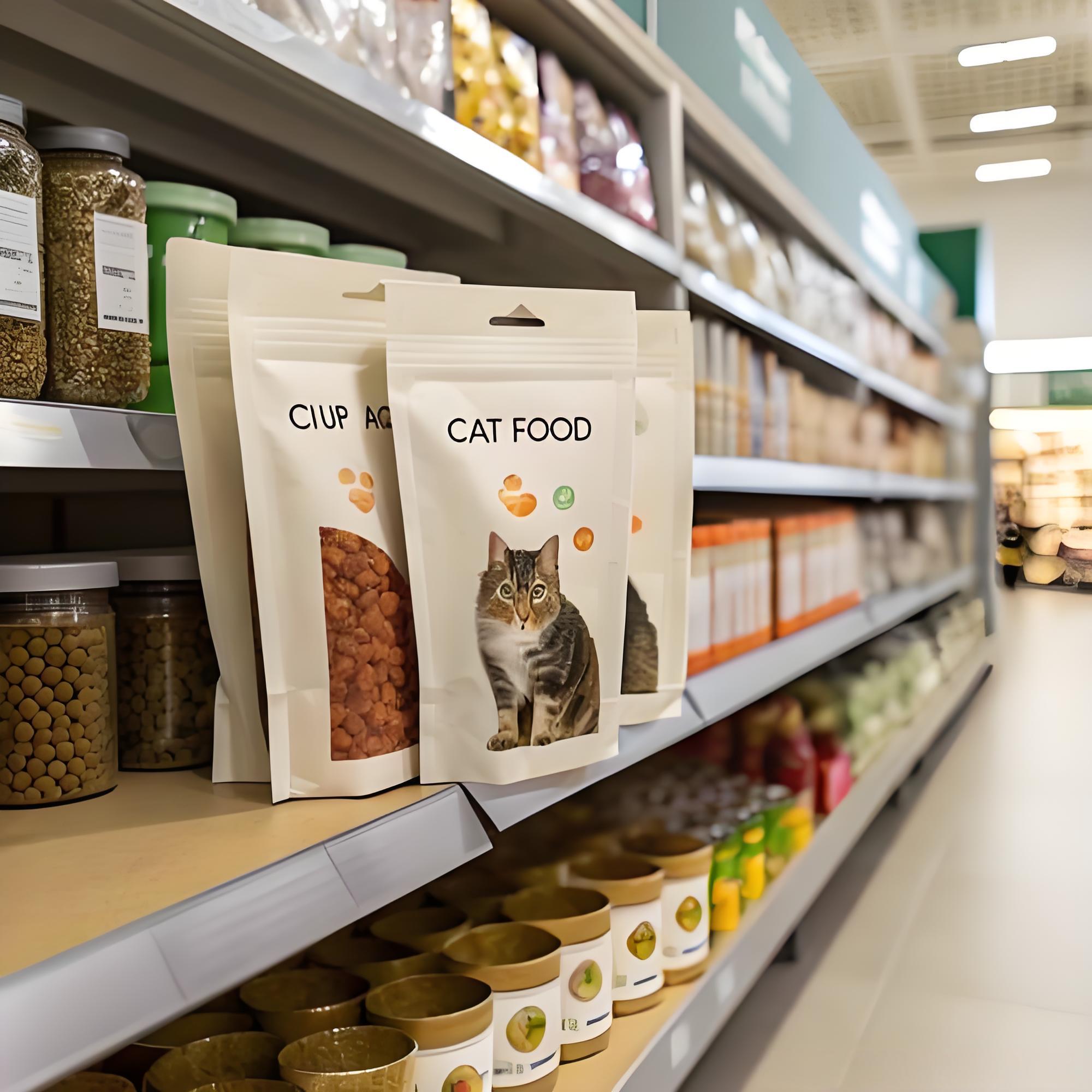
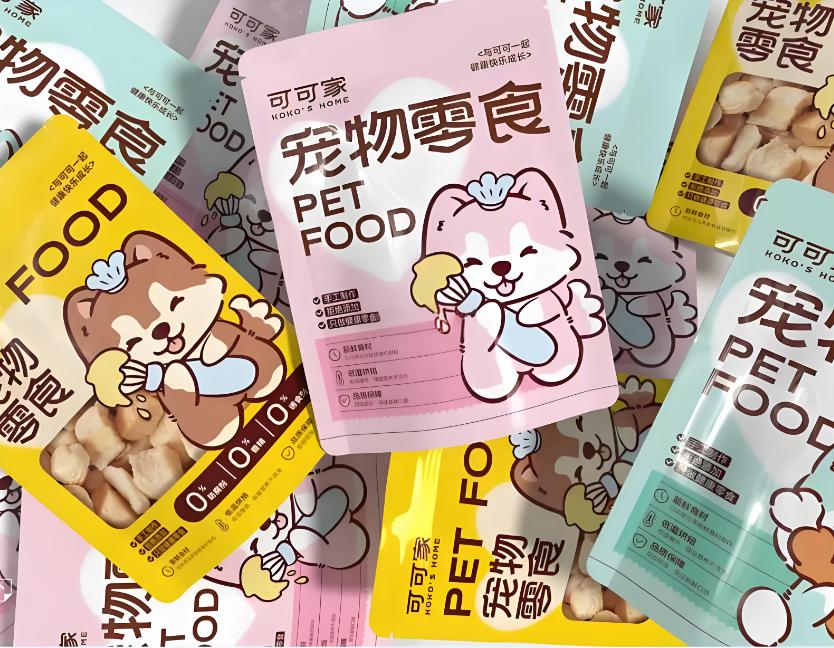
Premade pouches are pre-formed flexible bags—stand-up pouches (SUP), flat pouches, or quad-seal bags—that are filled and sealed on a pouch filling machine. The pouches are typically made from multi-layer flexible film (polyester, foil, polyethylene) and offer excellent barrier properties for moisture and oxygen-sensitive products.
Click to watch the pet food bagging and vacuum sealing demo
Pet products commonly packaged in pouches include: wet treats, soft chews, semi-moist food, single-serve portions, and liquid supplements.
Shelf Presence and Brand Impact
Cartons: Structured Brand Canvas
Rigid cartons offer six flat, printable panels—front, back, top, bottom, and two sides. This provides ample space for brand identity, product photography, ingredient lists, feeding guides, and certifications. Cartons stand upright on shelves without support, creating a consistent, professional retail presentation.
For premium pet brands, cartons signal quality and justify higher price points. The rigid structure conveys durability and care—associations that resonate with pet owners who treat their animals as family members. Specialty formats like window panels, embossing, and soft-touch lamination add further premium cues.
Pouches: Flexible and Visually Dynamic
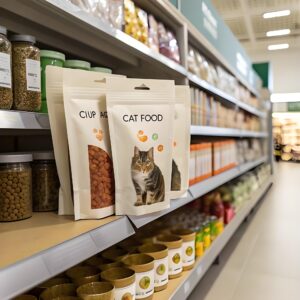
Stand-up pouches offer large front and back panels with excellent print quality on flexible film. The rounded, soft appearance of pouches appeals to natural and organic brand positioning—they feel approachable and contemporary. Zipper closures add consumer convenience and resealability.
However, pouches require retail fixtures (hooks or bins) to display effectively. Without a stand or hook, pouches slump and obscure branding. On crowded shelves, a pouch competes less effectively for eye-level attention than a carton that stands independently.
Edge: Cartons for structured retail; pouches for natural/organic brand positioning.
Product Protection
Physical Protection
Cartons: Rigid walls protect fragile products from crushing, impact, and compression. For freeze-dried treats—which are porous and brittle—carton protection is essential. Heavy products like dental bones or rope toys need rigid containment to prevent package deformation during transit.
Pouches: Flexible film offers minimal physical protection. Sharp-edged treats can puncture pouches. Dense products deform the package. Stacking weight crushes the contents. For physically robust products like kibble or soft chews, this matters less; for fragile or sharp products, it’s a real problem.
Barrier Properties
Cartons: Standard paperboard cartons provide limited moisture and oxygen barriers. For shelf-stable treats, this is often acceptable. For highly moisture-sensitive products, cartons can be lined or combined with inner bags—but this adds cost and complexity.
Pouches: Multi-layer flexible films provide excellent moisture and oxygen barriers, critical for products like wet treats, semi-moist chews, and raw freeze-dried food where freshness is paramount. Foil-laminate pouches achieve near-zero oxygen transmission rates that paperboard cannot match.
Edge: Pouches for moisture/oxygen barrier; cartons for physical protection of fragile products.
Consumer Experience
Opening and Resealing
Cartons: Tuck-end cartons open cleanly but don’t reseal well—consumers often fold the flap back or use a clip. Glue-seal cartons require tearing and can’t be resealed at all. For single-use products or products consumed quickly, this isn’t a problem. For products used over multiple sessions, it’s a friction point.
Pouches: Zipper-closure stand-up pouches reseal easily and intuitively. Consumers appreciate the convenience, and resealability is now an expectation in categories like pet treats where partial use is common. This is a genuine consumer experience advantage for pouches.
Portability and Storage
Cartons: Rigid cartons stack neatly in pantries and take up predictable space. They hold their shape even when partially empty. Easy to grab, carry, and store.
Pouches: Pouches compress as product is used, taking up less space over time. But empty or near-empty pouches become floppy and awkward. For pet owners with limited storage, this can be an annoyance.
Edge: Pouches for resealability; cartons for pantry storage and stack ability.
Production Cost Comparison
Packaging Material Cost
Material costs vary by size, print complexity, and order volume, but general benchmarks:
| Format | Typical Material Cost | Notes |
|---|---|---|
| Folding carton (paperboard) | $0.08–$0.20 each | Varies by board weight and print |
| Stand-up pouch (3-layer) | $0.12–$0.30 each | Higher for foil laminate or zipper |
| Stand-up pouch (foil, zipper) | $0.25–$0.55 each | Premium moisture barrier formats |
At high volumes, cartons are typically cheaper per unit. At lower volumes, setup charges for carton printing (plates, tooling) can make pouches more economical for short runs.
Equipment Cost
Cartoning machines for pet food: $80,000–$200,000 for fully automatic systems. Semi-automatic options from $35,000–$80,000.
Premade pouch filling machines: $60,000–$180,000 for standard stand-up pouch lines. More sophisticated systems with zipper application and gas flushing reach $200,000+.
Equipment costs are broadly comparable between the two formats at equivalent automation levels.
Secondary Packaging
Rigid cartons typically don’t need secondary packaging for distribution—they ship as primary packaging in corrugated cases. Pouches often require trays or corrugated inserts to maintain shape during transit, adding $0.05–$0.20 per unit in secondary packaging cost.
Logistics and Warehouse Efficiency
Stackability
Cartons stack uniformly on pallets, maximizing pallet density and warehouse racking efficiency. Pouches, even in cases, don’t stack as efficiently and can shift during transit, requiring more careful handling.
Shipping Density
For light products (treats, supplements), flexible pouches can compress to higher fill densities than rigid cartons—potentially reducing shipping volume. For heavy products (dense food portions), both formats are roughly equivalent.
Retail Distribution Requirements
Major pet retail chains typically prefer cartons for shelf-stable products due to their shelf-ready presentation and predictable dimensions for planogram compliance. Pouches are preferred in natural/specialty retail and direct-to-consumer channels where the flexible format aligns with brand positioning.
Sustainability Considerations
Environmental credentials matter increasingly in pet food purchasing decisions. Pet owners who prioritize sustainability for themselves apply the same lens to their pets’ products.
Cartons
Paperboard cartons are widely recyclable and made from a renewable resource. Recycling rates for paperboard packaging exceed 70% in most developed markets. Cartons score well on consumer perception of sustainability, particularly when made from certified sustainable fiber (FSC).
Pouches
Multi-layer flexible films are technically recyclable but practically difficult—most curbside programs don’t accept them, and consumer recycling rates for flexible packaging are low. The sustainability perception gap between cartons and pouches is a real factor for eco-positioned pet brands.
According to Packaging Gateway’s pet food packaging trends report, 64% of pet food brand managers cited recyclability as a top three packaging consideration in 2024—a trend that favors cartons in sustainability-conscious market segments.
Edge: Cartons on sustainability perception and recyclability.
Which Format Is Right for Your Pet Food Brand?
Choose Cartoning If:
- Your product is fragile (freeze-dried, brittle treats, supplements)
- You sell through mainstream retail channels with planogram requirements
- Sustainability messaging is important to your brand
- You want maximum branding surface area and premium shelf presence
- Your product doesn’t require high moisture or oxygen barriers
- You ship through standard distribution with stacking requirements
Choose Pouches If:
- Your product requires high moisture or oxygen barrier (wet treats, semi-moist food)
- Resealability is a key consumer expectation for your category
- Your brand positioning is natural, organic, or contemporary
- You sell primarily DTC or through specialty/natural retail
- Your product is soft, pliable, or wouldn’t benefit from rigid containment
Consider Both
Some pet brands use both formats across their product range—cartons for dry treats and supplements, pouches for wet or semi-moist products. This approach matches format to product requirements rather than standardizing on one format across incompatible products.

Evaluating the Right Format for Your Operation
The cartoning vs pouch pet food decision isn’t purely technical—it involves your brand strategy, target retail channels, consumer expectations, and growth roadmap. UBL’s team has helped pet food and treat manufacturers evaluate this decision and implement the right packaging solution for their specific context.
Whether you’re launching a new pet brand, re-evaluating your current packaging, or expanding into new channels, we can help you compare the options with real numbers relevant to your volumes and products. Explore our pet food cartoning solutions or full range of packaging equipment to get started.