Hardware manufacturers choosing packaging equipment face a fundamental decision: cartoning vs flow wrapper. Both technologies seal products in protective packaging, but they differ dramatically in protection level, branding capability, and cost structure.
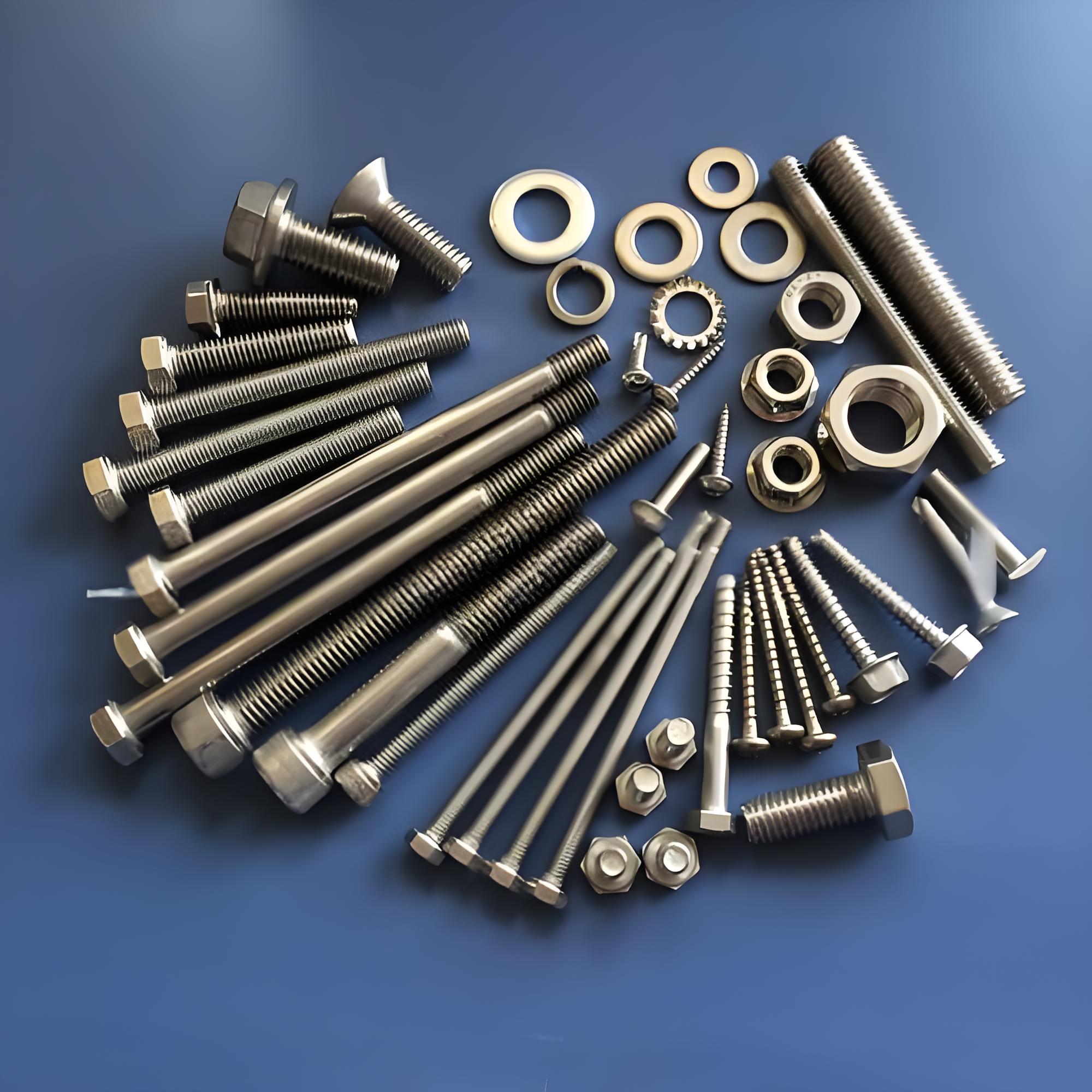
This comparison examines how each technology performs for hardware products—screws, bolts, nuts, and fasteners—helping you select the right solution for your specific requirements.
How Each Technology Works
Cartoning Machines
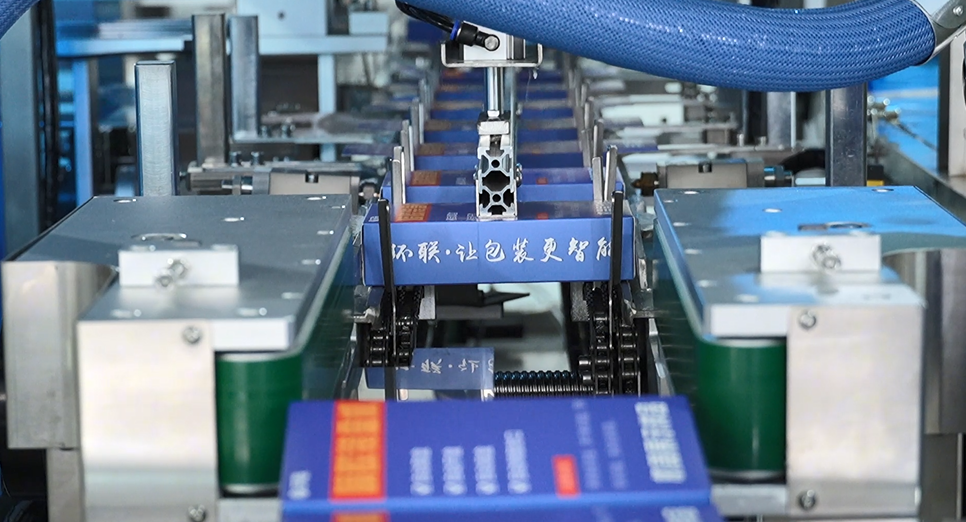
Cartoning machines erect carton blanks from a magazine, insert product (automatically), and close the carton using tuck ends, glue, or tape. The result is a rigid, stackable carton that protects contents and provides ample surface area for branding and product information.
For hardware, cartoning typically involves:
- Forming corrugated or paperboard cartons
- Inserting pre-counted fasteners via automated counting equipment
- Closing with tuck-end or glue-seal mechanisms
- Applying labels with product specifications and barcodes

Flow Wrappers
Flow wrapping machines form a continuous roll of film into a pouch around the product, sealing the edges with heat. The result is a flexible package that conforms to product shape. Flow wrapping is common for food, consumer goods, and some hardware items.
For hardware, flow wrapping typically involves:
- Feeding product into the film web
- Forming a tube around the product
- Heat-sealing the longitudinal seam
- Cutting and sealing individual packages
Protection Comparison
Physical Protection
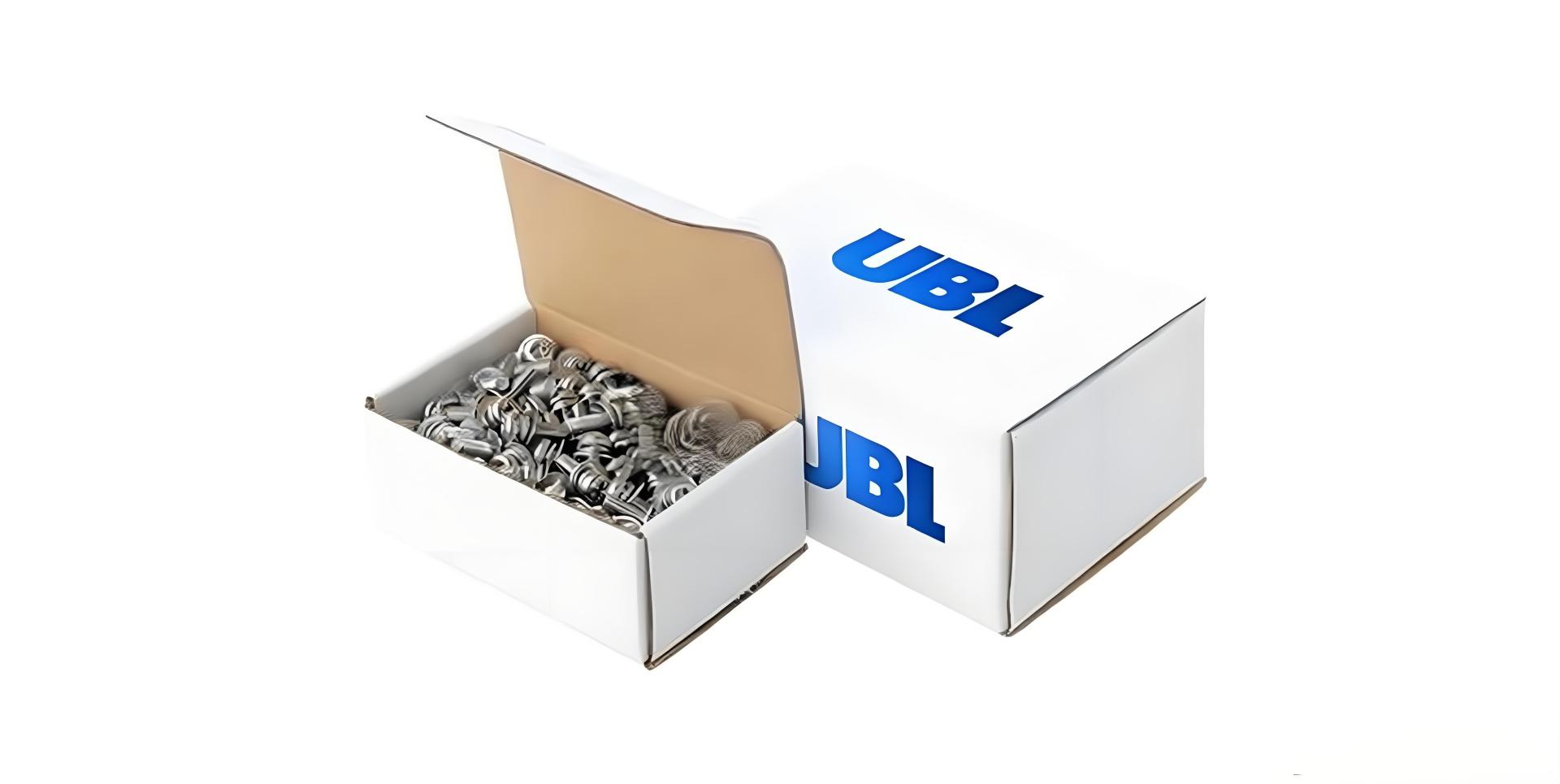
Cartoning: Rigid cartons provide excellent protection against crushing, impact, and compression. Hardware products in cartons survive warehouse stacking, transportation vibration, and rough handling. For heavy fasteners (M10+ bolts, anchor sets), cartons prevent product damage and package failure.
Flow Wrapping: Flexible film offers minimal structural protection. Heavy hardware can distort the package or puncture the film. Flow wrapping suits lightweight, non-abrasive items but struggles with dense metal fasteners.
Winner for Hardware: Cartoning—rigid protection is essential for metal fasteners.
Environmental Protection
Cartoning: Standard cartons provide limited moisture and dust protection. For corrosion-sensitive hardware, cartons can be enclosed in polyethylene bags or use moisture-resistant coatings. The rigid structure prevents crushing that could compromise protective measures.
Flow Wrapping: Film provides good dust and moisture barriers when properly sealed. However, sharp hardware edges can puncture film, compromising protection. Multiple layers or thicker films add cost.
Winner for Hardware: Depends on application—cartoning for heavy items, flow wrapping for lightweight corrosion-resistant items.
Stacking and Storage
Cartoning: Rigid cartons stack efficiently in warehouse racking and on pallets. Standard carton dimensions optimize pallet utilization and shipping density.
Flow Wrapping: Flexible packages don’t stack well without support. They require secondary packaging (corrugated trays or cartons) for warehouse storage and shipping, adding cost and complexity.
Winner for Hardware: Cartoning—essential for warehouse efficiency.
Branding and Marketing
Print Quality and Area
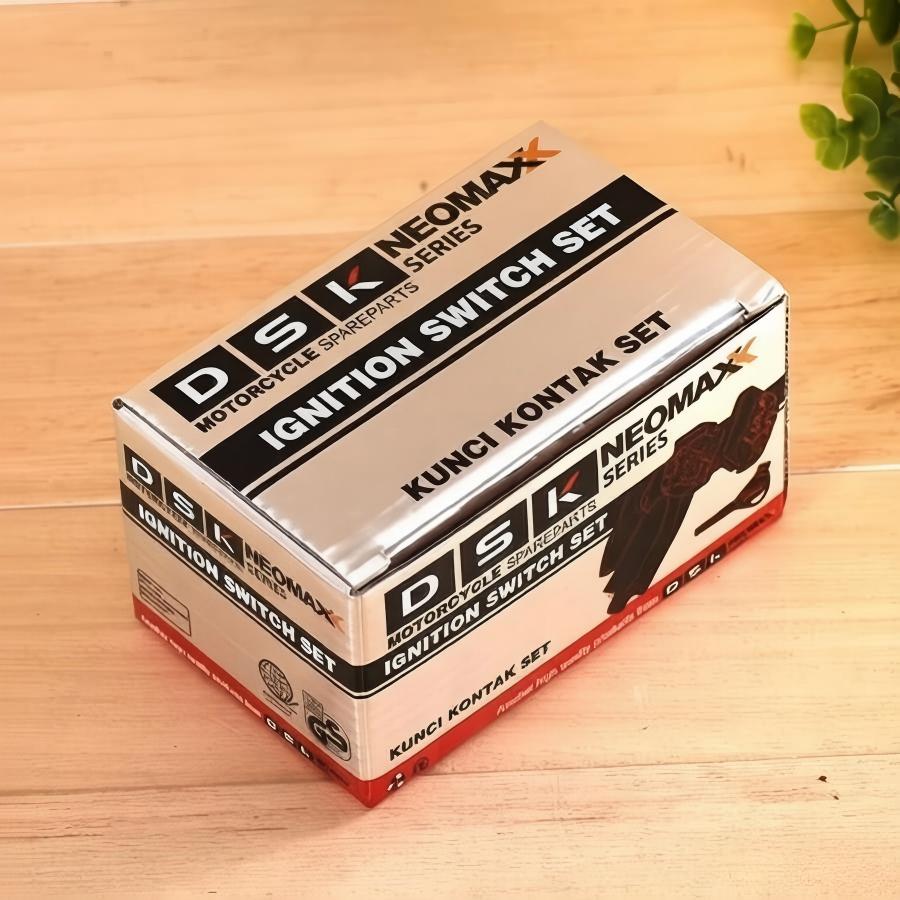
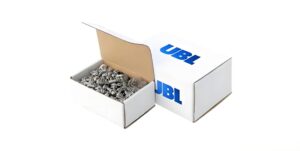
Cartoning: Cartons offer large, flat surfaces ideal for high-quality printing. Brand logos, product images, specifications, and marketing messages display clearly. Pre-printed carton blanks or post-cartoning labeling both work well.
Flow Wrapping: Film printing is possible but typically lower resolution than carton printing. Curved package surfaces distort graphics. Print area is limited compared to cartons.
Winner for Hardware: Cartoning—superior branding for retail environments.
Retail Presentation
Cartoning: Cartons stand upright on retail shelves, display products attractively, and provide space for hang tabs or display features. Professional appearance supports premium pricing.
Flow Wrapping: Flexible packages lay flat or require display aids. Less impressive presentation may impact perceived value, particularly for professional-grade hardware.
Winner for Hardware: Cartoning—better retail impact.

Speed and Throughput
Production Speed
Cartoning: Hardware cartoning machines typically run 2,000–4,800 cartons/hour. Speed depends on product size, carton complexity, and integration with counting equipment. Changeover between SKUs takes 10–15 minutes with modern servo-driven systems.
Flow Wrapping: Flow wrappers can achieve higher speeds—200–400 packages/minute (12,000–24,000/hour) for small, lightweight items. However, hardware products often run slower due to weight and feeding challenges.
Winner for Hardware: Flow wrapping for very high volumes of small items; cartoning for typical hardware ranges.
Integration with Counting
Cartoning: Cartoning machines integrate naturally with counting and weighing equipment. The discrete carton cycle matches counting station output. Buffer zones smooth production flow.
Flow Wrapping: Continuous motion flow wrapping requires different feeding mechanisms. Counting integration is more complex and may limit overall speed.
Winner for Hardware: Cartoning—better integration with hardware counting systems.
Cost Analysis
Equipment Cost
Cartoning: Hardware cartoning systems range from $80,000–$250,000 depending on speed, features, and integration complexity.
Flow Wrapping: Flow wrappers range from $50,000–$200,000. Lower-cost options exist for simple applications.
Winner: Flow wrapping—lower initial investment.
Packaging Material Cost
Cartoning: Carton blanks cost $0.08–$0.25 each depending on size and board quality. Labels add $0.02–$0.05.
Flow Wrapping: Film costs $0.03–$0.08 per package depending on film type and thickness. No separate label needed if printing directly on film.
Winner: Flow wrapping—lower material cost per package.
Secondary Packaging
Cartoning: Rigid cartons ship as primary packaging—no secondary packaging required for most distribution.
Flow Wrapping: Flexible packages typically require cartons or trays for shipping, adding $0.10–$0.30 per unit.
Winner for Hardware: Cartoning—avoids secondary packaging cost.
Total Cost of Ownership
When including secondary packaging, damage rates, and warehouse efficiency, cartoning typically offers lower total cost for hardware despite higher initial investment. According to Packaging World’s packaging machinery analysis, hardware manufacturers switching from flow wrapping to cartoning report 18–22% total packaging cost reductions after accounting for secondary packaging elimination.
Application Suitability
When to Choose Cartoning
Cartoning is the better choice when:
- Products are heavy or dense (M8+ bolts, anchor sets)
- Retail presentation matters (consumer-facing products)
- Warehouse stacking and palletization are required
- Products need rigid protection during shipping
- Multiple SKUs require frequent changeovers
- Integration with counting/weighing equipment is needed
- Branding and product information space is important
When to Choose Flow Wrapping
Flow wrapping may be appropriate when:
- Products are lightweight and small (M3–M5 screws, small nuts)
- Extremely high volumes justify the speed advantage
- Products are corrosion-resistant (stainless steel, coated)
- Cost minimization is the primary driver
- Secondary packaging is acceptable
- Products ship directly to industrial users (not retail)
Hybrid Approaches
Primary Flow Wrap, Secondary Carton
Lightweight hardware is flow-wrapped into small pouches, then packed into cartons for shipping. This combines film’s cost advantage with carton’s protection for distribution.
Product Line Segmentation
Retail products use cartoning for presentation; bulk industrial products use flow wrapping for cost. Different packaging lines serve different market segments.
Decision Framework
Use this framework to decide between cartoning vs flow wrapper for your hardware:
| Factor | Choose Cartoning If… | Choose Flow Wrapping If… |
|---|---|---|
| Product weight | >100g per package | <50g per package |
| Distribution channel | Retail or mixed | Industrial direct |
| Volume (units/day) | 1,000–10,000 | >20,000 |
| SKU variety | High (10+ SKUs) | Low (1–3 SKUs) |
| Branding priority | High | Low |
| Warehouse storage | Long-term, stacked | Short-term, direct ship |
Conclusion: Cartoning for Most Hardware
For most hardware packaging applications, cartoning is the superior choice. The rigid protection, retail presentation, warehouse efficiency, and integration capabilities outweigh the higher initial cost. Flow wrapping suits specific niches—very high volumes of small, lightweight items—but cartoning handles the broad range of hardware products more effectively.
The cartoning vs flow wrapper decision ultimately depends on your specific products, volumes, and market requirements. UBL’s engineering team can assess your operation and recommend the appropriate technology.
Contact UBL Packaging to discuss your hardware packaging needs and explore cartoning solutions designed for fastener and hardware applications.