Cartoning Machine Bottlenecks Are Holding Back E-commerce Chocolate Fulfillment
Cartoning machine efficiency has quietly become one of the biggest constraints in e-commerce fulfillment for chocolate and snack bar factories.
If you’re selling through Amazon, DTC websites, or subscription box channels, chances are your production line isn’t the problem anymore.
Your fulfillment speed is.
Orders no longer arrive in neat, predictable batches.
They arrive constantly—small quantities, mixed SKUs, and tight shipping cut-off times. And that reality puts enormous pressure on secondary packaging, especially manual cartoning.
Why E-commerce Orders Break Traditional Packaging Logic
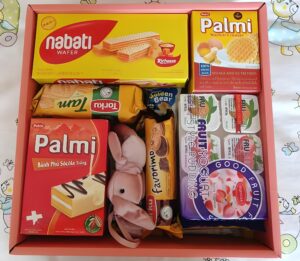
For chocolate and bar manufacturers, e-commerce fulfillment introduces a completely different operating rhythm:
-
Multiple SKUs running at the same time
-
Frequent box count changes
-
Short production windows
-
High accuracy expectations
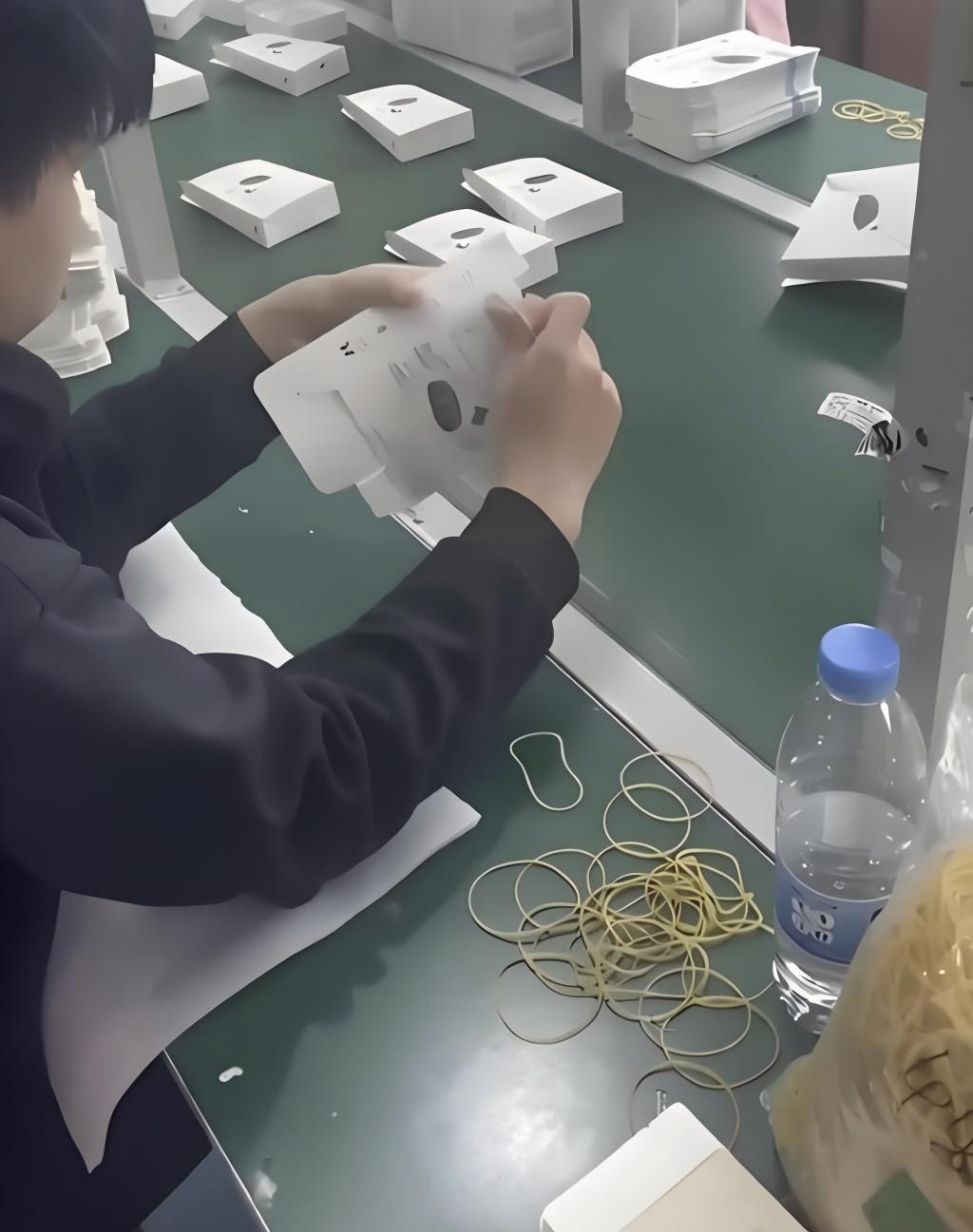
While primary production often remains stable, manual cartoning turns chaotic fast. Operators are forced to switch between flavors, box formats, and order types all day long. The result? Slower output and rising error rates.
According to publicly available logistics data from McKinsey, fulfillment inefficiencies can increase per-order handling costs by over 30% in high-SKU environments, especially when automation is limited .
Where Manual Cartoning Starts to Fall Apart
Manual cartoning struggles in e-commerce environments for three main reasons.
1. SKU switching never stops
Every switch increases cognitive load. Workers hesitate, double-check, and slow down—especially when box counts and order formats change frequently.
2. Speed matters more than volume
E-commerce success is measured in:
-
Orders per hour
-
Same-day shipping eligibility
-
Cut-off compliance
Manual cartoning can’t maintain a consistent rhythm when volume is fragmented.
3. Labor costs rise without scaling output
Adding more people doesn’t solve the problem. Training cycles repeat, mistakes increase, and productivity stays uneven. Labor costs go up—but fulfillment capacity doesn’t scale with it.
When Cartoning Delays Become a Revenue Problem
When cartoning can’t keep up, the impact goes far beyond the factory floor:
-
Missed shipping cut-off times
-
Lower platform performance scores
-
Declining seller ratings
-
Reduced repeat purchase rates
In e-commerce, slow fulfillment directly affects visibility and revenue. This isn’t just an operational issue—it’s a brand problem.
Why This Isn’t a Staffing Issue
Most factories respond by hiring temporary labor, adding shifts, or increasing supervision. These moves help briefly, but they don’t fix the core issue.
Manual cartoning simply doesn’t scale in high-SKU, low-batch environments.
As long as every movement depends on human handling, speed and accuracy will fluctuate.
How a Cartoning Machine Stabilizes E-commerce Packaging
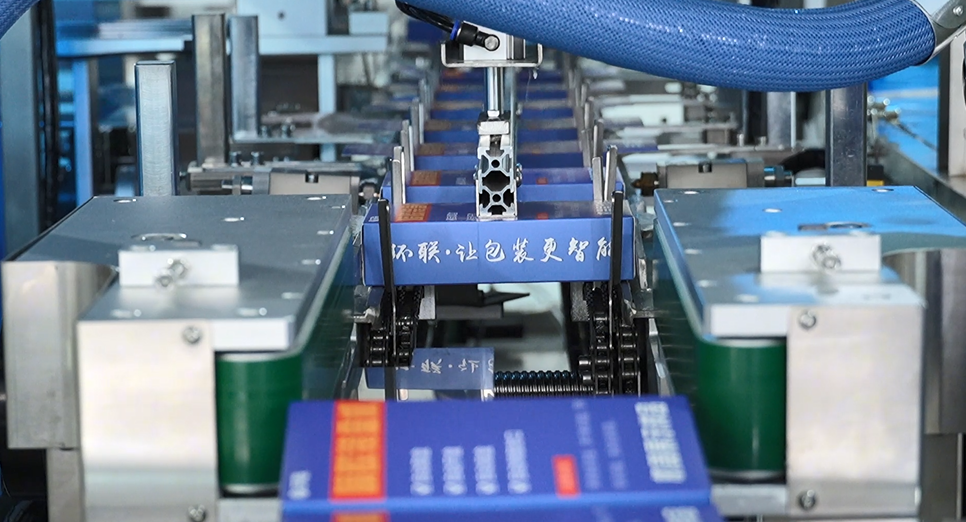
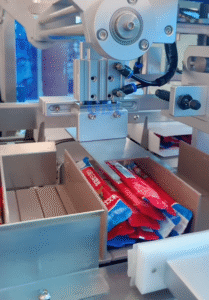
This is where an automated cartoning machine fits naturally into e-commerce packaging operations.
We’re talking about secondary packaging—cartoning after individual packs, with no direct food contact. That makes it the safest and most effective place to reduce manual labor.
With a dedicated cartoning machine:
-
SKU handling becomes structured
-
Box logic is fixed and repeatable
-
Product flow is controlled
-
Switching confusion is minimized
Packing speed becomes predictable. Output per hour stabilizes. Fulfillment planning becomes easier.
Labor pressure drops. Fewer packers are required, training cycles shorten, and error risks fall dramatically.
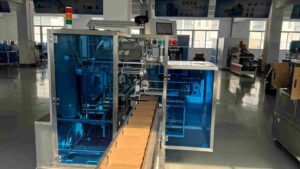
If you’re evaluating automation options, a modern cartoning machine can be configured specifically for chocolate bars, snack bars, and mixed-SKU e-commerce orders.
A Question Worth Asking
If your online orders keep growing—and SKU complexity keeps increasing—how long can manual cartoning realistically support your fulfillment targets?
For many chocolate and bar factories, reducing manual cartoning isn’t about losing flexibility. It’s about protecting fulfillment stability as e-commerce demand accelerates.
Ready to Improve Your Fulfillment Speed?
If you’re facing fulfillment bottlenecks, now is the time to rethink your secondary packaging strategy.
Contact us today.
We will reach out within 24 hours, review your requirements, and connect you directly with our engineers—so they can design a cartoning solution tailored to your production line, at the fastest possible speed.
Your fulfillment growth shouldn’t be limited by manual cartoning.