“Paper Needs a Bag?” Yes—And Here’s Why
Most people still think paper is simple.
You print it.
You stack it.
You put it in a box. Done.
But walk into a modern archive center, a legal document facility, or a high-end bid submission room, and you’ll see a very different reality. Today, paper documents are expected to be water-resistant, moisture-proof, and tamper-evident before they ever leave the building.
That’s where individual bagging comes in.
Now picture the old-school way of doing it:
A room full of people manually opening plastic bags, sliding papers inside, trying to seal them straight—some bags crooked, some half-sealed, some wrinkled. The pace is slow, the quality uneven, and stress levels sky-high.
So here’s the real question:
Why do leading document processing centers no longer rely on this “human wave” approach?
The Hidden Cost of Manual Bagging
At first glance, manual bagging feels cheap. No machines. No investment. Just labor.
But that “cheap” choice quietly eats into profits every single day.
Labor Cost Pressure
Packaging jobs are harder to fill and harder to keep. Wages keep rising, but human speed has a hard ceiling. Even a skilled worker can only bag so many documents per minute—no matter how motivated they are.
According to data from the U.S. Bureau of Labor Statistics, labor costs in administrative and support roles continue to trend upward year over year .
Quality Risks
Manual sealing often means:
-
Inconsistent seal strength
-
Wrinkles and air pockets
-
Higher risk of moisture damage during transport
For sensitive files, one bad seal can mean a serious client complaint—or worse.
Management Bottlenecks
During peak seasons—year-end archiving, audits, or large-scale scanning projects—overtime still isn’t enough. Orders pile up, deadlines slip, and clients start looking elsewhere.
You think you’re saving money by skipping automation.
In reality, you’re paying a daily “inefficiency tax.”
The Automatic Bagging Machine Advantage
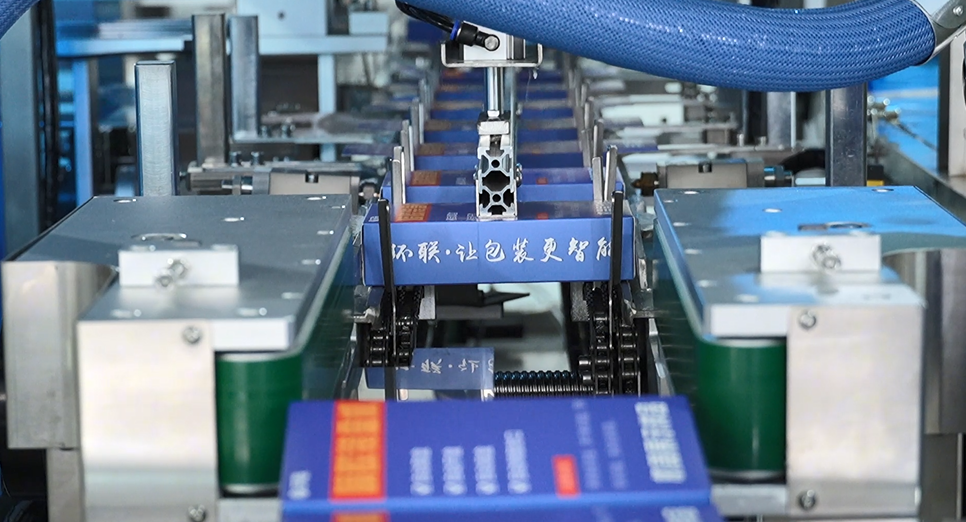
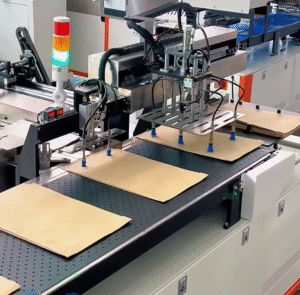
This is where an Automatic Bagging Machine changes the game.
Instead of fragmented manual steps, everything flows as one smooth, controlled process:
Auto bag pickup → automatic opening → precise document insertion → clean, consistent sealing
Why This System Works So Well
Fast Size Switching
Handles A4, A3, and multiple document formats. Switching sizes takes about a minute—no complex retooling.
Seal Quality That Looks Premium
Constant-temperature sealing creates flat, mirror-smooth edges. Every package looks professional and intentional.
Zero Document Damage
A soft-push feeding system ensures no bent corners, no curled edges, no tears—critical for official or legal files.
And the best part?
A simple touchscreen interface means most operators are fully trained in under five minutes.
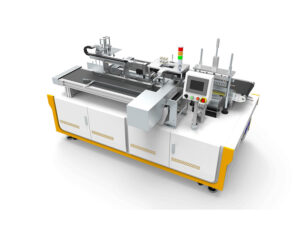
Evidence & Real-World Scenarios
Let’s put numbers on it.
Efficiency Comparison
| Method | Output per Minute | Consistency | Labor Dependency |
|---|---|---|---|
| Manual Bagging | 2–3 documents | Low | High |
| Automatic Bagging Machine | 10–15 documents | Extremely High | Low |
Bottom line:
One machine replaces 3–4 experienced workers—without fatigue or quality drift.
Real Scenario
A large document scanning and archiving center introduced automated bagging for final packaging.
-
Packaging team reduced from 10 people to 2
-
Packaging pass rate increased from 95% to 99.9%
-
Peak-season delays completely eliminated
ROI Snapshot
Based on average local labor costs, the equipment investment was fully recovered in 6–8 months—pure savings afterward.
Don’t Wait for the Next Peak to Hurt
If you’re handling documents that matter—contracts, archives, bids, confidential files—packaging speed and consistency are no longer optional.
Want to know if your documents are suitable for automatic bagging?
We offer a free sample testing service. Send us your files, and we’ll show you exactly how they perform on an automatic bagging machine.
Busy season is coming—automation favors the prepared.
👉 Contact us today. We’ll get back to you within 24 hours, connect you with our engineers, and design a packaging solution that fits your workflow—fast.