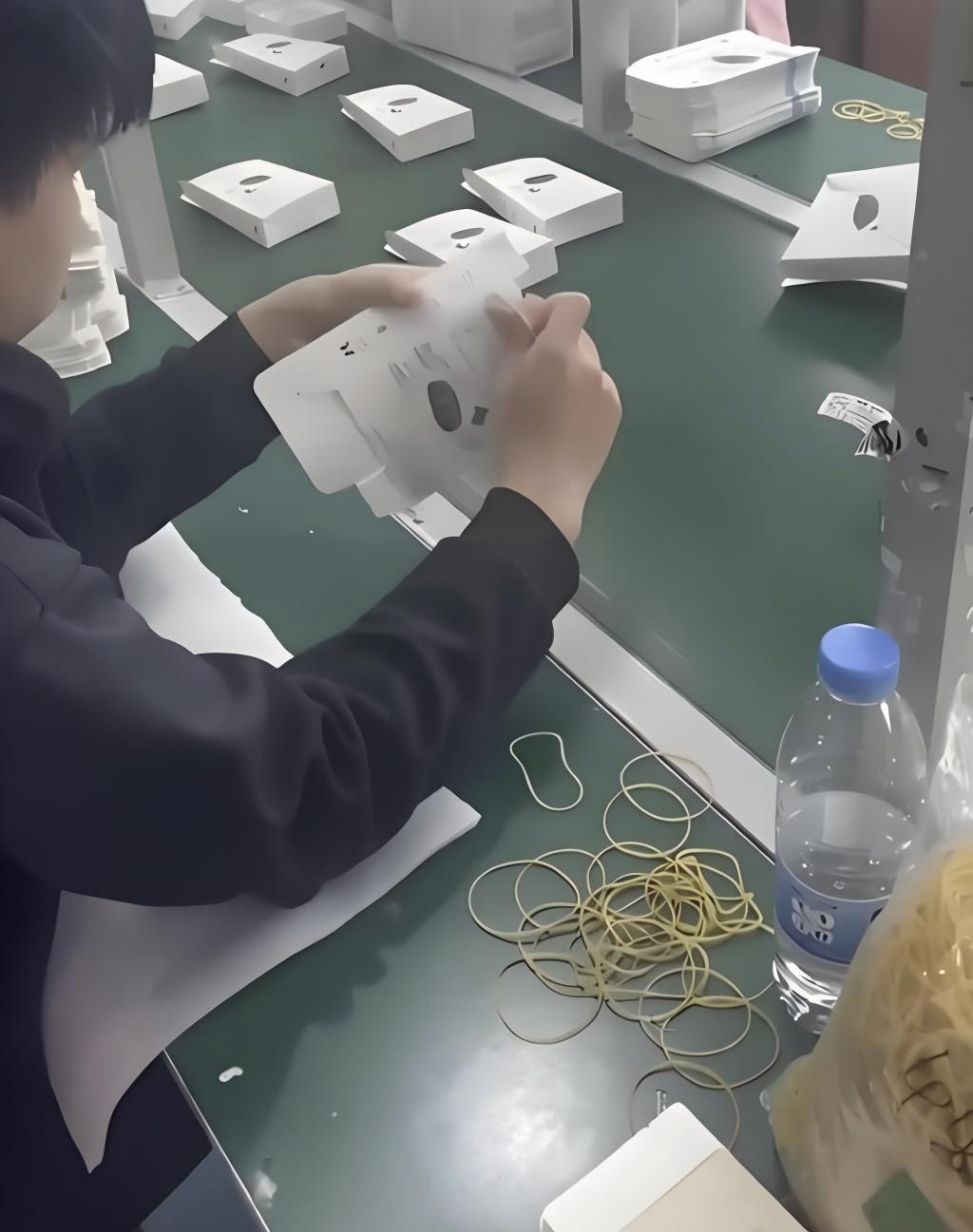
Automated rotary pouch packing systems are quickly becoming the go-to solution for personal care manufacturers struggling with labor shortages and rising packaging costs.
In today’s market, demand for personal care products is strong and steady—but finding reliable packaging labor is not. That gap is exactly where automated rotary pouch packing systems deliver real value.
The Labor Problem No One Can Ignore
Across the U.S. and Europe, manufacturers face the same issue:
-
Fewer workers willing to do repetitive packaging jobs
-
Higher wages but limited productivity gains
-
Manual pouch feeding that slows the entire line
In personal care packaging, manual pouch packing is the weakest link. Even if filling and capping are automated, hand-feeding premade pouches creates a hard ceiling on output.
According to data from the U.S. Bureau of Labor Statistics, manufacturing labor costs have increased by over 20% in the last five years, while labor availability continues to shrink.
Why Automated Rotary Pouch Packing Systems Work Better
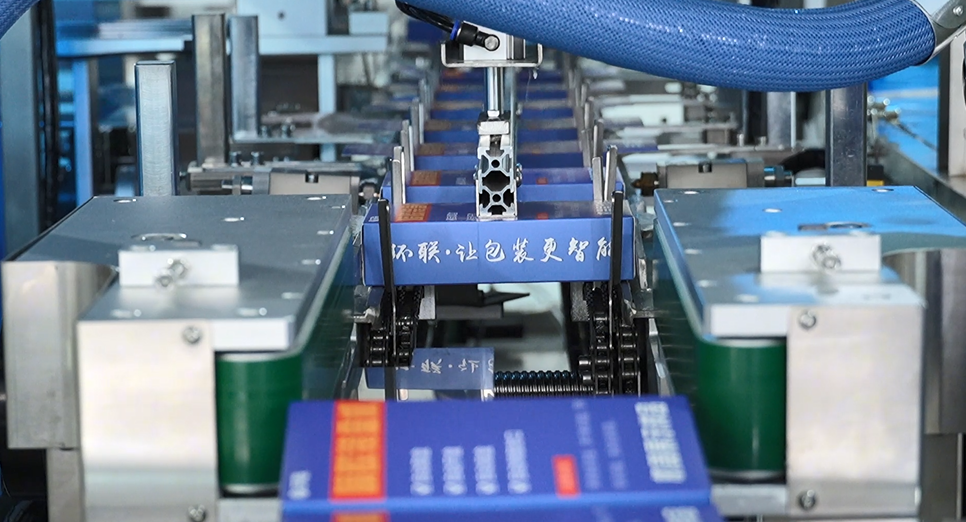
Automated rotary pouch packing systems remove human dependency from the most unstable step of packaging.
Instead of operators opening and holding pouches manually, the machine:
-
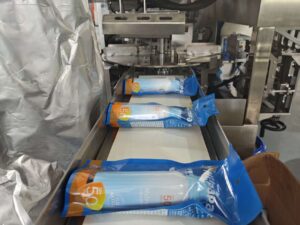
Picks up premade pouches automatically
-
Opens them consistently
-
Inserts bottles with precision
-
Seals each pouch with uniform pressure
For personal care products like shampoo, lotion, or liquid soap, this creates a stable, repeatable packaging flow.
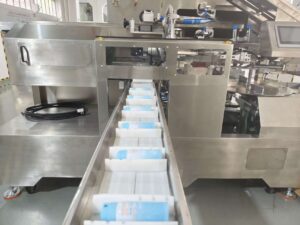
Designed for Retail: Premade Pouches with Hang Holes
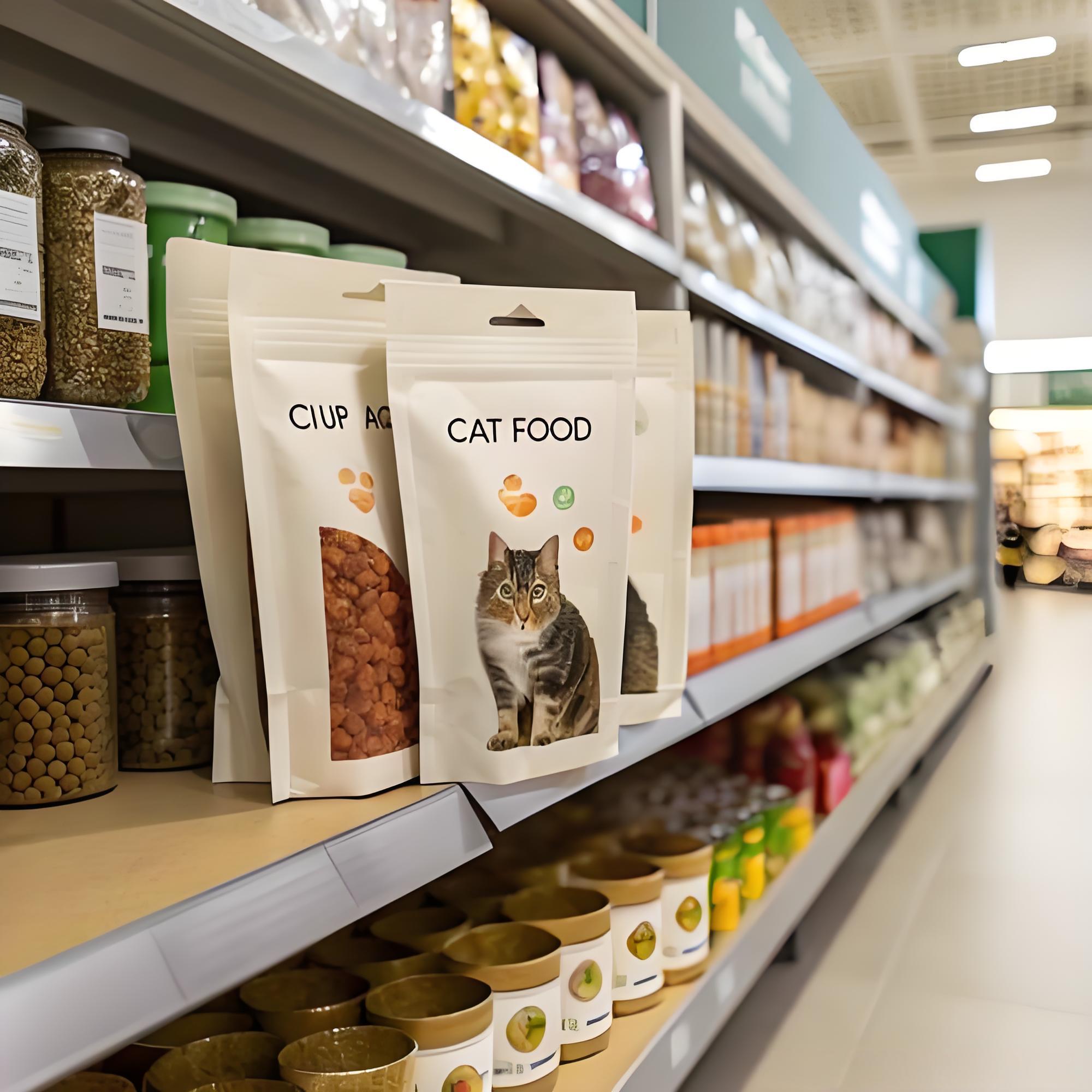
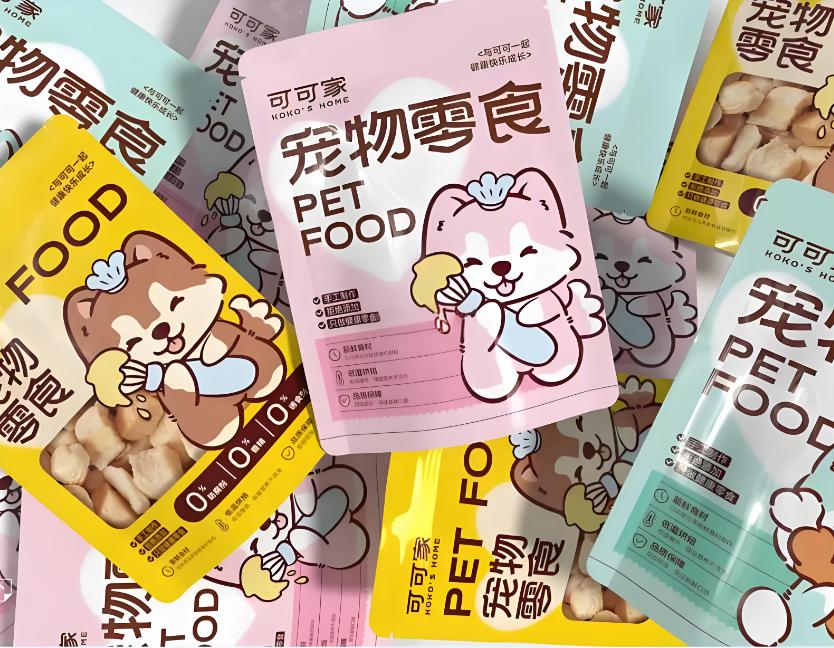
Modern automated rotary pouch packing systems support premade pouches with hang holes, which are widely used in retail personal care packaging.
This matters because:
-
Hang-hole pouches reduce shelf space usage
-
They improve product visibility
-
They eliminate secondary repacking steps
With automated handling, pouch alignment stays consistent—something manual labor struggles to maintain during long shifts.
Output & Cost Comparison: Manual vs Automated
| Packaging Method | Speed (bottles/min) | Labor Needed | Output Stability |
|---|---|---|---|
| Manual pouch packing | 8–12 | 4–6 workers | Low |
| Automated rotary pouch packing system | 30–45 | 1–2 workers | High |
One automated rotary pouch packing system can replace 3–4 skilled operators, while running continuously with minimal downtime.
When Automation Pays Back
Most personal care manufacturers see ROI within 6–12 months, driven by:
-
Reduced labor costs
-
Higher daily output
-
Fewer packaging errors
-
Stable production during peak seasons
Automation isn’t just about speed—it’s about protecting delivery commitments when labor availability becomes unpredictable.

Final Thought: Automation Is the New Baseline
In personal care manufacturing, automated rotary pouch packing systems are no longer a “nice-to-have.”
They are becoming the baseline for companies that want to scale without adding risk.
If manual pouch packing is limiting your growth, automation isn’t a future plan—it’s the next logical step.
👉 Contact us now. We’ll get back to you within 24 hours, connect you directly with our engineers, and design a packaging solution that fits your product, pouch, and production goals—fast.