
As the US Labor Shortage continues to squeeze manufacturers and fulfillment centers, more companies are rapidly deploying automated packaging solutions to stay competitive, maintain output, and control costs.

Why Labor Shortages Are Pushing Automation Adoption
Across the United States, a widely reported labor shortfall is impacting manufacturing and packaging operations. Recent data shows that around 70% of U.S. manufacturers are affected by labor shortages, with many struggling to fill positions and maintain output quality.【1】
Skilled workers are in short supply, and entry-level roles such as machine operators, packers, and assemblers are hard to fill. A 2023 industry study found that 82% of manufacturing companies reported experiencing a labor shortage, especially for production and operations roles — a trend that puts pressure on packaging lines that historically rely on hands-on labor
Rising Labor Costs Make Manual Packaging Expensive
Alongside labor shortages, wage inflation continues to rise, pushing hourly rates higher across regions. Employers are increasing pay to attract and retain workers, but even competitive pay scales are not enough to fill vacancies consistently. This creates a cost cycle where packaging operations become increasingly expensive and less predictable, especially during peak seasons or big order periods.
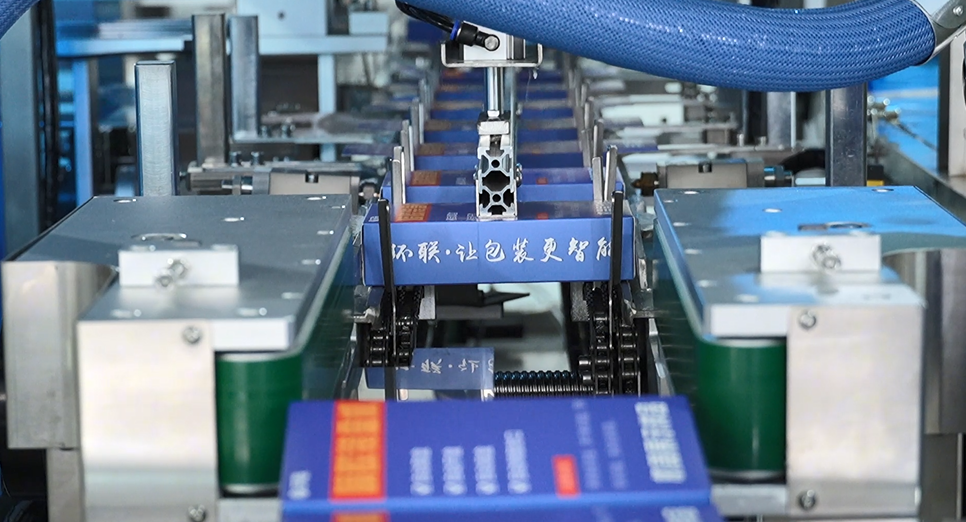
Automated Packaging: Closing the Labor Gap
Automation Is a Strategic Investment in Efficiency
Beyond simply “replacing labor,” automated packaging delivers measurable productivity gains and operational resilience. As demand grows for consistent packaging quality and faster turnaround times, automation helps companies:
-
Maintain stable production levels despite workforce gaps
-
Reduce dependency on costly and hard-to-find labor
-
Lower variable labor costs over time
-
Increase throughput and overall equipment effectiveness
A growing demand for automated solutions is reflected in market projections, with automated packaging systems expected to expand significantly in the coming decade as companies embrace efficiency and digital transformation.【2】






One Response