
The Labor Bottleneck in Stick Pack Packaging
If you manufacture stick packs in the United States, you already know the situation.
Primary packaging is fast. Modern stick pack machines can produce thousands of sachets per hour. Coffee sticks, electrolyte powders, collagen, protein blends—your filling line is likely running efficiently.
But then everything slows down.
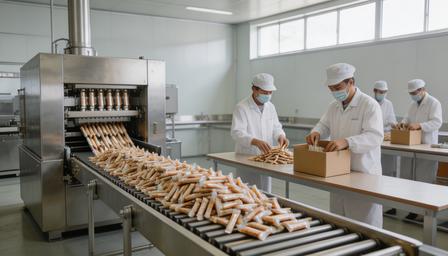
At the cartoning stage, many facilities still rely on manual labor to load stick packs into tuck-end cartons. Workers pick, align, insert, and close boxes by hand. It works—but it creates a bottleneck.
And in today’s U.S. manufacturing environment, labor is expensive and increasingly hard to find.
The result?
-
Rising per-unit packaging cost
-
Inconsistent box presentation
-
Production imbalance between primary and secondary packaging
-
Limited scalability during peak demand
This is where automated tuck-end cartoning becomes critical.
The HL-ZC-01 tuck-end cartoner from UBL is designed specifically to solve this stick pack challenge—transforming secondary packaging from a bottleneck into a performance driver.
Automation is no longer optional. It’s how manufacturers protect margins and stay competitive.
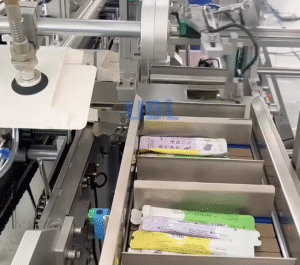
Why Tuck-End Cartons Are the Retail Standard
In the U.S. retail market—whether on Amazon shelves or in stores like CVS and Whole Foods—tuck-end cartons dominate stick pack packaging.
Why?
Because tuck-end boxes offer:
-
Easy opening for consumers
-
Clean, professional shelf appearance
-
Reduced glue usage
-
Recyclable paperboard structure
-
Strong branding surface area
For coffee sticks and nutraceutical sachets, the tuck-end carton is the gold standard.
But here’s the technical challenge.
Stick packs are:
-
Lightweight
-
Flexible
-
Prone to shifting
-
Difficult to align consistently
When inserting them into tuck-end cartons at high speed, jams can occur. Misalignment leads to crushed cartons or poorly closed flaps.
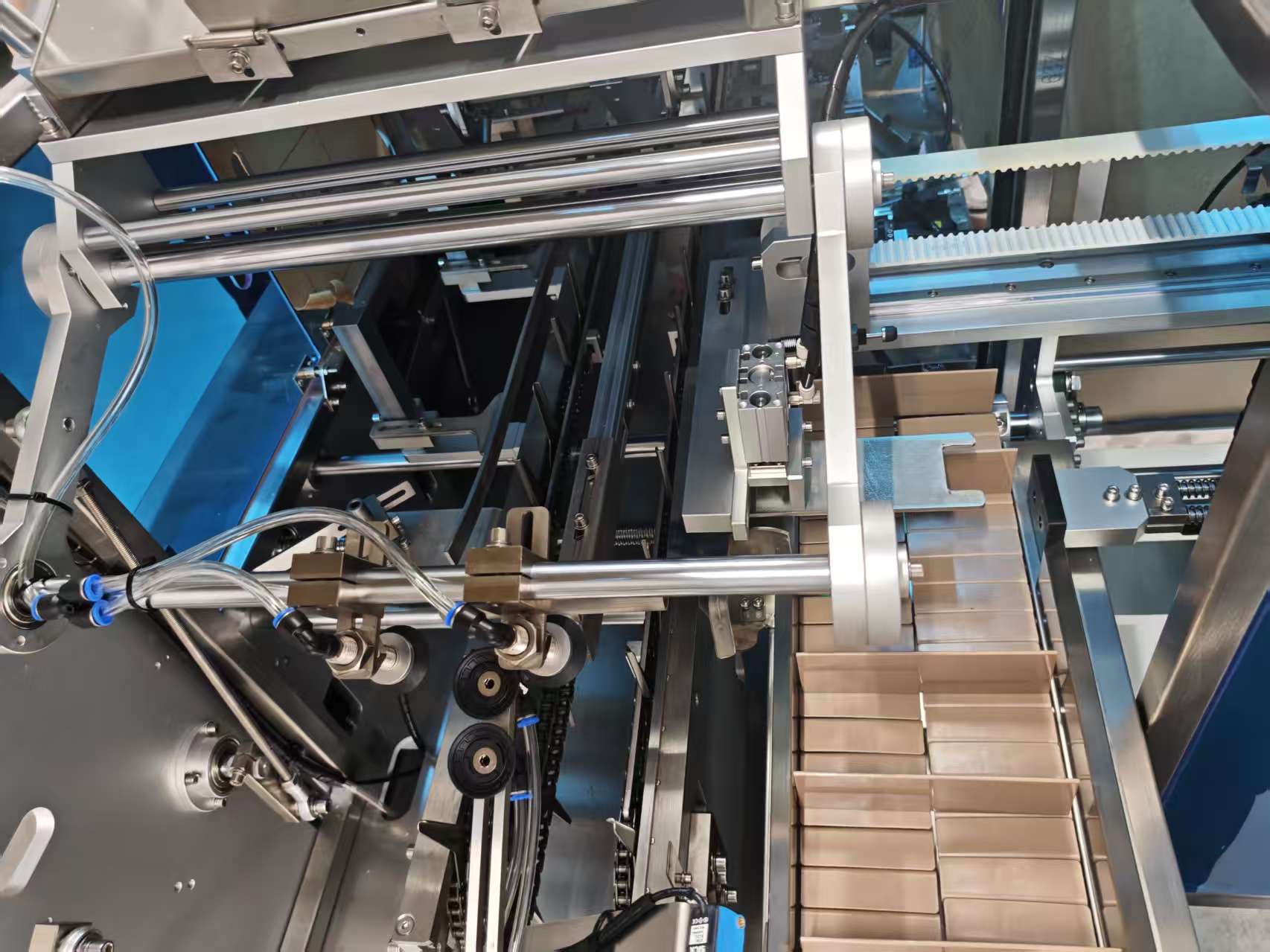
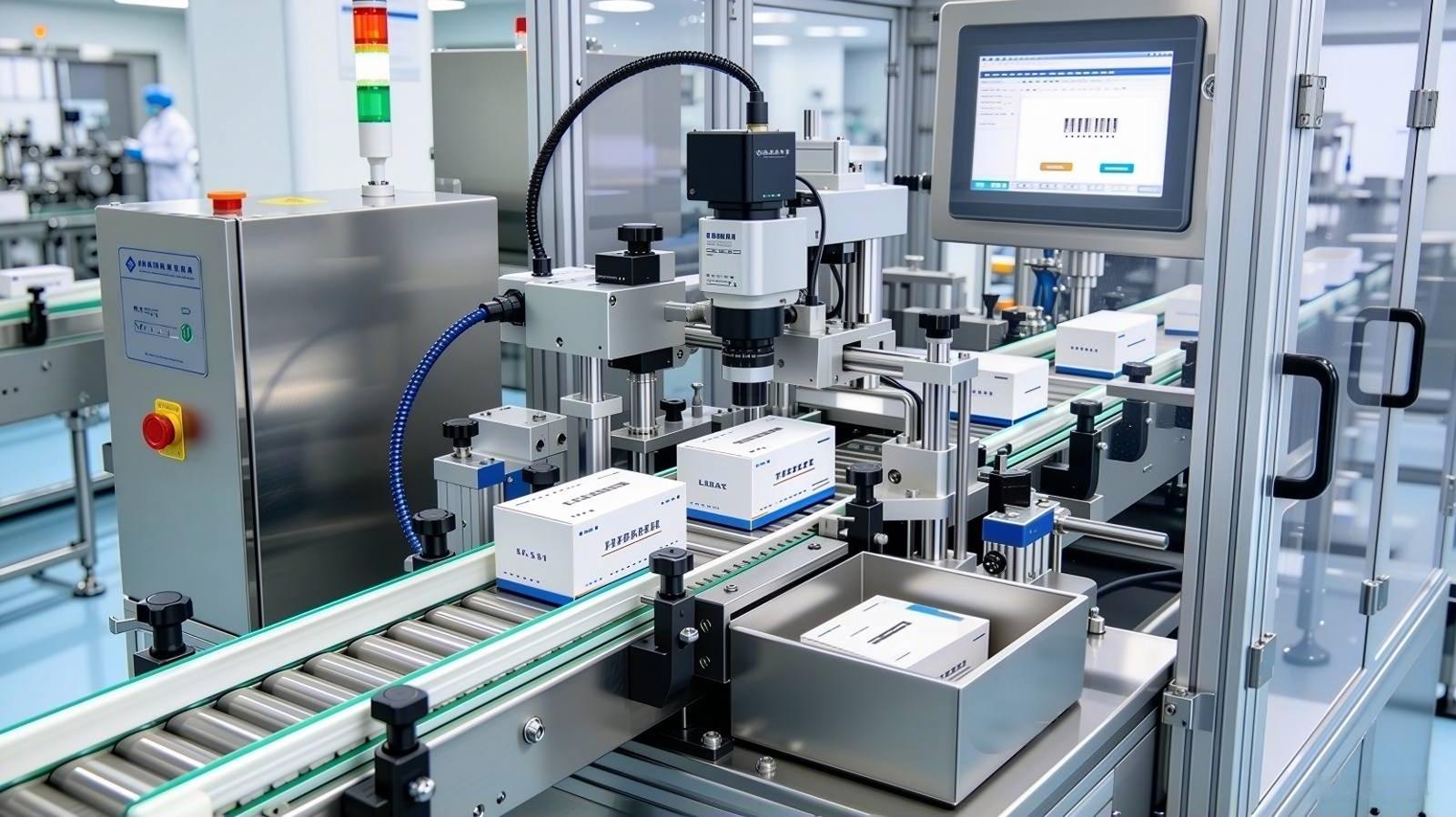
The HL-ZC-01 tuck-end cartoner solves this through a precision-controlled pusher system. Servo-driven indexing ensures that grouped stick packs enter the carton smoothly, squarely, and consistently.
No forcing. No bending. No chaos at high speed.
Engineering Excellence: Inside the HL-ZC-01
High ROI comes from engineering, not just speed.
The HL-ZC-01 tuck-end cartoner is built around precision and stability.
Precision Indexing
A servo motor–driven indexing system allows the machine to run at speeds up to 100 cartons per minute (CPM) while maintaining accurate positioning.
Even at high output levels, cartons open fully, sticks insert cleanly, and tuck flaps close securely.
Consistency equals profitability.
Compact Footprint
Factory space in the U.S. isn’t cheap. Every square foot matters.
The HL-ZC-01 features a compact machine layout designed for easy integration into existing stick pack lines. It connects seamlessly to upstream conveyors without requiring a major facility redesign.
More automation. Less floor space.
Smart Sensing Technology
One standout feature is the “No Product – No Carton” function.
If stick packs are not detected, the system will not erect or waste a carton. This reduces:
-
Paperboard waste
-
Packaging material cost
-
Sustainability concerns
It also keeps the operation cleaner and more efficient.
For a full breakdown of motor specifications and electrical requirements, manufacturers can review the HL-ZC-01 detailed technical data through UBL’s engineering resources.
Applications Beyond Coffee
While coffee sticks are a major application, the HL-ZC-01 is built for much more.
Nutraceutical Industry
Electrolyte powders, hydration formulas, collagen blends, and single-serve supplements all rely on stick pack convenience. The machine handles grouped sachets with precision and minimal changeover time.
Food & Beverage
Milk tea powders, sweeteners, flavor enhancers, and instant beverage mixes benefit from consistent retail-ready carton packaging.
Pharmaceutical Applications
Granule sachets and dose-specific medical powders require reliable and hygienic secondary packaging. The tuck-end cartoner ensures consistent closure without damaging fragile sachets.
Fast Changeover for Multi-SKU Production
American manufacturers often operate in short runs and multiple SKUs.
The HL-ZC-01 supports quick size adjustments and recipe saving via touchscreen controls. Operators can switch carton formats with minimal downtime, keeping production flexible and responsive.
Flexibility is critical for today’s demand-driven market.
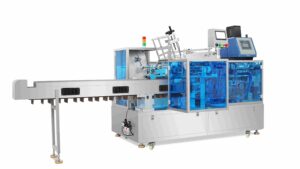 tuck-end cartoner
Integration in Action
Imagine this production flow:
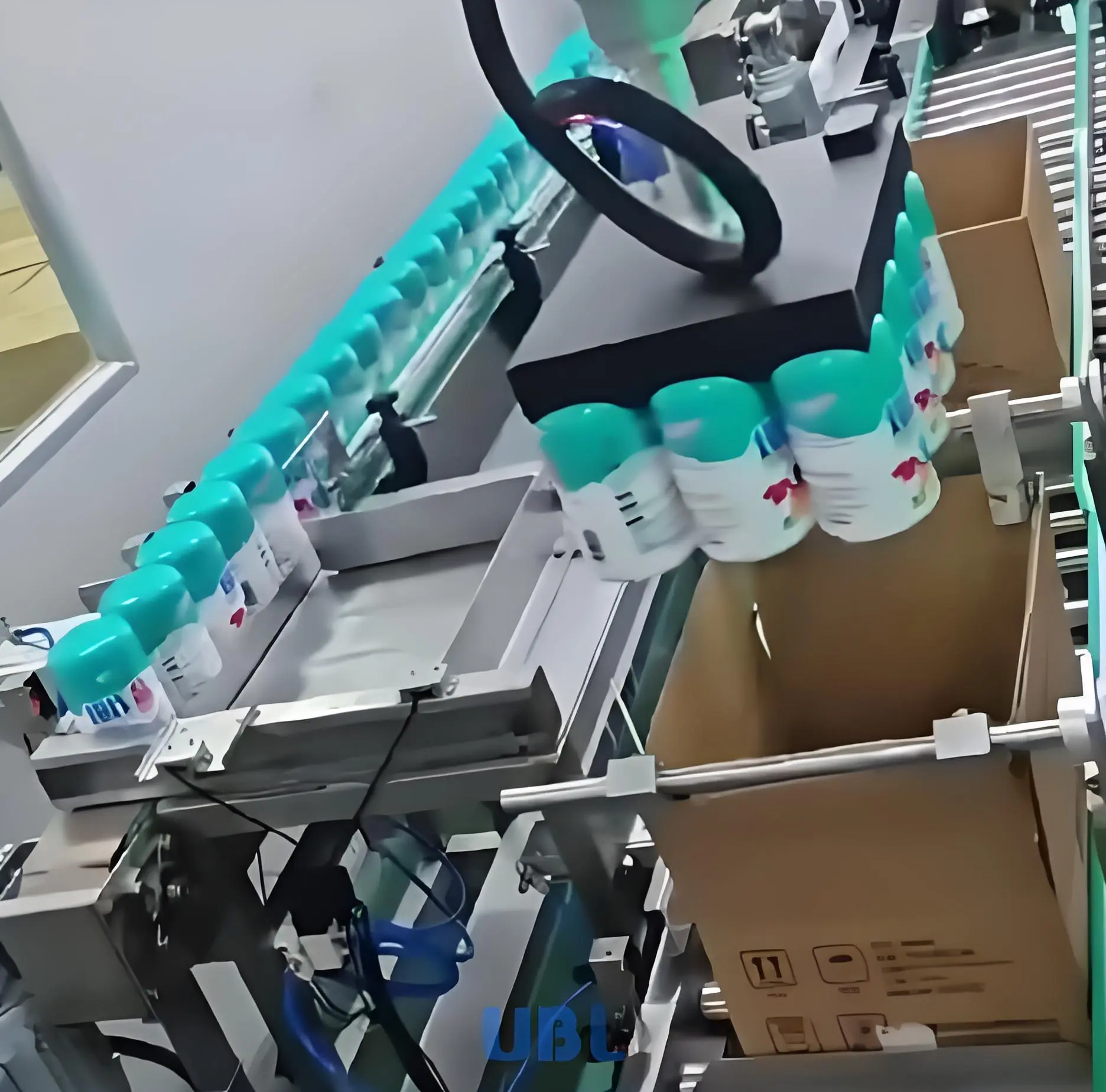
Stick packs exit the primary packaging machine and move onto a synchronized conveyor. They are grouped automatically, aligned precisely, and transferred into the HL-ZC-01 tuck-end cartoner.
Cartons are erected, filled, tucked, and discharged in one continuous motion.
No manual loading.
No bottleneck.
No delay between stages.
Seeing automated tuck-end cartoning in motion makes one thing clear—secondary packaging can run just as efficiently as primary packaging.
The UBL Advantage: Why U.S. Buyers Trust Our Systems
Automation investment requires confidence.
Every HL-ZC-01 undergoes a 168-hour continuous Factory Acceptance Test (FAT) before shipment. This ensures stable operation and high MTBF performance.
For overseas buyers, reliability and serviceability matter.
That’s why the HL-ZC-01 uses globally recognized components such as:
-
Siemens
-
Schneider
-
SMC
These brands ensure that spare parts and technical support are accessible worldwide.
When you invest in a tuck-end cartoner, you need long-term security—not just initial speed.
Conclusion: Secondary Packaging Drives Real ROI
When stick pack production outpaces manual cartoning, profits leak through inefficiency.
Automating tuck-end cartoning:
-
Reduces labor costs
-
Increases output
-
Improves presentation consistency
-
Minimizes waste
-
Protects retail brand image
The HL-ZC-01 tuck-end cartoner transforms secondary packaging into a profit-generating system.
If you’re ready to remove the bottleneck and maximize ROI:
-
Contact our engineering team for a customized layout plan
Efficiency at the cartoning stage means stronger margins at the bottom line.


One Response