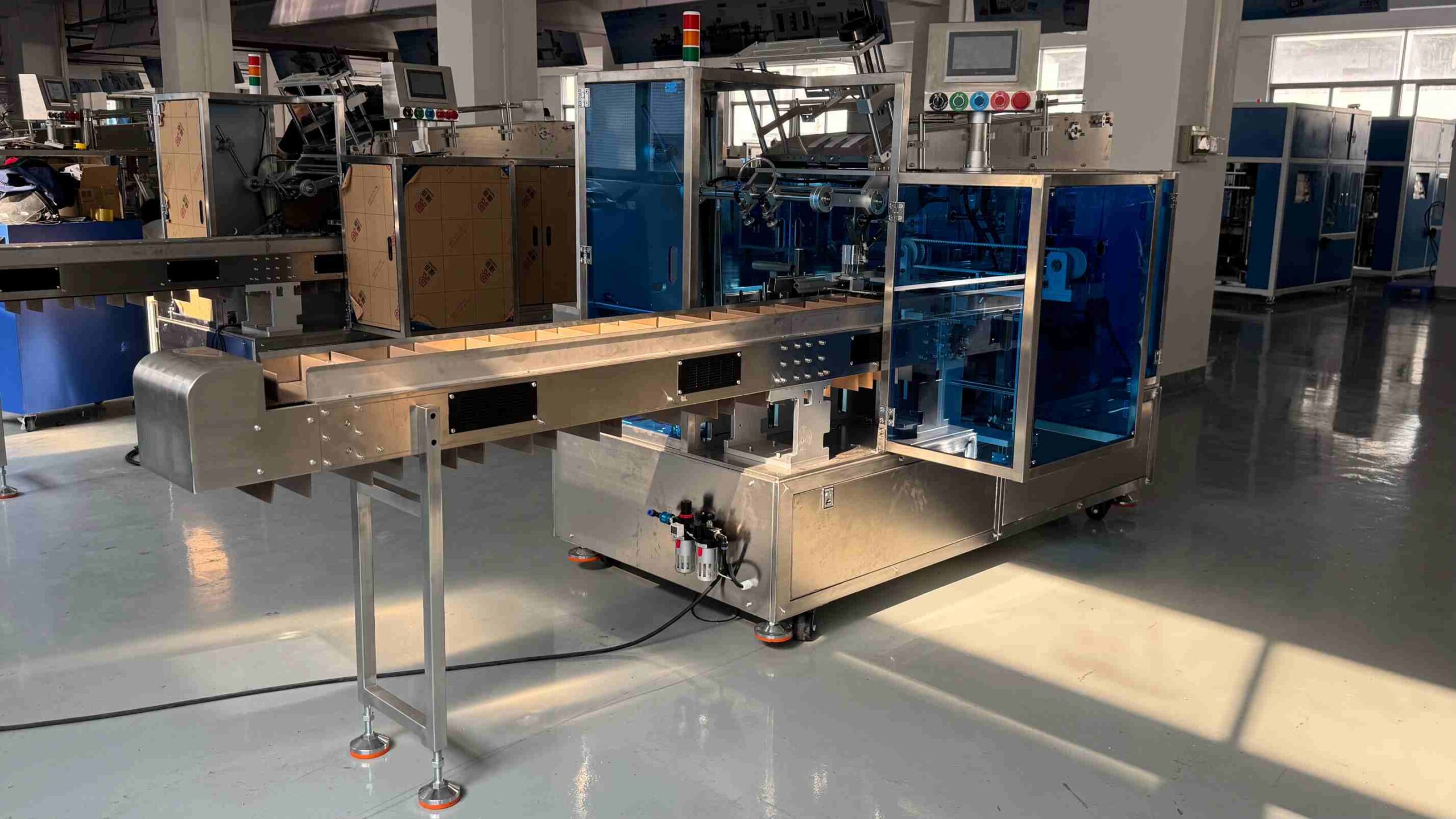
In modern manufacturing, choosing the right packaging film is no longer a secondary decision—it’s a strategic one. Your packaging material directly affects product protection, shelf appeal, regulatory compliance, and ultimately, customer perception. But here’s something many manufacturers overlook: even the best film underperforms if your equipment can’t handle it properly.
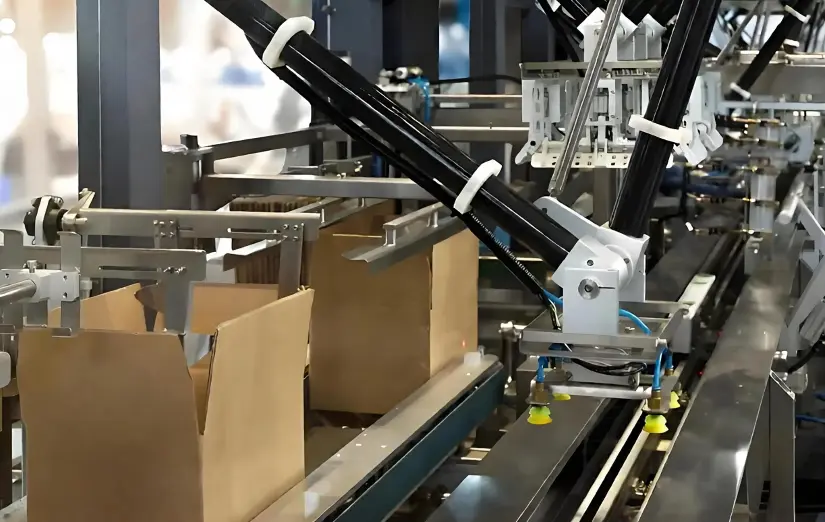
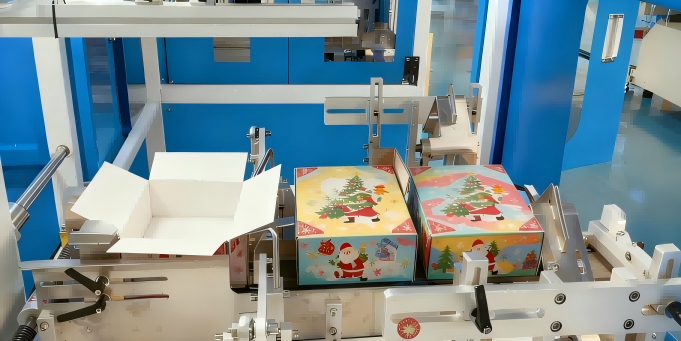
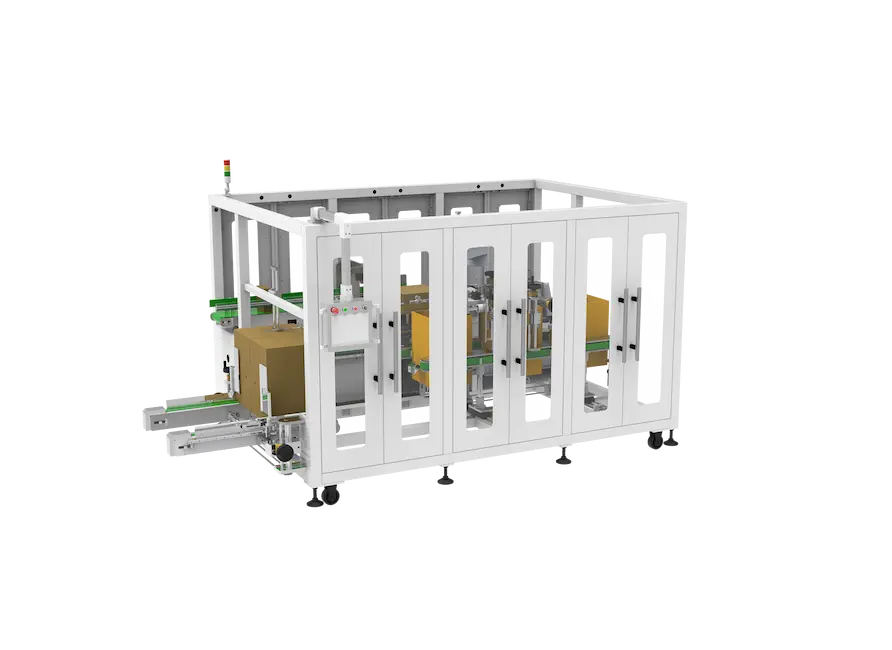
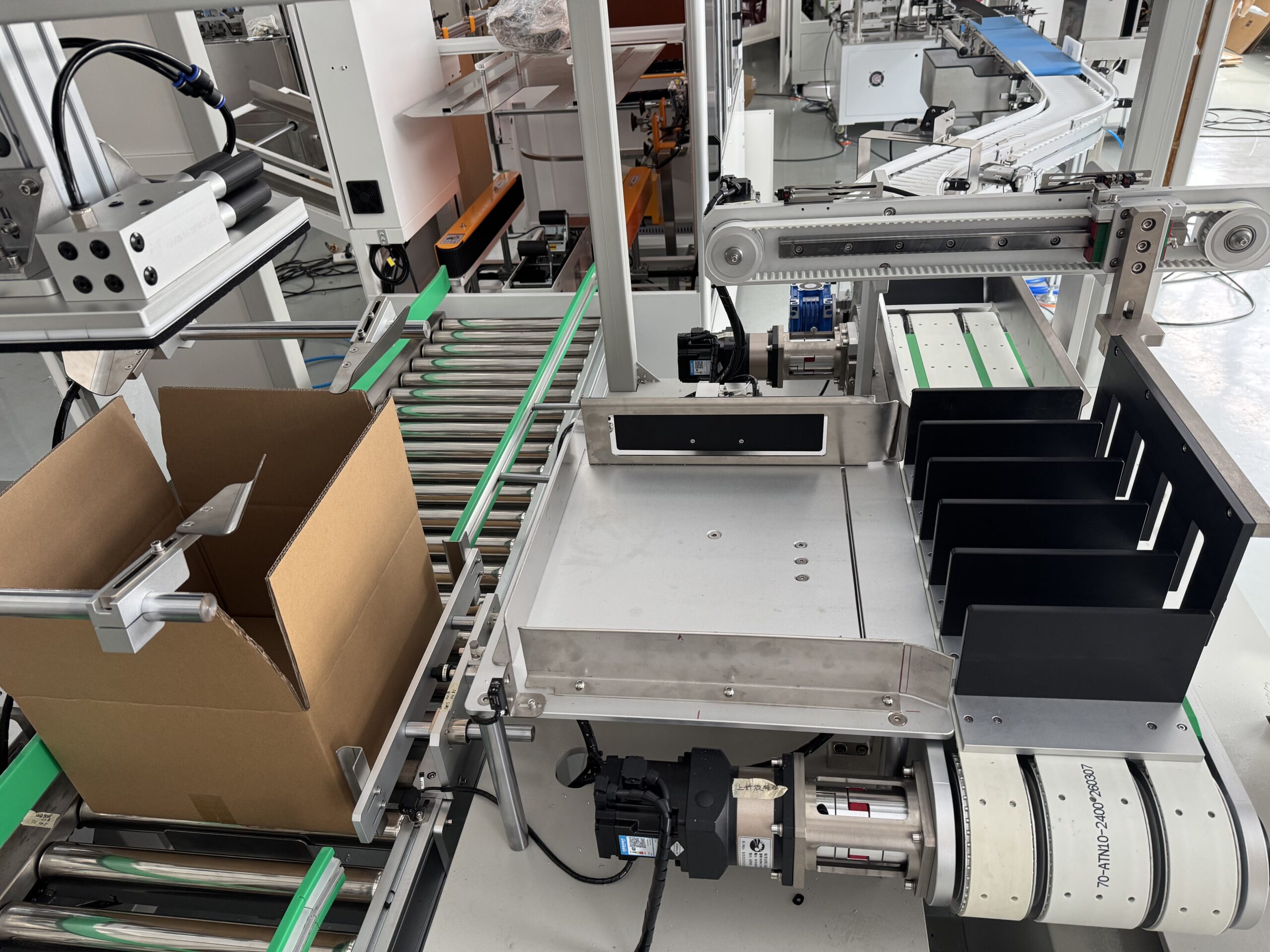
That’s why material compatibility and machine engineering must work together. At UBL, our automated pouch loading systems are designed with this exact philosophy in mind—handling films with different coefficients of friction (COF), tensile strengths, shrink ratios, and sealing characteristics without compromising efficiency or reliability.
Our automated pouch loading systems are engineered to support five core materials: OPP, PE, POF, PP, and PE composite laminates. Each material serves a distinct purpose. Each behaves differently under tension and heat. And each requires precise mechanical control to deliver consistent results.
Let’s break them down.
OPP (Oriented Polypropylene): The Clarity Specialist
Oriented Polypropylene (OPP) is widely recognized for its high clarity, stiffness, and excellent moisture barrier properties. According to publicly available data from the Plastics Industry Association, polypropylene films are valued for their transparency and structural rigidity in packaging applications [1]
OPP is typically used when presentation matters. Think red envelopes, greeting cards, promotional inserts, or premium printed materials. Its crisp appearance and signature “crinkle” feel create a polished visual and tactile experience.
Advantages:
-
Outstanding optical clarity
-
High stiffness for clean presentation
-
Strong moisture barrier
Disadvantages:
-
Lower puncture resistance compared to PE
-
Less forgiving under mechanical stress
UBL’s automated pouch loading systems are calibrated to manage OPP’s rigidity. Because OPP is stiffer than PE, tension control must be precise to prevent cracking or edge stress. Our feeding modules regulate film tension and bag opening force, ensuring smooth pouch extraction and consistent sealing without warping.
When running OPP for card packaging, our systems maintain structural integrity while delivering uniform, professional finishes.
PE (Polyethylene): The Industrial & Medical Standard
Polyethylene (PE) is one of the most widely used packaging materials globally. It is valued for its flexibility, impact resistance, and chemical stability. According to material data published by MatWeb, polyethylene demonstrates strong elongation properties and excellent sealing characteristics.【2】
PE is commonly used in medical non-woven fabric packaging and hygiene-related products. In these applications, puncture resistance and sealing integrity are critical.
Advantages:
-
High flexibility and durability
-
Excellent puncture resistance
-
Cost-effective material choice
-
Reliable heat-sealing performance
Disadvantages:
-
Can stretch under excessive heat or mechanical tension
-
Lower clarity than OPP
In our automated pouch loading systems, PE behaves very differently from OPP. Because PE is elastic, improper tension control can cause stretching and dimensional distortion. UBL machines compensate through adaptive tension engineering. Servo-driven film control systems regulate pulling force, preventing deformation during bag opening and product insertion.
For medical non-woven packaging, this means airtight sealing without overstretching or thinning the film.
POF (Polyolefin): High-End Heat Shrink Solutions
Polyolefin (POF) shrink film is widely used in premium secondary packaging. It is multilayered, high-clarity, and engineered for controlled shrink performance. The Flexible Packaging Association highlights polyolefin shrink films as preferred materials for retail-ready packaging due to their strength and clarity.【3】
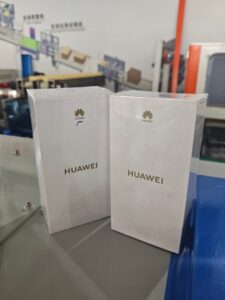
POF is typically applied as outer shrink wrap for high-end product boxes—smartphones, Bluetooth devices, cosmetic sets, and other consumer electronics.
Advantages:
-
Crystal-clear finish
-
Excellent shrink performance
-
Strong seal integrity
-
Professional retail appearance
Disadvantages:
-
Requires precise heat tunnel control
-
Sensitive to excessive temperature
In UBL automated pouch loading systems integrated with heat tunnels, POF requires exact temperature calibration. Too little heat and shrink performance suffers. Too much heat and the film may distort or burn through.
Our sealing modules use adjustable heat profiles to prevent overexposure while ensuring clean, tamper-evident seals. This precision is critical for cosmetic and tech packaging, where surface aesthetics directly impact brand value.
PP (Polypropylene): The High-Temperature Alternative
Standard polypropylene (PP) differs slightly from oriented polypropylene. It offers higher melting points and good chemical resistance while maintaining reasonable clarity.
Advantages:
-
Higher temperature tolerance than PE
-
Good chemical resistance
-
Balanced rigidity and flexibility
Disadvantages:
-
Can become brittle at low temperatures
-
Less flexible than PE
UBL automated pouch loading systems adjust sealing pressure and timing when handling PP materials. Because PP has higher thermal resistance, the sealing process requires controlled dwell time and pressure to achieve airtight integrity without damaging the material.
PP is often used in industrial bagging applications where chemical exposure or moderate heat resistance is required.
PE Composite (Laminated Films): The Barrier Expert
PE composite films are multi-layer structures such as PE/PET or PE/AL laminates. These materials are engineered for specialized barrier protection against oxygen, moisture, or light.
Barrier properties are often measured by Oxygen Transmission Rate (OTR) and Moisture Vapor Transmission Rate (MVTR), both standardized metrics in flexible packaging performance analysis.
PE composites are widely used in semiconductor material packaging (anti-static requirements) and food pouching applications requiring gas barrier protection.
Advantages:
-
Customizable multi-layer barrier performance
-
Enhanced oxygen and moisture protection
-
Suitable for sensitive electronic or food products
Disadvantages:
-
Higher material cost
-
More complex sealing requirements
UBL automated pouch loading systems are engineered to accommodate thicker, multi-layer films without compromising seal strength. Adjustable heat-sealing parameters ensure composite layers bond properly without delamination.
For semiconductor materials, this means electrostatic-safe handling combined with moisture control. For food applications, it means secure gas barrier sealing to preserve freshness.
How UBL Automated Pouch Loading Systems Handle Diverse Films
Material versatility isn’t accidental—it’s engineered.
Our automated pouch loading systems follow a precise rotary process:
-
Automatic pouch extraction
-
Controlled bag opening
-
Accurate product insertion
-
Precision heat sealing
Each step is servo-controlled and digitally monitored.
Tension Control Engineering
Different films behave differently under load. PE stretches. OPP resists. Composites add thickness and stiffness. Our systems automatically adjust torque and tension parameters to prevent film distortion.
Precision Sealing Technology
Heat sealing profiles are fully adjustable. This prevents:
-
Burn-through on POF
-
Weak seals on composite films
-
Edge cracking on OPP
-
Overstretching on PE
The result is consistent sealing integrity across all supported substrates.
Why Material Versatility Drives ROI
Investing in automated pouch loading systems that handle multiple substrates future-proofs your packaging line.
Instead of purchasing separate machines for different materials, one UBL system can switch between OPP, PE, POF, PP, and PE composite films with minimal changeover time.
Proper material handling also contributes to long-term reliability. When films are processed within engineered parameters, mechanical stress decreases. This is one reason our machines regularly achieve 500–800+ hours MTBF under proper maintenance.
Every UBL system undergoes a 168-hour continuous burn-in validation process. During this period, your specific film type can be tested to confirm compatibility before shipment.
Substrate Selection Matrix
| Material | Primary UBL Use Case | Top Advantage | Mechanical Challenge |
|---|---|---|---|
| OPP | Cards / Envelopes | High Transparency | Stiffness / Fragility |
| PE | Medical / Hygiene | Puncture Resistance | Elasticity / Stretch |
| POF | Cosmetic / Tech Boxes | Aesthetic Shrink Wrap | Heat Sensitivity |
| PP | Industrial Bagging | Heat Resistance | Low-Temp Brittleness |
| PE Composite | Semiconductors / Food | Maximum Barrier | Complex Sealing |
Final Thoughts
Material performance and machine engineering cannot be separated. The success of any packaging operation depends on how well your equipment understands the film it runs.
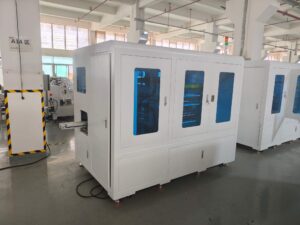
UBL automated pouch loading systems are not limited to one substrate or one industry. They are engineered to adapt, adjust, and optimize across multiple flexible packaging materials while maintaining stability and sealing precision.
If you’re evaluating new packaging films—or struggling with inconsistent results—send us your film samples. We’ll run compatibility testing and provide a customized performance report.
Because in modern packaging, it’s not just about sealing a bag. It’s about mastering the material.
Struggling with inconsistent sealing or film compatibility issues? Send us your film samples, and we’ll run a free compatibility test on our automated pouch loading systems. Get a customized performance report and see how UBL’s precision engineering can deliver consistent, reliable results across all your packaging materials. Let’s solve your material challenges—reach out now to get started.