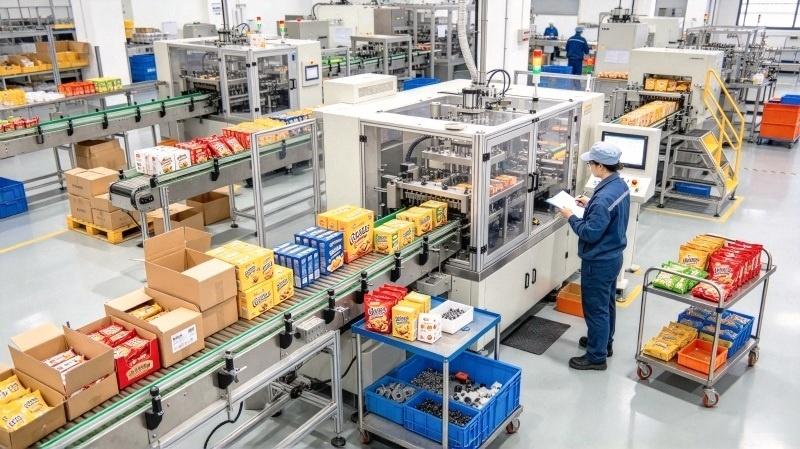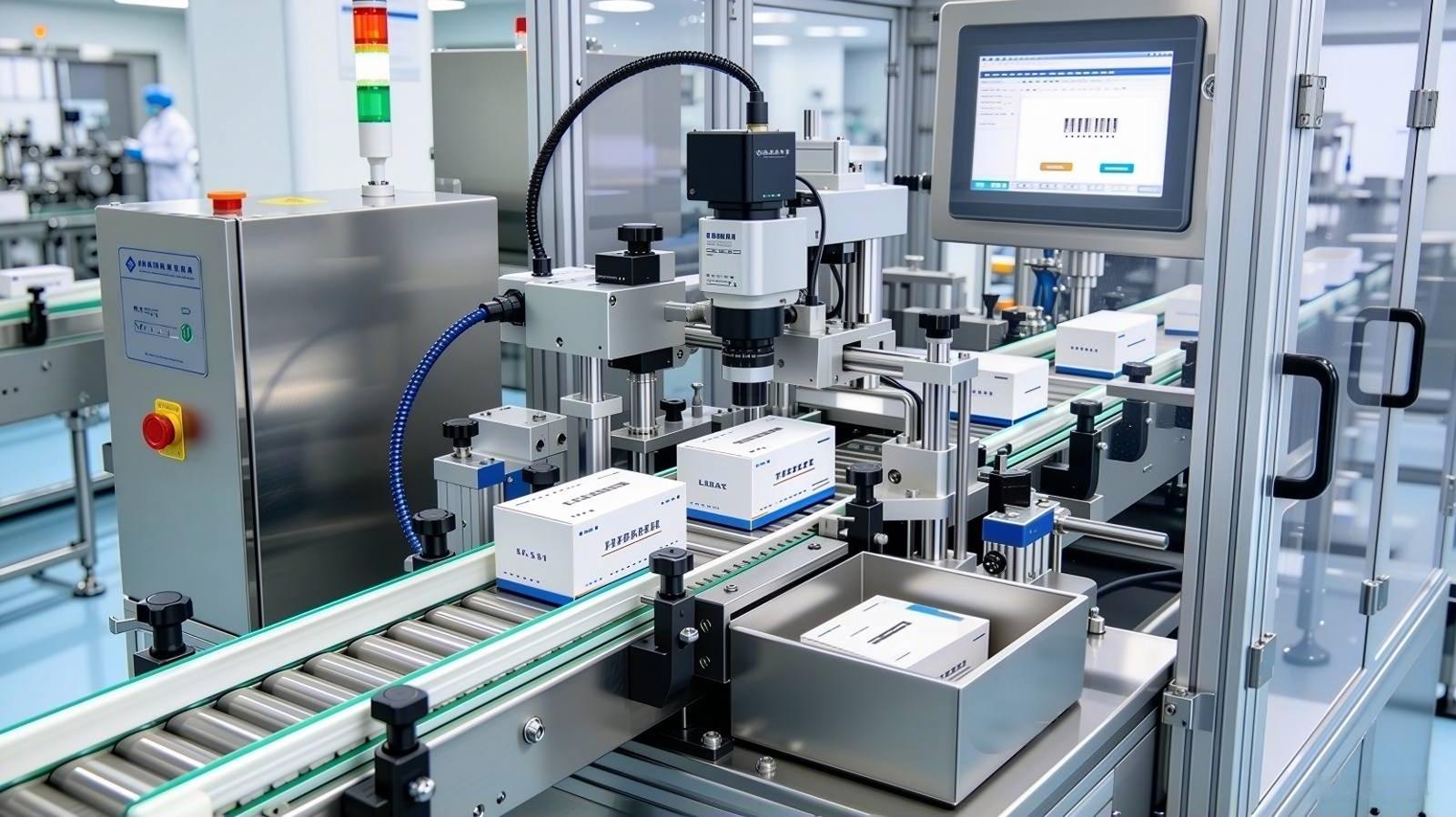
In the world of everyday consumer goods — whether it’s electric mosquito swatters, personal care items, health devices, or seasonal essentials — the packaging stage can make or break your ability to meet peak demand. So why is it that some companies always seem to fulfill high-volume orders on time, while others struggle? The answer often comes down to automation, and more specifically the use of a cartoning machine.
For one of our clients who manufactures electric mosquito swatters, this became clear during last summer’s order surge. After partnering with UBL and installing an automatic cartoning machine, they went from barely getting orders out the door to operating at peak efficiency — all within about two and a half months. That’s faster than most seasonal demand cycles. Once the machine was in place, they no longer needed to increase labor by 30% just to hit their delivery targets.
Manual Packaging: The Hidden Bottleneck for High Seasonal Demand
Before automation, this mosquito swatter manufacturer faced a very common problem:
-
They staffed 15 workers just to box, seal, and palletize units.
-
Even with overtime, production varied daily.
-
Packaging defects like crooked boxes and inconsistent fills were common.
-
Material waste and rework skyrocketed.
Across industries, manual packaging simply can’t keep pace with high demand the way automated systems do. Industry data shows that companies adopting automated packaging systems see labor cost reductions of nearly 50% and material waste drop by up to 30% compared to manual methods. These improvements come from reducing repetitive tasks and increasing process precision.
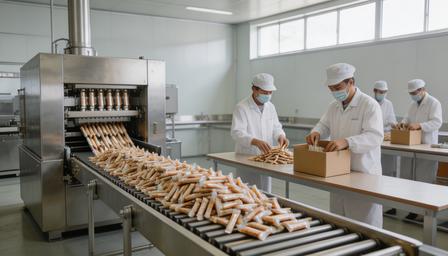
Contrast that with their competitor down the street — staffing only about half the workforce yet consistently achieving higher output. What was their secret? They had implemented a hybrid “human + automatic cartoning machine” model — a perfect example of man-machine collaboration that boosts output without full-scale robotics overhaul.
Why a Hybrid Model Works Best for Everyday Consumer Packaging
Electric mosquito swatters — like many daily-use items — share characteristics that make them ideal for partial automation:
-
Standardized dimensions
-
Repeated, predictable packaging steps
-
High seasonal fluctuation
We helped tailor a solution that kept human flexibility for nuanced tasks (like part feeding) while letting the cartoning machine handle the repetitive work:
UBL Cartoning Workflow:
-
1–2 operators place units on the feed conveyor.
-
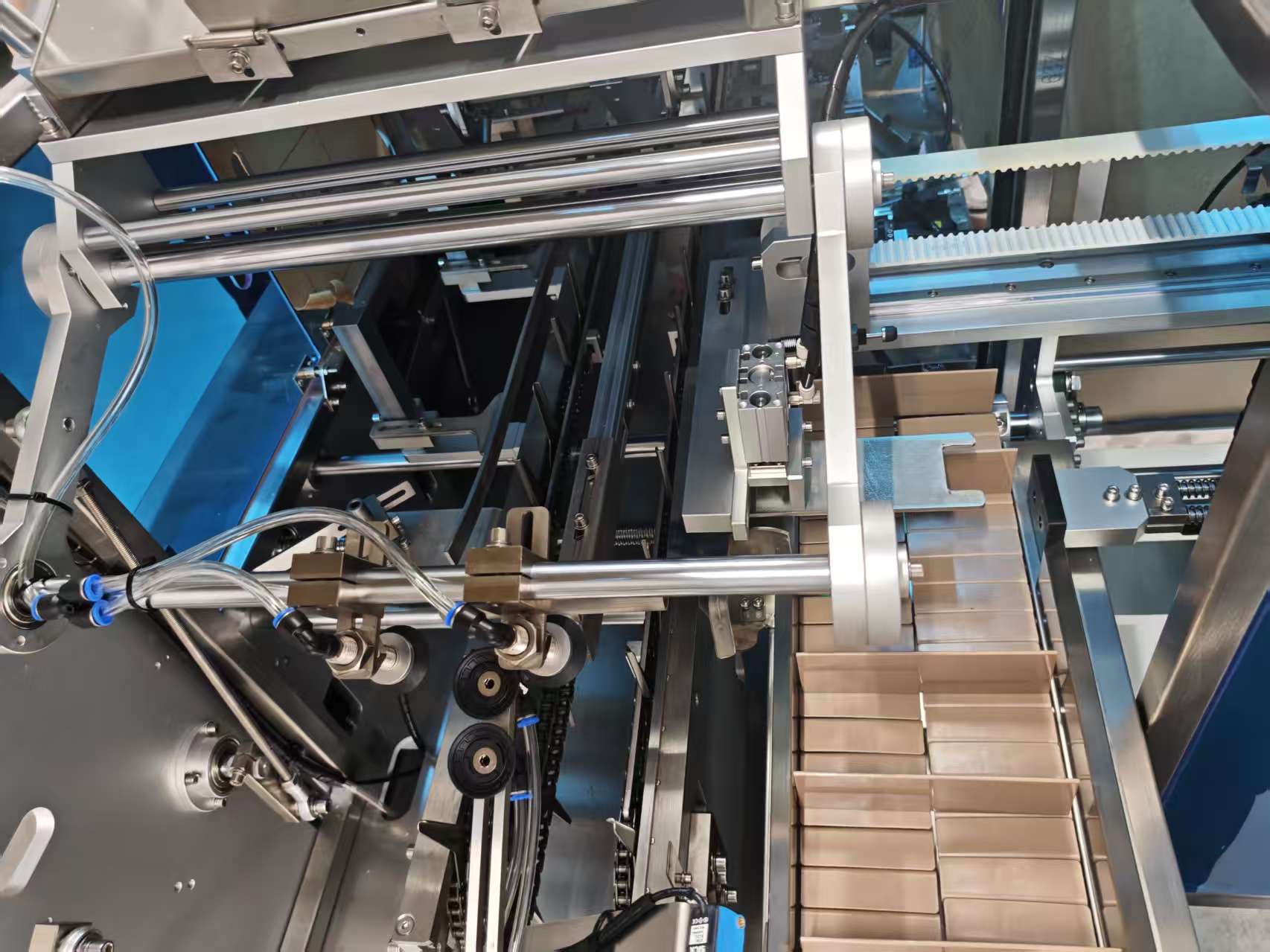
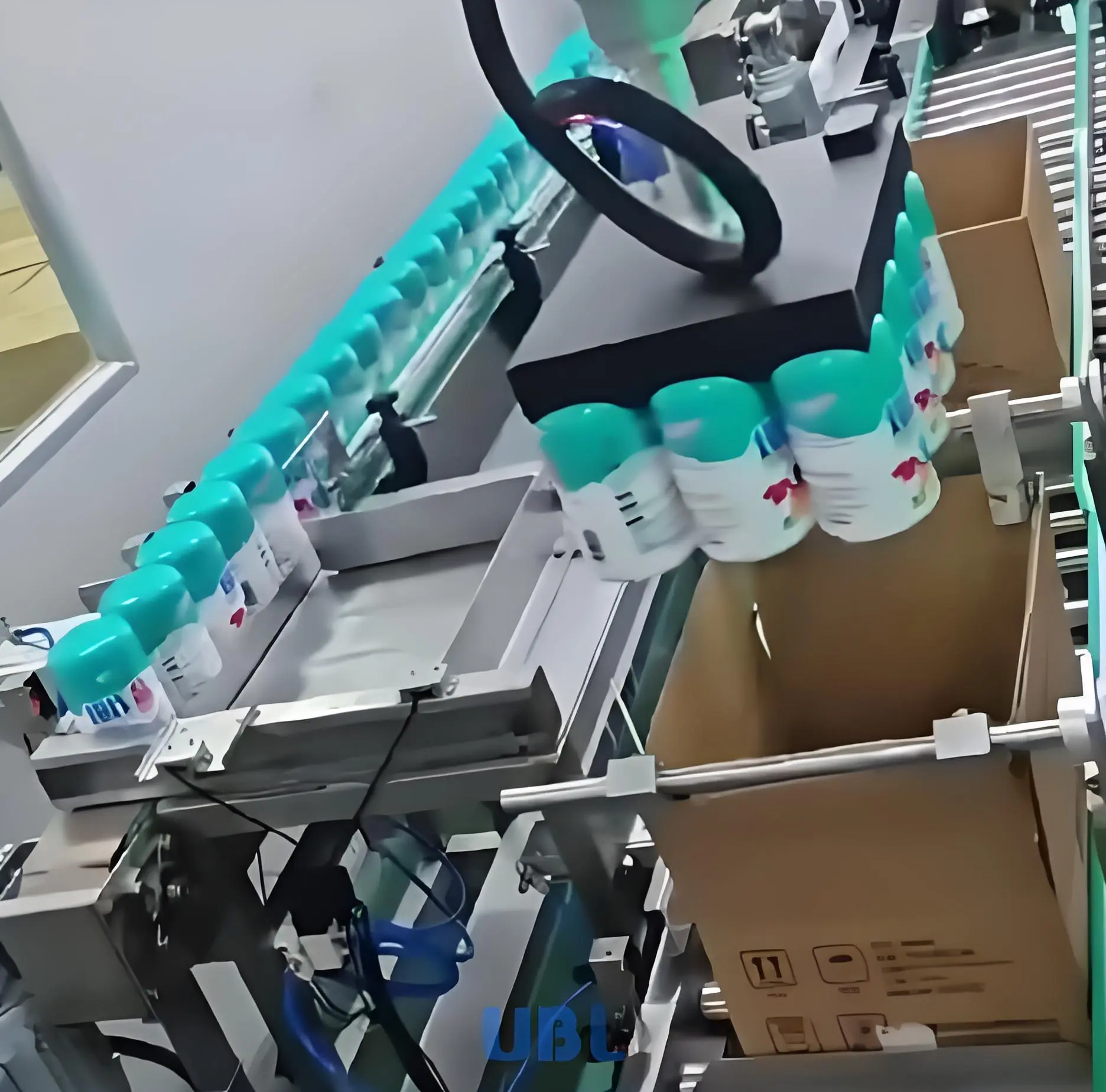
The automatic cartoning machine opens boxes, loads products, applies glue/tape, and closes the cartoning process.
-
1–2 operators collect completed cartons and palletize them.
This setup requires minimal training and achieves more consistent output than pure manual operations.
Here’s what happened after implementation:
Tangible Results: Output, Cost, and Quality Improvements
| KPI | Before Automation | After Automation |
|---|---|---|
| Number of Packaging Workers | 15 | 7 |
| Labor Cost for Packaging | High | ~50% Reduced |
| Order Fulfillment Speed | Slow, inconsistent | Consistent, faster |
| Production Capacity | Limited | ~40% Increase |
| Packaging Defects (misaligned/empty) | Frequent | Greatly Reduced |
| Overtime Hours | Often required | Greatly Reduced |
| Machine Uptime | N/A | 24/7 Capable |
Key takeaways:
-
With fewer workers, the same task now finishes faster.
-
Alternatively, keeping the original workforce with automation yields 40% more output.
-
Defects and waste dropped markedly thanks to the machine’s precision components and repeatable workflows.
These outcomes mirror industry benchmarks showing that automated packaging can run continuously without breaks and significantly lower operational costs while improving quality.
Why Automated Packaging Wins in High-Demand Cycles
Modern automatic packaging systems — including high-speed cartoning machines — offer benefits that manual labor simply cannot match:
Increased Throughput
Automated systems can run 24/7 with no loss in consistency or speed. Many advanced packaging machines can handle hundreds of cartons each hour without breaks, outpacing manual lines by multiple factors.
Labor Cost Savings
Reducing reliance on manual labor saves not only wages but also training and overtime expenses during peak seasons. Packaging automation reduces repetitive manual interventions, lowering human error and associated waste.
Higher Consistency & Quality
Automated cartoning ensures cartons are erected, filled, and sealed with uniform precision every time — improving product presentation and reducing customer complaints.
Flexible Integration
Unlike full-line robotics that require massive investments, UBL’s cartoning solution works alongside humans. It’s a practical automation step for companies looking to scale without overhauling their entire factory.
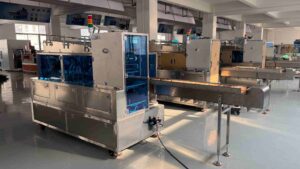
Case in Point: What Automation Delivers in Numbers
Let’s look at real industry observations:
-
Automated packaging systems can run without human breaks, providing nearly continuous throughput.
-
Precision controls in automated packaging reduce material waste by up to 30%.
-
Machines minimize defects caused by manual inconsistency, boosting quality control and brand perception.
What This Means for Your Production
If you’re producing consumables or electronics accessories like mosquito swatters, health devices, or packaged toolkits, the packaging stage is where orders either get delivered — or delayed. Manual labor will always have a place, especially for nuanced tasks, but relying on people alone limits your capacity.
By integrating a cartoning machine, especially one tailored to your product shape and packaging style, you unlock:
-
More reliable fulfillment
-
Lower labor costs
-
Greater throughput
-
Better quality control
It’s not about replacing humans — it’s about removing bottlenecks and enabling your workforce to do more impactful work.
See It Yourself
We have a complete on-site video documenting the workflow:
Human loading → Machine cartoning & sealing → Human palletizing
This footage clearly shows not just how the machine runs, but how the entire throughput process becomes smoother. Automated packaging — especially using a cartoning machine — fundamentally changes a production line from a bottleneck to a throughput engine.
Want more case videos? Click here to watch
Bottom Line
For everyday consumer goods manufacturers facing seasonal order surges and tight delivery windows, the packaging bottleneck is real. Adding more workers and forcing overtime might seem like a short-term fix — but it doesn’t scale.
The companies that succeed year after year understand this:
👉 Automated packaging improves consistency, reduces costs, and increases throughput.
Whether you’re running a seasonal mosquito swatter line, a household goods line, or any consumer-packaged products, investing in practical automation — especially a cartoning machine — will put your fulfillment operation on the path to reliable, high-volume performance.
Ready to improve your fulfillment speed without adding more labor?
Contact UBL today. We’ll respond within 24 hours, review your packaging needs, and have our engineers design a cartoning solution tailored to your production line — fast, reliable, and ready for peak seasons.