
In the hardware industry — where products like screws, nuts, bolts, and chains are tiny, highly varied, and prone to damage or loss — how parts are packaged doesn’t just affect production cost — it directly impacts warehouse efficiency, logistics accuracy, and customer satisfaction. Choosing between manual packaging and automated packaging isn’t just a cost decision — it’s a strategic choice that shapes scalability, quality consistency, and brand competitiveness.
In this article, we’ll break down both packaging options, compare their strengths and weaknesses, and help hardware manufacturers make an informed decision based on data and real production needs.
Manual Packaging for Hardware Components
Advantages
Low Upfront Cost
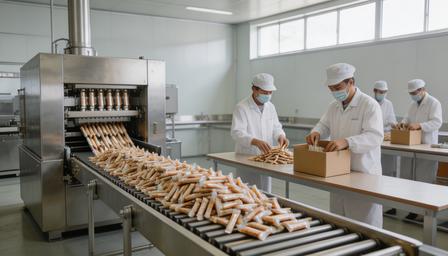
Manual packaging requires minimal equipment investment — just tables, bags, seals, and workers. For startups or micro-factories, this means lower capital barriers.
Flexible for Variations
Hardware parts often come in many SKUs (screws of various sizes, nuts, washers, etc.). Manual packaging allows easy adaptation to different parts without machine reconfiguration.
Low Technical Barrier
Operators can start packing with basic training. There’s no need for specialized technicians or programming knowledge.
Disadvantages
Low Efficiency
Manual labor simply cannot match volume throughput needed in large-scale production. Workers need breaks, and assembly line pacing often slows to the speed of human hands, not machines. In contrast, automated systems can increase speed up to 300% over manual operations depending on task complexity.
High Error Rates
Human error leads to inconsistent counts, mis-packaging, and quality issues that affect customer satisfaction and returns. Automation can reduce packaging defects by up to 80% compared to manual processing.
Rising Labor Costs
Long-term labor expenses — particularly in regions with rising wages and labor shortages — make manual packaging less sustainable. Automation can cut labor needs by 30–50%.

Best Fit Scenarios
-
Very small batch production
-
Highly customized or one-off orders
-
Early-stage workshops or prototyping
Automated Packaging for Hardware Components
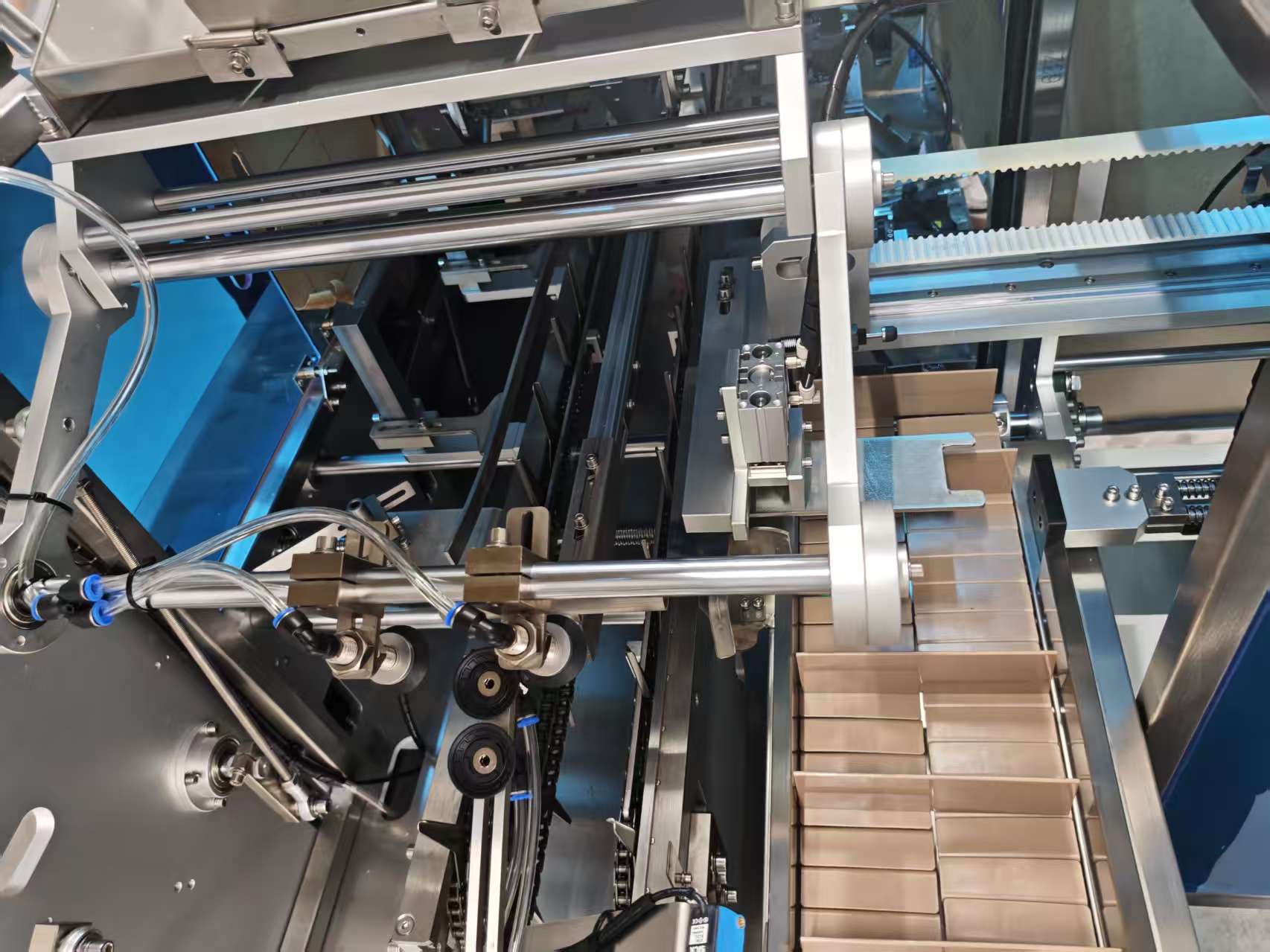
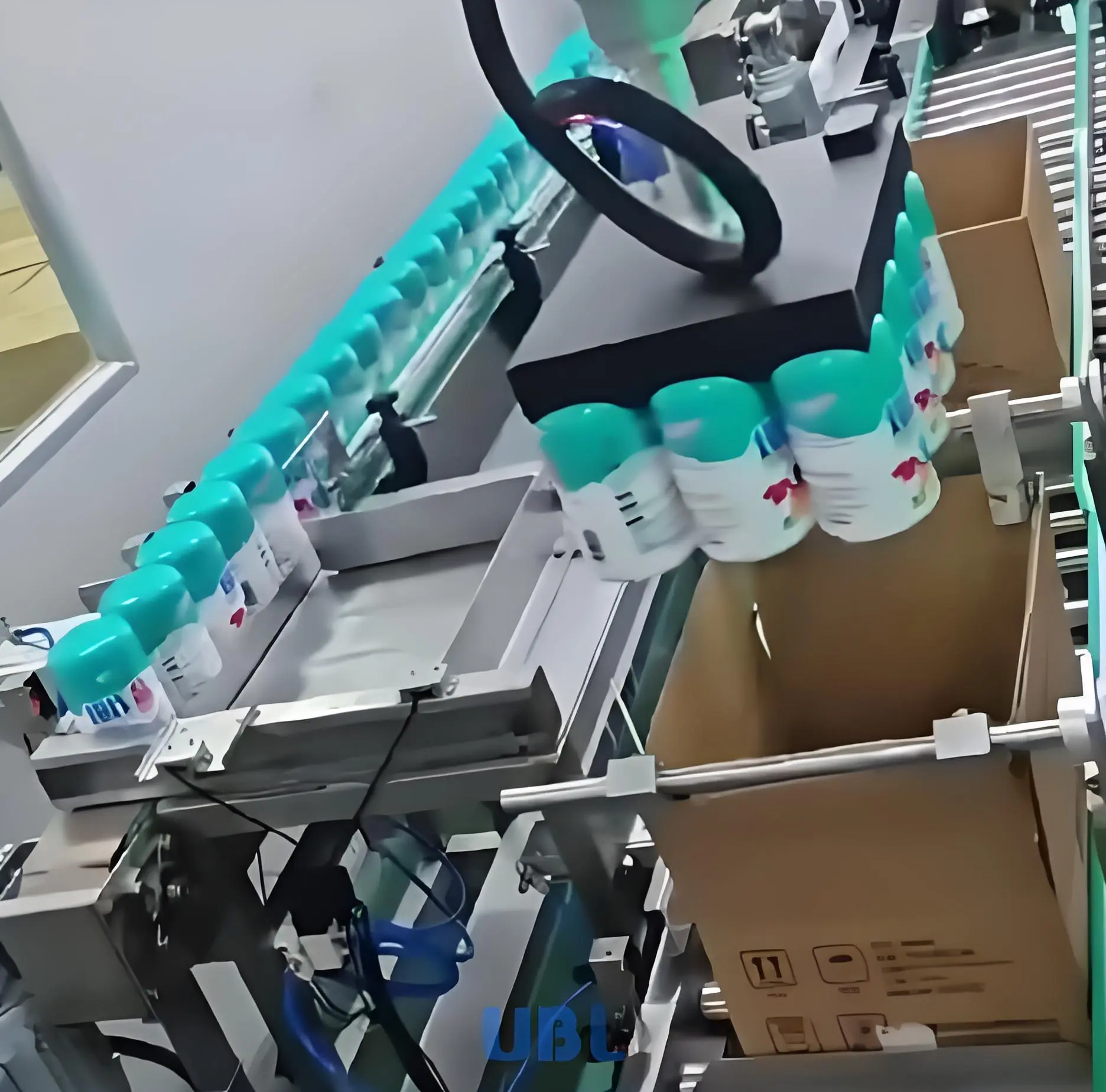
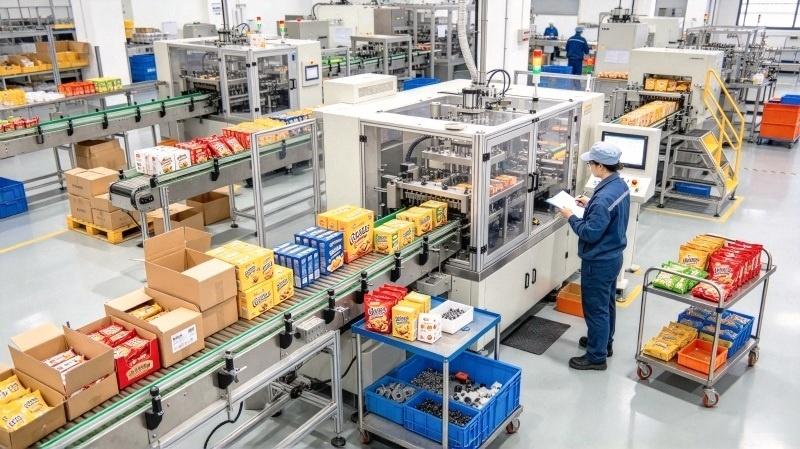
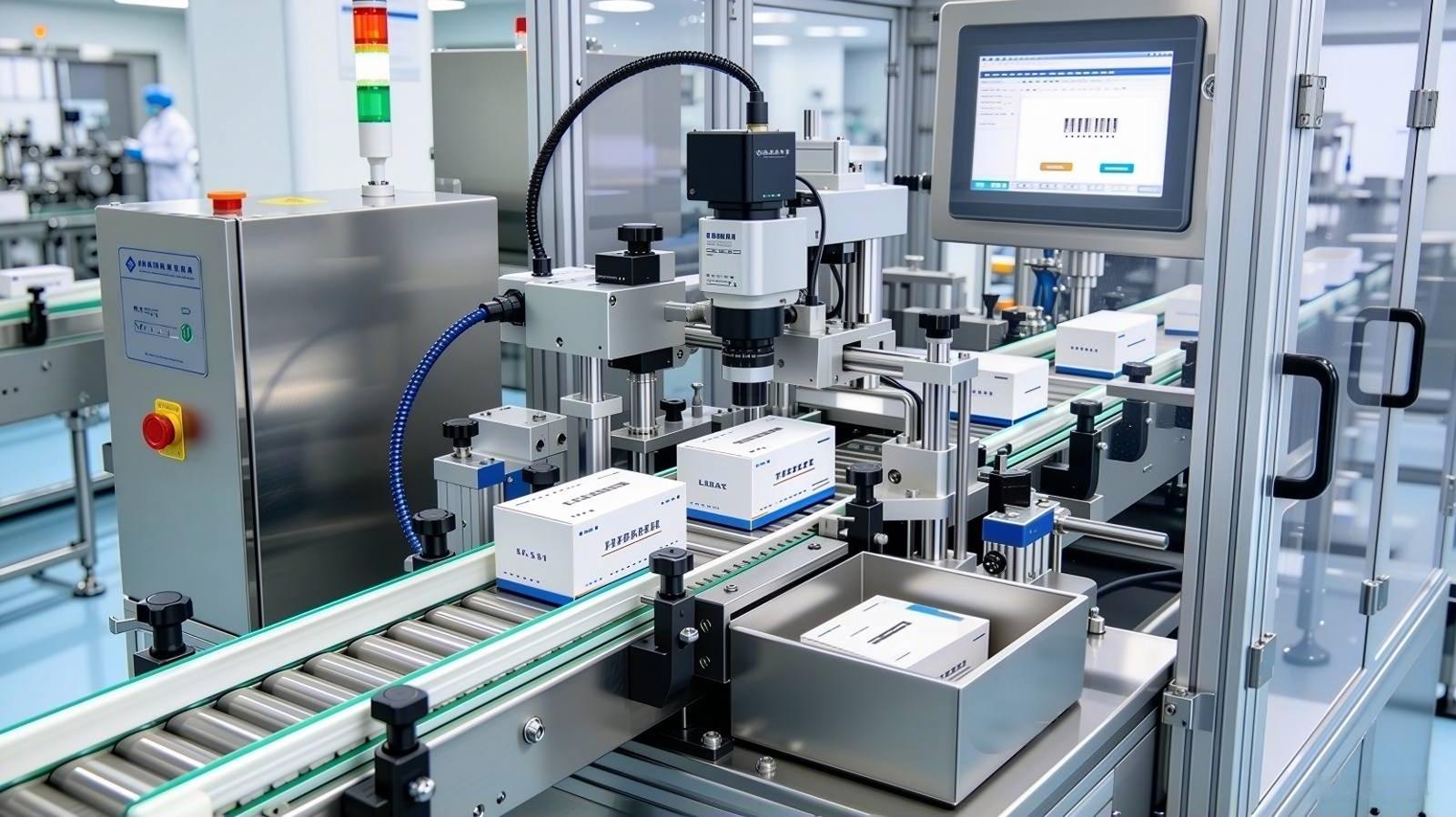
Automated packaging uses machinery — conveyors, robotic arms, sensors, and controllers — to handle tasks formerly done by hand: counting, bagging, sealing, labeling, and palletizing.
Advantages
Massive Efficiency and Throughput Gains
Automated systems run continuously, without breaks, achieving higher productivity. Some systems can hit 50–75% more throughput vs manual lines and even run 1,000+ perfectly packaged units per hour in standard box operations.
Consistency and Quality Control
Error rates drop sharply, and automation ensures each package meets exact counts and sealing standards, reducing customer complaints and returns.
Long-Term Cost Savings
Despite higher initial investment, automated packaging can reduce labor costs, optimize material usage, and improve URS (unit revenue share). Production material waste can also be reduced by up to 20% with optimized automated cutting and layout.
Scalability and Flexibility
Modern automated packaging can integrate robotics, vision systems, and IoT data analytics, making switching between screw sizes or nut types seamless and fast. AI and sensor systems improve real-time quality control and predict maintenance needs before failure.
Disadvantages
Initial Investment Required
Hardware and software costs can be significant. Medium-sized enterprises need to plan capex and layout redesign.
Better Fit for Standard SKUs
Highly irregular or unique parts may require custom tooling or change parts.
Best Fit Scenarios
-
Mid-to-large volume standardized orders
-
Continuous production lines
-
Firms pursuing brand consistency and lower logistic errors
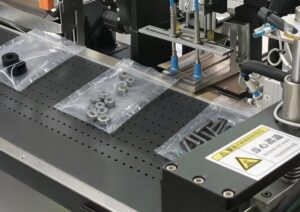
Core Selection Factors for Packaging Strategy
To choose between manual and automated packaging, consider:
| Selection Factor | What to Evaluate |
|---|---|
| Production Scale | Daily / Monthly unit forecasts and whether throughput justifies automation ROI |
| Product Variety | Standard SKU vs extreme customization |
| Cost Structure | CapEx vs long-term OpEx savings from labor, waste, and error reduction |
| Line Integration | Ability to integrate with existing conveyors, counters, scanners, and ERP |
Automated packaging systems — especially those built for small parts — often pay back within 12–36 months due to reduced labor, improved quality, and fewer returns.
Hardware Industry Packaging Comparison Table
| Feature | Manual Packaging | Automated Packaging |
|---|---|---|
| Speed & Throughput | Low, human-limited | High, continuous operation |
| Labor Cost | High & volatile | Lower long-term costs |
| Error Rates | Moderate to high | Low (precise control) |
| Material Waste | Medium | Up to 20% lower |
| Scalability | Limited | Very high |
| Quality Consistency | Variable | Consistent |
| Flexibility for SKUs | Excellent | High with quick-change setups |
| CapEx Requirement | Minimal | Moderate to high |
Hardware Packaging Trends & Future Direction
Modular Automation for Medium Enterprises
Small and medium hardware shops are increasingly adopting lightweight robotic packaging modules instead of massive systems, balancing flexibility with performance.
Smart Packaging Integration
Vision systems and sensors are now common, enabling automated quality inspection and feedback loops directly to manufacturing execution systems.
Brand & Logistics Impact
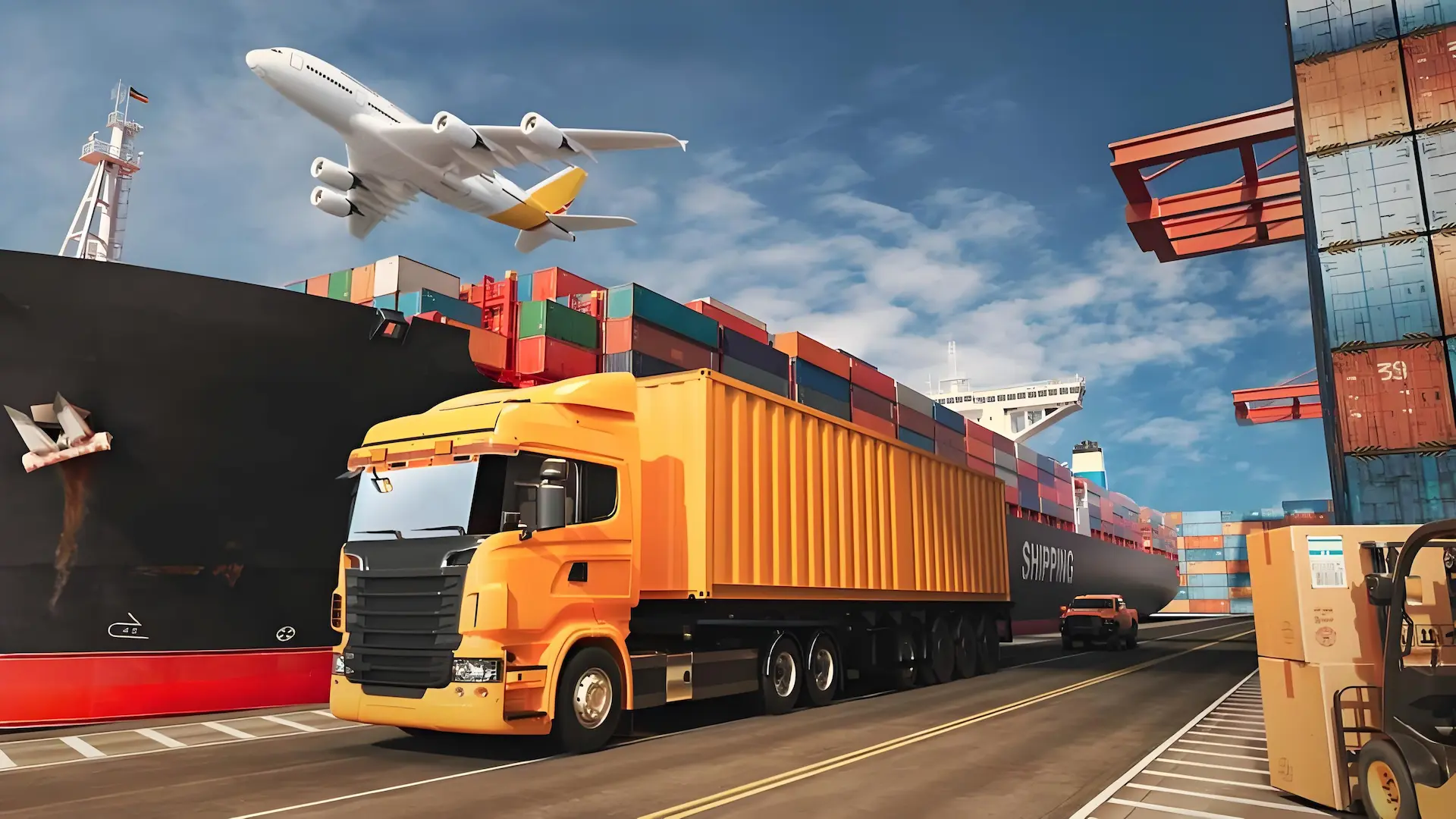
Consistent packaging boosts overseas customer trust and reduces returns — critical for global hardware distribution.
Conclusion
There’s no one-size-fits-all answer. Both manual and automated packaging have roles in the hardware parts sector.
-
Manual fits small-scale, highly customized runs or workshops where investment is limited.
-
Automated packaging becomes the clear winner when production volume grows, quality and consistency matter, and long-term cost goals are strategic.
But the trend is unmistakable: industries that adopt automated packaging systems gain measurable improvements in throughput, quality, and overall operational competitiveness — especially when packaging screws, nuts, bolts, chains, and other fast-moving hardware parts.
Automated packaging isn’t just a technology upgrade — it’s a strategic foundation for scaling hardware manufacturing in a competitive global market.


One Response
Automated packaging seems like a great solution for businesses looking to scale, especially when it comes to consistency with small, intricate parts. The upfront cost can be a hurdle, but the long-term efficiency gains are definitely worth considering for larger operations.