In today’s manufacturing environment, packaging efficiency is no longer about top speed.
It’s about control.
Control when SKUs multiply.
Control when batch sizes shrink.
Control when customer requirements change faster than production plans.
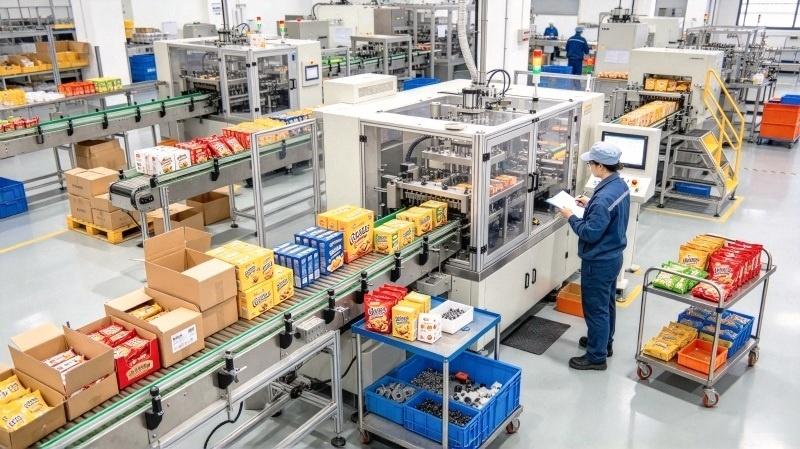
For food, pharmaceutical, and electronics manufacturers, this pressure lands hardest at the cartoning stage. And that’s exactly why smart cartoners are becoming the backbone of modern secondary packaging lines.
They don’t just move cartons.
They stabilize complex production.
Why High-SKU Production Breaks Traditional Cartoning Lines
Most cartoning machines were designed for a different era.
Long runs.
Few SKUs.
Minimal changeovers.
That’s not how factories operate anymore.
Today’s reality looks more like this:
-
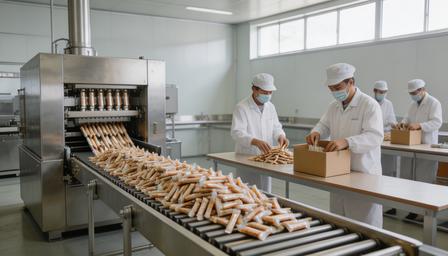
A snack factory switches between retail cartons, club packs, and e-commerce formats—sometimes within the same shift
-
A pharmaceutical plant runs multiple short batches with different leaflets, codes, and compliance rules
-
An electronics manufacturer packages multiple component variants, each with unique inserts and protection requirements
Traditional cartoners struggle here because they rely on manual adjustment, operator memory, and trial-and-error during every change.
The result?
-
Longer changeovers
-
Higher error rates
-
Unpredictable output
The line isn’t slow.
It’s unstable.
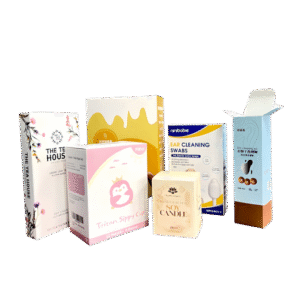
What “Smart Cartoning” Really Means in High-SKU Environments
A smart cartoner isn’t just automated—it’s adaptive.
It’s designed to absorb variation instead of fighting it.
Key capabilities that define a smart cartoner:
Rapid Changeover Without Guesswork
-
Recipe-based SKU settings stored in the system
-
Tool-less adjustments for carton size, inserts, and closures
-
Changeovers measured in minutes, not half hours
Intelligent Error Prevention
-
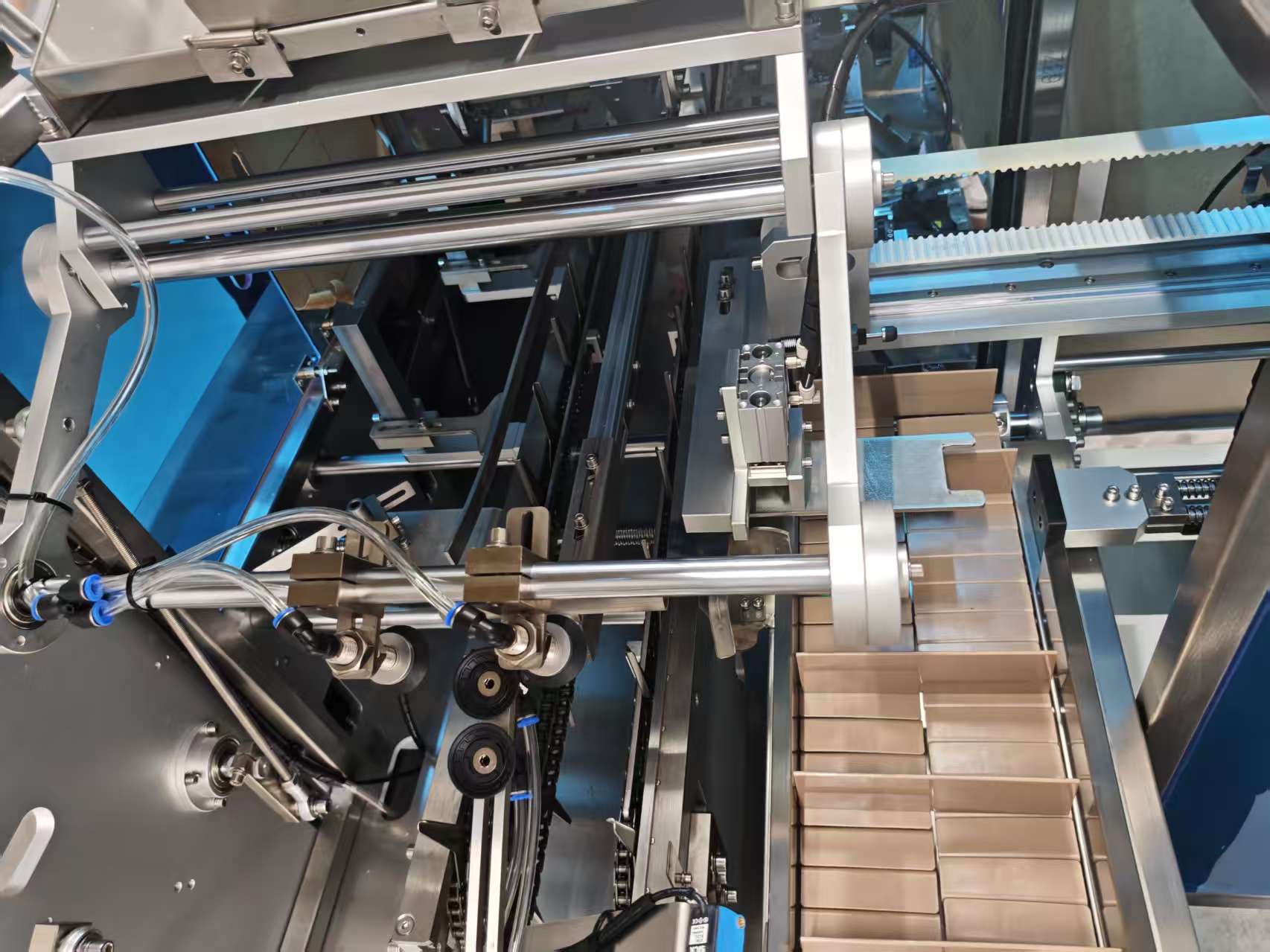
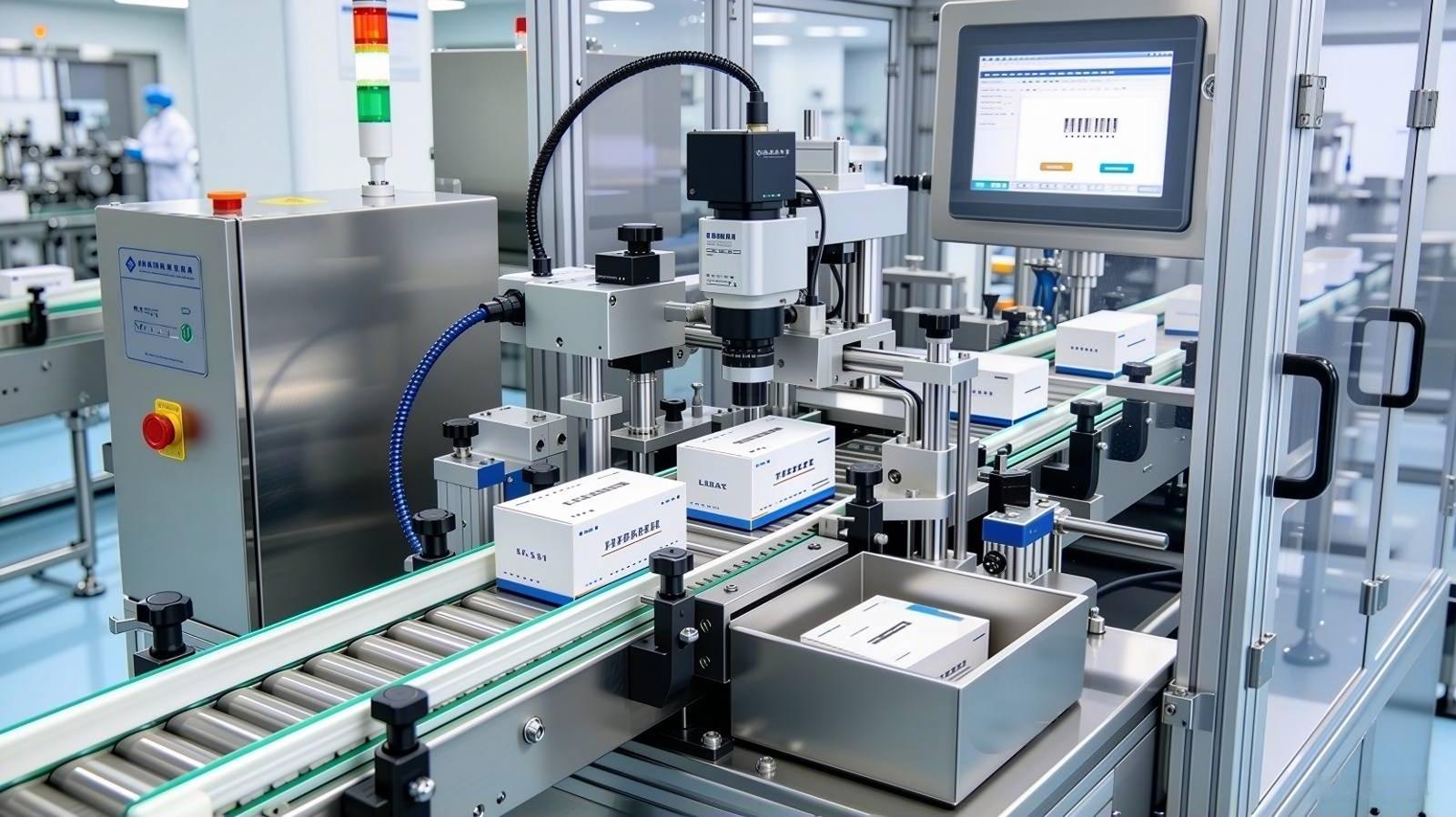
Sensors detect misfolded cartons, missing inserts, or positioning issues before jams occur
-
Automatic correction or rejection—without stopping the line
-
Less dependence on constant operator supervision
Data-Driven Consistency
-
Real-time tracking of downtime, rejects, and changeover duration
-
Performance visibility across SKUs, shifts, and operators
-
Decisions based on data—not assumptions
Modular System Design
-
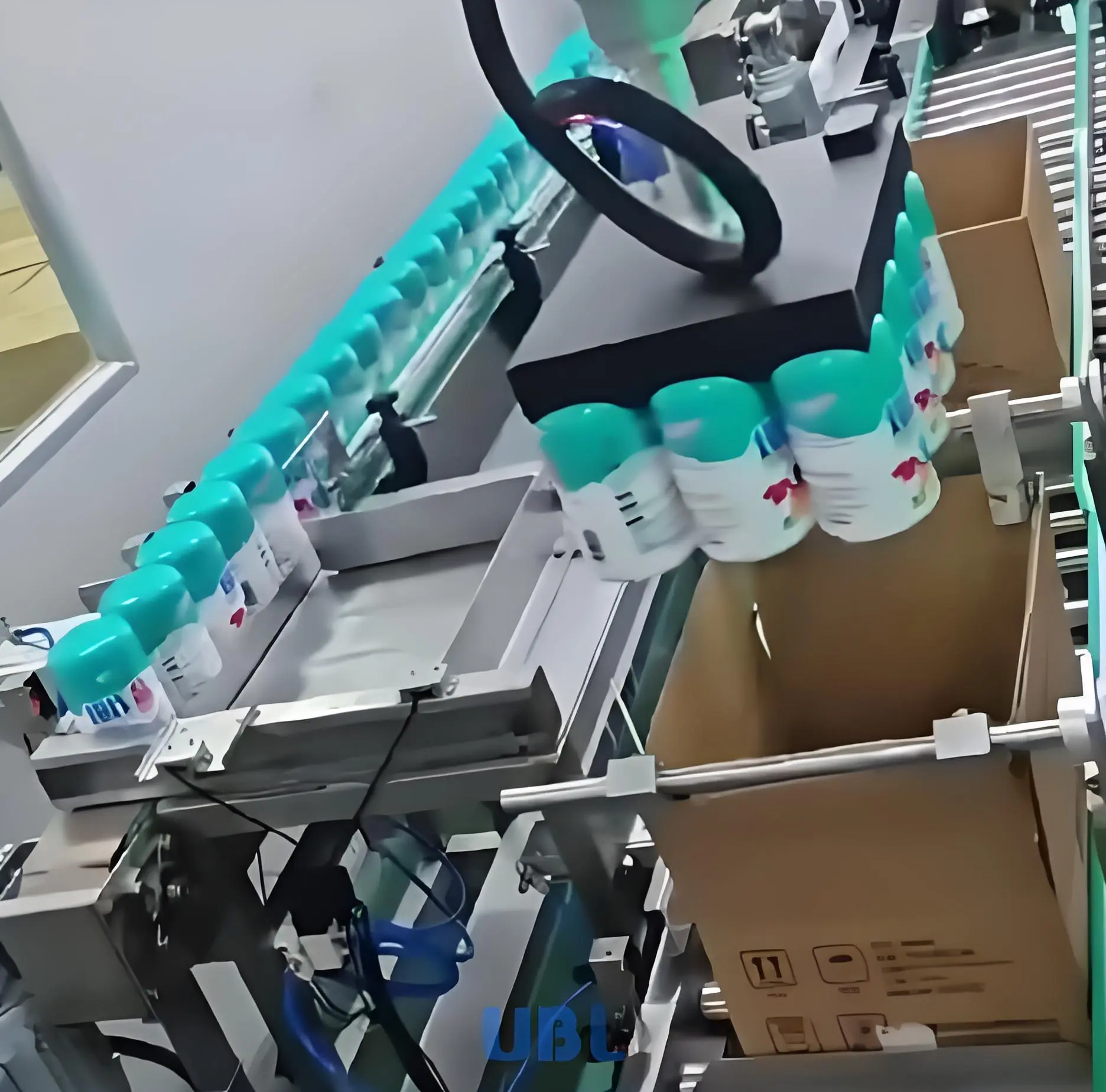
Easy integration with folding, feeding, inspection, labeling, and palletizing
-
Scalability as SKU counts increase
-
No need to rebuild the entire line every time requirements change
Smart cartoners don’t eliminate complexity.
They contain it.
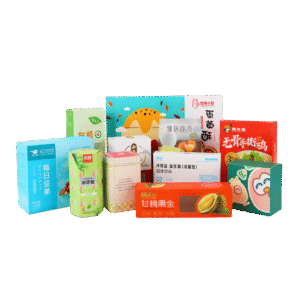
How Smart Cartoners Solve Real Problems Across Industries
Food Packaging: Managing Variety Without Sacrificing Rhythm
Food manufacturers live in a world of constant change:
-
Seasonal SKUs
-
Private label variations
-
Different pack counts for different channels
Smart cartoners help by:
-
Handling inconsistent carton quality without jamming
-
Maintaining stable carton erection and closing across formats
-
Supporting hygienic design standards during frequent changeovers
For secondary packaging lines, this stability keeps upstream production flowing and downstream processes predictable.
Pharmaceutical Packaging: Accuracy Under Pressure
In pharma, SKU complexity isn’t optional—it’s regulated.
Short batches, multiple leaflets, serialization, and strict documentation requirements leave no room for error.
Smart cartoners support compliance by:
-
Verifying leaflet insertion with vision systems
-
Ensuring correct carton–product matching
-
Logging every run parameter for audit readiness
Here, automation isn’t about speed.
It’s about risk control.
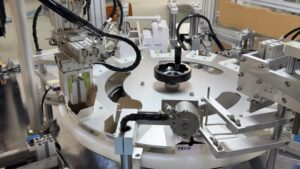
Electronics Packaging: Precision for Fragile Variants
Electronics packaging must balance protection, presentation, and consistency—across many variants.
Smart cartoners enable:
-
Controlled insertion force for sensitive components
-
Flexible handling of different inserts and cushioning materials
-
Uniform sealing that protects products during transport
The payoff is fewer damages, fewer returns, and more consistent brand presentation.
The Line-Level Impact: Stability Spreads Everywhere
When cartoning becomes predictable, the entire line benefits.
-
Upstream folding and feeding synchronize smoothly
-
Downstream inspection and palletizing stop buffering delays
-
Labor shifts from firefighting to monitoring
-
Maintenance becomes planned instead of reactive
This is why smart cartoning is no longer viewed as a single machine upgrade.
It’s a system stabilization strategy.
Why UBL Designs Smart Cartoners for High-SKU Reality
At UBL Packaging, smart cartoning isn’t a feature—it’s a design philosophy.
Our cartoning solutions focus on:
-
Flexible configuration for frequent SKU changes
-
Mechanical stability over peak theoretical speed
-
Seamless integration with folding, weighing, inspection, labeling, bagging, and end-of-line automation
-
Clear operational data so managers can trust the plan again
We design for real factories, not ideal ones.
Final Thought
High-SKU production doesn’t have to feel chaotic.
When cartoning adapts instead of resists, variability stops being a liability—and starts becoming manageable.
The factories that win aren’t the ones running the fastest machines.
They’re the ones running the most predictable lines.
One Question Worth Asking
How much time does your team lose each shift managing changeovers, correcting errors, or protecting the cartoner from variability?
That lost time is exactly where smart cartoning delivers value.
If you want, tell me:
-
Your industry
-
SKU count per shift
-
Current cartoning pain point
For many manufacturers, upgrading cartoning intelligence is the moment chaos turns into control.