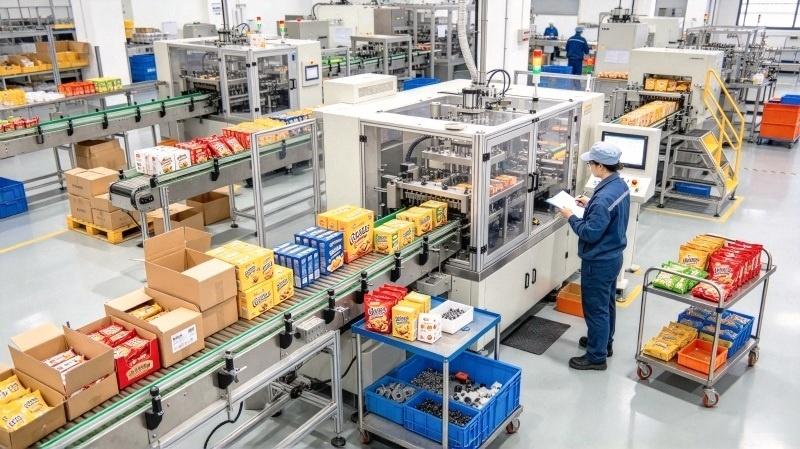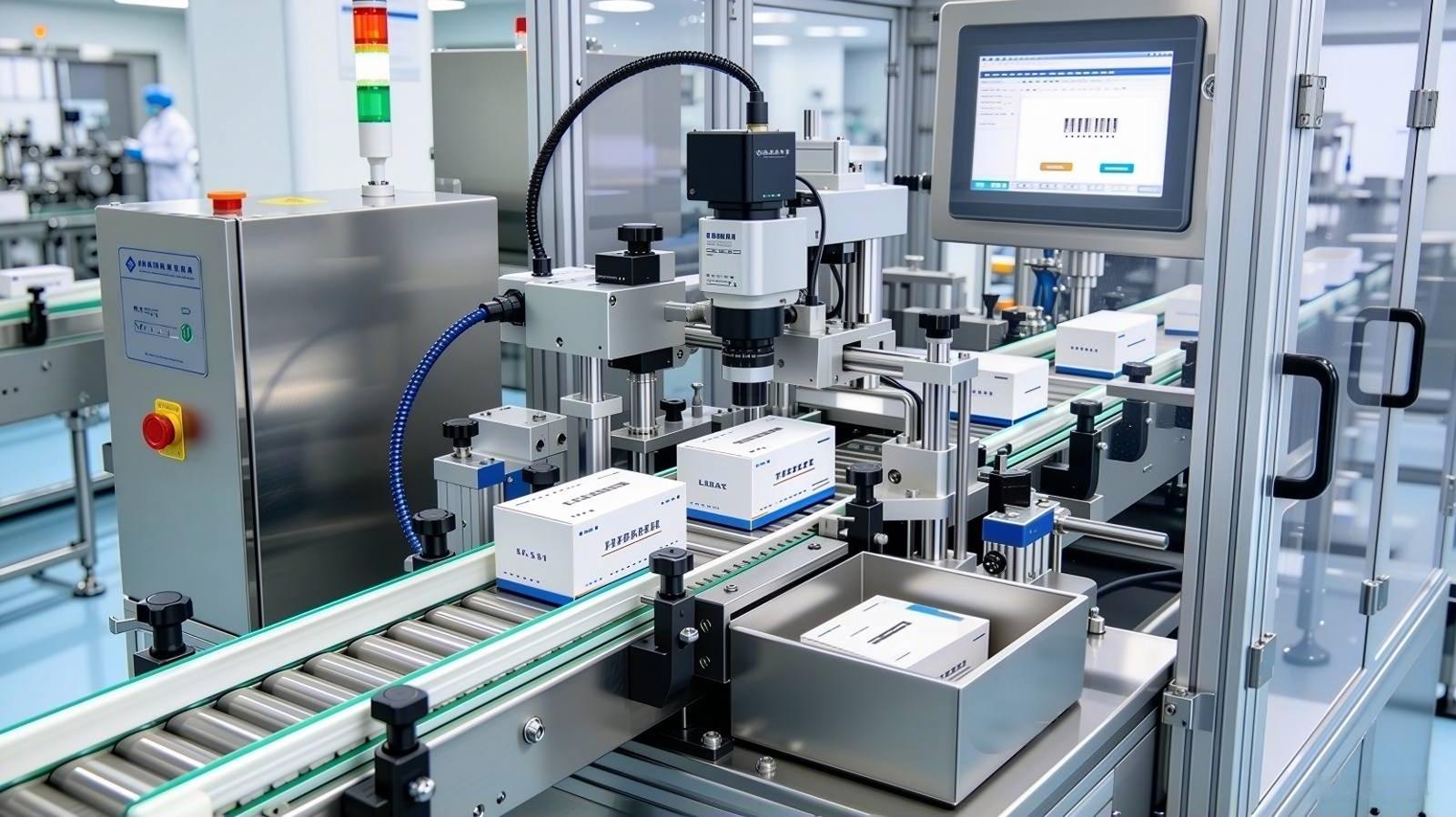
Manual Cartoning Is Eating Profit in Private Label Biscuit Factories
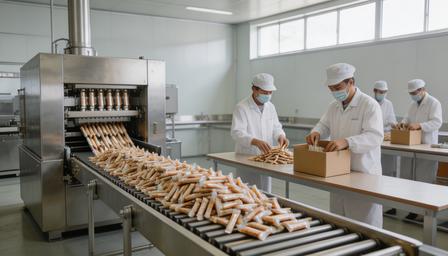
In private label biscuit factories, the real profit leak often isn’t production — it’s manual cartoning.
Most biscuit lines can run smoothly. Mixing, baking, cooling, even primary packing are usually stable. The real stress point comes later, when products reach secondary packaging. That’s where constant order changes collide with manual work — and margins quietly disappear.
Private label factories don’t run one brand. They run dozens.
Why Private Label Biscuit Orders Are So Hard on Cartoning
Unlike branded production, private label work changes all the time. One biscuit, many customers — and every customer wants something slightly different.
Typical private label requirements include:
-
Different carton sizes
-
Different pack counts per box
-
Different barcodes and layouts
-
Different retail standards
The product stays the same.
The cartoning rules do not.
That’s why cartoning becomes the most sensitive step in private label biscuit packaging.
Where Manual Cartoning Starts to Break Down
Manual cartoning works best when everything stays the same. Private label production does the opposite.
Every changeover forces the line to slow down.
Operators need to:
-
Relearn counting logic
-
Adjust to new box sizes
-
Double-check inserts and layouts
Efficiency drops, not because workers are careless — but because human memory isn’t built for constant rule switching.
And when orders change frequently, efficiency never fully recovers.
Errors Multiply When Variants Run Close Together
Private label lines often run multiple versions in the same shift. That’s where manual cartoning becomes risky.
Common issues include:
-
Wrong pack counts
-
Mixed cartons
-
Incorrect labeling
-
Extra rechecking and supervision
Even small mistakes can lead to:
-
Rework
-
Delayed shipments
-
Customer complaints
-
Rejected orders
In private label, one cartoning error doesn’t just affect one box — it can damage the relationship with an entire retail chain.

How Manual Cartoning Quietly Shrinks Margins
Private label margins are already tight. Manual cartoning makes them tighter.
Hidden costs add up fast:
-
Paid labor during slow changeovers
-
Lower output per shift
-
Higher cost per carton
-
Extra management time spent “watching”
Management often ends up micromanaging packaging instead of running the factory.
And none of this shows up clearly on a single cost line — it shows up as disappearing profit.
This Is Not a Training Problem
Most factories try to fix manual cartoning by:
-
Training more
-
Writing clearer SOPs
-
Assigning senior workers
These steps help, but only to a point.
The real issue is structural.
Manual cartoning depends on people remembering and switching rules perfectly, all day long. As order complexity increases, that model simply doesn’t scale.
How a Cartoning Machine Changes the Equation
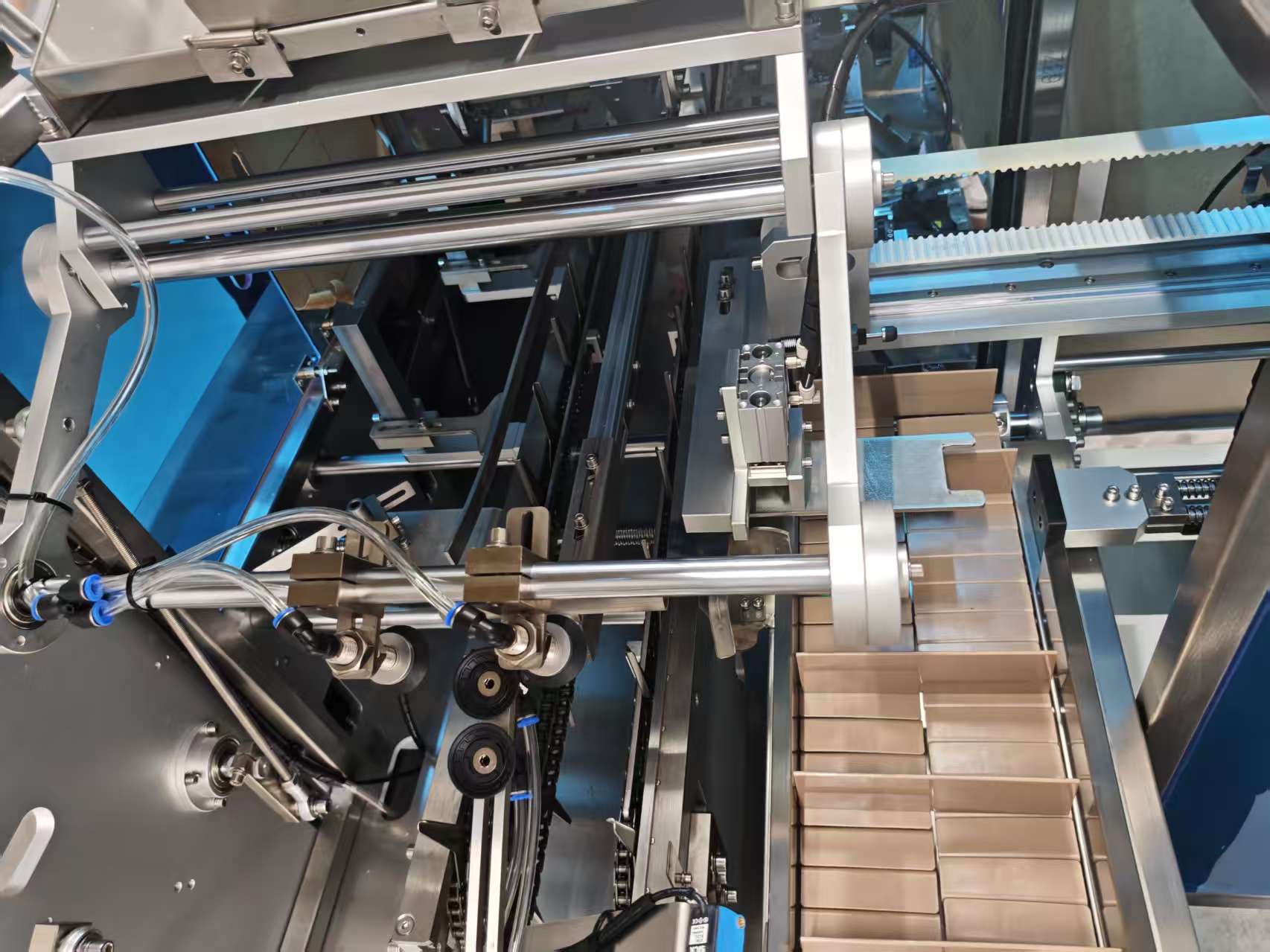
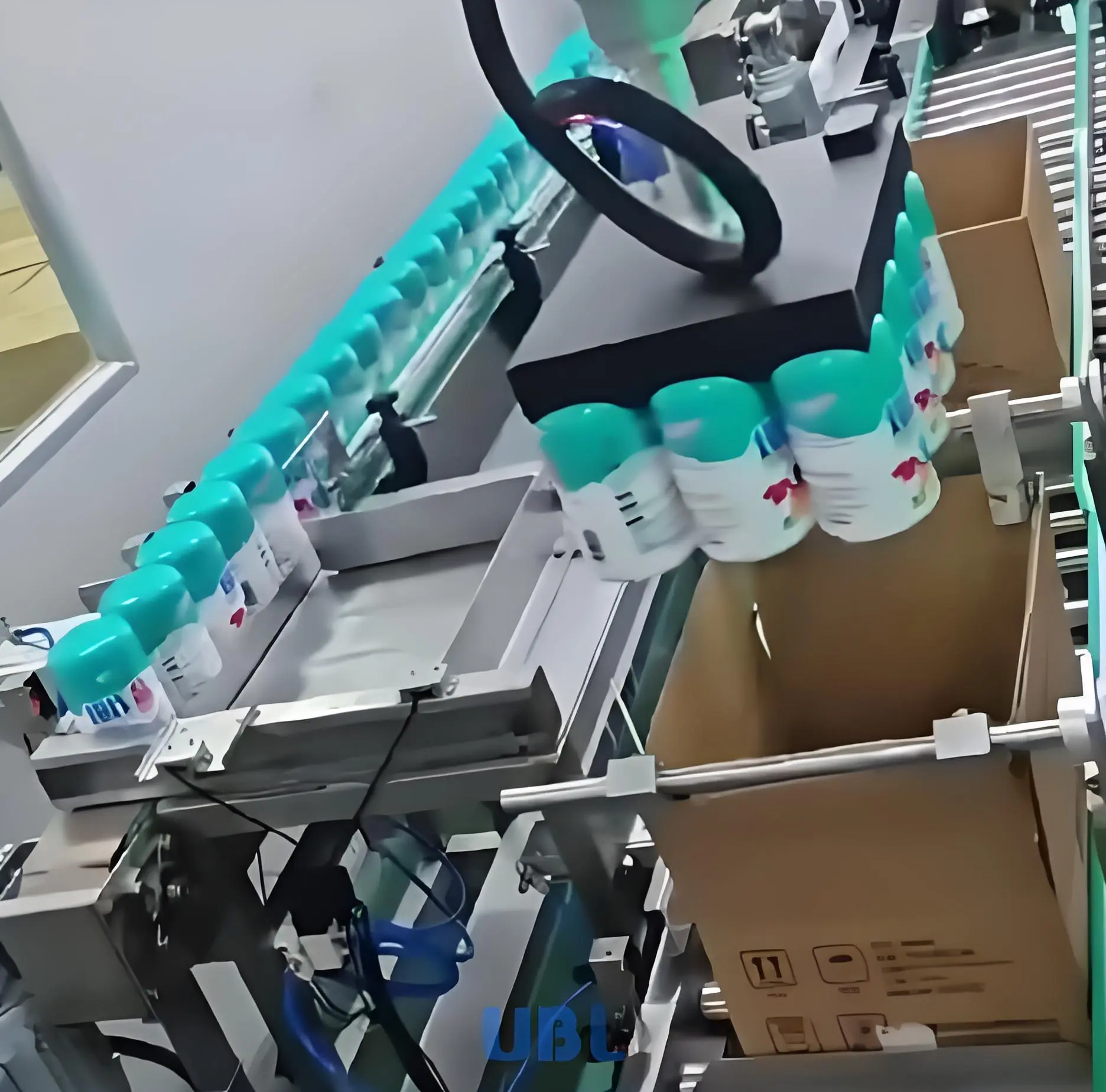
This is where a cartoning machine makes a real difference — especially for private label biscuit factories.
We’re talking about secondary packaging:
cartoning after individual packs, with no direct food contact.
That’s exactly where automation delivers the fastest return.
A cartoning machine:
-
Controls pack counts through settings, not memory
-
Handles different box sizes with structured changeovers
-
Keeps output stable even when orders change
-
Reduces reliance on constant supervision
Instead of resetting efficiency every time, the line stays predictable.
👉 Learn more about UBL’s cartoning solutions here:
Reliability Matters More Than Speed in Private Label Work
This isn’t about running faster at all costs.
Private label success depends on:
-
Hitting customer-specific requirements
-
Keeping quality consistent
-
Delivering on time, every time
A cartoning machine doesn’t just increase speed — it stabilizes performance when complexity is high. That stability protects both margin and customer trust.
Industry packaging data shows that reducing manual handling in secondary packaging significantly lowers error rates in multi-SKU production.
A Question Worth Asking
How many different carton versions does your biscuit factory handle each week?
And how much efficiency is lost every time your team switches?
For many private label biscuit factories, reducing manual cartoning isn’t about automation for its own sake — it’s about protecting profit in a business where every small mistake costs more than it should.
Ready to stop letting manual cartoning eat into your private label biscuit factory’s profits — while also delivering the satisfying, consistent packaging consumers crave? Reach out to us: our engineers will design a custom food automation packaging line tailored to your factory’s unique order variants, carton requirements, and production volume. Let’s protect your margins and upgrade your packaging quality together.