
Online Orders Aren’t Slowing Down — Warehouses Feel It First
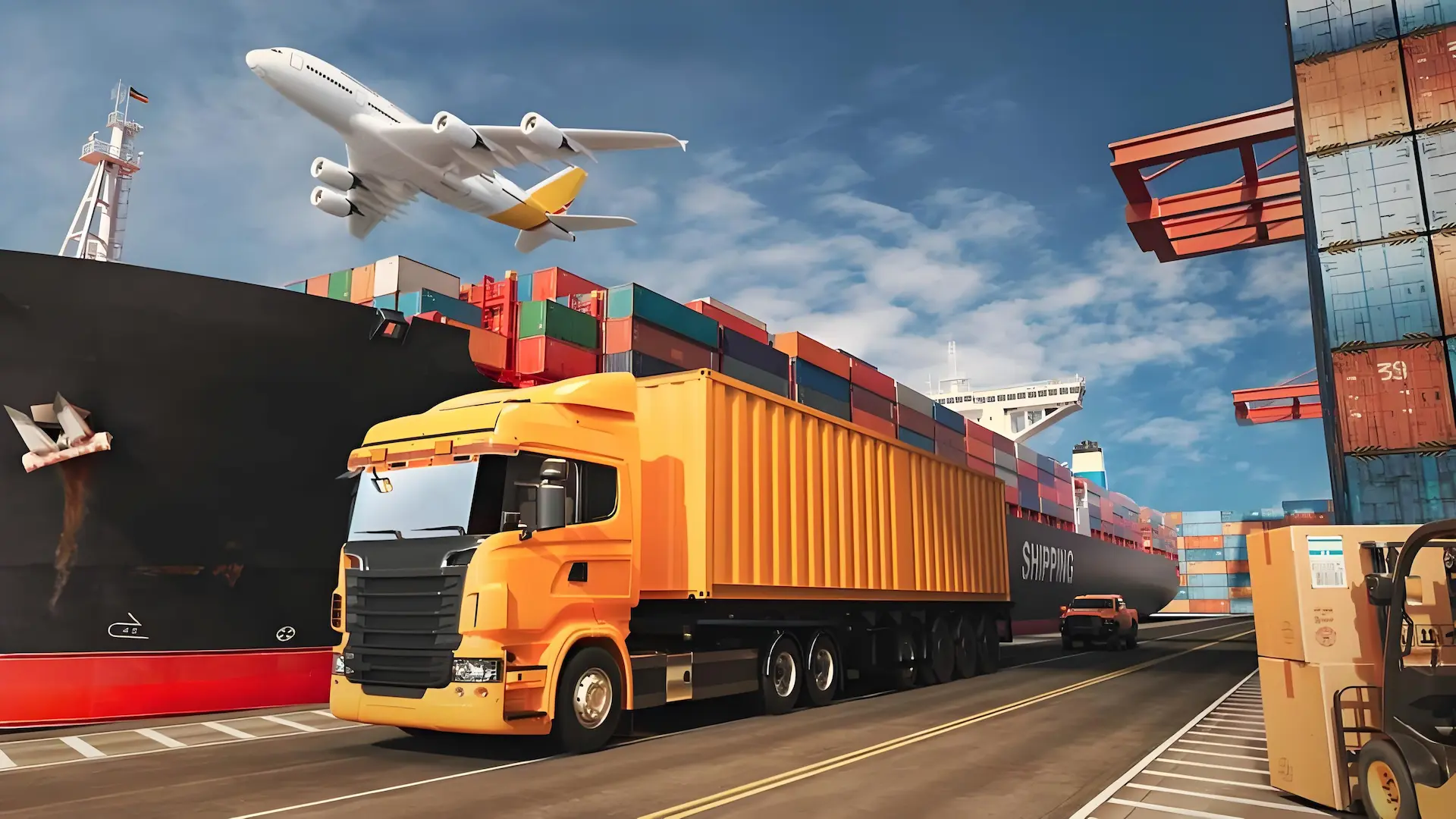
Online shopping keeps breaking records. From small cosmetic boxes to oversized snack bundles, customers expect fast shipping and clean packaging every time.
The pressure usually hits warehouses first. When order volume jumps, packing becomes the bottleneck — especially if teams are still folding cartons and taping boxes by hand. It works, but it’s slow, inconsistent, and exhausting.

Manual Packing Has Its Limits
Most operations don’t start out planning to automate. Manual packing feels flexible at first, especially when order sizes vary.
But over time, the problems show up:
-
Speed depends too much on labor availability
-
Box quality varies from person to person
-
Labor costs rise faster than output
At peak seasons, these issues get magnified. Adding more people doesn’t always fix the problem — it often just adds chaos.
Why Automation Fits E-Commerce Better Than Ever
E-commerce packaging isn’t about one perfect box size. It’s about handling many SKUs quickly, without slowing the line.
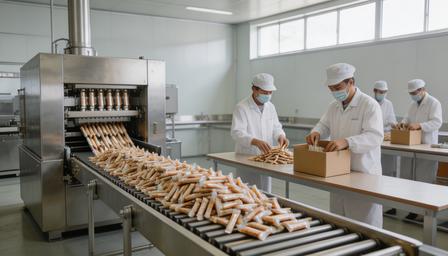
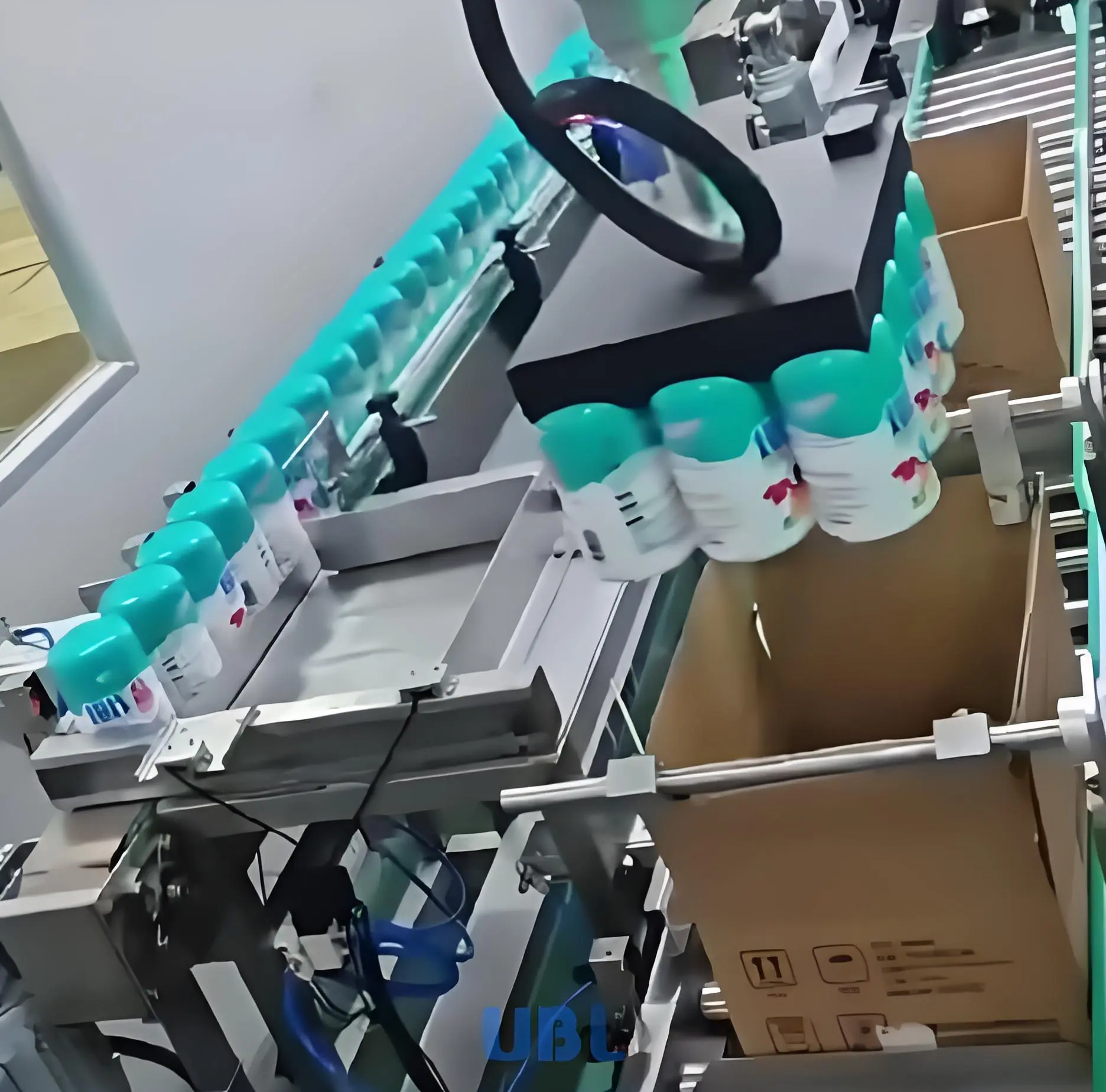
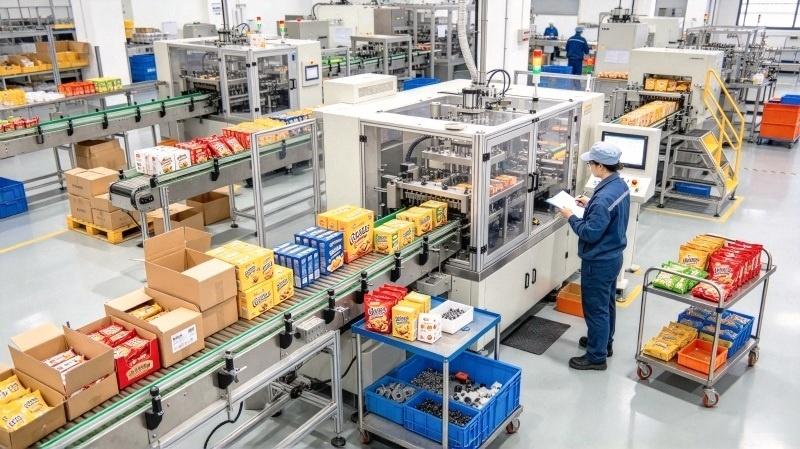
That’s where automatic cartoning and bagging systems make sense. Instead of hands folding and sealing, machines handle repetitive steps consistently. Boxes are formed neatly, products are inserted smoothly, and seals stay tight from the warehouse to the customer’s door.
According to supply chain and workplace efficiency studies, automation also helps reduce repetitive strain and packaging errors【1】.

Where UBL’s Cartoning & Bagging Systems Step In
This is where we can be a bit more technical.
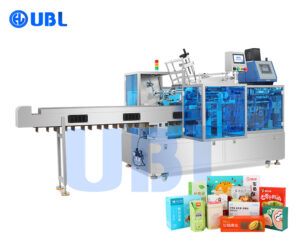
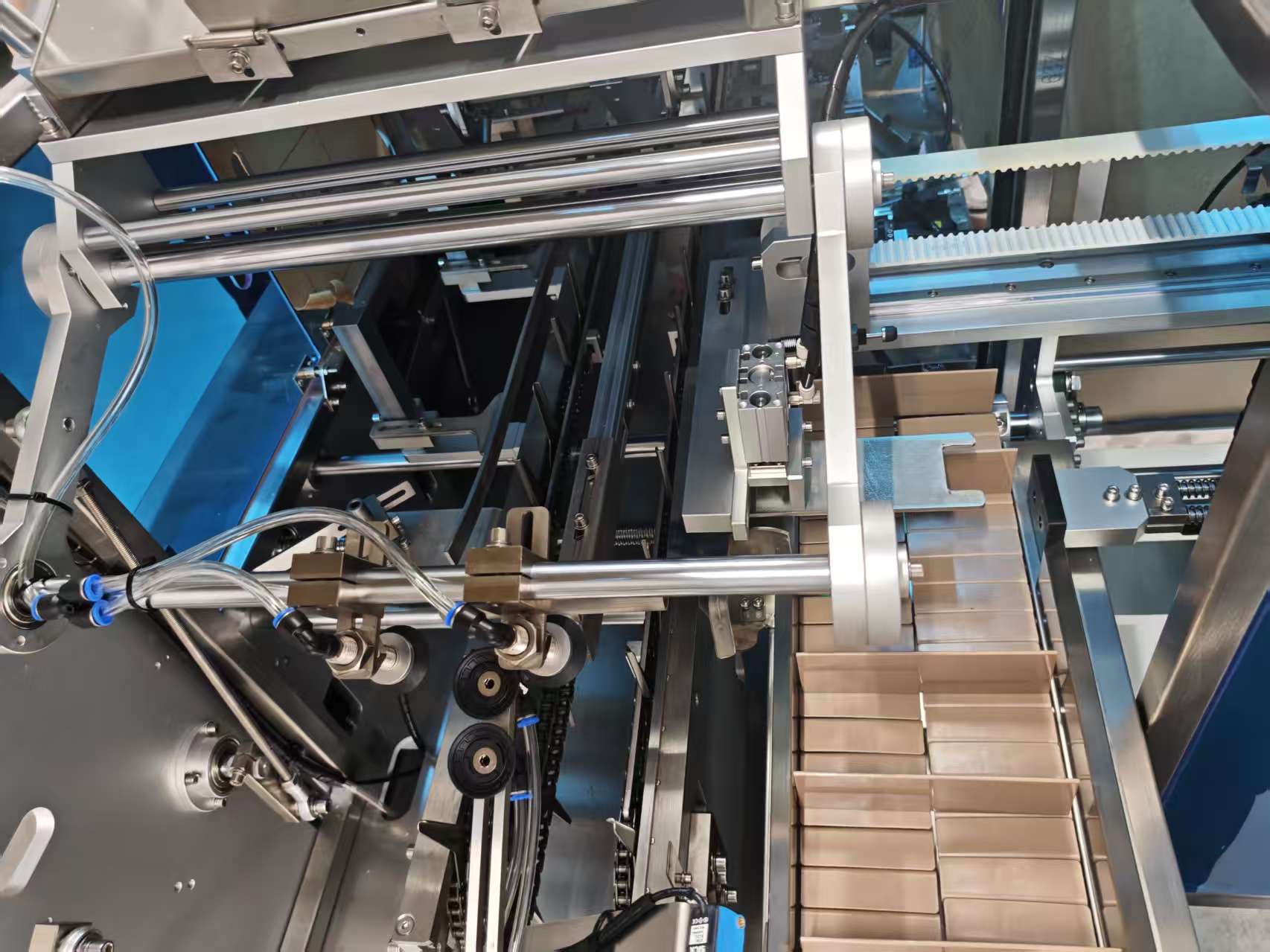
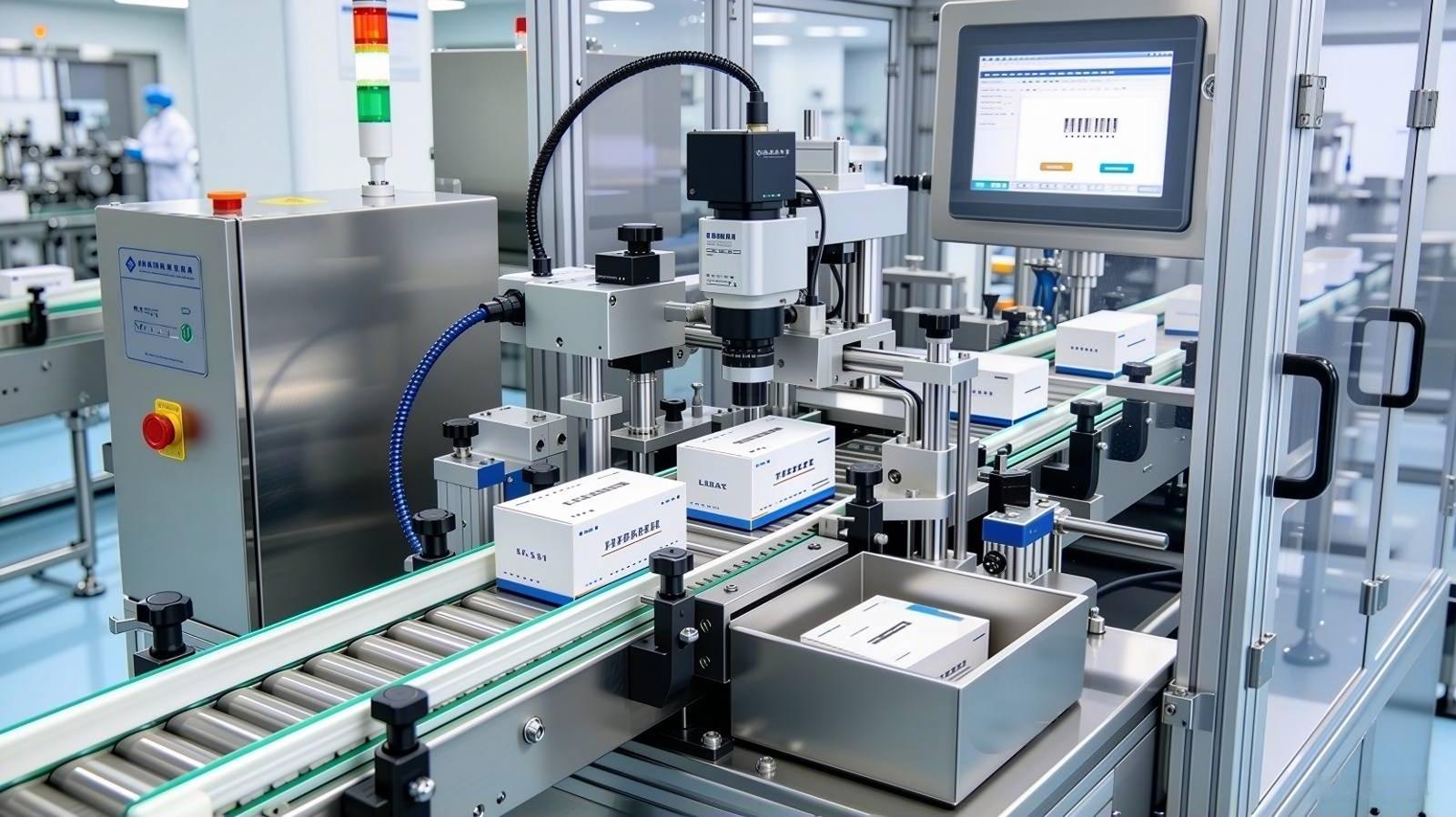
UBL’s automatic cartoning machines are designed to handle changing order sizes without constant adjustment. Servo-driven movements keep box forming precise, while stable feeding systems help maintain speed during long runs.
Bagging machines add another layer of flexibility, especially for soft goods or bundled items. Together, these systems help warehouses move from manual packing to scalable automation — without rebuilding the entire line.
You can explore our 👉 cartoning machine solutions here.
Speed Isn’t the Only Benefit
Automation isn’t just about packing faster. It also improves consistency. Customers notice when boxes arrive clean, square, and properly sealed.
Studies on e-commerce fulfillment point out that packaging quality directly affects customer satisfaction and return rates【2】. A box that opens cleanly and protects the product does more than look good — it builds trust.
Is Your Warehouse Ready for the Next Peak?
If your team is already stretched during busy weeks, the next surge won’t get easier. Automation doesn’t replace people — it removes the most repetitive tasks so teams can focus on flow, accuracy, and quality.
If you’re evaluating options or just want to understand what level of automation makes sense for your operation, it helps to talk through real order data, not just machine specs.
Let’s look at your current packing process and see where automation can actually make a difference.
References
【1】U.S. Bureau of Labor Statistics – Ergonomics & Repetitive Task Reduction
【2】McKinsey & Company – E-Commerce Fulfillment & Customer Experience


4 responses
It’s interesting how manual packing, which seems like an adaptable solution in the beginning, turns into a major constraint as orders pile up. Automation definitely seems like the way forward for businesses trying to scale efficiently.
It’s really striking how the shift toward e-commerce has amplified the need for scalable packaging solutions. The manual packing bottleneck is a common pain point we’ve seen across multiple industries — especially during peak seasons. It’s clear that automation isn’t just about efficiency anymore, but about staying competitive in a fast-moving market.
As someone who’s watched e-commerce grow rapidly over the past few years, I can definitely relate to the bottleneck manual packing creates. It’s interesting how the shift toward automation isn’t just about efficiency — it’s about keeping up with customer expectations for speed and consistency. The article does a great job highlighting that warehouses are often the first to feel the pressure, which makes sense when you think about how quickly order volumes can spike.
It’s fascinating how the shift to e-commerce exposes manual packing as the true bottleneck rather than just a cost center. Focusing on automation to handle that volume spikes seems essential for maintaining both speed and the consistent presentation customers now expect. This transition is becoming less about choice and more about survival for warehouses facing such record-breaking order volumes.