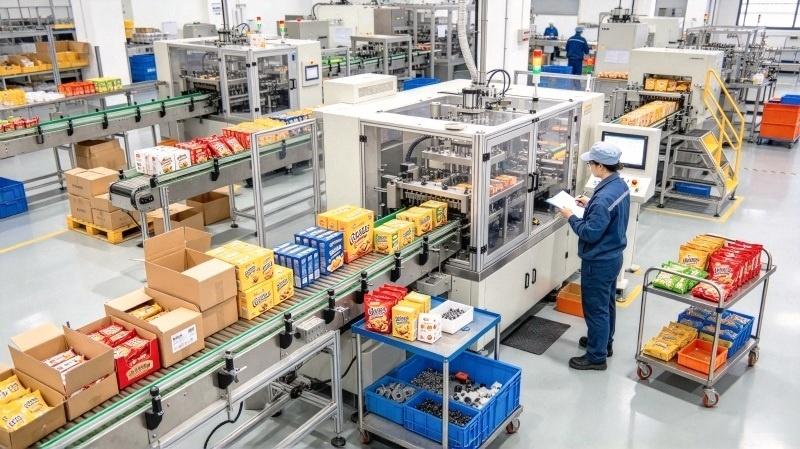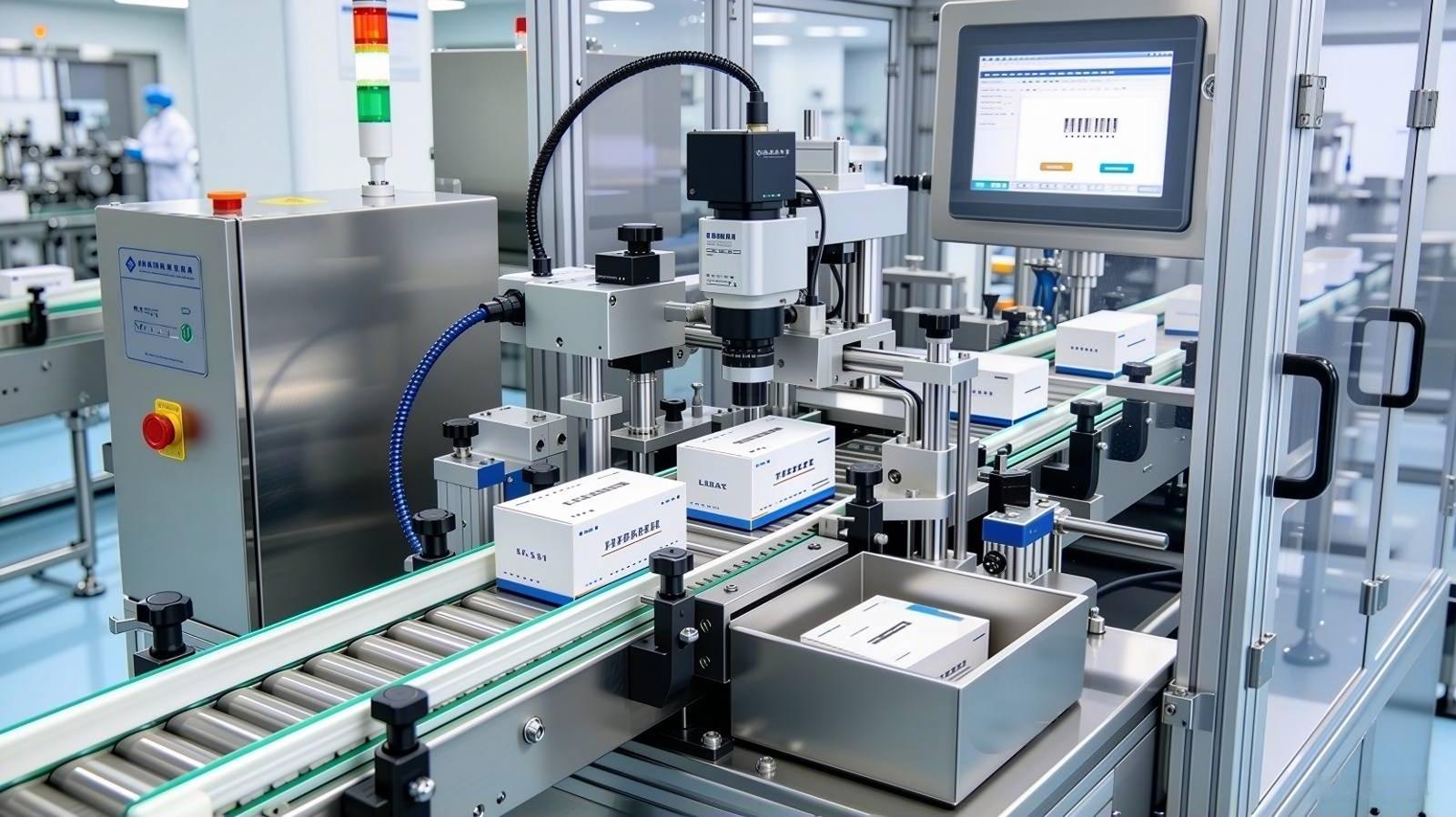
Over the past decade, I’ve walked factory floors, sat in boardrooms, and troubleshot production lines alongside engineers—witnessing firsthand how B2B packaging automation has evolved from a “nice-to-have” add-on into a mission-critical pillar of business operations.
What once revolved around speed and cost reduction has transformed into a strategic battleground defined by intelligence, sustainability, and system-level integration. Along the way, we’ve uncovered what truly keeps plant managers awake at night, which decisions ultimately determine ROI success or failure, and which industry shifts will shape the next ten years.
This is neither a sales pitch nor a trend forecast. It is a distilled account of real-world lessons: operational pain points, hard-earned insights, and structural changes that matter far more than glossy machine specifications.
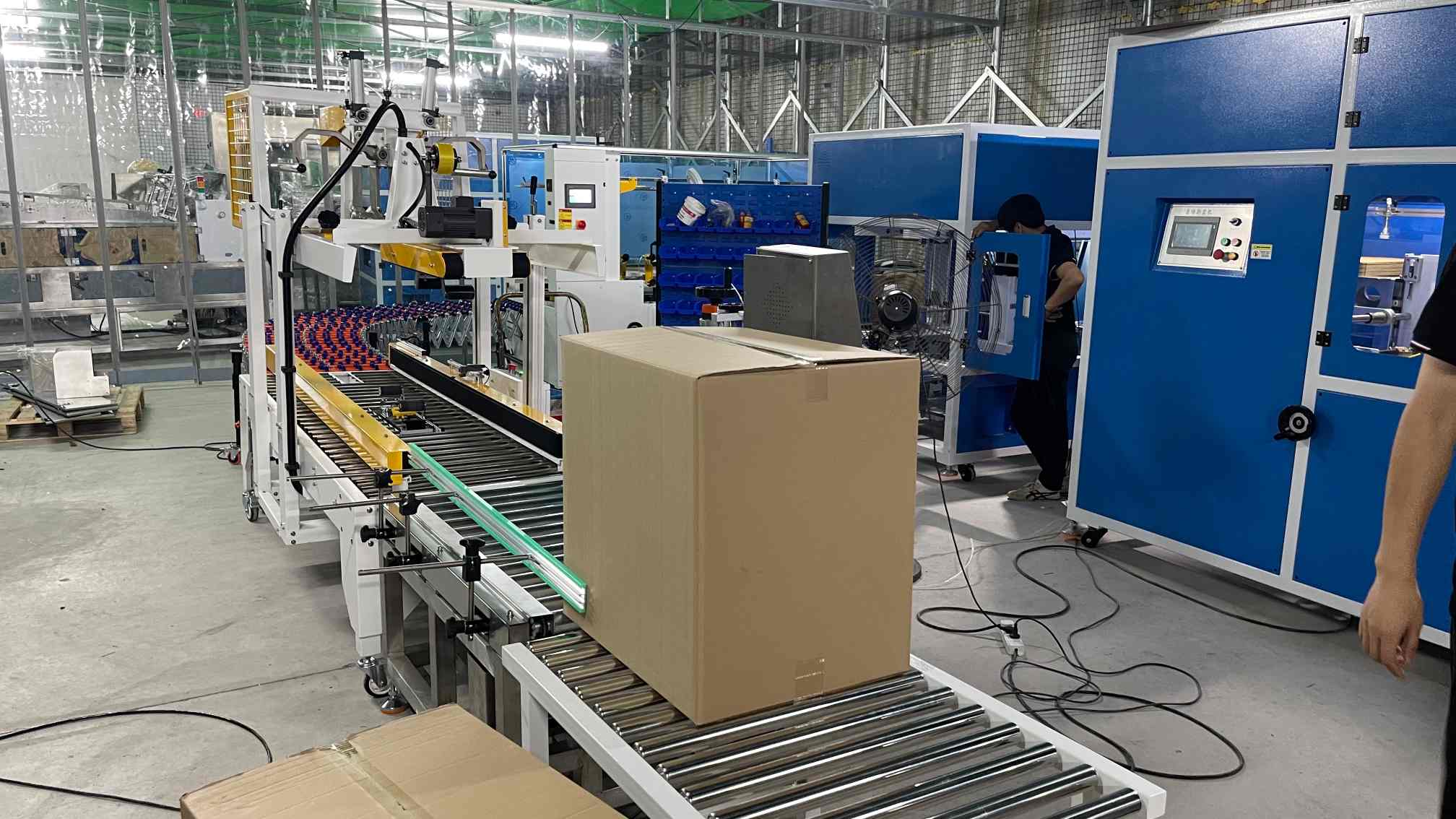
From “Faster” to “Smarter”: Why Speed Alone No Longer Wins in B2B Packaging Automation
Ten years ago, the first question customers asked about a cartoner or case packer was always:
“How fast does it run?”
Speed dominated KPIs. A machine capable of 150 cartons per minute easily outshined one running at 100—no further discussion required.
Today, that question is quickly followed by:
“Can it connect to our MES?”
“How fast can it switch SKUs?”
“Does it support unit-level serialization and traceability?”
The “Speed Trap” We’ve All Fallen Into
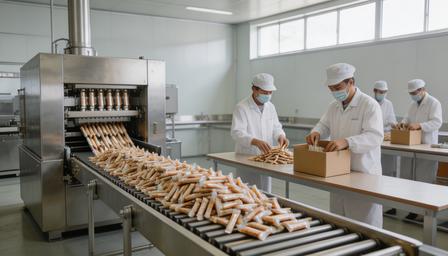
Early in my career, I supported a snack food manufacturer that invested in a high-speed horizontal cartoner rated at 120 cartons per minute for a potato chip line. The deal closed, bonuses were paid, and expectations were high.
Within six months, actual operating speed dropped to 80 cartons per minute.
Why? The machine couldn’t tolerate real-world variability—slight changes in bag thickness, minor logo misalignment, or inconsistent upstream flow. What looked like a “high-speed” solution on paper became the bottleneck in practice, simply because it lacked the adaptive intelligence required in modern B2B packaging automation.
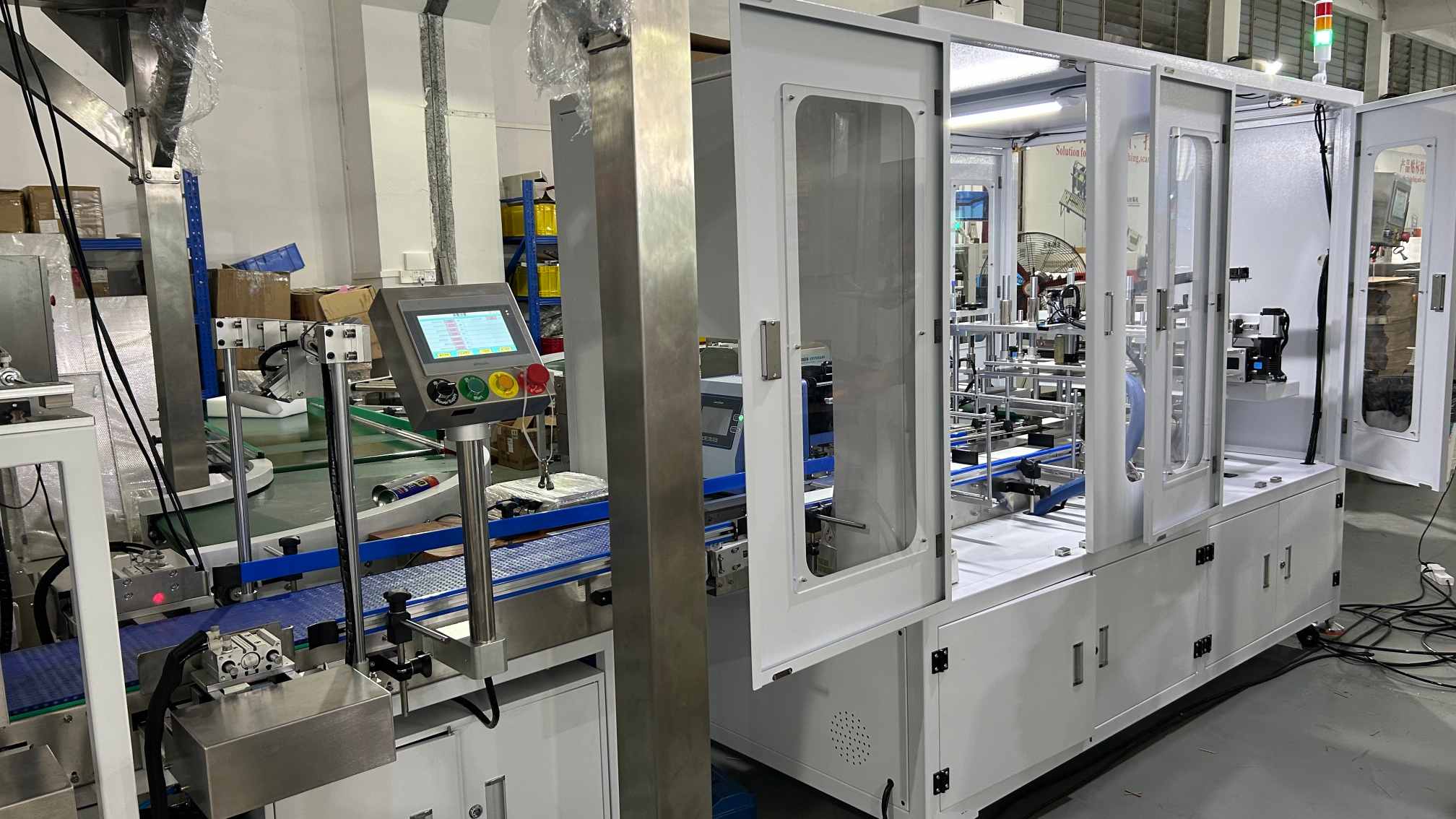
What Customers Want Today: Smart Systems, Not Just Fast Machines
Leading manufacturers no longer buy standalone machines; they invest in systems that integrate seamlessly into their production ecosystem.
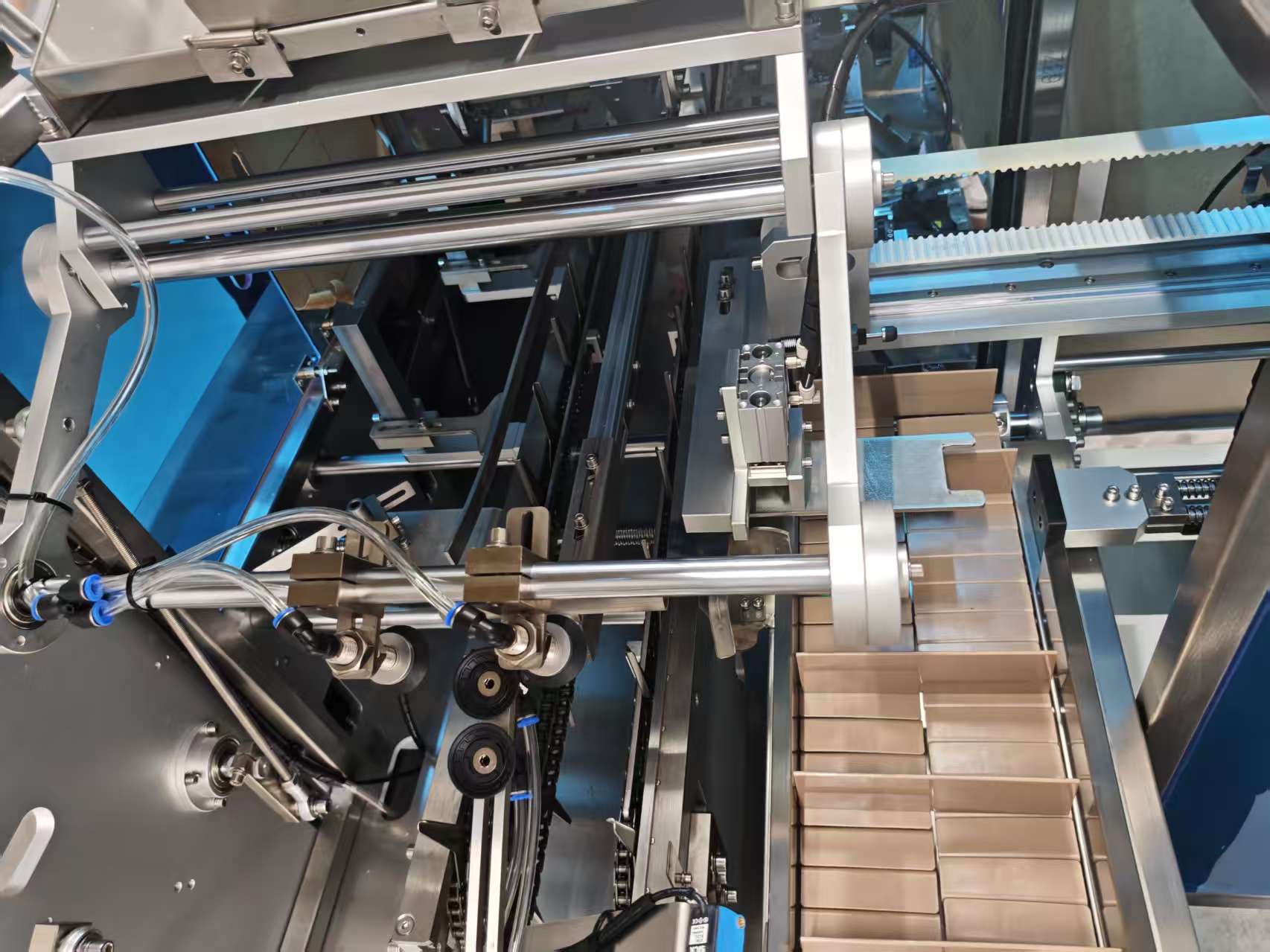
One pharmaceutical client recently replaced a legacy cartoner with an intelligent packaging automation solution connected to their MES and serialization software. The system:
-
Automatically adapts to multiple blister pack sizes (100–200 mm length, 50–150 mm width)
-
Logs unit-level serialization data in real time【1】
-
Detects alignment deviations early and alerts operators before downtime occurs
The outcome was transformative: defect rates dropped from 0.5% to 0.02%, and manual inspection time was reduced by 40%. Line speed remained unchanged—but intelligence redefined efficiency.
Speed is now the baseline. True competitive advantage comes from machines that understand process variability, adapt dynamically, and integrate seamlessly with existing systems—the foundation of modern B2B packaging automation.
Integration Is the Real Challenge in B2B Packaging Automation—Not Machine Selection
If I had a dollar for every time a client said, “We bought the best equipment—why isn’t our line faster?”
The truth is simple: packaging automation failures rarely stem from poor machines—they result from poor integration planning.
The “Islands of Automation” Dilemma
Too many factories operate high-performance machines as isolated units, each optimized individually but disconnected from the broader system.
For many brands, especially in online retail, ecommerce packaging automation is no longer just about packing speed—it is about system-level visibility, material optimization, and the ability to scale fulfillment without multiplying labor costs.
How to Avoid Integration Pitfalls
Today, we advise every client to map the process before requesting quotes:
-
Document the full workflow — from product entry to final shipment, including manual handoffs and bottlenecks
-
Define integration success criteria — data sharing, speed synchronization, ERP/MES connectivity
-
Select modular, open-protocol equipment — machines that support standard industrial communication and future expansion
One of our fashion e-commerce clients applied this approach when building an automated plastic bag packaging line. Their integrated packaging solution folds the garments on the machine, applies product information labels, pulls order data from the system, and prints shipping labels in real time—completing end-to-end packaging and fulfillment. Without increasing machine speed, overall line efficiency improved from 65% to 90%.【6】
Automation is a team effort. Equipment must collaborate with people, software, and processes—not operate in isolation.
Sustainability Is Not a Trend—It’s a Survival Skill in B2B Packaging Automation
A decade ago, “sustainable packaging” meant recycled cardboard or a green logo on marketing materials. Today, sustainability is simultaneously a regulatory mandate, a customer expectation, and a cost-reduction lever.
Regulatory Pressure Is Permanent
The EU’s Packaging and Packaging Waste Regulation (PPWR) requires 90% of plastic packaging to be recyclable by 2029【3】. In the U.S., 35 states have enacted Extended Producer Responsibility (EPR) legislation. For manufacturers, non-compliance means losing access to key markets.
Yet sustainability also drives efficiency.
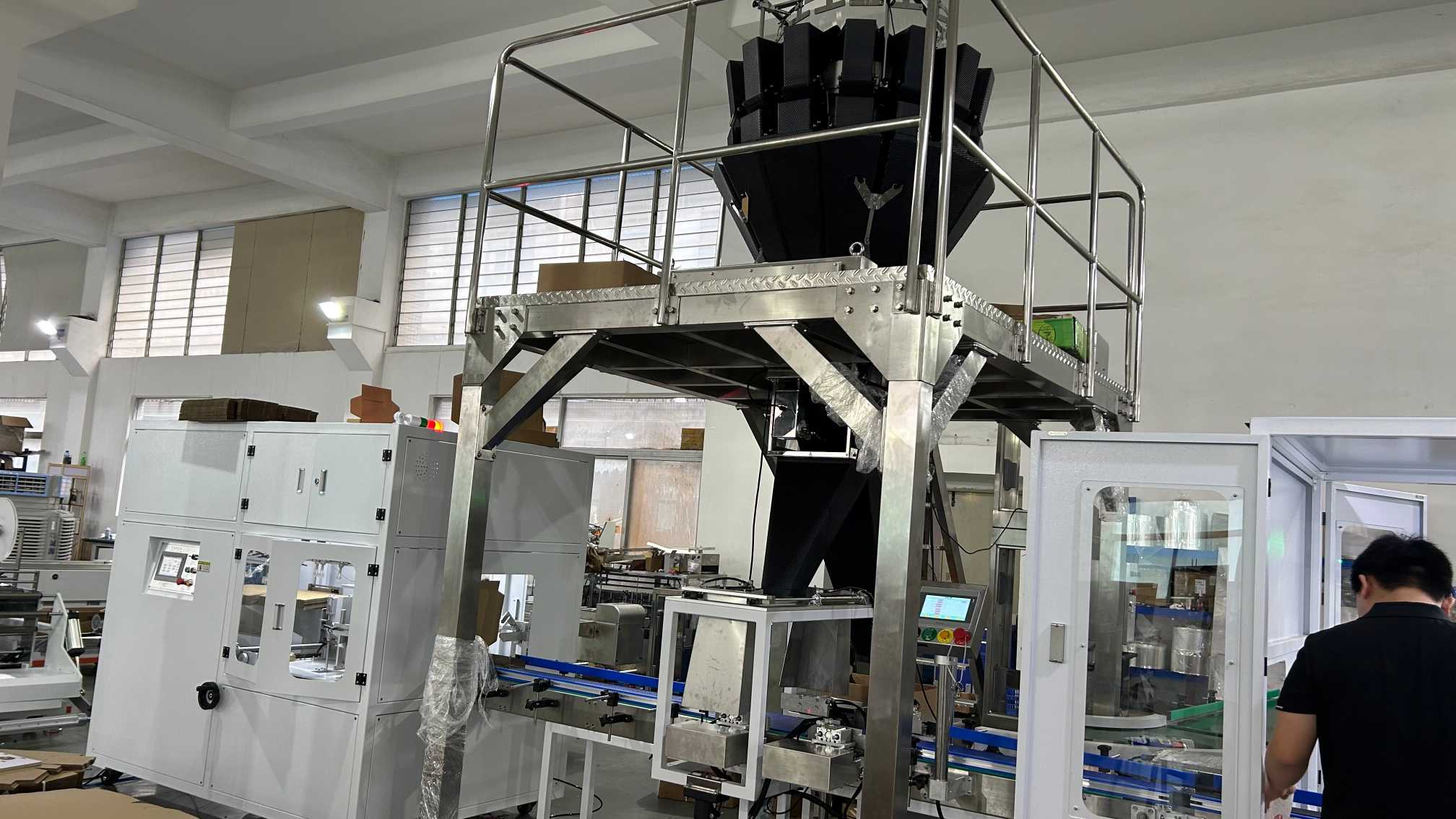
One food manufacturer replaced a glue-based cartoner with a lock-bottom, glue-free packaging automation solution (80–120 cartons/min, 30–100 mm height). The results:
-
Adhesive costs reduced by 25%
-
Carton waste reduced by 15%
-
Packaging became 100% recyclable—strengthening retail partnerships
Debunking the “Green Equals Slow” Myth
Contrary to early assumptions, sustainable solutions often outperform traditional ones. The glue-free cartoner required less maintenance and achieved higher uptime.
A cosmetics brand further demonstrated this by switching from disposable mailers to reusable e-commerce shipping boxes. Packaging costs dropped by 30%, and customer retention increased by 18%【4】.
Sustainability is not optional. Companies that turn environmental responsibility into a competitive advantage will lead the next phase of B2B packaging automation.
Understanding the Needs Beyond the RFQ
Ten years ago, we believed selling automation meant matching RFQ specifications. Today, we know success depends on understanding what the RFQ doesn’t say.
A customer once requested a “high-speed cartoner” rated at 120 cartons/min. We quoted a premium solution, but they chose a cheaper competitor. Six months later, they returned—after repeated breakdowns and 24-hour service delays.
Their real requirement wasn’t speed—it was reliability and rapid support.
The Three Layers of B2B Buying Needs
Industry research identifies three decision layers:
-
Stated needs — speed, size, price
-
Unstated needs — reliability issues, labor shortages
-
Latent needs — future compliance, serialization, scalability
Our approach:
-
Ask “why” repeatedly to uncover root causes
-
Anticipate future needs—especially serialization, which over 80% of pharma manufacturers require within three years【1】
What We’d Tell Our 10-Years-Ago Selves
-
Don’t chase speed—chase adaptability
-
Integration is harder than expected; plan early【2】
-
Sustainability is mandatory—start now【3】
-
Listen more than you sell
-
Service is the real product
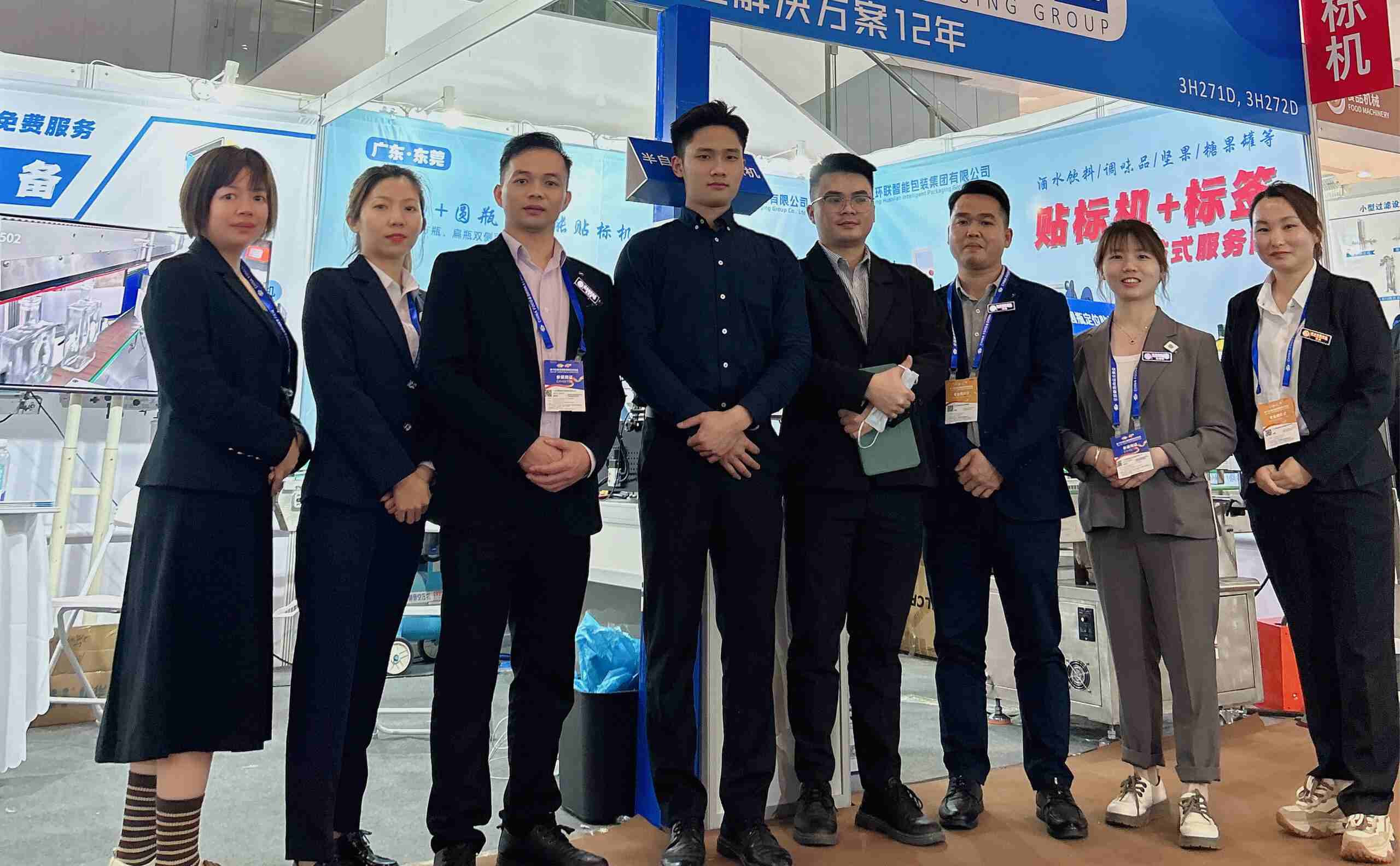
B2B packaging automation has evolved from machines to systems—from hardware to human-centered strategy.
Final Reflection: The Future of B2B Packaging Automation Is Human-Centered
Automation is not about replacing people—it’s about empowering them.
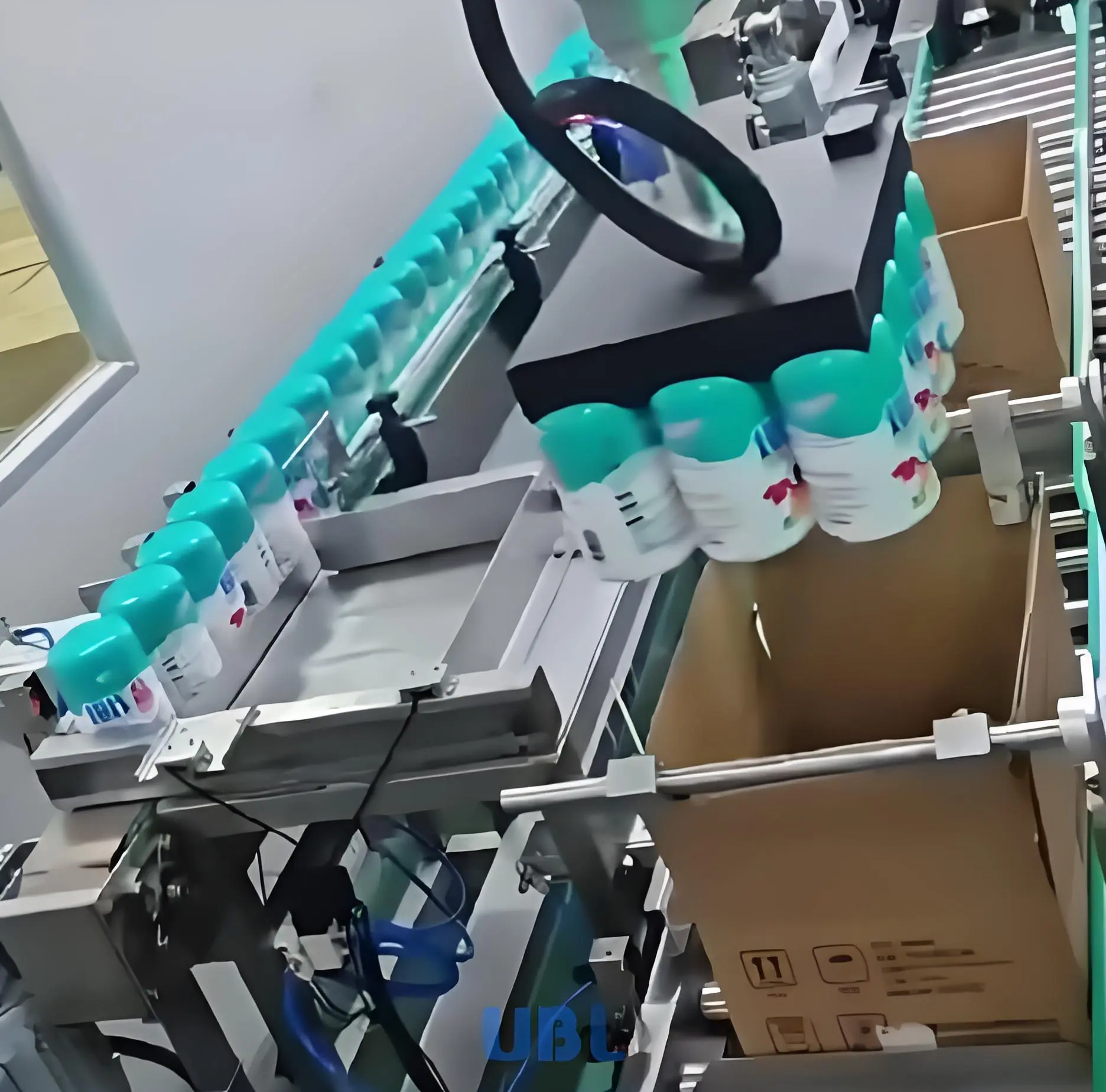
A bakery we support uses robotic case packers (60–100 cases/min) for heavy lifting, allowing employees to focus on product innovation and training. Productivity increased by 50%, and employee satisfaction rose by 22%, consistent with McKinsey’s findings on human–machine collaboration【5】.
Ultimately, B2B packaging automation exists to help manufacturers do what they do best: build quality products, serve customers, and grow sustainably.
References
【1】U.S. Food and Drug Administration (FDA). (2024). Drug Supply Chain Security Act (DSCSA) Serialization Requirements.
【2】International Society of Automation (ISA). (2023). MES Integration for Packaging Automation Best Practices.
【3】European Commission. (2023). Packaging and Packaging Waste Regulation (PPWR).
【4】PMMI. (2024). 2024 B2B Packaging Automation Trends Report.
【5】McKinsey & Company. (2023). The Future of Manufacturing Automation: Human-Machine Collaboration.
【6】Garment Folding And Packaging Solutions