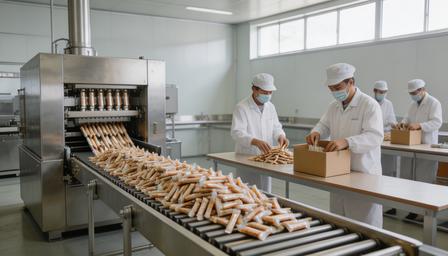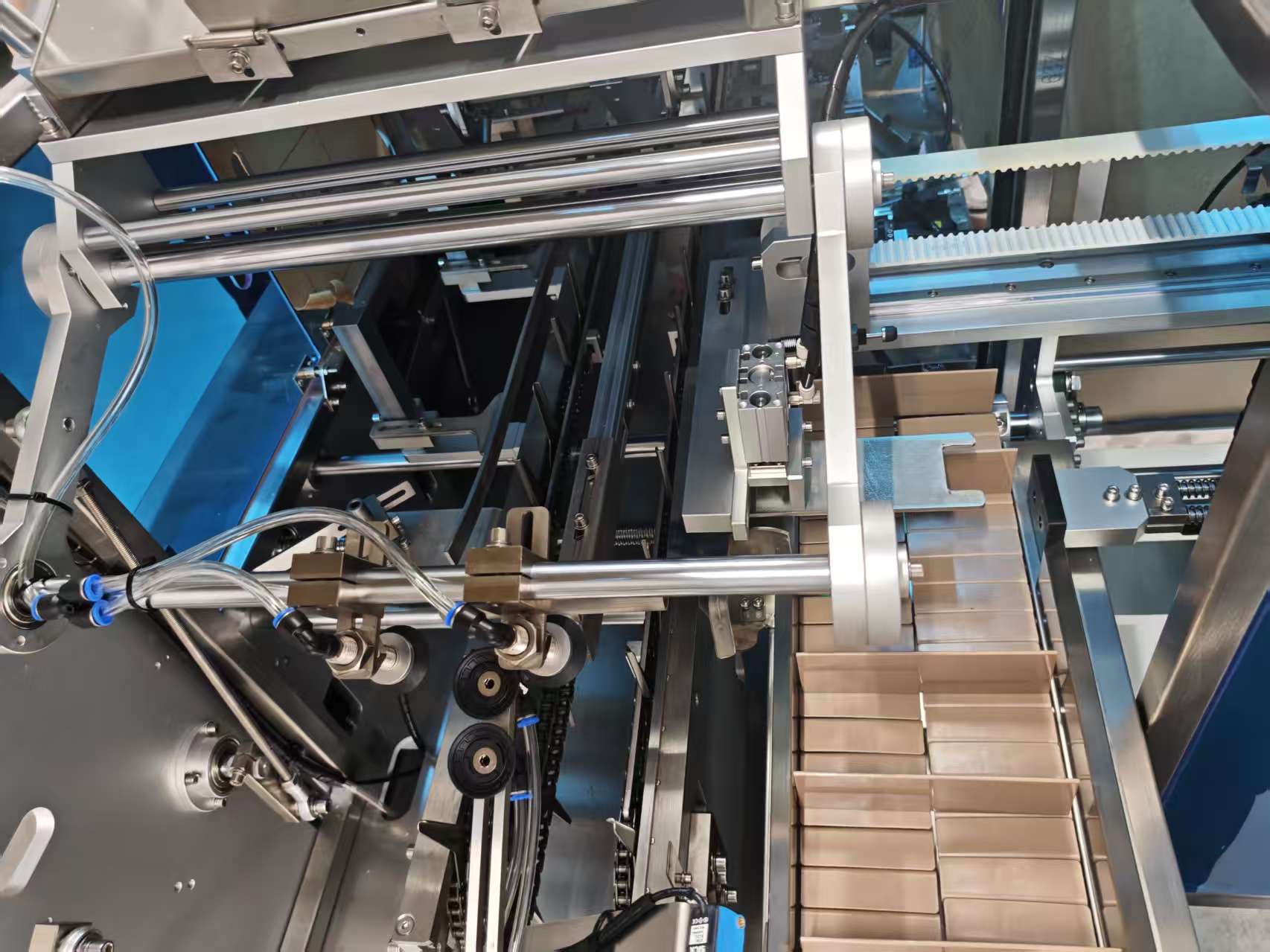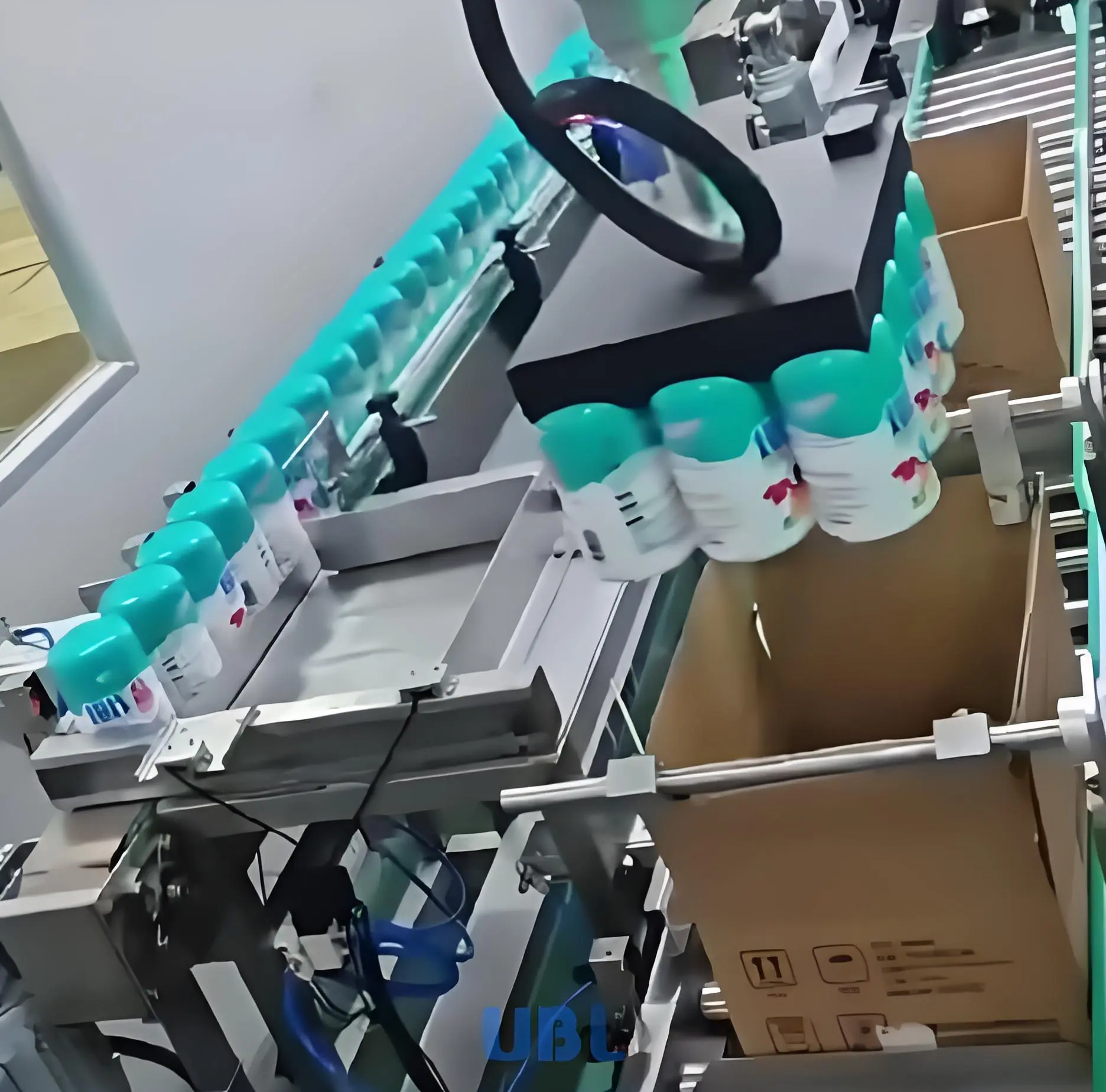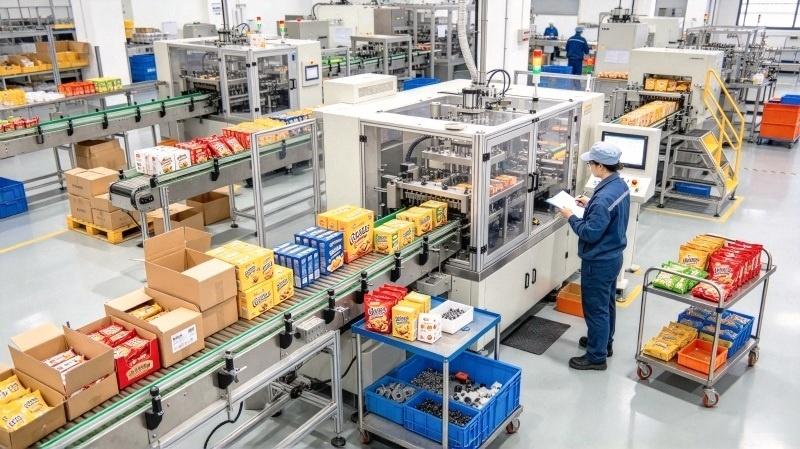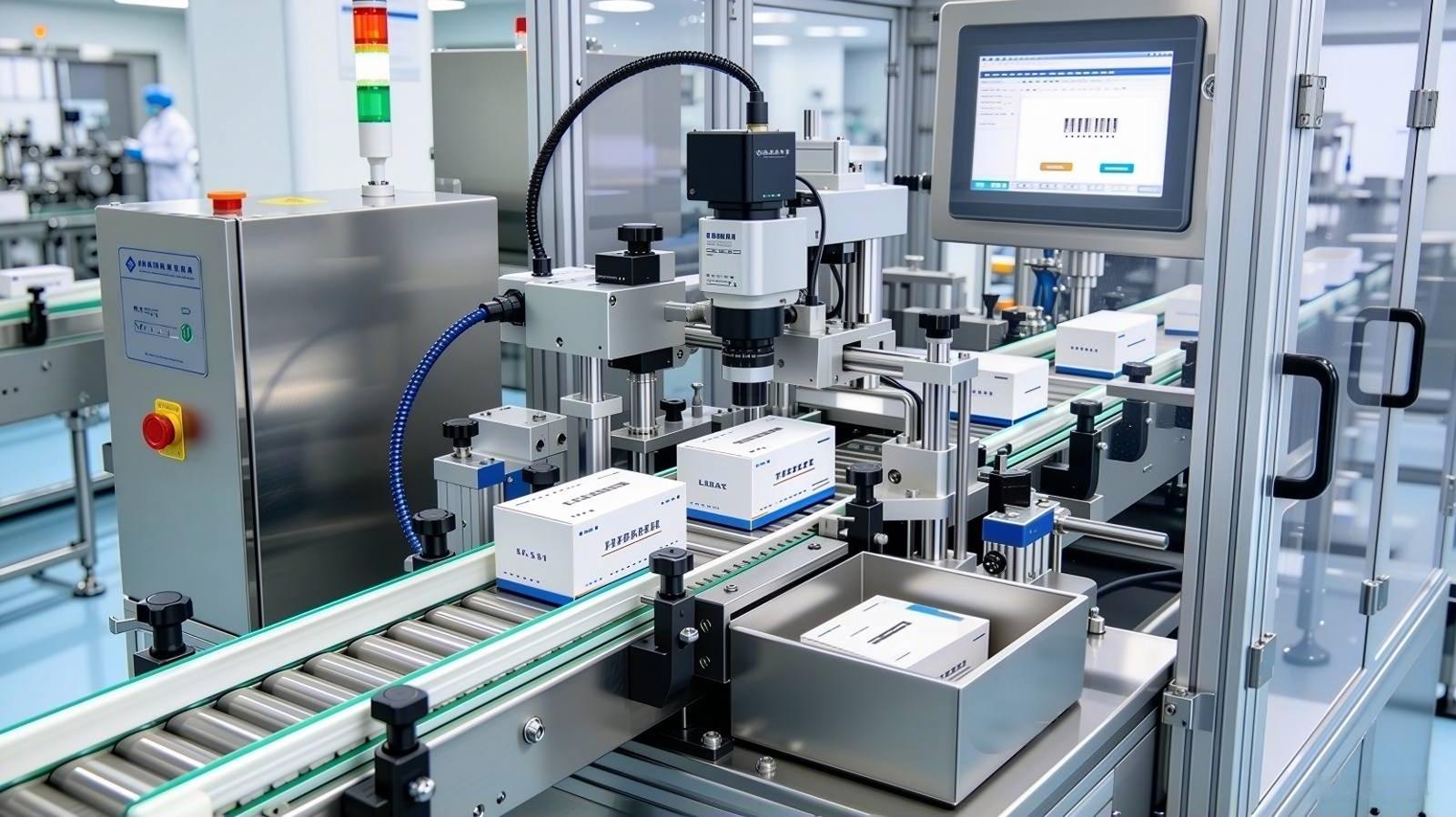
Hot Melt Cartoner technology is rapidly becoming a cornerstone of modern U.S. packaging lines, as packaging efficiency shifts from a competitive advantage to a true survival metric. In today’s manufacturing environment, rising demand for tamper-evident packaging and ongoing labor shortages are pushing manufacturers to move away from manual assembly and legacy equipment toward fully automated cartoning solutions.
According to industry research, tamper-proof packaging has become a top priority for U.S. consumers, while workforce gaps are forcing factories to “do more with fewer people.”【1】
Enter the hot melt cartoner—a technology rapidly moving from “nice-to-have” to non-negotiable across U.S. packaging lines. While tuck-in cartoners have long served the industry, rising demands for durability, security, and speed have made hot melt systems the preferred solution for food, pharmaceutical, and cosmetic manufacturers.
Defining the Equipment — Differences & Use Cases
Cartoning terminology is often used interchangeably, but in practice, three machine categories serve distinct U.S. market needs:
Hot Melt Cartoner
A broad class of cartoning machines that erect, load, and seal cartons using heated adhesive instead of mechanical tucks. The primary advantage is structural integrity—glued cartons resist crushing during pallet stacking, a key requirement for U.S. big-box retailers such as Walmart and Target.
This makes hot melt cartoners well-suited for general consumer goods like household cleaners and personal care products.
Hot Melt Glue Box Packing Machine
A heavy-duty subtype designed for thick cardboard and high-speed production. These machines dominate U.S. food and beverage operations—especially frozen foods and dry grocery—because hot melt glue maintains bond strength under temperature fluctuations and cold-chain conditions.
Industry data shows that a majority of U.S. frozen food facilities rely on hot melt sealing technology.【2】
Automatic Glue Sealing Cartoner
This precision-focused system provides visible tamper evidence, making it essential in U.S. pharmaceutical and cosmetic packaging. Once opened, glued flaps tear or deform, clearly signaling product interference.
U.S. FDA regulations require tamper-evident features for OTC drugs under 21 CFR §211.132.【3】
Efficiency Edge vs. Traditional Cartoning
U.S. plant managers are upgrading to hot melt systems for three proven reasons:
Material Cost Savings
Traditional tuck-in cartons require complex die-cuts, increasing cardboard costs by an estimated 15–20%. Hot melt cartons use simpler blanks, lowering material usage across high-volume production.
Over millions of cartons, this difference alone can offset adhesive costs.【4】
Tolerance for Recycled Materials
With sustainability goals rising, recycled cardboard is now standard across U.S. packaging operations. However, recycled board often varies in stiffness—a common cause of jams in tuck-in cartoners.
Hot melt cartoners use compression belts to hold flaps until glue sets, significantly reducing misfeeds and downtime.【5】
Higher Operating Speed
Traditional tuck-in cartoners are generally limited to moderate operating speeds, as mechanical tuck closures become less stable at higher throughput. In contrast, automatic glue sealing cartoners are widely recognized for supporting significantly higher continuous speeds, making them better suited for high-volume U.S. packaging lines supplying major retailers such as Costco.
Critical Buying Parameters (U.S. Market-Specific)
Regulatory Compliance
Machines sold into the U.S. must comply with ANSI/PMMI B155.1 safety standards and use UL-listed electrical components. Non-compliance can lead to OSHA penalties and operational shutdowns.【6】
Glue System Brand
U.S. plants overwhelmingly rely on established glue system brands such as Nordson, Robatech, and Valco Melton, because spare parts are widely stocked across U.S. industrial distributors.
This reduces downtime from weeks to hours.【7】
Changeover Speed
High-mix, low-volume production is now the norm in the U.S. market. Studies show over half of U.S. packaging lines require frequent SKU changes.
Tool-less changeovers and digital adjustments can reduce downtime by over 80%.【8】
A Strategic Upgrade for U.S. Packaging Lines
The hot melt cartoner is no longer just a piece of equipment—it’s a strategic response to the biggest pressures facing U.S. manufacturers today: labor shortages, retailer demands, sustainability requirements, and regulatory compliance.
Facilities that transition to hot melt cartoning consistently report lower packaging costs, higher line speeds, and greater operational stability within the first year.
👉 Next step:
If you’re evaluating an upgrade, contact our .We’ll help you select the right hot melt cartoner or hot melt glue box packing machine based on your speed targets, compliance requirements, and SKU mix—and can even arrange on-site testing with your actual packaging materials.